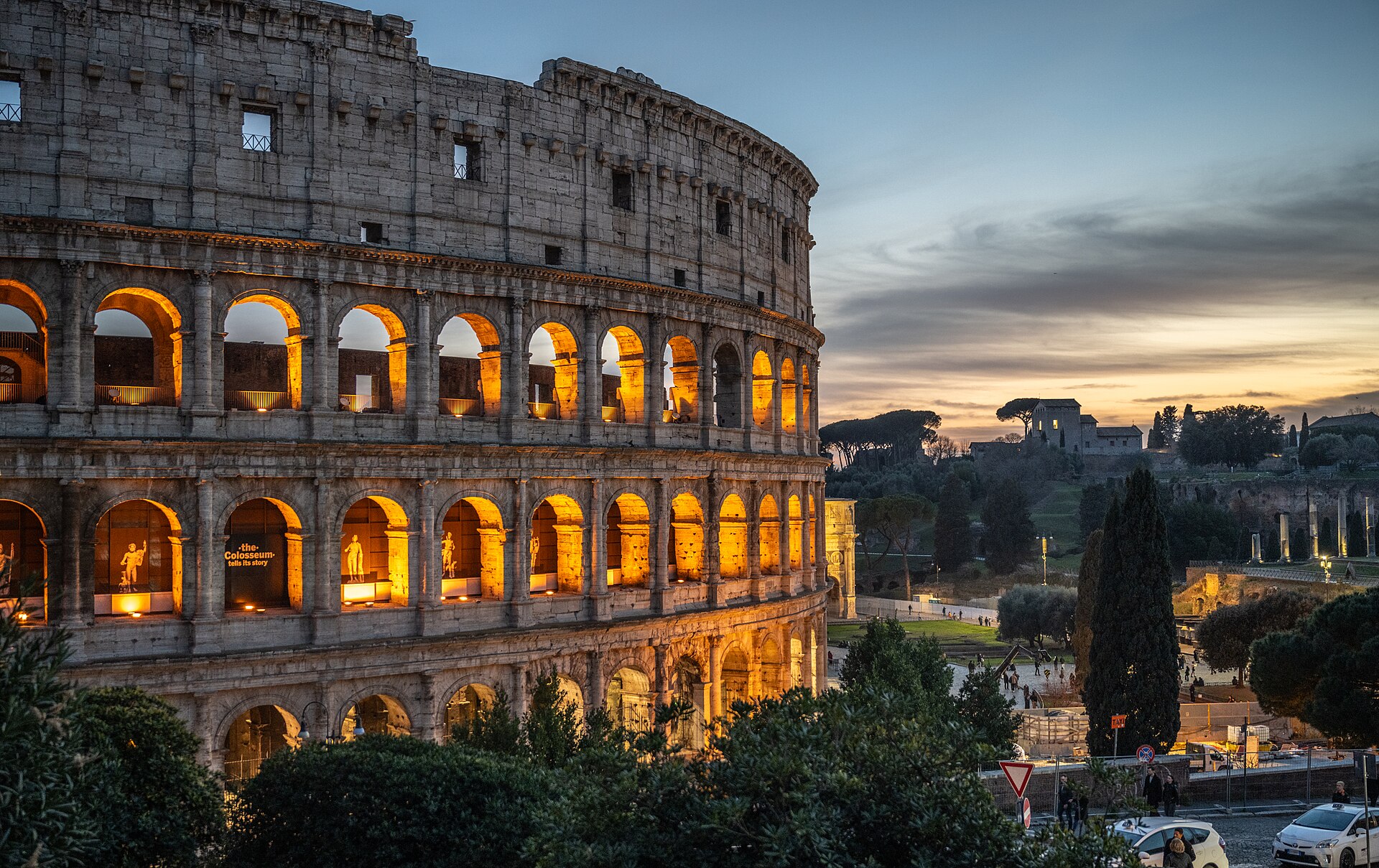
The best Mediterranean shore excursions are the Colosseum and Vatican from Civitavecchia, Florence or Pisa from Livorno, Pompeii from Naples, the Acropolis from Piraeus, Ephesus from Kusadasi, Olympia from Katakolon, and Dubrovnik’s walls. Whether to book the ship’s tour, a private guide or go alone depends mostly on one thing: how far the sight is from the gangway.
That is the question this guide answers, port by port, with the numbers attached. Most pages about Mediterranean shore excursions are catalogues: nine famous tours, a photo each, a “book now” button. They rarely tell you that the Colosseum sells named tickets 30 days ahead, that Pompeii caps its afternoon entry at 5,000 people, or that a train from Civitavecchia to Rome costs less than a sandwich on the ship. They never compare what happens, contractually, when a private tour gets stuck in traffic and your ship is about to sail. We do not sell excursions, so we can be blunt about when the ship’s tour is worth its price and when it is not. For the region overall, start with our Mediterranean cruise planning guide.
Mediterranean shore excursions at a glance
| The big transfer days | Rome from Civitavecchia (46 mi / 74 km), Florence from Livorno (65 mi / 105 km), Olympia from Katakolon (21 mi / 34 km), Athens from Piraeus (7 mi / 12 km), Ephesus from Kusadasi (11 mi / 18 km). |
| The walk-off days | Dubrovnik (by bus from Gruz), Split, Kotor, Rhodes, Naples, Valletta, Barcelona by shuttle bus. No tour needed. |
| Ship’s tour prices | Varies widely by line; a Carnival Vatican tour from Civitavecchia started at $209.99 per adult as of September 2026. |
| Private operator prices | Shore Excursions Group listed Rome tours at $79–$395 and Vatican tours at $299–$429 per person, Ephesus at $53–$199, as of September 2026. |
| Timed or named tickets | Colosseum, Vatican Museums, Acropolis, Pompeii, Sagrada Familia, Alhambra, Knossos. Book before you sail. |
| Missed-ship protection | The ship waits for its own late tours. Some private operators offer a return-to-ship guarantee; the terms differ. |
| Weather risk | Tender ports (Santorini, Villefranche, Portofino, Capri) can be cancelled on the day. Ship’s tours refund automatically; independent bookings may not. |
| Heat | Athens averages 88–90°F (31–32°C) in July and August. The Acropolis closed until 17:00 on 8 July 2025 in a heatwave. |
| Conversions | €1 = $1.1592, European Central Bank reference rate, 11 September 2026. Prices on this page are as of September 2026 unless dated otherwise. |
Are shore excursions worth it on a Mediterranean cruise?
Ship’s excursions are worth it when the headline sight is a long transfer from the port and the call is short: Rome from Civitavecchia, Florence from Livorno, Delphi from Itea, the Alhambra from Malaga or Motril. They are rarely worth it where you can walk into the sight from the ship, as at Dubrovnik, Kotor, Split, Rhodes, Valletta or Naples.
That is our opinion, and it rests on a simple calculation. A ship’s tour costs several times what doing the same day independently costs. What you buy with the difference is three things: someone else handles the transport and tickets, a guide explains what you are looking at, and — the part that matters most — the ship waits for you if the tour runs late. At a port where the sight is a 90-minute coach ride away, on a nine-hour call, that last guarantee is valuable. At a port where the sight is a ten-minute walk from the gangway, you are paying for a guide and a group.
There is a real case for the ship’s tour even at easy ports, and we do not want to dismiss it. If you have limited mobility, if you are travelling with young children, if you do not want to think on your holiday, or if you simply enjoy a good guide, a tour removes friction. The case against is also real: groups of 40 move slowly, start late, stop at shops, and give you the least time at the actual sight. Mediterranean excursions tend to be sold on the photograph, and the photograph never shows the coach park.
Ship’s tour, private guide or on your own: the three ways to do a port day
Every Mediterranean port day comes down to one of three models. Here is how they compare on the things that actually decide whether you enjoy the day.
| Ship’s excursion | Private or small-group operator | On your own | |
|---|---|---|---|
| Price | Highest per person for a group experience | Middle for small groups; private cars cost more per person but less for a family of four sharing | Lowest: transport plus entry tickets |
| If you are late back | The ship waits for its own tours | Depends on the operator’s guarantee; the ship itself does not wait | You are on your own; the ship sails |
| If the port is cancelled | Refunded automatically | Most reputable operators refund; read the terms | Pre-booked tickets and trains may not refund |
| Group size | Often 30–50 on a coach | Typically under 20; private means just you | Just you |
| Time at the sight | Least: the coach loads slowly and stops for shopping | More: smaller groups move faster | Most, if you plan well |
| Timed tickets | Handled for you | Usually handled for you | You book them, often weeks ahead |
| Best for | Long transfers on short calls; limited mobility; not wanting to plan | Families and couples who want a guide without the coach | Walkable ports; confident travellers; tight budgets |
A fourth option sits between the second and third: a shuttle or transfer-only service that takes you from the port to the city and back at fixed times, with no guide. Civitavecchia’s SIT coach to Rome, at €15 (about $17) one way or €25 (about $29) return, is the classic example. It removes the navigation without the price of a tour, but it does not come with a guarantee that the ship will wait.
What happens if your shore excursion makes you miss the ship?
If you are on the cruise line’s own excursion and it runs late, the ship waits. If you are on a private tour or exploring alone, it does not: the ship sails at all aboard, and you must reach the next port at your own expense. Some private operators offer a guarantee to cover those costs, but the terms vary and are worth reading.
Here is how the main models compared as of September 2026, based on what each operator states on its own pages:
- Your cruise line’s excursion. The ship will wait if its own tour is delayed. This is the one protection that is effectively absolute, because the line is responsible for the delay.
- Shore Excursions Group. Advertises a “Return-to-Ship Guarantee” across its port tours. Read the specific wording before you book, particularly what it covers and what it asks of you on the day.
- Tours by Locals. States that if you miss the ship on one of its tours, it covers your costs to reach the next port, including accommodation, and gives a full refund if the ship cannot dock.
- Independent booking platforms and local guides. Guarantees range from generous to non-existent. Assume nothing is covered unless it is written down.
- Going it alone. No guarantee. You pay for the flight, ferry or taxi to the next port, plus a hotel, plus possibly a missed flight home.
Two points people miss. First, even a generous guarantee means a day and a night of your trip spent chasing the ship across the Mediterranean, possibly across a border: if the ship’s next call is in another Schengen country you are fine, but if it is in Turkey or Montenegro, you need your passport on you, not in the cabin safe. Second, travel insurance only helps if the policy specifically covers missed departures from a port of call, and many do not. Our planned guide to what happens if you miss the cruise ship will go through the steps in detail.
Mediterranean shore excursions port by port: tour, guide or DIY?
This is our verdict for each of the headline excursions. It is an opinion, based on the distance from the ship, the ticketing rules and the typical length of a call, and you will find people who disagree with every row. Use it as a starting point.
| Port | Headline excursion | Distance from ship | Our verdict |
|---|---|---|---|
| Civitavecchia | Rome: Colosseum, Vatican, centro storico | 46 mi (74 km) | Ship’s tour or guaranteed operator on calls under 9 hours; DIY by train on long calls |
| Livorno | Florence | 65 mi (105 km) | Ship’s tour or guaranteed operator; or choose Pisa or Lucca instead |
| Livorno | Pisa | 16 mi (25 km) | DIY |
| La Spezia | Cinque Terre | About 30 min by train | DIY with the Cinque Terre card |
| Naples | Pompeii | 15 mi (24 km) | DIY with a pre-booked named ticket, or a small-group guide |
| Naples | Capri or the Amalfi Coast | By sea | DIY by ferry in shoulder season; operator in August |
| Messina | Taormina and Etna | Taormina 31 mi (50 km) | Operator or ship’s tour |
| Piraeus | Acropolis and Plaka | 7 mi (12 km) | DIY by taxi or metro with a timed ticket |
| Santorini | Fira, Oia, wineries | Tender, then cable car | DIY for Fira; operator for Oia plus wineries |
| Katakolon | Ancient Olympia | 21 mi (34 km) | DIY by train, taking the earlier return |
| Heraklion | Knossos | Roughly 3–4 mi (5–6 km) | DIY by taxi with a timed ticket |
| Itea | Delphi | Inland, mountain road | Ship’s tour |
| Kusadasi | Ephesus | 11 mi (18 km) | Small-group operator; DIY by taxi if you agree the fare first |
| Dubrovnik | City walls and Old Town | 2 mi (3 km) from Gruz | DIY by bus |
| Kotor | Old Town and fortress hike | 200–400 m to the Sea Gate | DIY |
| Split | Diocletian’s Palace | 800 m, flat | DIY |
| Barcelona | Sagrada Familia and Gaudí | Shuttle bus to the city, then metro | DIY with timed tickets |
| Malaga or Motril | The Alhambra, Granada | Long coach ride inland | Ship’s tour; Nasrid Palaces slots are fixed and named |
| Villefranche | Monaco, Eze, Nice | Tender; Nice about 7 min by train | DIY by train |
| Valletta | Valletta, Mdina, the Three Cities | City 1.5 km, steep, with a lift | DIY for Valletta; operator or bus for Mdina |
Italy: Rome, Florence, Pompeii and the Cinque Terre
Italy has the most famous Mediterranean shore excursions and the most difficult logistics. Our Italy cruise ports guide covers each port’s transport in detail; here is what matters for choosing the excursion.
Rome from Civitavecchia. The train takes 45 to 59 minutes with about 44 departures a day from about €4.85, but the port shuttle and the walk to the station add time at both ends. The Colosseum (with the Roman Forum and Palatine) costs €16 plus a €2 booking fee, €18 (about $21) in total, or €24 (about $28) for the Full Experience ticket; tickets are named and released 30 days ahead at 08:45 Rome time on the official platform. The Vatican Museums cost €20 at the door or €25 (about $29) online, open Monday to Saturday from 08:00 with last entry at 18:00, closed most Sundays, and require covered shoulders and knees. Seeing both in one port day is possible on a ship’s tour and very tight on your own. Pick one.
Florence from Livorno. The longest standard transfer in Italy. Shore Excursions Group’s Livorno and Florence tours ranged from $67 to $464 per person as of September 2026, which tells you how wide the gap is between a coach transfer and a private guide. The Uffizi and the Accademia (for Michelangelo’s David) both need booked entry times, and a tour that promises both in a port day is promising queues. Pisa is 16 miles away and a much easier DIY day.
Pompeii from Naples. Since 12 January 2026 Pompeii tickets are named, and ID may be checked: Pompeii Express €20 (about $23), Pompeii+ €25 (about $29), and Pompeii Plus €30 (about $35), a three-day multi-site ticket. From 16 March to 14 October entry is split into a 09:00–13:00 window (maximum 15,000) and a 13:00–17:30 window (maximum 5,000), with a daily cap of 20,000. Bags larger than 30 × 30 × 15 cm are refused. The site opens 09:00 to 19:00 in summer, last entry 17:30, and is free on the first Sunday of the month, which means very crowded on those days.
Cinque Terre from La Spezia. This is the Italian excursion we would most confidently do independently. The Cinque Terre Treno card, covering trains between La Spezia and Levanto and the park’s trails, cost €22 (about $26) in low season, €29.50 (about $34) in mid season and €35 (about $41) on peak days as of September 2026. The villages are about 30 minutes away. A ship’s tour adds a guide and a group; it does not add access.
Taormina from Messina. Taormina is 31 miles (50 km) south of the Messina cruise berth, and Mount Etna is a further drive inland. We have not been able to verify current independent transport fares from Messina, so this is one where we lean towards a tour for most people.
Greece and Turkey: Acropolis, Olympia, Knossos, Santorini and Ephesus
The Eastern Mediterranean excursions are shorter transfers but hotter days, and several of them depend on timed tickets. Our Greek cruise ports guide has the port-level detail for each call.
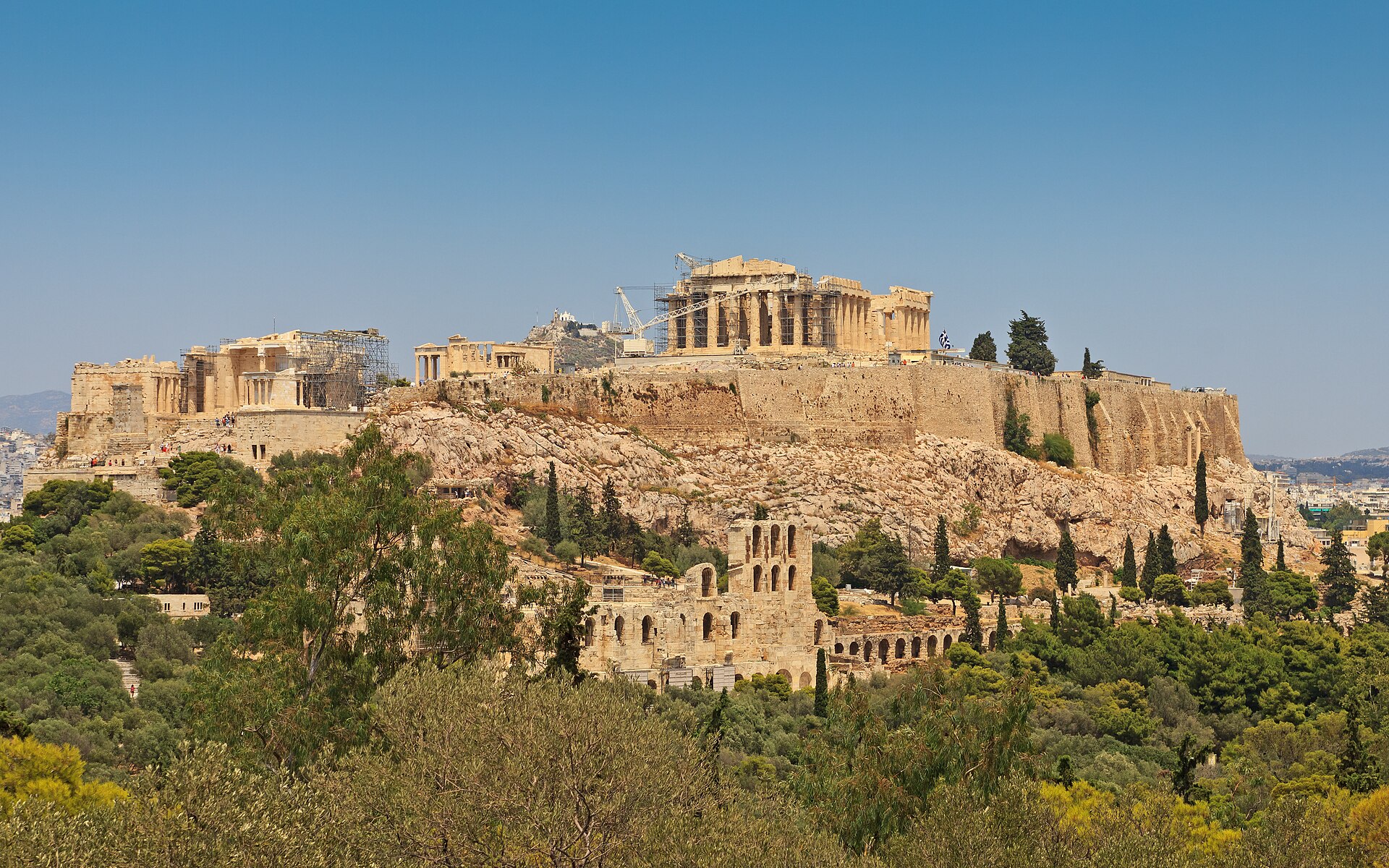
The Acropolis from Piraeus. The Acropolis costs €30 (about $35) year-round, with timed entry booked through the official hhticket.gr platform, and tickets are non-refundable. From Piraeus it is 20 to 30 minutes by taxi in normal traffic, or Metro Line 1 after a 20- to 30-minute walk from the cruise terminals. In high summer the question is heat more than logistics: go at opening time, carry water, and have a plan B if the site closes early, as it did until 17:00 on 8 July 2025.
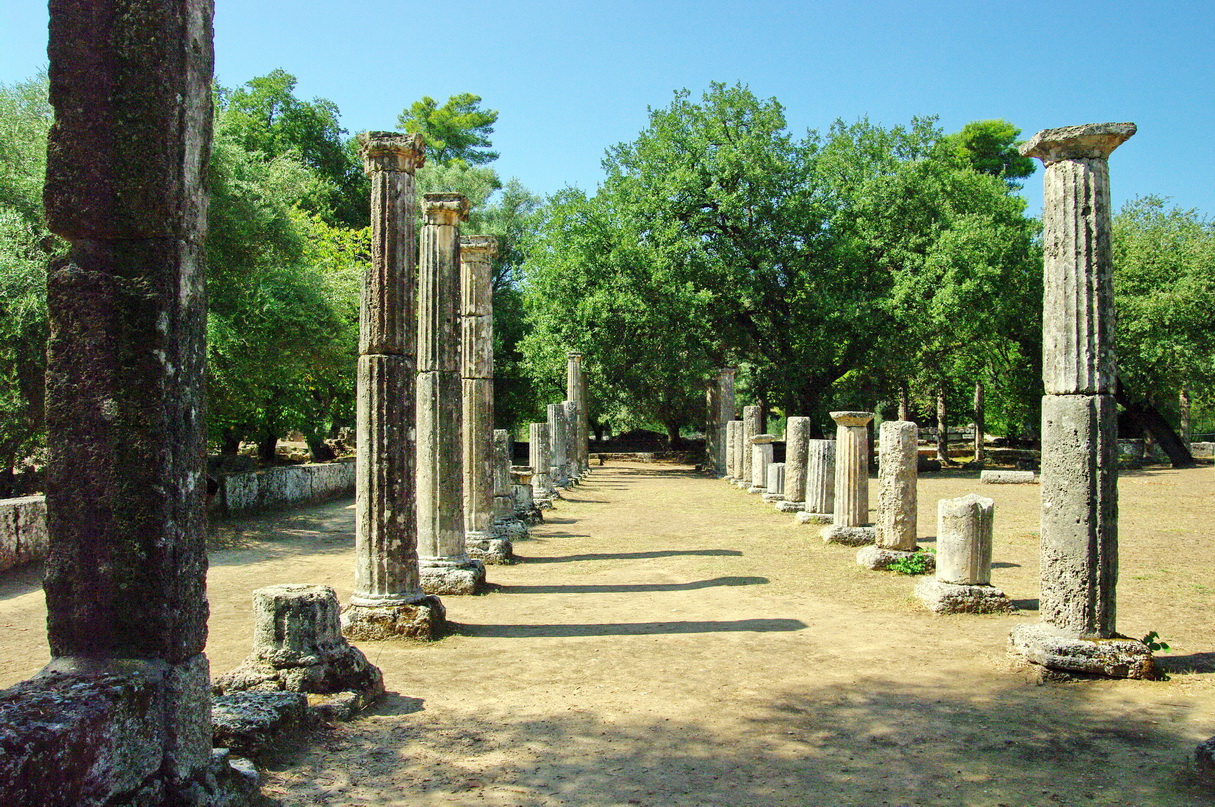
Olympia from Katakolon. One of the best-value DIY excursions in the Mediterranean. The train from Katakolon costs €10 (about $12) return and takes about 45 minutes, with three departures about two hours apart and a timetable set each morning to the ships in port. Site entry is reported at €20 with a €10 reduced rate, though an older €12 price appears on the same source page; confirm on hhticket.gr.
Knossos from Heraklion. Roughly 3 to 4 miles (5 to 6 km) from the port area, so a short taxi ride. Entry was reported at €20 (€10 reduced) as of late August 2026, with a timed slot valid from 15 minutes before to 15 minutes after the booked time. Knossos is fully exposed; go early.
Santorini. Every Santorini excursion starts with a tender to the Old Port and a cable car ride to Fira at €10 (about $12) one way. The ship’s tours usually get the first tenders, which is a real advantage on a crowded day. If you want Oia, wineries and Fira in one visit, a tour or pre-booked driver makes sense; if you want Fira and the caldera walk, you do not need one.
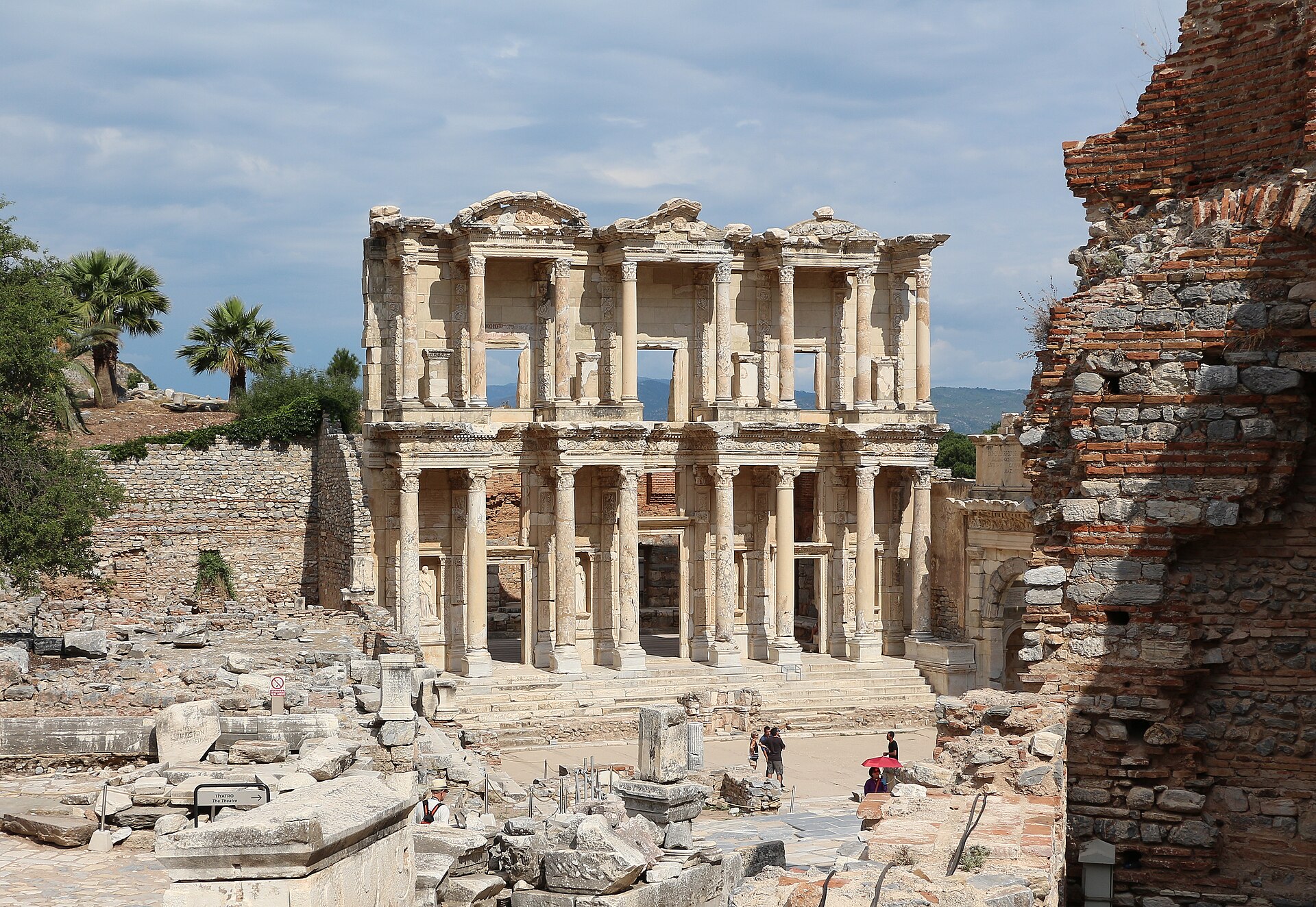
Ephesus from Kusadasi. Ships dock at Ege Port, and Ephesus is 11 miles (18 km) away, 20 to 25 minutes by road. The site ticket was reported at €40 (about $46) as of July 2026, including the Ephesus Experience Museum, with the Terrace Houses €15 extra; the source notes that a court decision may change the main fee. Shore Excursions Group listed Ephesus tours from $53 to $199. Taxi fares from the port are not published by any source we can verify, so if you go independently, agree the price before you get in.
Delphi from Itea. Delphi sits high on a mountain road inland from Itea, and independent transport data is thin. This is one of the few excursions where we would book the ship’s tour without much hesitation.
Spain, France, Croatia, Montenegro and Malta
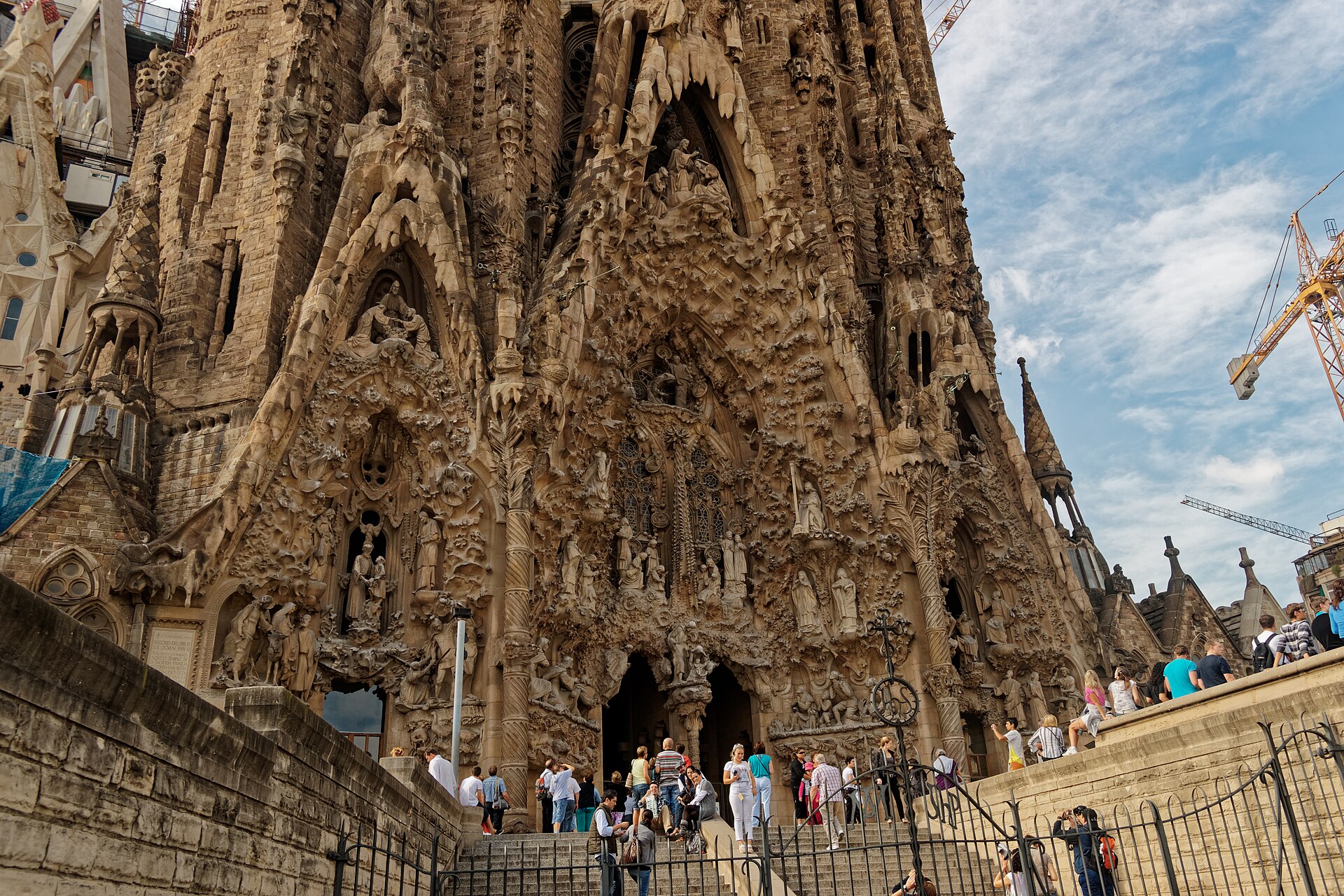
Barcelona. The PortBus shuttle runs from the cruise terminals to the Columbus Monument for €3 one way or €4.50 return. The Sagrada Familia is sold online only: €26 (about $30) basic, €30 with a guided tour, €36 with tower access and €40 (about $46) for both, from the official site as of September 2026. The official site displayed a “temporarily closed” notice on 11 September 2026, so check the status before you plan a day around it.
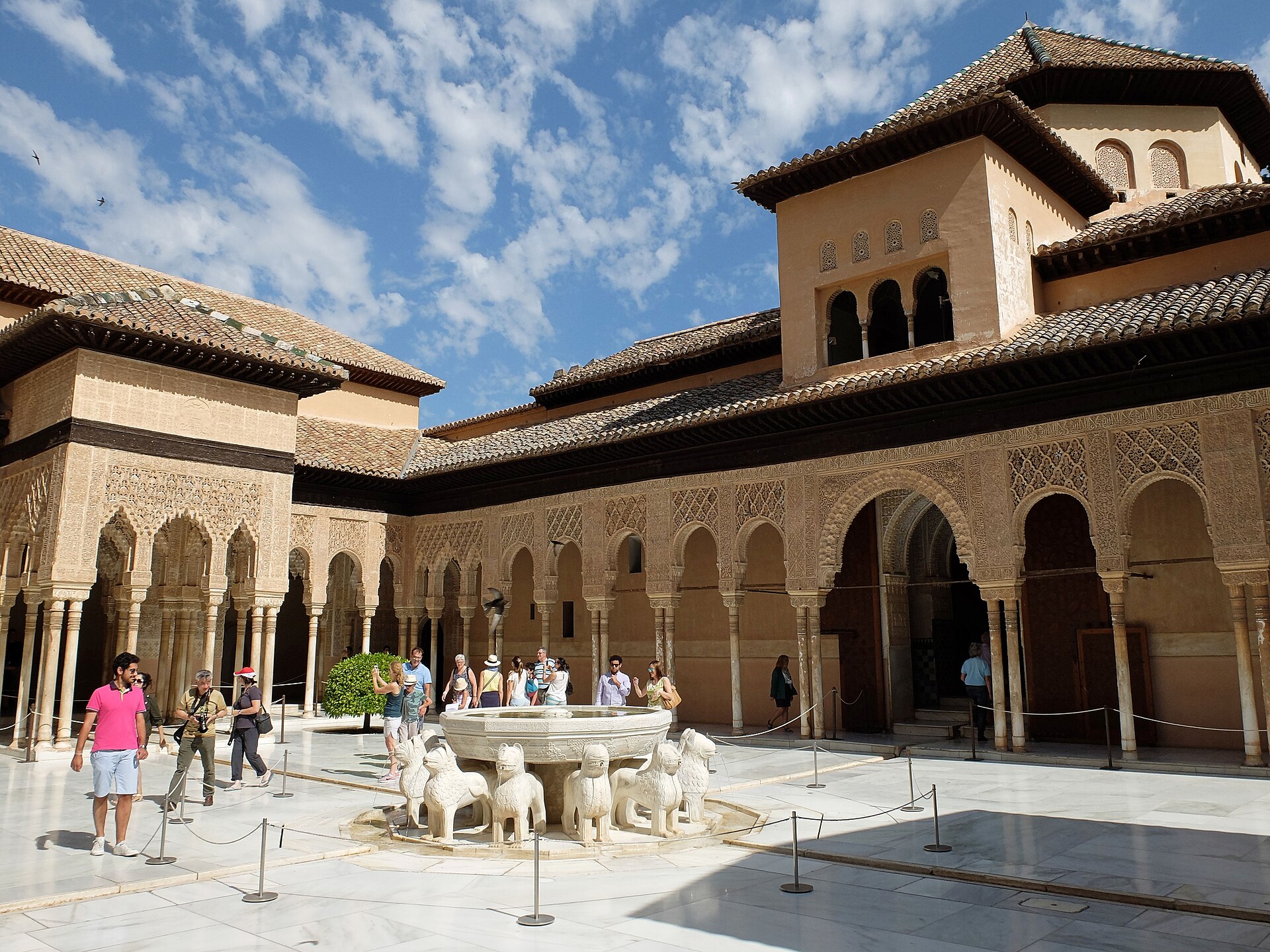
The Alhambra from Malaga or Motril. The Alhambra general ticket is €22.27 (about $26), named, and the passport or ID must match. Entry to the Nasrid Palaces, the part everyone comes for, is in a fixed 30-minute slot. Tickets go on sale up to a year ahead and the good slots go early. Granada is a long drive inland from either port, the slot does not move for traffic, and this is the textbook case for a ship’s tour.
Villefranche for Monaco, Eze and Nice. Villefranche is a tender port, with a wait of 5 to 10 minutes for the boat. From the station, about 10 minutes uphill, trains reach Nice in about 7 minutes and Monaco in about 20. Published fares online are stale, so buy at the machine. This is DIY country.
Marseille for Provence. Large ships dock at the MPCT terminal, about 5 miles (8 km) from the Vieux-Port, with a free port shuttle on every ship day. Aix-en-Provence, Cassis and the Luberon villages are all day trips, and we have not verified independent transport times and fares from the port; a tour is sensible for anything beyond Marseille itself.
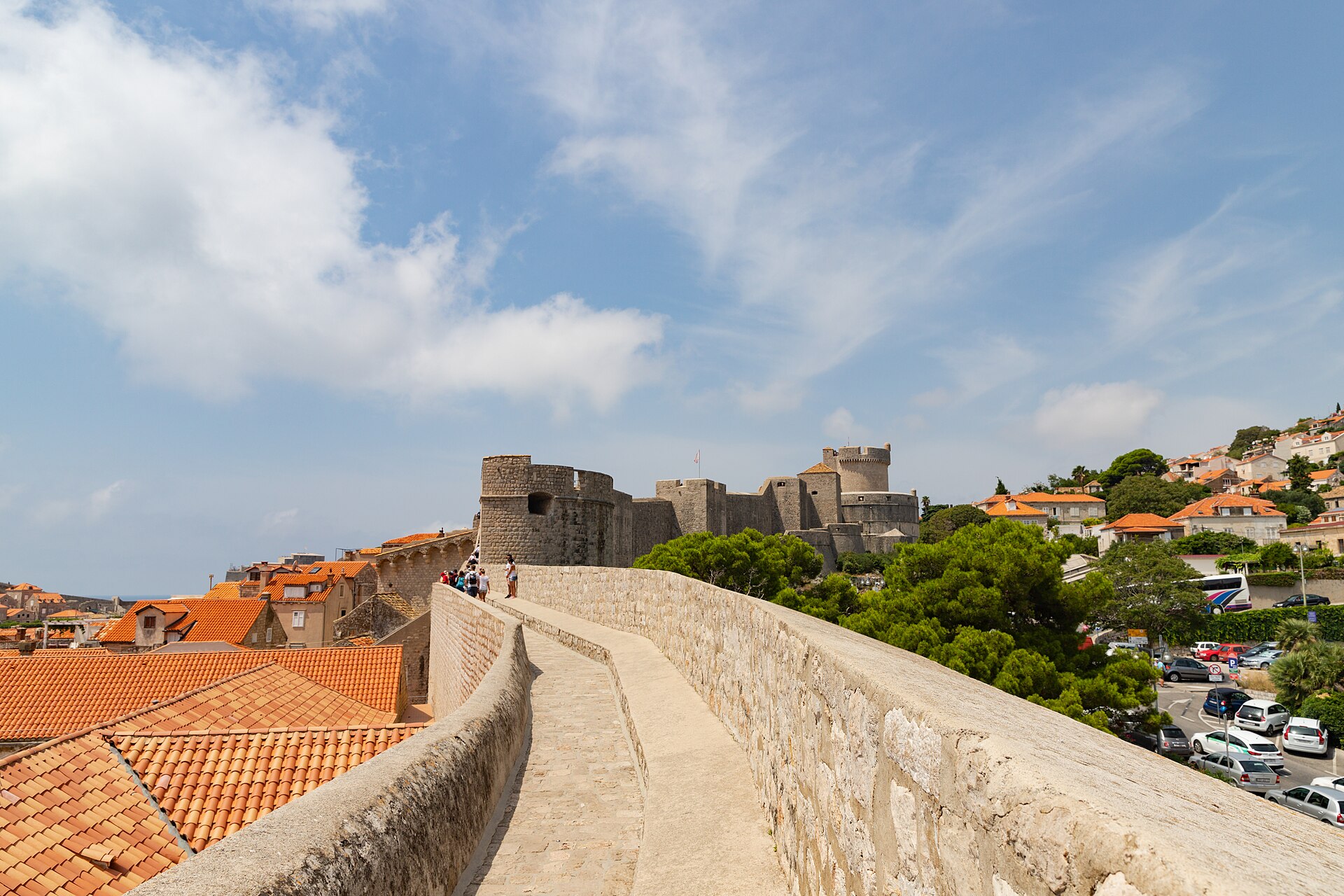
Dubrovnik. Ships dock at Port Gruz, 2 miles (3 km) from the Old Town, and city buses 1, 1A, 1B and 3 run for about €4. The city walls ticket starts at €40 (about $46), with summer hours of 08:00 to 19:30 in July and 08:00 to 19:00 in August from the official site. The cable car costs €30 return or €17 one way. There is no reason to take a tour for the walls. Go early: the walls are fully exposed.
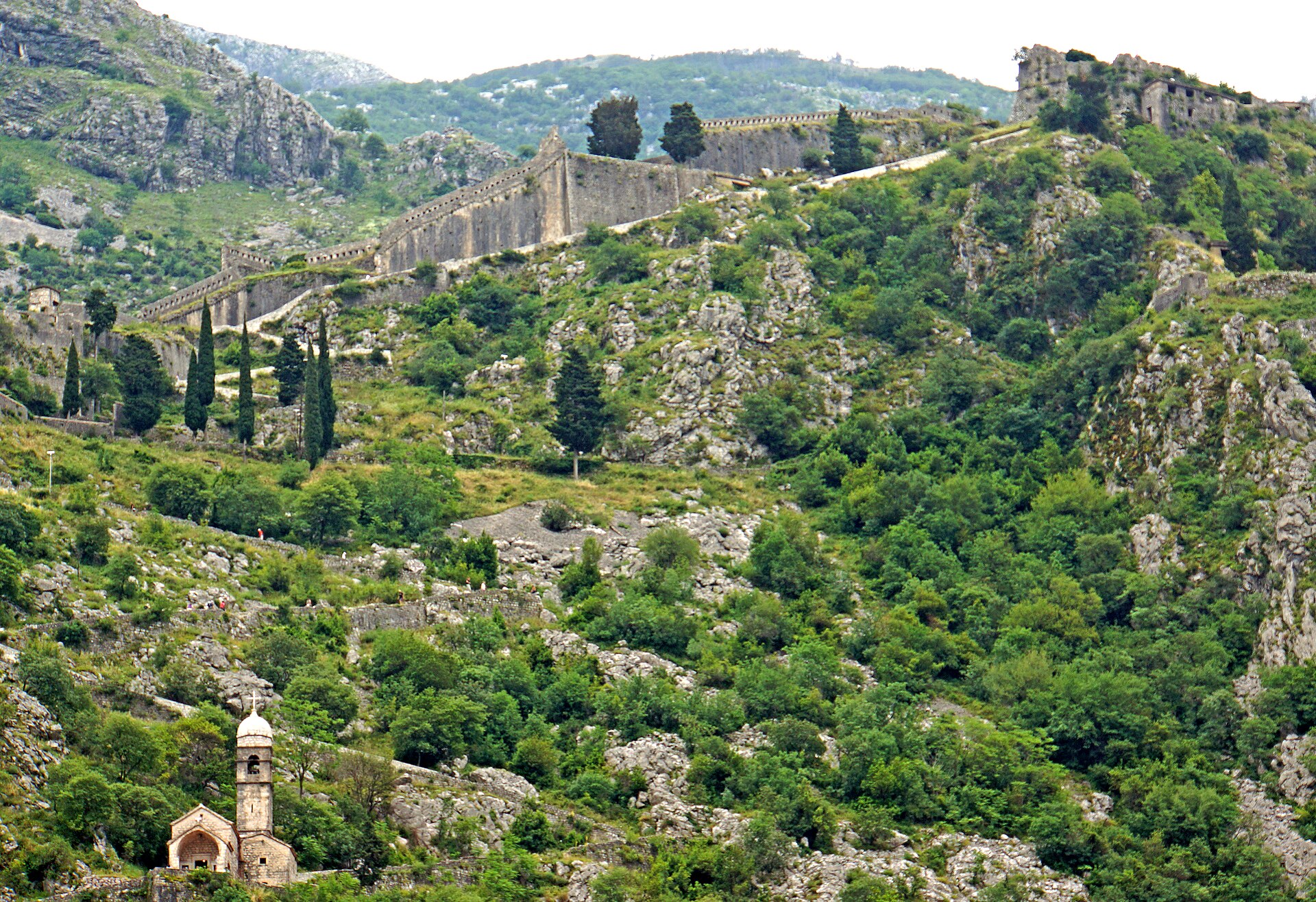
Kotor. When a ship gets the main quay, the Sea Gate is 200 to 400 metres away. The climb to the San Giovanni fortress is about 1,350 steps and 45 to 60 minutes up; the fee is reported at €15 by one 2026 source and €8 to €10 by others, so carry cash. A taxi to Perast costs roughly €12 to €18 one way. Take a tour only if you want the Lovcen mountain road.
Split. Diocletian’s Palace is 800 metres from the ship on flat ground. It is the easiest headline port in the Mediterranean, and nobody needs a coach.
Valletta. Ships dock at the Valletta Waterfront, 1.5 km below the city walls. The Upper Barrakka lift costs about €1 return and saves a steep climb. Valletta itself is DIY; Mdina and the Three Cities are easy by bus, water taxi or a short tour.
Which headline sights need timed tickets?
The Colosseum, Vatican Museums, Acropolis, Pompeii, Sagrada Familia, Alhambra and Knossos all use timed, named or capped tickets, and several sell out in summer. Book them before your cruise, not on the ship. If a ship’s tour or private operator includes entry, confirm that the ticket is in the price.
| Sight | Adult ticket, as of September 2026 | The rule that catches cruise passengers | Source status |
|---|---|---|---|
| Colosseum, Forum, Palatine | €18 (about $21) incl. fee; €24 Full Experience | Named; released 30 days ahead at 08:45 Rome time | Secondary; official site unreachable |
| Vatican Museums | €20 door / €25 online (about $29) | Closed most Sundays; shoulders and knees covered | Secondary |
| Acropolis | €30 (about $35) | Timed slot; non-refundable | Secondary |
| Pompeii | €20 / €25 / €30 | Named; time windows; 30 × 30 × 15 cm bag limit | Official |
| Sagrada Familia | €26 to €40 (about $30–$46) | Online only; check for closure notices | Official |
| Alhambra | €22.27 (about $26) | Named; Nasrid Palaces fixed 30-minute slot | Secondary |
| Dubrovnik city walls | From €40 (about $46) | Fully exposed; go at opening | Official |
| Ephesus | €40 (about $46); Terrace Houses €15 | Fee may change after a court decision | Secondary |
| Knossos | €20 (€10 reduced) | Timed slot, ±15 minutes | Secondary |
| Ancient Olympia | €20 reported (older €12 also shown) | Confirm on hhticket.gr | Conflicting |
| Kotor fortress | €15 or €8–€10 | Sources conflict; carry cash | Conflicting |
How much do Mediterranean shore excursions cost?
As of September 2026, ship’s tours to Rome or the Vatican from Civitavecchia started around $200 per adult on mainstream lines, while private operators listed Rome tours from $79 to $395 and Ephesus tours from $53 to $199. Doing the same day independently usually costs the transport plus entry tickets, often under $70 per person.
The best way to see the gap is to price one real day for a couple. Take Rome from Civitavecchia, with the Colosseum as the goal.
- Ship’s tour. The nearest published mainstream price we could confirm was Carnival’s Complete Vatican City Tour from Civitavecchia, from $209.99 per adult as of September 2026 — about $420 for two. A Colosseum-focused tour on another line will differ, sometimes by a lot.
- Private operator, small group. Shore Excursions Group’s Rome tours ran from $79 to $395 per person, so roughly $160 to $790 for two, depending on the product.
- Train and pre-booked tickets. Two return train fares from about €19.40 plus two Colosseum tickets at €18 each, about €55.40 in total, or roughly $64 for two.
Across a seven-night Western Med cruise with four big excursion days, that pattern can add up to well over $1,000 for a couple on ship’s tours, against a few hundred dollars independently. That is not an argument for always going it alone. It is an argument for spending the excursion budget where it buys something real — a guaranteed return on a long transfer, a guide at Ephesus or Pompeii, a private car for a family of four — and saving it at the ports where the sight is a walk from the ship. Our Mediterranean cruise cost guide puts excursions in the context of the whole budget, and the cruise lines guide notes which premium lines, such as Viking, include one excursion per port in the fare.
All-aboard math for an excursion day
All aboard is the time by which every passenger must be back on the ship, usually 30 to 60 minutes before the published departure. Independent excursions fail in the last two hours of the day, not the first two. Here is a worked timeline for a typical 08:00 to 17:00 call at a port with a 60- to 90-minute transfer, such as Civitavecchia for Rome or Malaga for a long day inland, with all aboard at 16:30.
| Time | What happens | Buffer logic |
|---|---|---|
| 08:00–08:30 | Gangway opens; port shuttle or walk to the gate | Ship’s tours usually disembark first |
| 08:30–10:00 | Transfer to the sight | Use the slow end of the published range |
| 10:00–13:15 | At the sight, including the timed entry | About three hours is what a 9-hour call really buys |
| 13:15 | Latest safe departure from the sight | Allows one missed train or a traffic jam |
| 13:15–14:45 | Return transfer | Afternoon traffic and train gaps are worse than morning |
| 14:45–15:30 | Port gate, shuttle, security | Several ships’ passengers return at once |
| 16:30 | All aboard | Our recommended buffer for a long-transfer day: 60–90 minutes |
Our rules of thumb, which are opinion rather than published policy:
- On a walk-off port, aim to be back at the gangway 45 minutes before all aboard.
- On a transfer port, aim for 60 to 90 minutes before all aboard, and never rely on the last train.
- On a tender port, add the tender queue: be at the landing at least 60 minutes before all aboard, more when several ships are anchored.
- Set your phone to the ship’s time, not local time, on any day the ship crosses a time zone, such as Greece to Italy.
Shore excursions with limited mobility, tenders and heat
The Mediterranean is not an easy region for limited mobility, and excursions are where that shows. Three factors matter most.
Tenders. Tender access for wheelchairs and scooters depends on the sea state on the day. Some lines restrict mobility devices above about 100 lb (45 kg) on tenders, and crew are not permitted to lift passengers; guests who can step aboard with assistance may be able to bring a collapsible manual chair. Santorini, Villefranche, Portofino and Capri are the tender ports where this most often decides whether you go ashore at all.
Terrain. The headline ancient sites were not built for wheels. Pompeii’s streets are original stone with high kerbs, the Acropolis is a steep climb on worn marble, Ephesus runs downhill on uneven paving, and Kotor’s fortress is 1,350 steps. On the other hand, Split, Valletta’s main streets (after the lift), Barcelona’s Eixample, and the Sagrada Familia interior are much more manageable. Ask your cruise line which of its excursions are graded easy or accessible; the best lines publish an activity level for each tour.
Heat. July and August temperatures average 86°F (30°C) in Rome and 88 to 90°F (31 to 32°C) in Athens, and the ancient sites have almost no shade. For anyone heat-sensitive, the best Mediterranean shore excursions are the ones you do before 11:00, and the best months are May, June, September and early October. Our guide to the best time to cruise the Mediterranean sets out the month-by-month trade-off.
Several of these excursions work better as land nights than as port days. Our Italy cruise guide compares the realistic time a cruise call leaves in Rome, Florence, Pompeii and the Cinque Terre with simply staying there.
The Alhambra and Seville are the two Iberian excursions that depend most on which port your ship uses. Our Spain cruise ports guide compares Malaga, Motril and Almeria for Granada, and sets out the train timings from Cadiz to Seville.
For the port-day habits that make any excursion go smoothly — ship’s time, the train before the last train, tender tickets, passports ashore — see our Mediterranean cruise tips.
Two things decide whether a shore excursion is comfortable or miserable: your shoes and your bag. Our Mediterranean cruise packing guide covers the cobbles-and-tenders footwear question and the published bag-size limits at Pompeii and the Vatican that send people back to the entrance.
Two of the hardest excursion calls in the Mediterranean are on these islands: Mount Etna, where access closes on volcanic activity without notice, and the Valley of the Temples from a commercial port with no published drive time. Our Sicily, Sardinia and Malta cruise ports guide works both of them back from the all-aboard time.
The best independent excursion in the Mediterranean may be the simplest: a ten-minute walk uphill from the Villefranche tender pier to a station where Nice is seven minutes away and Monaco about twenty. Our French Riviera cruise ports guide works that day back from the all-aboard time, tender queue included.
Families should run the numbers differently. On a ship’s tour children pay close to adult prices, while the Colosseum and Pompeii admit all under-18s free and the Acropolis admits non-EU under-18s free, so at walkable ports going independently saves a family far more than it saves a couple. Our family guide to Mediterranean cruising works through the port-by-port swaps, such as Herculaneum for Pompeii and Pisa for Florence.
Insurance does not change that calculation as much as people hope. Missed connection benefits pay when a common carrier is delayed, not when an independent tour overruns, so the ship’s own excursion, or a reputable operator’s return-to-ship guarantee, remains the real protection on long-transfer days. Our Mediterranean cruise insurance guide works through twelve port-day scenarios and which cover responds to each.
Where this guide goes deeper
This page is the hub for shore excursions on this site. The guides beneath it cover single excursions and single decisions in full, each with timings, tickets and an all-aboard timeline, and each will be linked here as it publishes:
- Italy: Rome shore excursions from Civitavecchia, Vatican tour from Civitavecchia, Florence shore excursion from Livorno, Pompeii shore excursion from Naples, Capri shore excursion from Naples, Amalfi Coast shore excursion from Naples, Cinque Terre shore excursion from La Spezia and Taormina shore excursion from Messina.
- Greece and Turkey: Athens shore excursions, Santorini shore excursions, Olympia shore excursions, Heraklion shore excursions, Delphi shore excursion from Itea and Ephesus shore excursions.
- West and Adriatic: Barcelona shore excursions, Alhambra shore excursion from Malaga, Marseille shore excursions, Villefranche shore excursions, Dubrovnik shore excursions, Kotor shore excursions and Valletta shore excursions.
- Deciding and booking: are cruise excursions worth it, how much do shore excursions cost, Mediterranean cruise excursions on your own, private shore excursions in the Mediterranean, Shore Excursions Group review, Rome in Limo review, food and wine shore excursions and beach excursions.
- The rules of the day: all-aboard time explained, what happens if you miss the cruise ship and Mediterranean cruise tender ports.
For port logistics rather than excursions, see our hubs for Italy cruise ports and Greek cruise ports.
Shore excursion FAQs
Is it cheaper to book shore excursions independently?
Almost always. A couple doing Rome from Civitavecchia by train with pre-booked Colosseum tickets spent roughly $64 in total as of September 2026, against around $420 for two on a mainstream ship’s tour. What the ship’s tour adds is a guide, the logistics and a guarantee that the ship waits if the tour is late.
Will the ship wait if my private tour is late?
No. The ship waits only for its own excursions. If a private tour or independent trip makes you late, the ship sails and you must reach the next port yourself. Some operators, including Shore Excursions Group and Tours by Locals, advertise guarantees that cover costs in that situation; read the exact terms.
Which Mediterranean ports can you easily do without an excursion?
Split, Kotor, Dubrovnik, Rhodes, Naples, Valletta, Villefranche and Barcelona are all straightforward on your own, and so are Pisa from Livorno and the Cinque Terre from La Spezia. The ports where we would lean towards a ship’s tour are Civitavecchia on a short call, Livorno for Florence, Itea for Delphi and Malaga for the Alhambra.
Do I need to book Colosseum tickets before my cruise?
Yes, if you are going independently. Colosseum tickets are named and released 30 days ahead at 08:45 Rome time on the official platform, and summer dates sell quickly. A ticket covering the Colosseum, Forum and Palatine cost €18 including the booking fee as of September 2026.
What should I wear on a Mediterranean shore excursion?
Comfortable, closed walking shoes with grip, because ancient sites have worn, slippery stone. Cover shoulders and knees for the Vatican, St Peter’s and most churches in Italy, Greece, Croatia and Malta; a light scarf solves it. Bring a hat, sunscreen and water from May to September, and keep your day bag small enough for Pompeii’s 30 × 30 × 15 cm limit.
What happens to my excursion if the ship skips a port?
If the cruise line cancels a call, usually because of weather at a tender port, its own excursions are refunded automatically. Independently booked tours, tickets and trains follow the operator’s own cancellation terms, which is a good reason to choose refundable bookings at Santorini, Villefranche, Portofino and Capri.
Are shore excursions included on any Mediterranean cruise lines?
Some. Viking includes one shore excursion in each port in its fares. Luxury lines such as Regent Seven Seas typically include most excursions. On mainstream lines like Royal Caribbean, MSC, Norwegian, Celebrity and Princess, excursions are an extra cost.
How early should I be back before all aboard?
Our rule of thumb is 45 minutes at a walk-off port, 60 to 90 minutes after a long transfer, and at least an hour at the tender landing on a tender day. The ship’s all-aboard time is itself usually 30 to 60 minutes before departure, and it is not flexible for independent travellers.
How we researched this guide
Every price, rule and distance on this page comes from a named source with the date we checked it, all in September 2026. Ticket prices and rules come from the sites’ own ticket offices where we could read them — Pompeii, the Sagrada Familia and Dubrovnik’s city walls — and from dated independent guides where the official pages could not be read, which we have marked as secondary. Operator prices and guarantees come from Shore Excursions Group’s and Tours by Locals’ own pages and a cruise line’s published tour price. Port distances and transport come from port authorities and our verified facts file. We searched page one of Google for this topic on 16 September 2026; it consisted mostly of product catalogues and one editorial list from 2024 with no prices, and we wrote this guide to answer the questions those pages leave open.
We are an independent editorial site. We do not sell excursions and are not paid by any operator named here, and we have not personally taken every tour described. The verdicts in our port-by-port table are opinions and are labelled that way. Prices and ticket rules are re-checked every January and March, and before each season.
Image credits
| Image | Photographer | Licence |
|---|---|---|
| The Colosseum, Rome | Wilfredor | CC0, via Wikimedia Commons |
| The Acropolis from Philopappos Hill, Athens | A.Savin | CC BY-SA 3.0, via Wikimedia Commons |
| The Palaestra, Ancient Olympia | Bgabel | CC BY-SA 3.0, via Wikimedia Commons |
| The Library of Celsus, Ephesus | Bernard Gagnon | CC BY-SA 3.0, via Wikimedia Commons |
| Nativity facade, Sagrada Familia, Barcelona | Txllxt TxllxT | CC BY-SA 4.0, via Wikimedia Commons |
| Court of the Lions, Alhambra, Granada | R Prazeres | CC BY-SA 4.0, via Wikimedia Commons |
| The city walls of Dubrovnik | dronepicr | CC BY 2.0, via Wikimedia Commons |
| The walls above Kotor, Montenegro | Dennis G. Jarvis | CC BY-SA 2.0, via Wikimedia Commons |
Published 19 September 2026. Ticket prices, operator terms and opening hours were checked in September 2026 and will change — verify anything you are about to pay for. Primary sources: the Pompeii Archaeological Park, the Sagrada Familia’s official prices, the Dubrovnik city walls and Greece’s official heritage ticketing site.