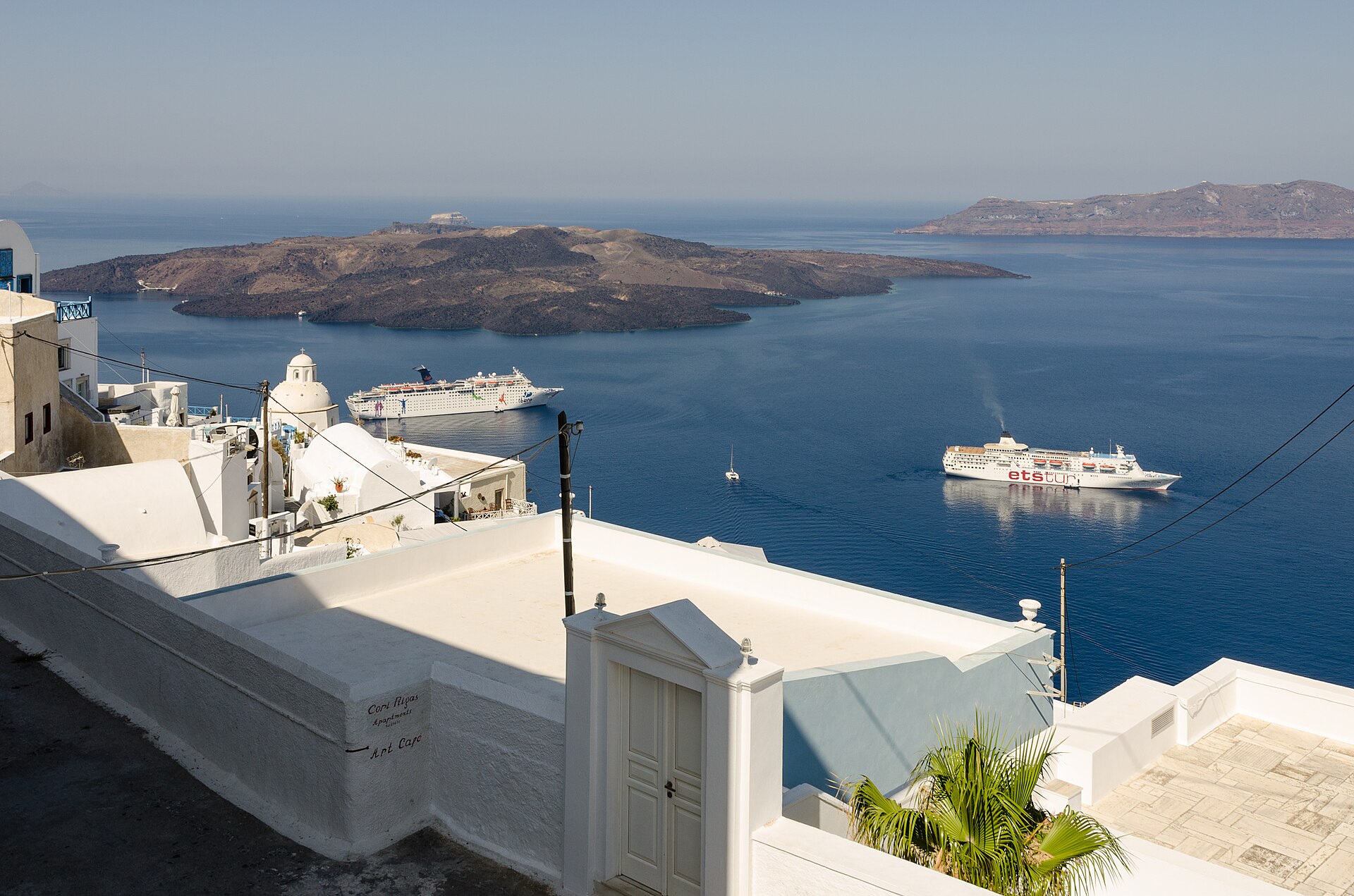
The best time to cruise the Mediterranean is late May to mid-June, or September to mid-October. Seas are swimmable, air temperatures are walkable, fares sit below peak, and the Greek landing fee drops on 1 October. July and August give you the hottest, busiest and most expensive version of exactly the same itinerary — and, less obviously, the windiest one in the Aegean.
That last point is the one every other guide omits. The reason people miss Santorini is almost never rain and almost never heat. It is the meltemi, the northerly that peaks in July and August and suspends tender operations while a berthed ship 200 miles west sails on undisturbed. We will come back to it, because it changes the answer for the Greek Isles specifically.
Below is a month-by-month table that carries air temperature, sea temperature, rainfall, the Greek levy tier and the fare band together, a calendar of the two hard price cliffs, and a straight recommendation for six different kinds of traveller. If you are still deciding on the shape of the trip rather than its date, start with our complete Mediterranean cruise guide.
At a glance: the Mediterranean cruise calendar
| Main season | April to November. MSC and Costa keep some ships in the Western Med through winter |
| Greek Isles season | Effectively April to October; thin either side |
| Adriatic season | May to October, the shortest of the three regions |
| Best overall | Late May to mid-June, and September to mid-October |
| Best for swimming | August and September — Athens sea peaks at 79°F (26°C) in August |
| Best for walking and ruins | April, May and October |
| Cheapest | April and November, with a measured spread of up to about $60 per person per night against midsummer |
| Windiest in the Aegean | July and August, when the meltemi is at maximum strength and duration |
| Wettest | November. Rome averages 15 rainy days and its wettest month at 117 mm |
| Price cliffs | 1 June and 1 October, when the Greek cruise passenger fee steps between €12 and €20 at Santorini and Mykonos |
| Booking window | 6 to 12 months ahead for Europe, which is Princess’s own published advice |
| Currency note | Conversions use €1 = $1.1592, the European Central Bank reference rate of 11 September 2026 |
When is Mediterranean cruise season?
Mediterranean cruise season runs from April to November, with the fleet at its largest between May and September. The Greek Isles season is shorter, effectively April to October. A handful of ships — mostly MSC and Costa — sail the Western Mediterranean year round, which is why you can find a December Barcelona departure even though almost nobody markets one.
The shape of the season is set by ship redeployment rather than weather. Most vessels that work the Mediterranean in summer cross to the Caribbean for winter, which is why fares fall sharply in late October and November: the line is repositioning the ship anyway and would rather do it with paying passengers aboard.
| Period | Fleet size | What sails | Character |
|---|---|---|---|
| December–March | Very small | MSC, Costa, a little Western Med and the Canaries | Cheap, cool, many island tavernas shut |
| April | Building fast | The season opens; transatlantic crossings arrive | Cool seas, excellent walking, lowest fares |
| May–June | Near full | Everything, all three regions | The best balance in the year |
| July–August | Full | Everything, at peak price | Hottest, busiest, windiest in the Aegean |
| September | Full | Everything; European school holidays end | Warmest seas, crowds easing, fares still high |
| October | Thinning | Greek season winds down mid-month | Our pick for value; levy drops on the 1st |
| November | Small | Westbound repositioning crossings | Cheapest, wettest, season effectively over |
Month by month: temperature, sea, rain, crowds and cost
Here is everything that varies, in one place. Air temperatures are daily maximums. Sea temperatures are monthly averages. The levy column is the Greek cruise passenger fee at Santorini and Mykonos, which is charged per person per call and only if you go ashore.
| Month | Barcelona air | Rome air | Athens air | Athens sea | Dubrovnik sea | Athens rainy days | Greek levy | Fares |
|---|---|---|---|---|---|---|---|---|
| January | 57°F / 13.6°C | 54°F / 12°C | 54°F / 12°C | 59°F / 15°C | 57°F / 14°C | 8 | €4 | Lowest |
| February | 58°F / 14.3°C | 55°F / 13°C | 55°F / 13°C | 57°F / 14°C | 57°F / 14°C | 9 | €4 | Lowest |
| March | 61°F / 16.1°C | 61°F / 16°C | 59°F / 15°C | 57°F / 14°C | 57°F / 14°C | 8 | €4 | Low |
| April | 64°F / 18.0°C | 64°F / 18°C | 66°F / 19°C | 59°F / 15°C | 59°F / 15°C | 7 | €12 | Low |
| May | 70°F / 21.1°C | 73°F / 23°C | 75°F / 24°C | 64°F / 18°C | 64°F / 18°C | 5 | €12 | Low to mid |
| June | 77°F / 24.9°C | 81°F / 27°C | 84°F / 29°C | 72°F / 22°C | 72°F / 22°C | 2 | €20 | Mid to high |
| July | 82°F / 28.0°C | 86°F / 30°C | 90°F / 32°C | 77°F / 25°C | 75°F / 24°C | 1 | €20 | Peak |
| August | 83°F / 28.5°C | 86°F / 30°C | 88°F / 31°C | 79°F / 26°C | 77°F / 25°C | 2 | €20 | Peak |
| September | 79°F / 26.0°C | 81°F / 27°C | 82°F / 28°C | 77°F / 25°C | 73°F / 23°C | 2 | €20 | High, falling |
| October | 72°F / 22.1°C | 72°F / 22°C | 72°F / 22°C | 72°F / 22°C | 70°F / 21°C | 6 | €12 | Low to mid |
| November | 63°F / 17.3°C | 63°F / 17°C | 64°F / 18°C | 68°F / 20°C | 64°F / 18°C | 9 | €4 | Lowest |
| December | 58°F / 14.3°C | 55°F / 13°C | 57°F / 14°C | 63°F / 17°C | 59°F / 15°C | 10 | €4 | Lowest |
Three things fall out of that table that no brochure will tell you.
- The sea lags the air by about two months. October water in Athens averages 72°F (22°C). June water in Barcelona averages 68°F (20°C). If swimming is the point of the trip, autumn beats early summer and it is not close.
- Athens is genuinely dry in summer. One rainy day in July, two in August. The trade-off for the heat is a near-certainty of clear port days, which matters more than people think when the day involves an open archaeological site.
- The levy and the fare do not move together. Fares start falling in September while the Greek fee stays at €20 until 30 September. The first week of October is the single moment in the year when both move in your favour at once.
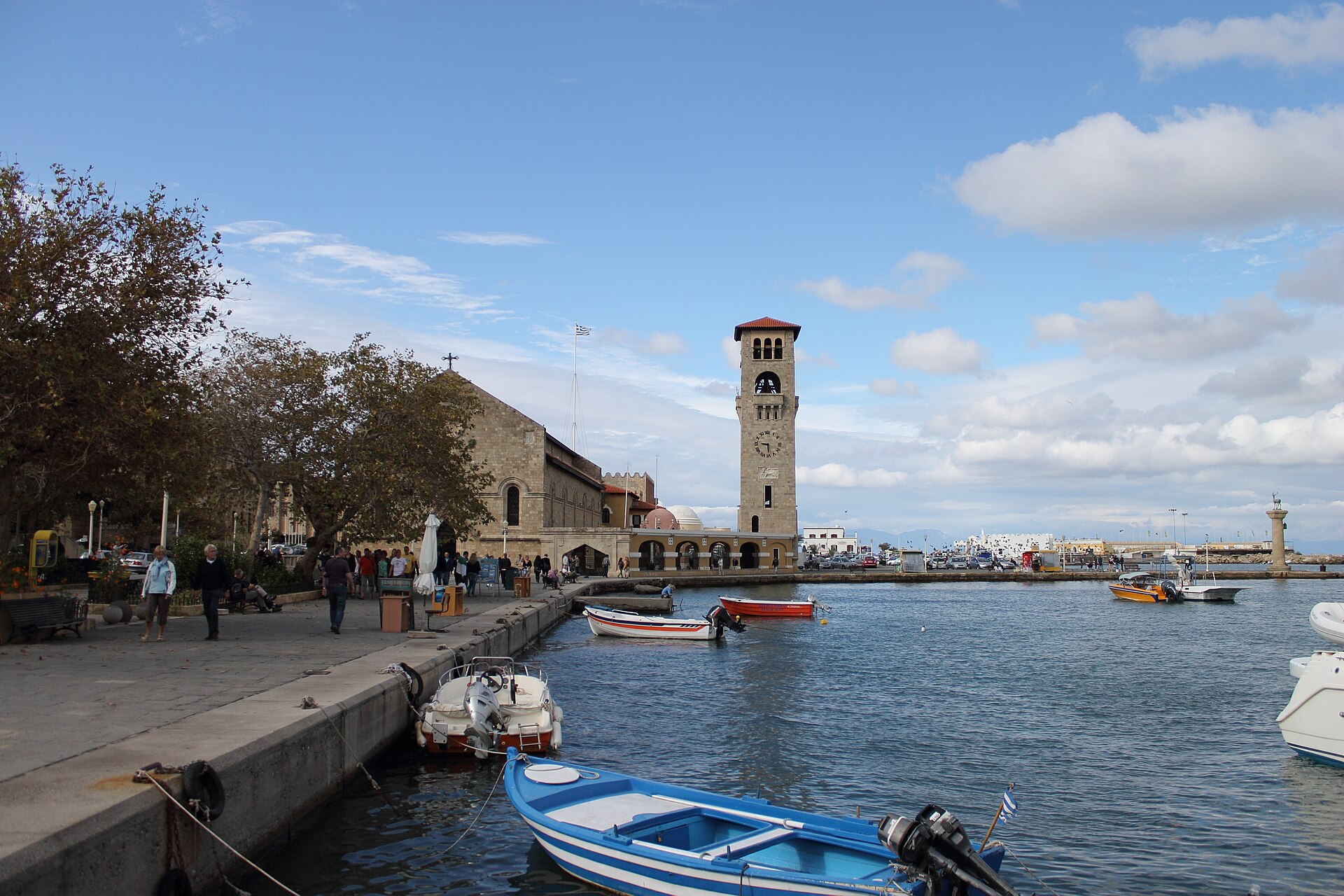
The best time to cruise the Mediterranean, by what you actually want
There is no single answer, because “best” depends entirely on which of six things you are optimising for. Here is our recommendation for each, with the reasoning stated so you can disagree with it.
| If you want… | Go in | Why | What you give up |
|---|---|---|---|
| The best all-round trip | Late May to mid-June | Warm but not punishing, long daylight, everything open, before the meltemi peaks and before the €20 levy tier really bites on a Greek route | Sea is still cool by August standards |
| The best value | Early to mid-October | Fares have dropped, the Greek levy falls to €12 on the 1st, the sea is warmer than June, crowds have gone home | Shorter days; the Greek season winds down by month end |
| Swimming and beach days | Late August to mid-September | Athens sea peaks at 79°F (26°C) in August and holds 77°F (25°C) through September | Peak prices and peak crowds in August |
| Ruins, walking, photography | April to mid-May, or October | Cool enough to spend four hours on your feet at Pompeii or Ephesus without it becoming an endurance event | Cold water, a real chance of rain in April |
| Avoiding crowds | April, or the second half of October | Santorini’s cap of 8,000 cruise passengers a day is far from binding outside high summer | Some island businesses are shut; fewer itineraries |
| Families tied to school holidays | Late June or late August | The shoulders of the school break are meaningfully cheaper and cooler than mid-July | You are still cruising in peak season |
If you force us to pick one fortnight for a first Mediterranean cruise from North America, it is the last week of September into the first week of October. The water is at its warmest for the year, the European school holidays have ended, fares have begun their autumn slide, and on 1 October the Greek landing fee at Santorini and Mykonos falls from €20 to €12 per person per call. Nothing else in the calendar stacks that many small advantages in one place.
What is the best month for a Mediterranean cruise?
September is the best single month for a Mediterranean cruise. The sea is at or near its annual peak, Athens averages two rainy days, European school holidays have ended so the ports empty out mid-month, and fares fall steadily through the month. Its one drawback is that the Greek €20 landing fee stays at peak tier until 30 September.
May is the close runner-up and wins outright if you are more interested in walking than swimming. October wins on money. Here is the ranking with our reasoning, and it is a ranking, not a fact.
| Rank | Month | The case for it | The case against |
|---|---|---|---|
| 1 | September | Warmest seas, drying crowds, falling fares, reliable weather | Levy still €20; early September is still busy and expensive |
| 2 | May | Comfortable everywhere, long days, low fares, everything open | Sea at 64°F (18°C) in Athens is brisk |
| 3 | October | Best value in the year; sea warmer than June; levy drops | Greek season ends mid-month; days shorten |
| 4 | June | Long daylight, warm water, full fleet | Levy jumps to €20 on the 1st; meltemi begins in earnest |
| 5 | April | Cheapest sailing month; superb for ruins and cities | Cold water; rain; some island infrastructure still waking up |
| 6 | August | Hottest water; everything running | Hottest air, densest crowds, dearest fares, peak meltemi |
| 7 | July | As August, marginally hotter air in Athens | All of the above, plus peak wind disruption in the Aegean |
| 8 | November | Rock-bottom fares; repositioning crossings | Wettest month; the season has effectively ended |
The meltemi: the wind that cancels your Santorini day
The meltemi is a strong, dry northerly that blows across the Aegean. It can occur any time from May to October, is most frequent from June to September, and reaches maximum strength and duration in July and August. It is the single most important seasonal fact about Greek Isles cruising and it appears on none of the pages currently ranking for this query.
Why it matters to a cruise passenger and not to a land tourist comes down to one word: tendering. A tender is a small boat that ferries passengers ashore when the ship anchors instead of docking. Santorini always tenders, because the caldera is too deep to berth in. Mykonos usually docks at the New Port but tenders on busy days. A tender operation is suspended by wind and swell long before a berthed call would be affected — so the same weather that is merely breezy in Barcelona cancels your Santorini morning entirely.
Mid-August 2026 gave a dated illustration. The National Observatory of Athens recorded an intensified meltemi across the Aegean on 14 August, with gusts above 100 km/h at several locations; Tinos recorded 93 km/h that day and 104 km/h on 15 August. Commercial high-speed catamarans in the same waters are typically suspended around Beaufort 7 to 8. Santorini to Mykonos is the most disruption-prone open-Aegean leg there is, and it is on almost every Greek Isles itinerary.
| Month | Meltemi risk | Practical effect on a Greek Isles cruise |
|---|---|---|
| April–May | Low | Occasional; tender calls almost always operate |
| June | Moderate and rising | Isolated disruption, usually a delayed rather than cancelled tender |
| July–August | Highest | Maximum strength and duration; the months in which Santorini calls are most often missed or shortened |
| September | Moderate, easing | Still active early in the month, usually settling by mid-September |
| October | Low | Autumn low-pressure systems replace it; rain becomes the variable instead |
The practical conclusion is narrower than “avoid August”. If the Greek Isles are the point of the trip and Santorini is the photograph you want, June or late September gives you a materially better chance of actually landing there than July or August does. If you are cruising the Western Mediterranean, where almost every port is a berth, the meltemi is somebody else’s problem.
Is it too hot to cruise the Mediterranean in July and August?
Not universally, but it is too hot for the port days most people book. Athens averages 90°F (32°C) in July and Rome 86°F (30°C). Heat becomes an operational problem, not a comfort one: on 8 July 2025 the Acropolis closed until 17:00 for the safety of staff and visitors, with Athens forecast at 38°C (100°F) and outdoor work paused between noon and 5pm in several Greek regions.
Read that again in cruise terms. Your ship is alongside from 08:00 to 17:00. The headline site is shut for the part of the day you are there. No cruise line refunds a shore excursion because a monument closed for heat, and no itinerary is re-timed around a forecast.
The exposure is not evenly distributed, which is the useful part.
| Port day type | Example | August risk |
|---|---|---|
| Open archaeological site, long transfer | Ephesus from Kusadasi, Olympia from Katakolon, Pompeii from Naples | High. Little shade, four hours on your feet, coach either side |
| Clifftop or hilltop town | Fira on Santorini, Taormina from Messina, Upper Rock in Gibraltar | High. Climbing, queuing, exposed |
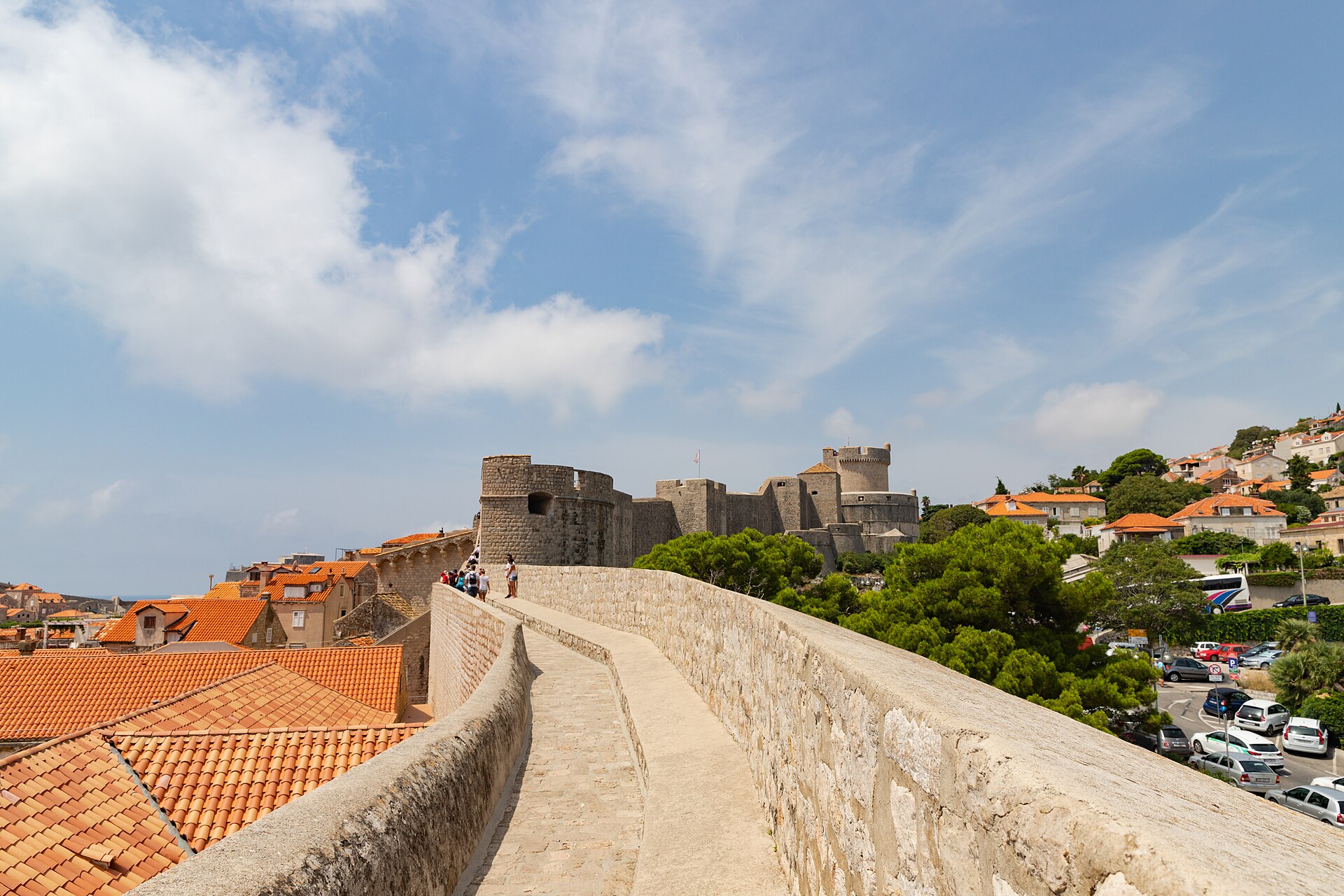
| Walled city on the flat | Dubrovnik walls, Rhodes Old Town, Valletta | Moderate. Stone radiates heat; the Dubrovnik wall circuit has almost no shade |
| Big city with museums | Rome, Barcelona, Marseille | Low to moderate. Air conditioning exists; plan indoors for midday |
| Beach or swim day | Mykonos, Ibiza, the Croatian islands | Low. August is genuinely the right month for this |
So the honest version is: August is the wrong month for a ruins-and-old-towns itinerary and the right month for a swimming one. If you are locked into midsummer by school holidays, choose the itinerary accordingly rather than assuming every Mediterranean cruise is equally affected. And check opening hours on the site’s own pages the week you sail — the Greek Ministry of Culture publishes them on its own portal, and Pompeii publishes its seasonal time slots, which between 16 March and 14 October are 09:00 to 13:00 capped at 15,000 visitors and 13:00 to 17:30 capped at 5,000.
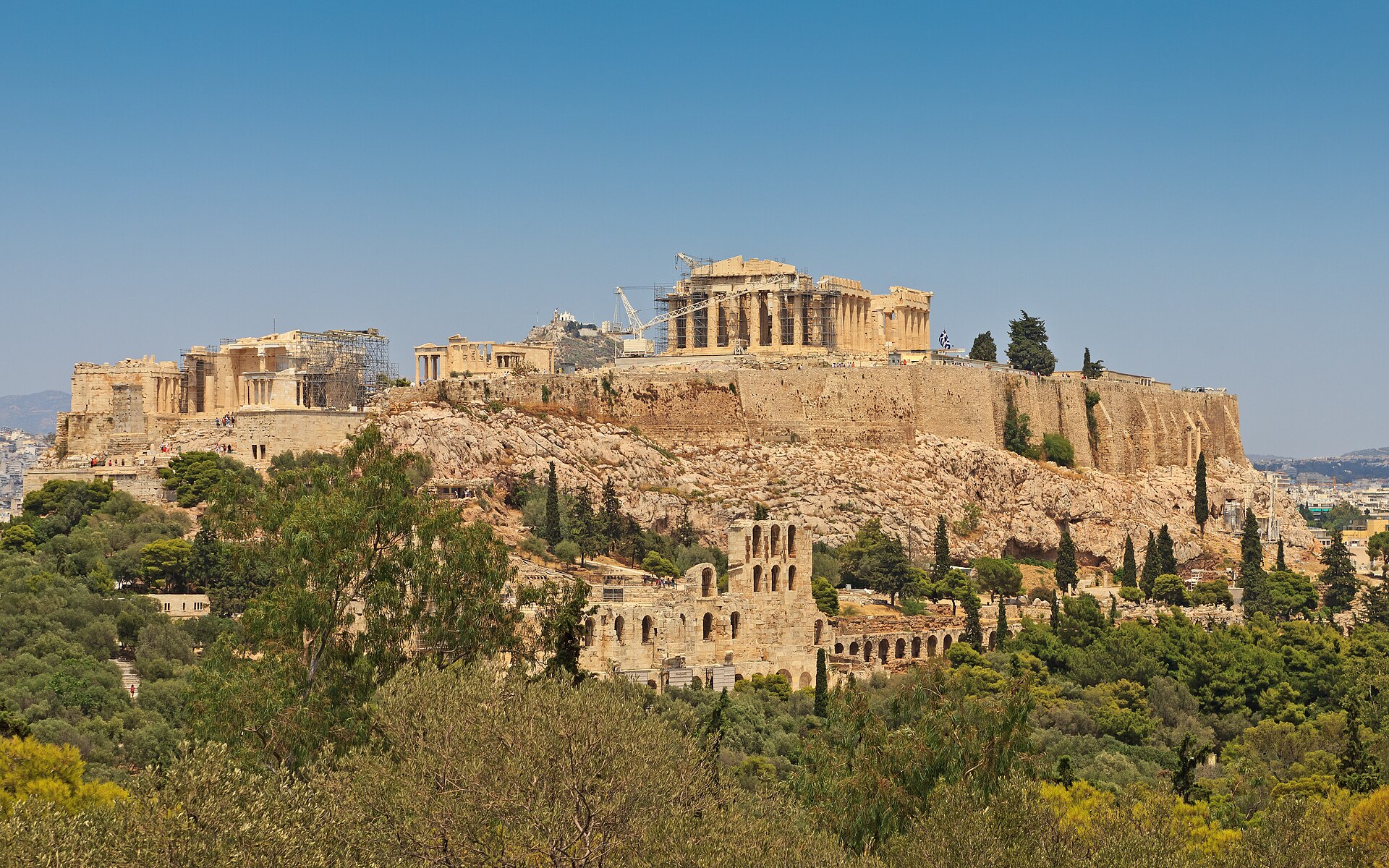
The price calendar: fares, levies and the two hard cliffs
Two things move your total across the calendar: the fare, which slides gradually, and the destination levies, which step. The steps are worth planning around because they are large, they are certain, and almost nobody prices them.
| Period | Santorini & Mykonos | All other Greek ports | A Greek week for two, five Greek calls |
|---|---|---|---|
| 1 June – 30 September | €20 | €5 | €110, about $128 |
| 1 April – 31 May, 1 – 31 October | €12 | €3 | €66, about $77 |
| 1 November – 31 March | €4 | €1 | €22, about $26 |
Barcelona charges separately and does not vary by season: €11 per short-stay cruise passenger, being a €6 Catalan rate plus a €5 city surcharge. A proposed rise to €30 a day has council agreement but still needs the Catalan Parliament and has no effective date, and cruises starting or ending in Barcelona would be exempt from the increase.
On fares, the measured seasonal spread on the same mainstream itinerary reaches about $60 per person per night between spring and midsummer sailings. Over a week for two that is roughly $840 — more than the Greek levy, the Barcelona charge and a week of gratuities put together. April and November are the best value months on fare alone; October is the best value month once you weigh what you actually get for the money. Our full Mediterranean cruise cost guide works all of this into three complete line-item budgets.
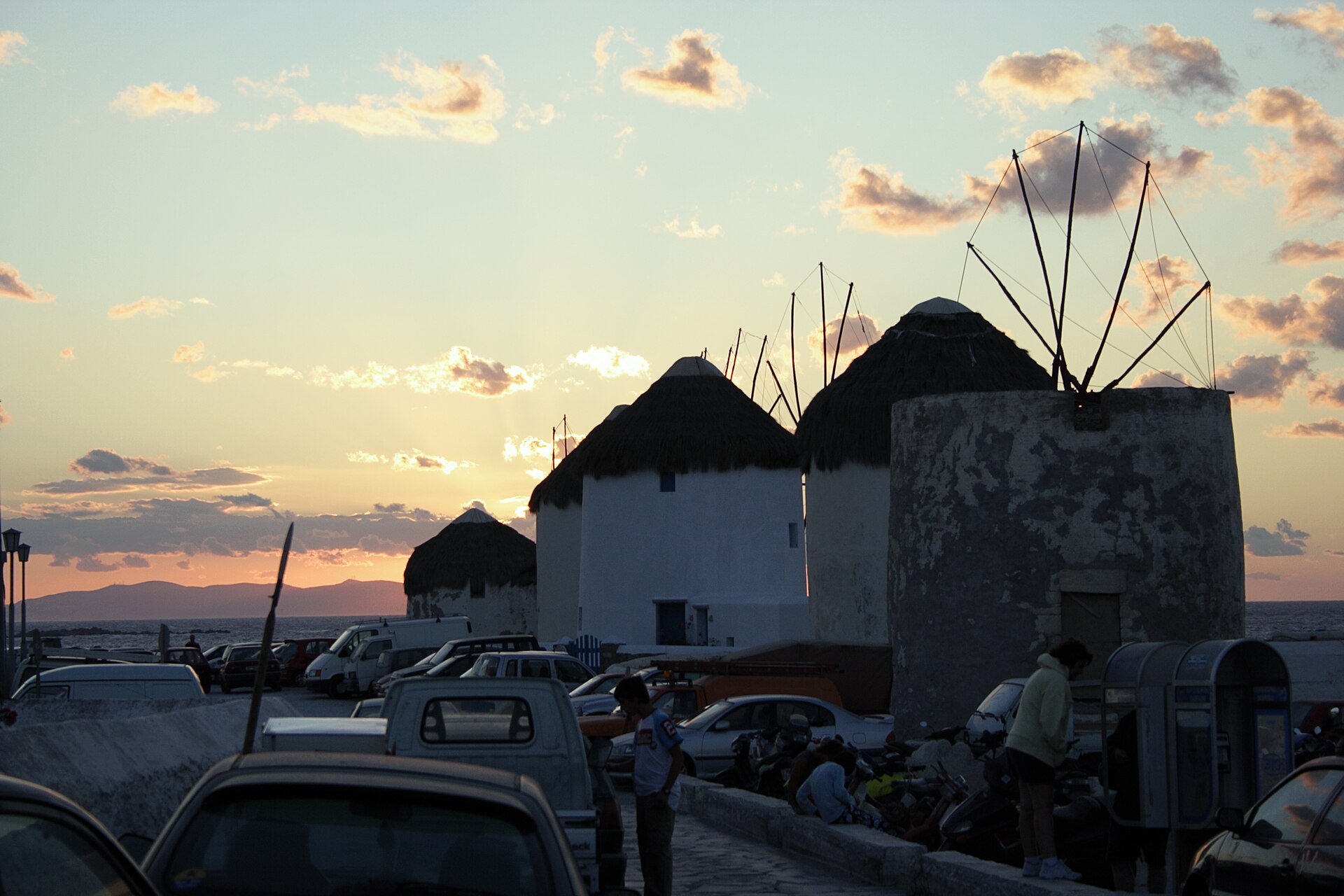
Crowds, caps and what a port actually feels like by month
Crowding in the Mediterranean is not a smooth curve. It is governed by how many ships a port physically allows alongside on a given day, and several of the headline ports now cap that number by regulation. Those caps are a timing fact: they change what May feels like versus August more than any weather figure does.
Santorini operates a hard cap of 8,000 cruise passengers a day, set by the Thira Municipal Port Fund under a ranked berth allocation. For 2026 the island counted ships at 100% of capacity, up from 80% previously, and scheduled calls fell to 595 from 728 in 2025 — a drop of about 18%. In practice the cap binds in July and August and is nowhere near binding in April or late October.
Dubrovnik’s 2026 berthing regulations cap simultaneous visitors at 4,000, alongside a long-standing agreement limiting the port to two ships a day and 5,000 passengers. Some outlets report the figure as 8,000; the sources genuinely conflict, so treat it as a range rather than a number. About 461 calls and 661,094 passengers were expected in 2026. Corfu confirmed 562 calls for 2026, up 20.3% year on year — a useful reminder that “less crowded than Dubrovnik” is not the same as uncrowded.
Venice is the structural exception. Ships of 25,000 gross tons or more, or over 180 metres, have been barred from the Giudecca Canal since 1 August 2021; large ships use Marghera or Fusina, and Ravenna and Trieste have taken over as Adriatic homeports. A reported Q2 2027 reopening of the Stazione Marittima for ships up to 60,000 GT is unconfirmed and should not be planned around.
What is the cheapest month to cruise the Mediterranean?
November is the cheapest month to cruise the Mediterranean, with April close behind. The measured seasonal spread reaches about $60 per person per night against midsummer on the same mainstream itinerary, and the Greek landing fee falls to €4 per call on 1 November. The trade-off is real: November is the wettest month, and the Greek season has effectively ended.
The cheapest way to reach the Mediterranean at all is a westbound or eastbound transatlantic repositioning crossing. Interior fares of $700 to $1,200 for 14 to 16 nights work out at roughly $70 to $90 per person per night, and you arrive in Europe without a red-eye. Eastbound crossings run March to May, westbound September to November. The catch is the one-way flight, which can add $400 to $1,000 or more and quietly erase the saving.
A caution on wave season. January to March is when the lines run their heaviest promotions, and lines have been documented raising rack rates immediately before discounting them. A 50% off offer in February deserves a screenshot of January’s price before you treat it as a saving.
Does the region change the answer? Western, Eastern and Adriatic timing
Yes, materially. The three Mediterranean regions have different seasons, different weather risks and different crowd profiles, and a guide that gives one answer for all of them is giving you the Greek answer for a Spanish trip.
| Western Mediterranean | Eastern Med & Greek Isles | Adriatic | |
|---|---|---|---|
| Season | April–November, plus limited winter | Effectively April–October | May–October, the shortest |
| Best months | May, June, September, October | Late May, June, September | June and September |
| Main weather risk | Heat inland at Rome and Florence; mistral at Marseille | Meltemi, peaking July–August, cancelling tenders | Bora in the north; autumn rain |
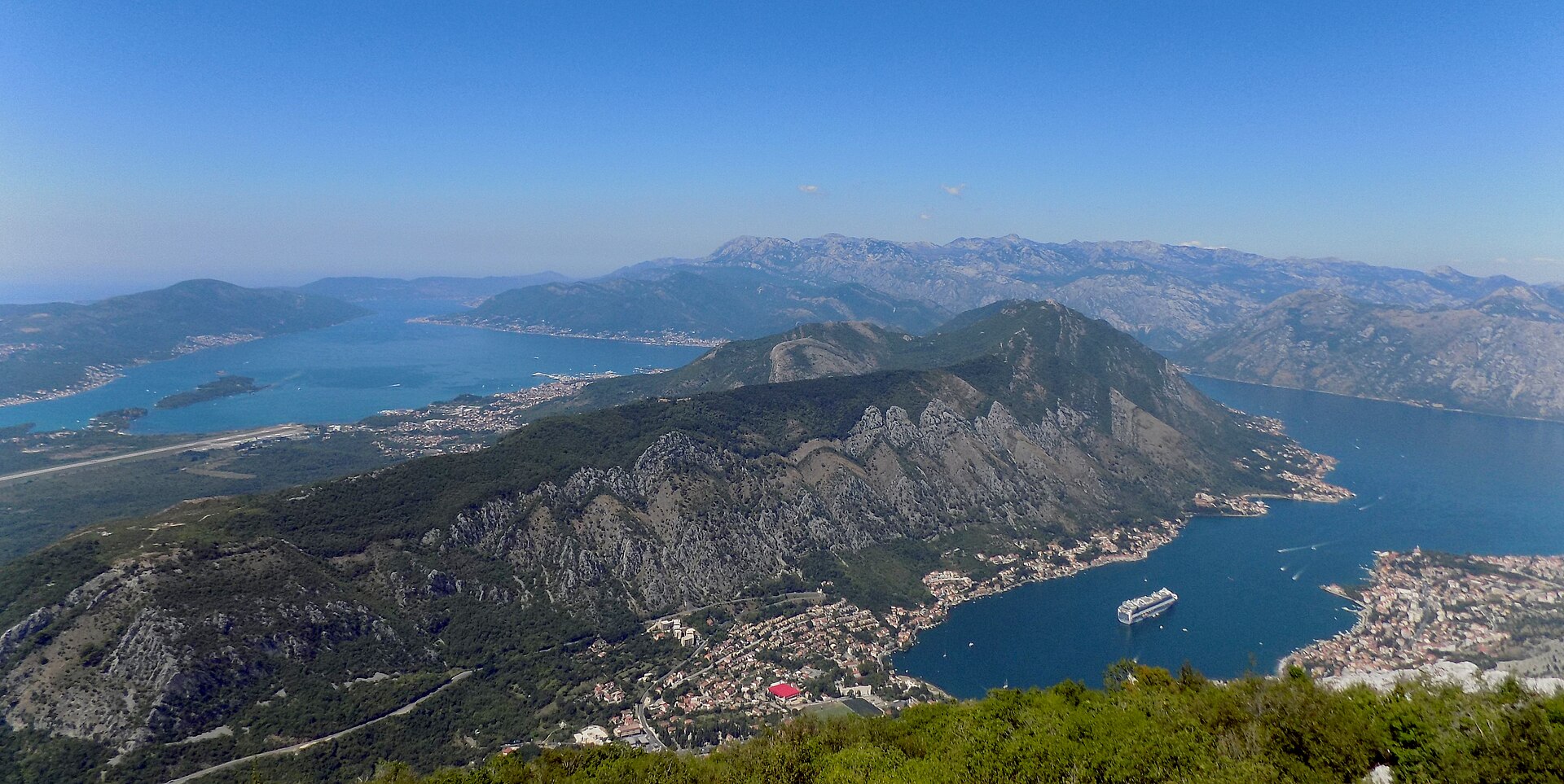
| Tender exposure | Low — Villefranche, Cannes, sometimes Capri | High — Santorini always, Mykonos often | Low — Kotor occasionally |
| Seasonal levy | Barcelona €11 flat, no seasonal step | Greek fee steps on 1 June and 1 October | None comparable |
| Crowd caps | Barcelona absorbs about 3.9 million cruise passengers a year | Santorini capped at 8,000 a day | Dubrovnik 4,000–5,000, two ships a day |
| Winter sailings | Yes, MSC and Costa | Almost none | None |
If you are cruising the Western Mediterranean, the calendar is forgiving and you can reasonably sail any month from April to early November. If you are cruising the Greek Isles, the calendar is doing more work than you think, and late September is the best compromise between warm sea, settled wind and a levy that is about to drop.
Do Mediterranean cruises run in winter?
A few do. MSC and Costa keep some ships in the Western Mediterranean through the winter, sailing Spain, Italy, Malta and occasionally Morocco and the Canaries. The Eastern Mediterranean and the Greek Isles effectively close: the fleet crosses to the Caribbean, and island infrastructure — tavernas, museums, cable cars, boat trips — runs on a reduced schedule or not at all.
A winter Western Med sailing is a genuine and underrated proposition if you want cities rather than beaches. Barcelona at 57°F (13.6°C) in January is a perfectly good city day. Rome at 54°F (12°C) is better than Rome at 86°F (30°C) for actually walking around it. Fares are at their lowest, ships are quiet, and the Greek levy — if your route touches Greece at all — drops to €1 to €4.
What you lose is daylight, swimming and reliability. Rome averages 14 rainy days in January, and a wet November or December port day in a place with no indoor plan is a long day. Go in winter for Barcelona, Rome, Valletta and Palermo. Do not go in winter for islands.
When to book, as opposed to when to sail
Book a European cruise six to twelve months ahead. That is Princess’s own published advice and it matches what the market does: Mediterranean ships are smaller and fill earlier than Caribbean ones, and the cheapest cabins in the shoulder months go first. Genuine last-minute Mediterranean bargains are rare.
Two dates matter more than the rest. Deployment announcements, usually made 15 to 24 months ahead, are when the full inventory opens and when the best cabins on the best itineraries are available — Royal Caribbean announced its 2027 European season on 29 October 2025, for example. And wave season, January to March, is when the promotions run, with the caveats noted above.
One practical sequencing note that costs people real money: price the flights before you commit to the cruise, not after. The best Mediterranean itineraries are frequently one-way — Barcelona to Rome, Rome to Athens — which needs an open-jaw ticket. Open-jaw fares are usually more expensive and occasionally much more expensive, and a month that looks cheap for cruising is not always a cheap month to fly.
The month and the route interact more than either one alone. Our guide to Mediterranean cruise itineraries takes two real published 2027 sailings and reproduces them hour by hour, then converts the ship’s time alongside into the hours you actually spend ashore — and counts the tender ports, which is where the meltemi does its damage.
Nowhere in the Mediterranean does the calendar matter as much as it does in the Aegean. Our Greek islands cruise guide compares every way of doing the trip — big ship, Greek specialist, small ship under sail, luxury and the ferries — and sets out the Santorini tender, the island’s 8,000-a-day cap and the two dates on which the landing fee steps.
The wind question is really a port question. Our Greek cruise ports guide sets out which calls tender and which dock, which is what decides whether a meltemi day costs you Santorini or just blows your hat off in Rhodes.
The Western Med has the longest season of any region, and it is the one place where a winter cruise is a realistic option. Our Western Mediterranean cruise guide sets out Barcelona and Rome month by month, including which ships stay in the region through winter 2027–28.
Timing is only one part of a good trip. Our Mediterranean cruise tips cover the rest: choosing call lengths, budgeting for gratuities and fees, documents for 2026–27, and how to pace a port-intensive week.
Where this guide goes deeper
This page is the seasonal hub. The guides beneath it take single months and single questions in detail: Mediterranean cruise in May, Mediterranean cruise in June, Mediterranean cruise in September, Mediterranean cruise in October, Mediterranean cruise weather by month, Mediterranean cruise season dates, cheapest time to cruise the Mediterranean, Mediterranean cruise in winter, is the Mediterranean rough and what to pack for a Mediterranean cruise. Each will be linked here as it publishes.
For the money side of the calendar, the Mediterranean cruise cost guide carries the full levy schedule, gratuity rates by line and three worked budgets. For the shape of the trip itself, the main guide covers regions, lengths and homeports.
Best time to cruise the Mediterranean FAQs
What is the best time of year for a Mediterranean cruise?
Late May to mid-June and September to mid-October. Both windows give you warm but walkable air temperatures, swimmable seas, fares below peak and ports that are busy rather than overwhelmed. September has the warmest water of the year; May has the best conditions for walking and ruins.
Is October too late for a Mediterranean cruise?
Not for the first half. Athens averages 72°F (22°C) air and 72°F (22°C) sea in October, which is warmer water than June, and the Greek landing fee drops on the 1st. The Greek season winds down towards the end of the month, so sail in the first two weeks rather than the last two.
What are the best months for calm seas?
May, June and late September. The Mediterranean is generally a gentle sea for a large ship, but the Aegean in July and August is the exception because of the meltemi, which peaks in those two months and is the main cause of cancelled tender calls at Santorini and Mykonos.
When is the cheapest time to cruise the Mediterranean?
November, then April. The seasonal spread on the same mainstream itinerary reaches about $60 per person per night against midsummer, and the Greek levy falls to €4 per call on 1 November. A transatlantic repositioning crossing in spring or autumn is cheaper again at roughly $70 to $90 per person per night.
Is August too hot for a Mediterranean cruise?
For a ruins-and-old-towns itinerary, yes. Athens averages 88°F (31°C) in August and the Acropolis has closed for heat before, shutting until 5pm on 8 July 2025. For a swimming itinerary in the islands, August is genuinely the right month — the sea reaches 79°F (26°C). Match the month to the itinerary rather than avoiding the month.
What is the best time to cruise the Greek Islands specifically?
Late September. The sea is at 77°F (25°C), the meltemi has usually eased, European school holidays have ended, and fares have started falling. Move a week later into early October and the landing fee drops from €20 to €12 as well, at the cost of shorter days and a season that is closing.
Which month has the fewest crowds?
April, or the second half of October. Santorini’s cap of 8,000 cruise passengers a day binds in July and August and is nowhere near binding in either shoulder. The trade-off in April is that some island businesses have not opened for the season; in late October, some have already closed.
Do I need to worry about rain on a Mediterranean cruise?
Only at the edges of the season. Athens averages one rainy day in July and two in August, rising to nine in November. Rome is wetter throughout and has its wettest month in November at 117 mm across about 15 rainy days. Between May and September, rain is not a planning factor on most itineraries.
Is there a bad time to cruise the Western Mediterranean?
Not really, which is what makes it the better first Mediterranean cruise. The Western season runs April to November with some winter sailings, almost every port is a berth rather than a tender, and there is no seasonal levy step. Midsummer is hot inland at Rome and Florence, but the itinerary works in any month you can sail it.
How we researched this guide
The SERP for this query was checked on 12 September 2026. The longest page-one result was an operator’s month-by-month guide at roughly 2,400 words giving Celsius bands only; the cruise-line pages ranking alongside it carry no numerical climate data at all. None of them mentions the meltemi, the Greek landing fee or the port caps, which is why this page is structured the way it is.
Air and sea temperatures come from Barcelona Airport 1981–2010 station normals and from weather2travel, checked September 2026. Santorini, Naples and Marseille are not published on comparable terms, so we have left them out rather than fill the cells with approximations. Meltemi seasonality and the mid-August 2026 gust readings from the National Observatory of Athens were checked on 12 September 2026; you can follow current Greek conditions on the Observatory’s own forecast service. Levy figures come from the Greek cruise passenger fee schedule in force since 21 July 2025 and Barcelona’s published charge, re-checked on 11 September 2026. Cap and closure figures come from the Thira Municipal Port Fund’s berth allocation decision, Dubrovnik’s 2026 berthing regulations and the Venice large-ship rules; where sources conflict, as they do on Dubrovnik’s simultaneous-visitor limit, we have given the range and said so. Deployment commentary reflects published 2026–27 announcements. Currency conversions use the European Central Bank reference rate of €1 = $1.1592 on 11 September 2026.
Where this page ranks months or recommends a fortnight, that is our judgement and we have shown the reasoning so you can weigh it differently. We have not sailed every month in every region and do not claim to have; the rankings are built from the published climate, price and regulatory data above, not from anecdote.
Image credits
| Image | Photographer | Licence |
|---|---|---|
| Cruise ships in the Santorini caldera, seen from Fira | Norbert Nagel | CC BY-SA 3.0, via Wikimedia Commons |
| Mandraki Harbour, Rhodes, in October | Ian Griffiths | CC BY 2.0, via Wikimedia Commons |
| The Acropolis from Philopappos Hill, Athens | A.Savin | CC BY-SA 3.0, via Wikimedia Commons |
| The city walls of Dubrovnik | dronepicr | CC BY 2.0, via Wikimedia Commons |
| The lower windmills, Chora, Mykonos | Zde | CC BY-SA 4.0, via Wikimedia Commons |
| Bay of Kotor, Montenegro | Milica Buha | CC BY-SA 4.0, via Wikimedia Commons |
| Moll Adossat, Port of Barcelona | Jordiferrer | CC BY-SA 4.0, via Wikimedia Commons |
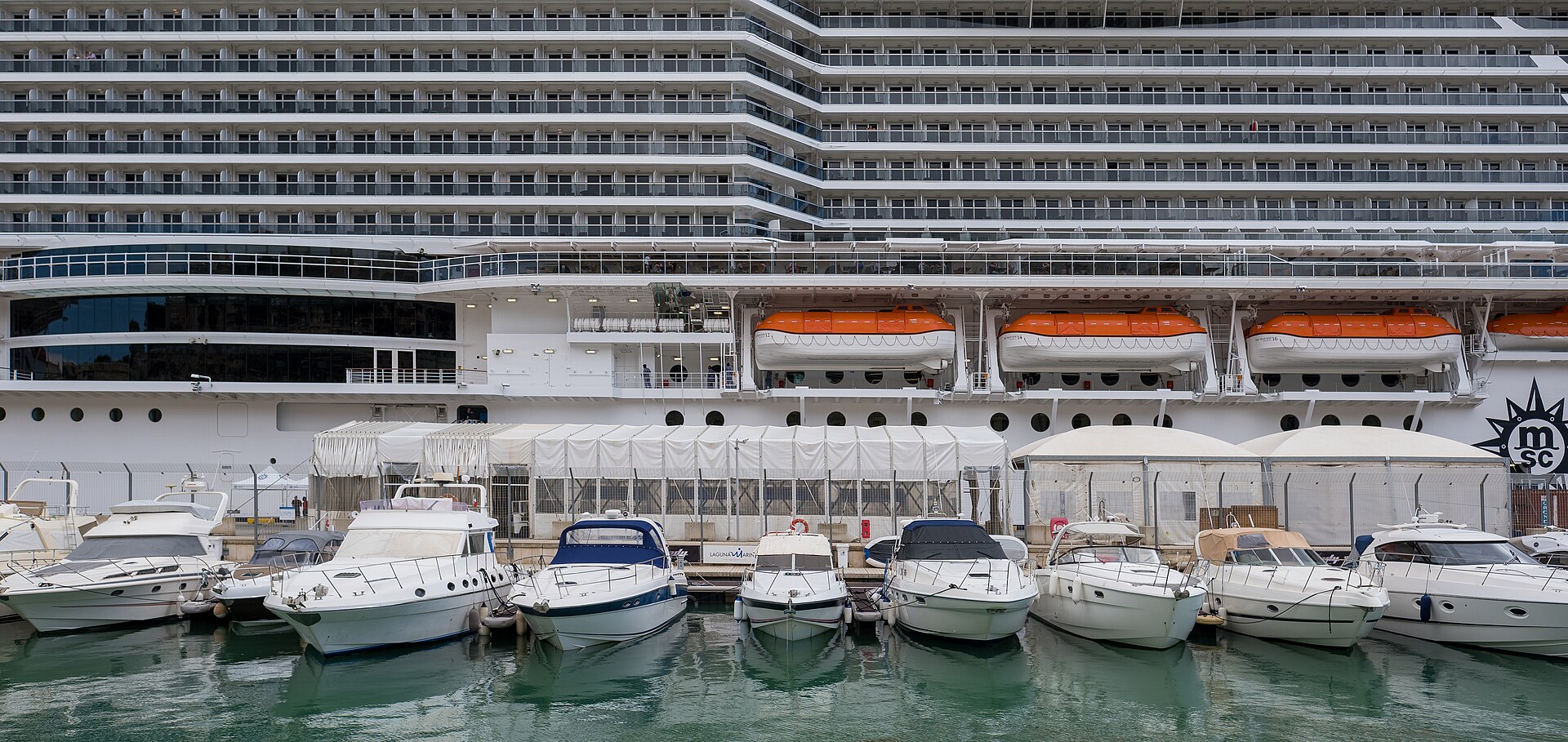
| Valletta Waterfront, Malta | Jules Verne Times Two | CC BY-SA 4.0, via Wikimedia Commons |
Published 13 September 2026. Climate, fee and regulatory figures were checked on 11 and 12 September 2026 and will change — verify anything you are about to pay for or plan around.