A Mediterranean cruise with kids works best with children of about six and up, on a family-focused line such as Royal Caribbean, Norwegian, MSC, Disney, Princess or Carnival, in June or early September, on an itinerary with at least one sea day and plenty of walk-off ports. Babies and toddlers can sail too, from six months on most lines, but Mediterranean days are walking days, and that changes everything about how you plan them.
That is the part the brochures leave out. A Caribbean family cruise is a floating resort with the occasional beach stop. A Mediterranean one is five or six port days a week in cities built before strollers, in summer heat, with the single most interesting history lesson your children will ever get waiting at the end of a coach ride. Done well, it is one of the best family trips there is. Done like a Caribbean week, it produces a lot of tired, sticky people on a bus. This guide covers which lines and ships suit which ages, what a family actually pays, which ports work with a stroller, which sights let children in free, and a realistic week, day by day. For the wider planning picture, start with our complete Mediterranean cruise guide.
A Mediterranean cruise with kids at a glance
| Best ages | Roughly 7 to 14 in our view: old enough to walk a Roman site and remember it, young enough to love the kids’ club. Teens do best on city-heavy routes |
| Family lines in the Med for 2027 | Royal Caribbean, Norwegian, MSC, Disney (its first European season on the Disney Wish), Princess and Carnival |
| No children at all | Viking and Virgin Voyages are 18+, as is Oceania for bookings made since January 2026. Saga, sailing from the UK, is 50+ |
| Minimum age for babies | Six months on most Mediterranean sailings; twelve months on transatlantic repositioning crossings and on Royal Caribbean cruises with three or more sea days in a row |
| Kids’ clubs | From age 3 on most lines (2 on Carnival), usually free in the daytime and only for potty-trained children. Nurseries for under-threes charge by the hour. Clubs run shorter hours on port days |
| Children’s fares | Third and fourth guests in a cabin usually pay less. MSC runs near-permanent “kids sail free” offers. Taxes, port fees and usually gratuities are still charged per child |
| Free sights | The Colosseum and Pompeii are free for all under-18s with a timed ticket. The Acropolis is free for non-EU under-18s with a €0 timed ticket |
| Hottest months | July and August, exactly when US schools are out: Athens averages 90°F (32°C) in July |
| Paperwork | Every child needs a passport, valid six months beyond the cruise for most lines. ETIAS waives its fee for under-18s but still needs an application once it launches |
| Biggest mistake | Planning a Caribbean week. Choose one outing per port and use the ship for the rest |
Is a Mediterranean cruise good for kids?
Yes, for most children over five, and especially for curious eight- to fourteen-year-olds. The ship solves the hard parts of Europe with children — packing and unpacking, restaurants, bedtime — while the ports supply the real history. The trade-off is pace: five or six port days a week means early starts and a lot of walking.
The phrase to understand is “port-intensive”. The cruise industry uses it for itineraries where the ship is in port most days and at sea only for a day or two a week, and the Mediterranean is the most port-intensive cruising region there is. Norwegian says its ships there spend more than 90% of their time in port, averaging nearly 11 hours alongside. That is marvellous for adults who want to see Rome, Florence and Athens in one week. For a family, it means the ship’s famous attractions — the waterslides, the kids’ club, the surf simulator — get used far less than they would on a Caribbean cruise, because you are ashore most of the daylight hours.
The case for doing it anyway is strong. A land trip through the same countries with children means packing up every two or three days, finding restaurants that will feed a seven-year-old at 7pm in a country that dines at 9, and hiring cars with the right car seats. On a ship, your children’s bedroom moves with you, dinner is at whatever time you like, and there is always a pool at the end of the day. Many families find it is also cheaper than the equivalent land trip once hotels and meals are counted.
The case against is also real, and we would rather say it plainly. Children under about five get relatively little from a day at Pompeii and a great deal of heat and walking. Teenagers can find a string of 7am starts and coach tours a punishment. And the weeks when American families can travel, in July and August, are the weeks when the Mediterranean is at its hottest, most crowded and most expensive. None of that is a reason not to go. All of it is a reason to plan the trip around the children you actually have.
What age is best for a Mediterranean cruise with children?
Roughly seven to fourteen is the sweet spot: old enough to walk a Roman site and remember it, young enough to love the kids’ club and the pool. Babies can sail from six months on most lines, but strollers, heat and naps make port days harder. Teenagers get the most from city-heavy routes.
| Age | What works | What is hard | Our advice |
|---|---|---|---|
| Under 2 | Nurseries on Royal Caribbean and Disney (about six months to three years, hourly fee); cabin naps; sea days | Cobbles, stairs, heat, nap timing across five or six port days, getting a stroller onto a tender | Choose a line with a nursery, bring a carrier, plan one short outing per port and be back for the afternoon nap |
| 2 to 5 | Kids’ clubs from three on most lines, two on Carnival, if potty-trained; splash areas and shallow pools | Long transfers such as Rome (46 miles) or Florence (65 miles), queues, anything with “museum” in the name | Favour walk-off ports; swap Florence for Pisa and Pompeii for Herculaneum; spend the afternoons aboard |
| 6 to 11 | The peak kids’ club years; the Colosseum and Pompeii finally mean something; gelato as currency | Walking five to eleven miles a day, much of it on marble and cobbles | Pair one “big” sight with one fun stop in every port, and book the long-transfer excursions through the ship |
| 12 to 17 | Teen clubs with real freedom; cities such as Barcelona, Rome and Istanbul; beaches with friends | Early starts, long coach days, parents | Give each teenager one port to plan themselves, and let them skip one ship’s tour |
On babies specifically, the rules are stricter than many parents realise. Royal Caribbean’s age policy requires infants to be at least six months old on the first day of most cruises, rising to twelve months for transatlantic and transpacific crossings and for any cruise with three or more consecutive days at sea. Disney applies the same twelve-month rule to its transatlantic sailings. That matters in the Mediterranean because the spring and autumn repositioning cruises between Florida and Barcelona or Rome are some of the cheapest ways to get a family to Europe, and a nine-month-old cannot take one. Other lines set their own thresholds, so check your line’s policy rather than assuming. Our coming guide, Mediterranean Cruise with a Toddler or Baby: What to Know, will cover the under-threes in detail.
Which cruise lines are best for families in the Mediterranean?
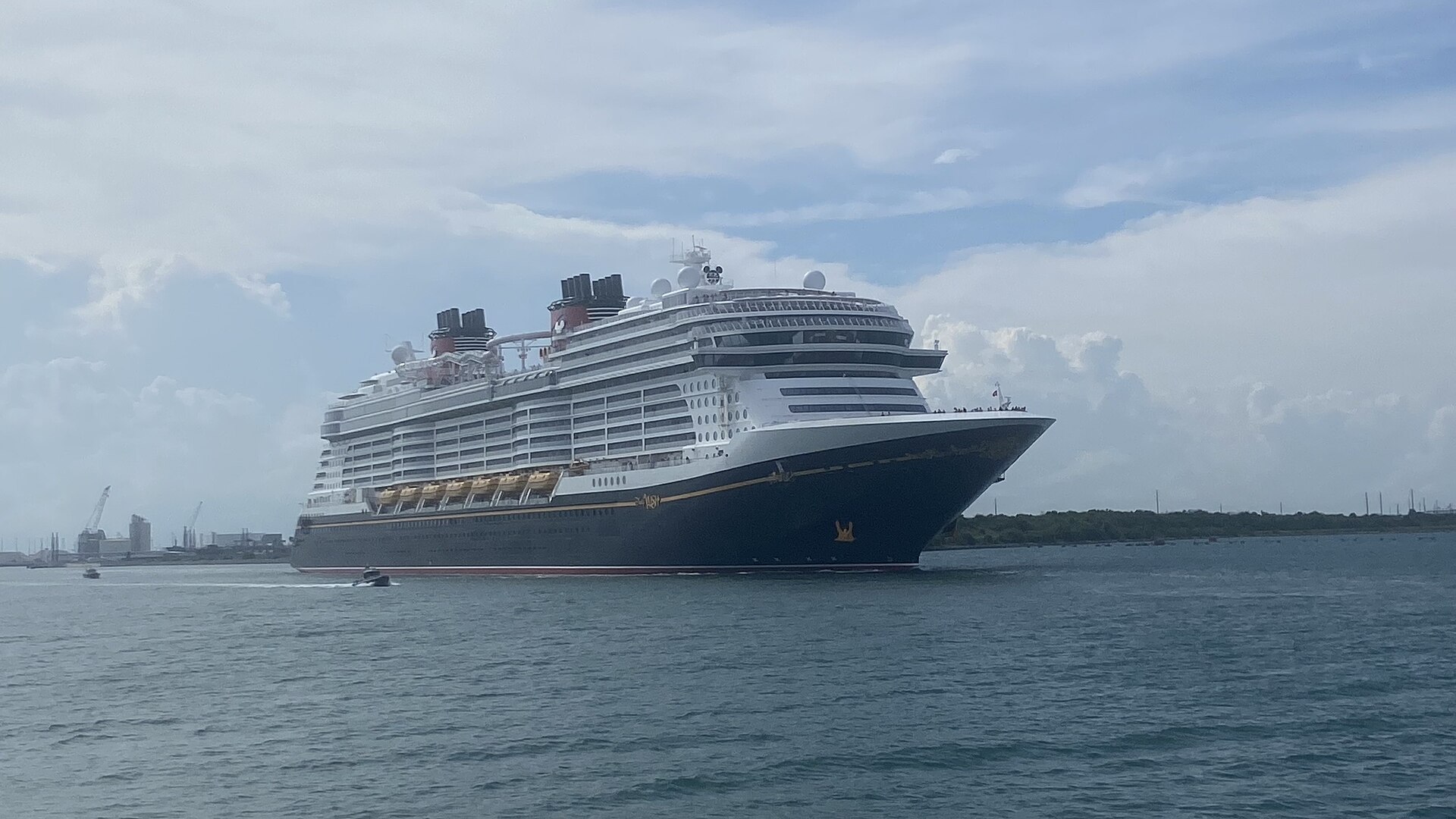
Royal Caribbean, Norwegian, MSC and Disney have the deepest family programmes on 2027 Mediterranean sailings, with Princess and Carnival close behind. Royal Caribbean brings its Icon-class Legend of the Seas to Barcelona and Rome, and Disney sails the Disney Wish from Barcelona from 22 May 2027. Viking and Virgin Voyages take no one under 18.
| Line | Kids’ club and ages | Tweens and teens | Under-threes | In the Med for 2027 |
|---|---|---|---|---|
| Royal Caribbean | Adventure Ocean: Aquanauts 3–5, Explorers 6–8, Voyagers 9–11. Potty-trained only | Teens 12–17, split into younger and older groups on some ships | Royal Babies & Tots, about 6 to 36 months, hourly fee | Legend of the Seas on 7-night Western Med from Barcelona and Rome; Odyssey, Rhapsody, Brilliance; Mariner from Southampton |
| Norwegian | Splash Academy 3–12 | Entourage 13–17 | Not confirmed for Med ships | Prima, Viva, Sun, Epic and Dawn, June to October |
| MSC | Mini Club 3–6, Junior Club 7–11 | Young Club 12–14, Teen Club 15–17 | Baby Club for under-threes | MSC World Europa on 7-night Western Med round trips for winter 2027–28; the Mediterranean is MSC’s home market |
| Disney | Oceaneer Club and Oceaneer Lab 3–10 | Edge 11–14, Vibe 14–17 | It’s a Small World Nursery, about 6 months to 3 years, hourly fee | Disney Wish‘s first European season: Barcelona from 22 May, Civitavecchia in June, Southampton from 23 July |
| Princess | Camp Discovery, in three age groups from 3 to 17: The Treehouse, The Lodge and The Beach House | Included in Camp Discovery | Not confirmed | Sun, Enchanted and Sky Princess, 136 Mediterranean departures |
| Carnival | Camp Ocean from age 2: Penguins 2–5, Stingrays 6–8, Sharks 9–11 | Circle “C” 12–14, Club O2 15–17 | Not confirmed | Carnival Sunshine, late May to October from Barcelona and Civitavecchia |
| Viking, Virgin Voyages | No children. Both lines are 18+ on every sailing | — | ||
A few things in that table are worth drawing out, because they matter more in the Mediterranean than elsewhere.
- Clubs run shorter hours on port days. Kids’ clubs typically open early and stay open late on sea days and cut back when the ship is in port, on the reasonable assumption that families are ashore. On a Mediterranean week with only one or two sea days, that means the club is a treat for the evenings and the sea day, not a daily childcare plan.
- Potty training is a hard line. On Royal Caribbean and Disney, a child must be fully potty-trained to join the main club. For a two- or three-year-old who is not, the nursery is the only option, and it charges by the hour.
- Teen clubs are drop-in. Teen programmes run as open lounges rather than check-in, check-out childcare, which is exactly what most teenagers want and something parents should factor into the rules they set.
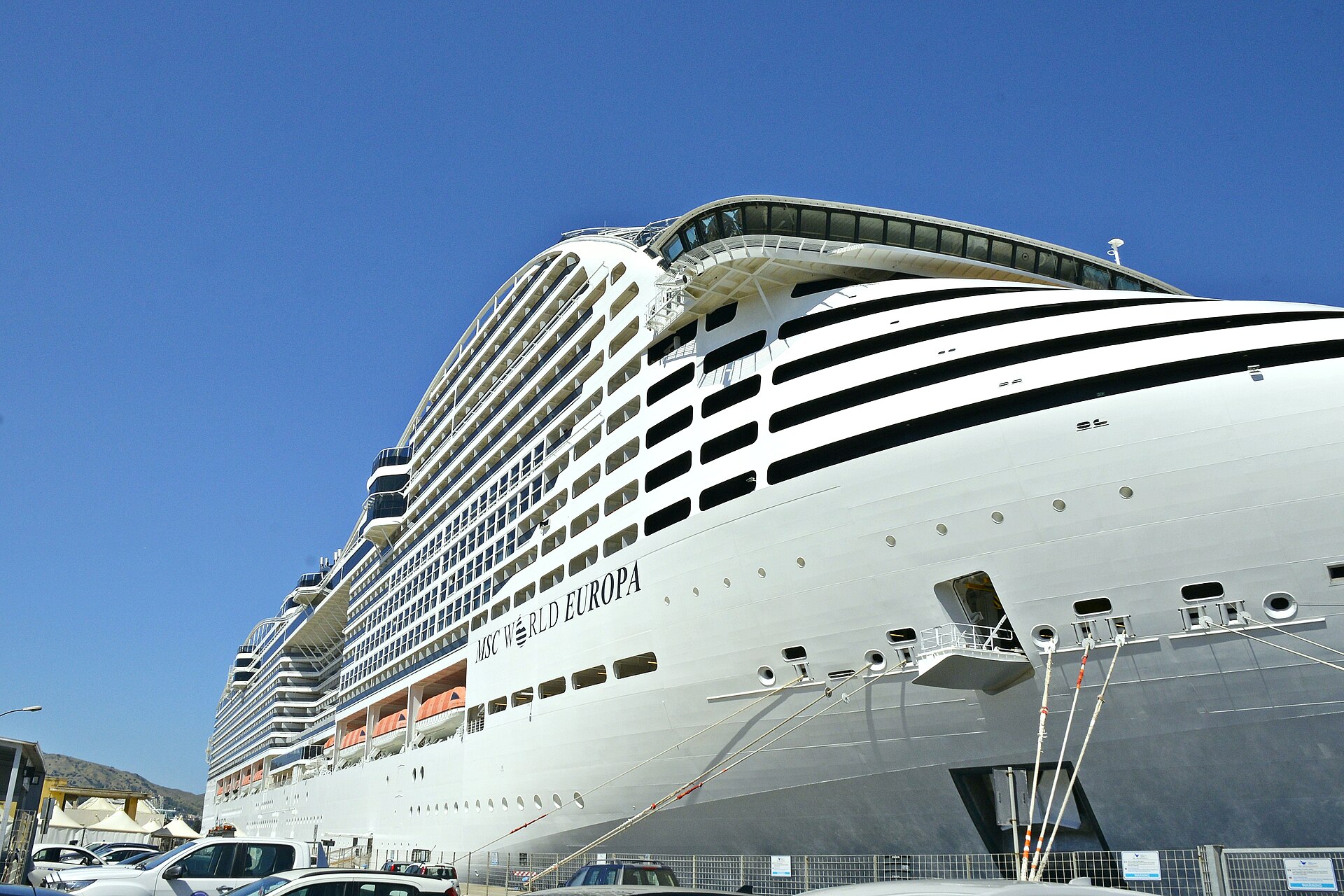
- Big ships, small ports. Legend of the Seas carries 5,610 guests at double occupancy and is the largest ship ever based in the Mediterranean. For children, the waterpark and family neighbourhood are the attraction. For the ports, it means you share Barcelona, Palma or Naples with a small town’s worth of other passengers on the same schedule, which is why an early start matters even more.
Disney deserves its own note, because 2027 is the first time the Disney Wish sails in Europe, with new ports including Zadar and Trieste. Disney’s strengths for families with younger children are well known: character experiences, the rotational dining in which your servers move with you from restaurant to restaurant, and a nursery. It is rarely the cheapest option, and a first European season on a new-to-the-region ship tends to sell early. Royal Caribbean and Norwegian compete on hardware — waterslides, go-kart tracks on Norwegian’s Prima-class ships, climbing walls — and on price. MSC competes almost entirely on price, with a noticeably more European passenger mix, which some families love and some do not. The line-by-line comparison in our guide to the best Mediterranean cruise lines covers each of them as a product; the family ranking comes in Best Mediterranean Cruises for Families (Lines and Ships Ranked).
Cabins, fares and what a family actually pays
The cabin is where family cruising either works or does not. Four people in a standard inside cabin is legal on most ships — two on the beds, one on a sofa bed and one on a pull-down upper berth known as a Pullman — and it is fine for three nights. For seven or more, most families of four are happier in a balcony cabin, where the balcony becomes the room the children are sent to, or in two connecting cabins with an internal door between them. Connecting cabins often cost less than a suite and give you two bathrooms, which on a port-intensive week with 7am starts is worth more than any amount of square footage. They are also the first family configuration to go on summer sailings, so book early.
Two rules catch families out. First, every person counts toward a cabin’s maximum occupancy, infants included, and a cabin sold as “sleeps four” does not bend for a baby. Second, fares for the third and fourth guests in a cabin are usually lower than for the first two, but taxes, port fees and usually gratuities are charged per person regardless of age.
| Budget line | How it applies to children |
|---|---|
| Cruise fare | Third and fourth guests usually pay a reduced fare. MSC’s “kids sail free” offers are near-permanent on qualifying sailings, but 2026 sources disagree on the age cut-off, citing both under-12 and under-18, so check the terms on the specific sailing |
| Taxes, fees and port expenses | Per person, children included: roughly $100–$200 each on a 7-night Mediterranean sailing, even when the fare itself is free |
| Automatic gratuities | Charged per guest per day on mainstream lines, at $16–$20 per day in 2026. Several lines apply them to children too; check your line before you budget |
| Destination levies | Greece charges a landing fee per person per port call, up to €20 at Santorini and Mykonos in summer, and Barcelona €11 per short-stay passenger. Ask your line how it applies them to children |
| Ship’s tours | Child prices barely differ. Carnival listed its Vatican tour from Civitavecchia at $209.99 per adult and $199.99 per child aged 12 and under in September 2026 |
| Site tickets | Often free for under-18s at Italian and Greek state sites, which makes independent visits much cheaper for families than for couples |
| Kids’ clubs | Daytime clubs included; nurseries for under-threes and late-night group babysitting are charged |
| Drinks and Wi-Fi | Soda or children’s drink packages and per-device Wi-Fi are extra on most mainstream lines |
That table explains a counter-intuitive result: for a family, the ship’s tour is often the worst value on board, because children pay almost adult prices for a coach seat, while the same site visited independently lets them in free. At a port where the sight is a short, simple walk or train ride away, going independently can save a family of four several hundred dollars in a single day. At a port where the transfer is long and the ship will not wait, such as Rome or Florence, the ship’s tour is still worth paying for, children and all. Our Mediterranean cruise cost guide has full worked budgets for couples and families, including gratuity rates line by line.
What does a port-intensive itinerary do to small children?
It turns a cruise into a walking holiday: early breakfasts, five or six port days a week, miles on cobbles and stone, and afternoons in the heat. Children cope well when you limit each port to one main outing and use the ship for the rest. They struggle when parents try to see everything.
Adults on a Mediterranean cruise routinely walk five to eleven miles a day. That is a lot for an eight-year-old and far too much for a four-year-old, and it is compounded by jet lag in the first two or three days, by heat from June onwards, and by the fact that the best excursions leave at 7:30 or 8am. The families who enjoy the Mediterranean most seem to be the ones who accept, before they leave home, that they will not see everything, and who treat the ship as the base camp it is rather than as somewhere to sleep between tours.
Here are the rules we would follow with children of any age.
- Fly in two days early. Jet lag hits children harder than adults, and the first port day is usually the day after embarkation. Two nights in Barcelona or Rome before the ship sails turns the first two ports from a blur into a holiday. It also protects you from a delayed flight, which on embarkation day means the ship sails without you.
- One headline sight per port. The Colosseum or the Vatican, never both. Pisa or Florence. Ephesus, then the pool.
- Go at opening, be back by mid-afternoon. Mornings are cooler and quieter; afternoons are for the pool, the kids’ club and a nap. Nothing on a Mediterranean port day is as good at 2pm as it was at 9am.
- Pre-book timed tickets, including the free ones. Under-18s enter the Colosseum and Pompeii free, but still need a timed reservation or a ticket collected on the day, and several sites now issue named tickets that can be checked against ID.
- Carry the children’s passports or ID ashore when you are visiting named-ticket sites, and a photo of every passport on your phone.
- Book the ship’s tour where the transfer is long. At Civitavecchia, Livorno for Florence and Katakolon for Olympia, the ship’s tour buys you the one thing you cannot buy independently: a ship that waits if the coach is late.
- Build in water. A swim, a beach, a splash fountain or an hour in the ship’s pool resets a hot child faster than anything else.
- Put the ship’s details in every child’s pocket. A card with the ship’s name, the all-aboard time and the port agent’s phone number, from the daily programme, is the cheapest insurance you will buy. All aboard, the time by which everyone must be back on the ship, is usually 30 minutes before departure, and the ship does not wait for independent travellers who are late.
Seasickness, which worries many parents, is rarely a problem. The Mediterranean is calm through most of the summer; the rough patches are the Gulf of Lion off southern France when the mistral blows, the Aegean in the high-summer meltemi wind, and the Atlantic legs of repositioning crossings. More general advice on pacing a port-intensive week is in our Mediterranean cruise tips.
Strollers, steps and tenders: a port-by-port guide
A stroller is essential on the ship and in some ports, and a liability in others. The difference is whether the port docks or tenders, whether the old town is flat, and how many steps stand between you and the headline sight. A tender, for anyone new to cruising, is the small boat that ferries passengers ashore when the ship anchors offshore rather than tying up at a pier. Tender crews generally ask you to fold strollers before boarding, and in any swell you will be passing a child and a folded stroller across a moving gap; a soft carrier is far easier.
| Port | Dock or tender | Terrain | Stroller or carrier? |
|---|---|---|---|
| Barcelona | Dock; shuttle bus from the Moll Adossat terminals | Flat along the waterfront and La Rambla | Stroller |
| Palma, Mallorca | Dock, some way from the centre; shuttle or taxi | Flat seafront; the old town climbs gently | Stroller |
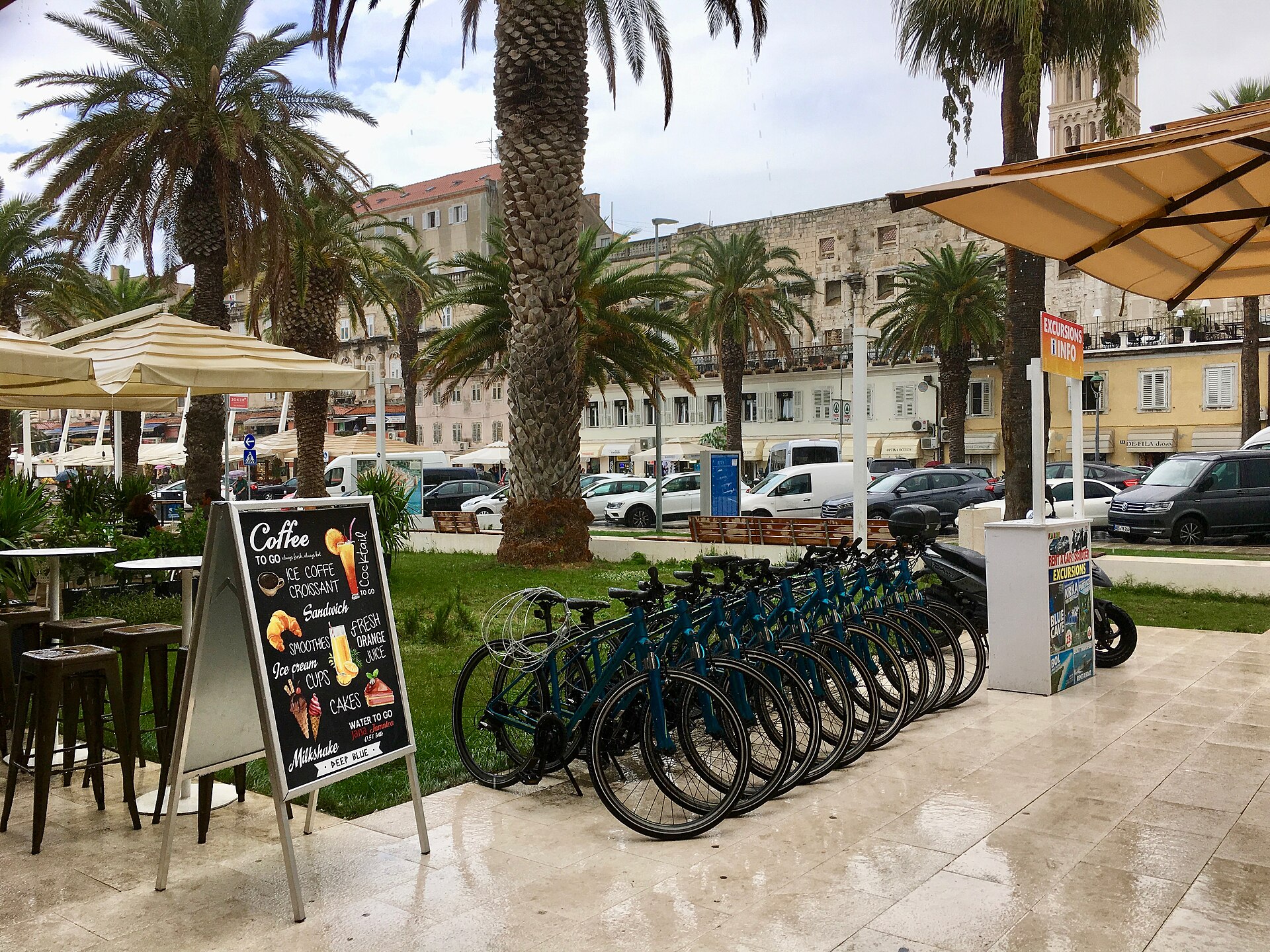
| Split | Dock alongside | Flat, 800 m to Diocletian’s Palace | Stroller, though the palace lanes are polished stone |
| Naples | Dock at Stazione Marittima | Busy streets, uneven paving, steep in places | Carrier for the old centre; stroller for the waterfront |
| Civitavecchia (Rome) | Dock; free in-port shuttle | Cobbles and stairs in Rome; the Metro has stairs at many stations | Carrier, or a light folding stroller |
| Valletta | Dock | The city is about 15 minutes’ walk uphill; the Upper Barrakka lift costs about €1 return | Stroller with the lift |
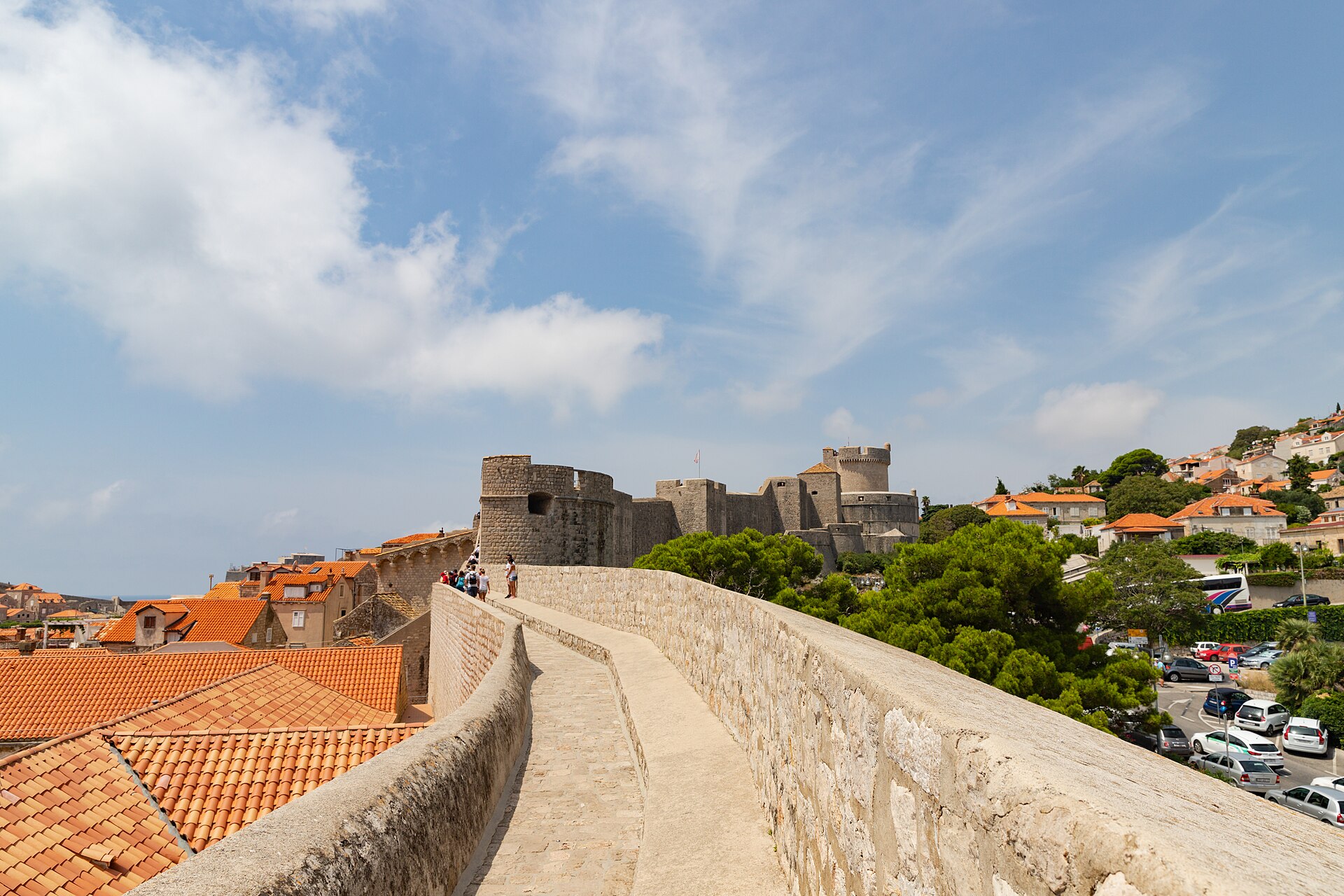
| Dubrovnik | Dock at Gruz, 2 miles from the Old Town; tender when berths are full | The Old Town’s main street is flat; the city walls are steps all the way | Carrier for the walls |
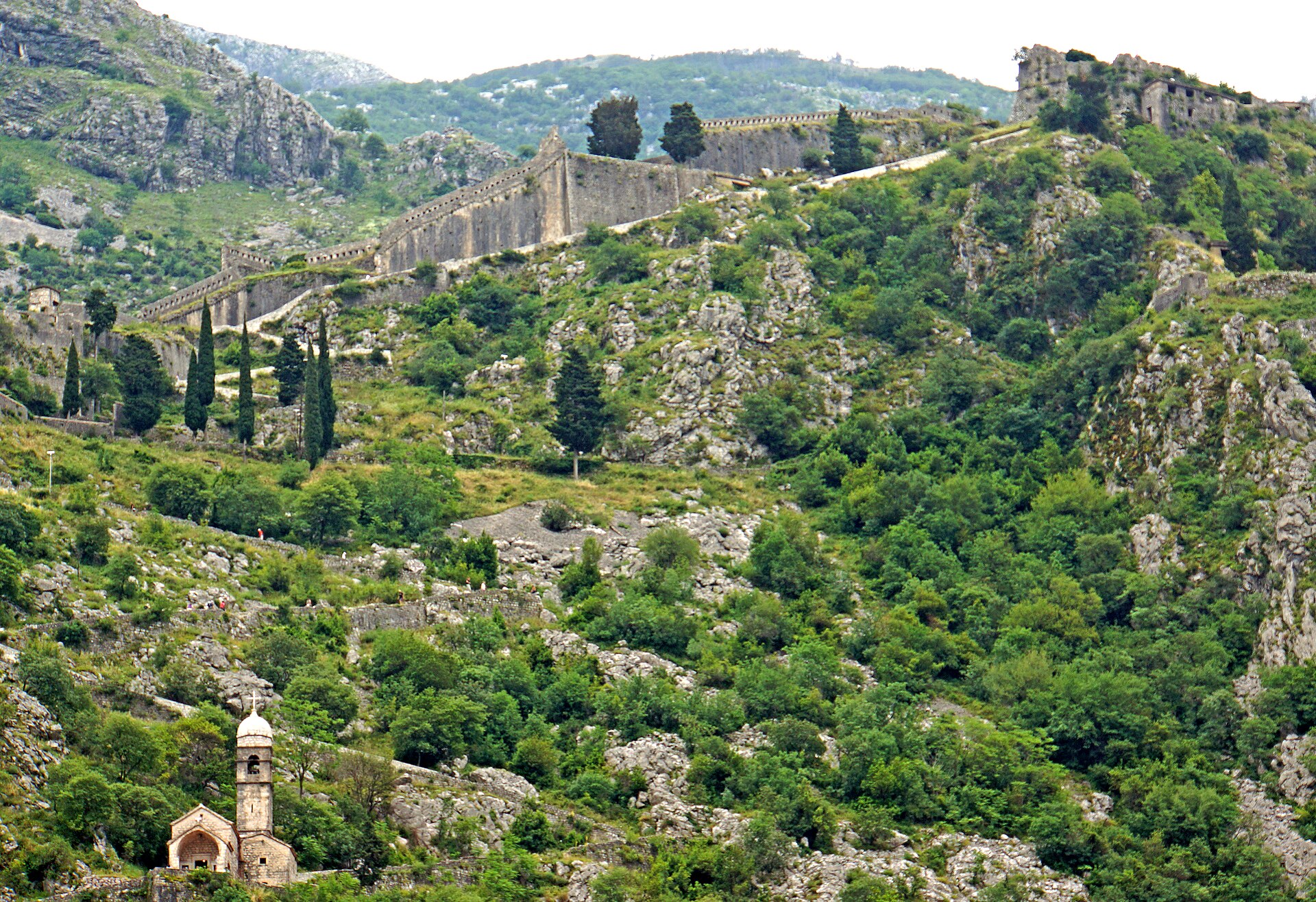
| Kotor | Dock or tender | Flat, cobbled old town; the fortress climb is about 1,350 steps | Stroller in town; skip the fortress with little ones |
| Santorini | Tender, always | Cable car up the cliff (€10 adult, €5 child, one way), or the steps | Carrier; strollers must fold for the tender and the cable car |
| Sorrento | Tender to Marina Piccola | About 200 steps up to Piazza Tasso | Carrier |
| Mahón and Bonifacio | Dock (Mahón); usually tender (Bonifacio) | 107 steps up to Mahón’s old town; about 100 to Bonifacio’s upper town | Carrier |
The general rule is simple: bring a compact, light folding stroller for the ship, the airports and the flat ports, and a carrier for everything else. On the ship itself a stroller is a genuine help, because distances from cabin to buffet on a 5,000-passenger ship are long, and you will be glad of somewhere for a sleeping toddler to sleep. The Italy and Adriatic port pages on this site, including our Italy cruise ports guide, carry the dock-or-tender status and the walking distance from the gangway for every port.
Do kids get free entry at the big Mediterranean sights?
Often, yes. The Colosseum and Pompeii admit all under-18s free, whatever their nationality, and the Acropolis is free for non-EU under-18s and EU under-25s. Free still means booked: timed slots and named tickets apply, so reserve the children’s places alongside yours and carry ID.
| Sight | Adult ticket | Children | What you still have to do |
|---|---|---|---|
| Colosseum, Forum and Palatine (Rome) | €16 plus a €2 booking fee | Free for under-18s of any nationality | Book a timed entry for each child; tickets are released 30 days ahead and are nominative |
| Pompeii (from Naples) | €20 Pompeii Express, €25 Pompeii+ | Free for under-18s | Children’s tickets are collected at the site’s ticket office; tickets are named and ID may be checked |
| Acropolis (from Piraeus) | €30 | Free for non-EU under-18s and EU under-25s | Book a €0 timed ticket for each child on the official hhticket.gr system; show a passport at the gate |
| Vatican Museums (Rome) | €20 at the door, €25 online | Reduced tickets for children; free for the youngest | Check the current reduced price and age bands on the Vatican’s own site; the dress code applies to children too |
| Ephesus (from Kusadasi) | €40, per recent secondary sources | Not verified | Check the Turkish museums’ official prices before you go |
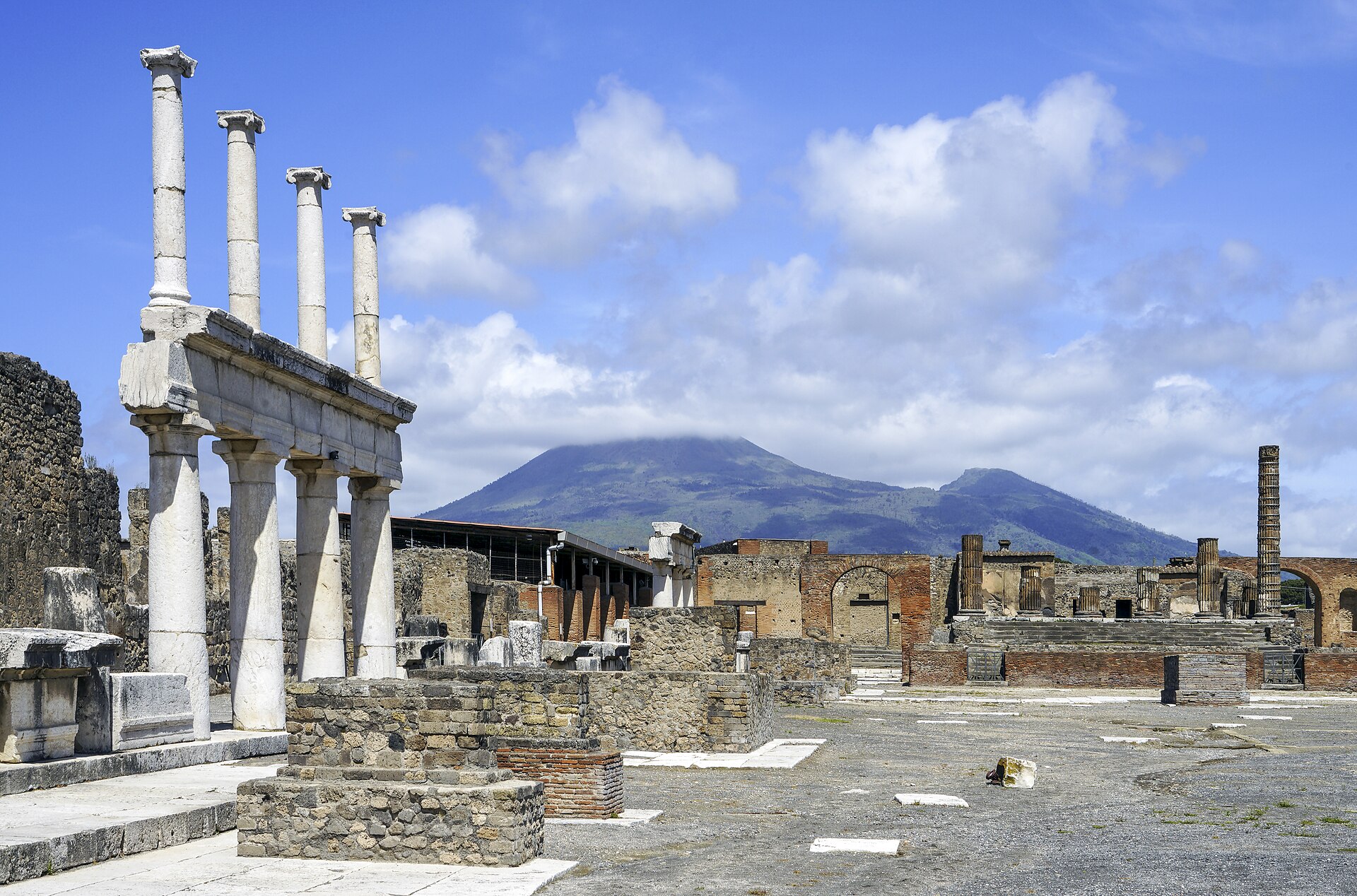
The Pompeii rules are the most detailed and the most likely to trip a family up. Since 12 January 2026, tickets have been named, ID may be checked, the site takes a daily maximum of 20,000 visitors, and between 16 March and 14 October it runs timed entry in two windows, 09:00 to 13:00 for up to 15,000 people and 13:00 to 17:30 for up to 5,000. Bags are limited to 30 by 30 by 15 cm, which rules out the average family day pack. The full rules are on the Parco Archeologico di Pompei ticket page.
For the Acropolis, the practical point is that “free” means a €0 ticket in a specific timed slot, booked on the official hhticket.gr system alongside your paid ones. Turn up without one and the child is free but the slot may not be. On a hot day, book the earliest slot you can reach from the ship: the Acropolis closed until 5pm on 8 July 2025, when Athens was forecast at 38°C (100°F).
The best port days for kids, and the swaps that save them
The single most useful thing you can do for a family port day is to swap the famous, far-away sight for a closer, smaller one that children will actually enjoy. Here are the swaps and the easy wins we would make, port by port.
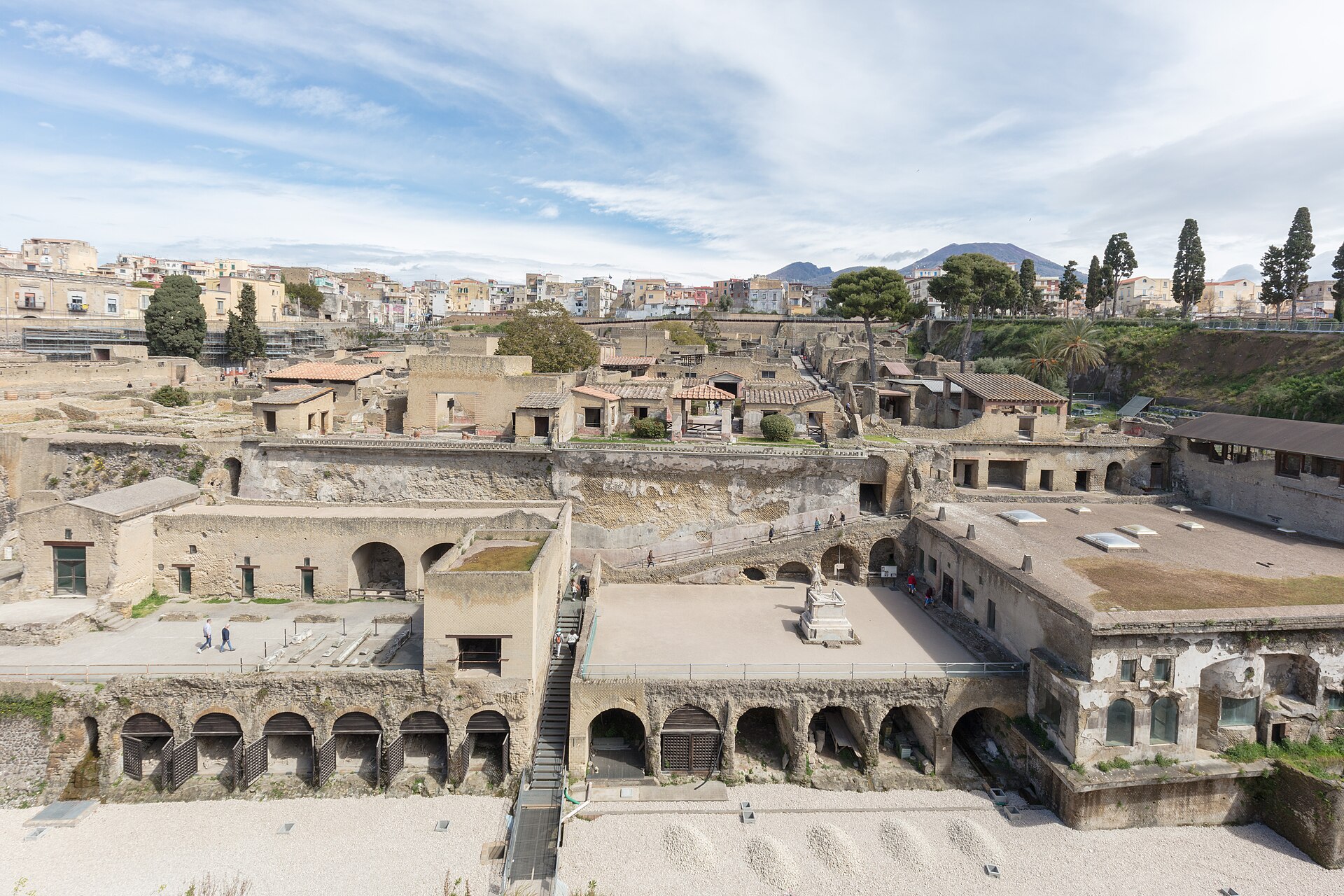
- Naples: Herculaneum instead of Pompeii. Herculaneum is smaller, better preserved in places, and on the same Circumvesuviana railway line, closer to Naples. A child can see the whole of it without the death-march that Pompeii’s sheer size can become in July. As with other Italian state archaeological sites, under-18s generally go free; confirm on the site’s own ticket page.
- Livorno: Pisa instead of Florence. Pisa is 16 miles from the port against Florence’s 65, and the Field of Miracles is a lawn with a leaning tower on it, which is close to a perfect day for an eight-year-old. Children under eight are not allowed to climb the tower itself.
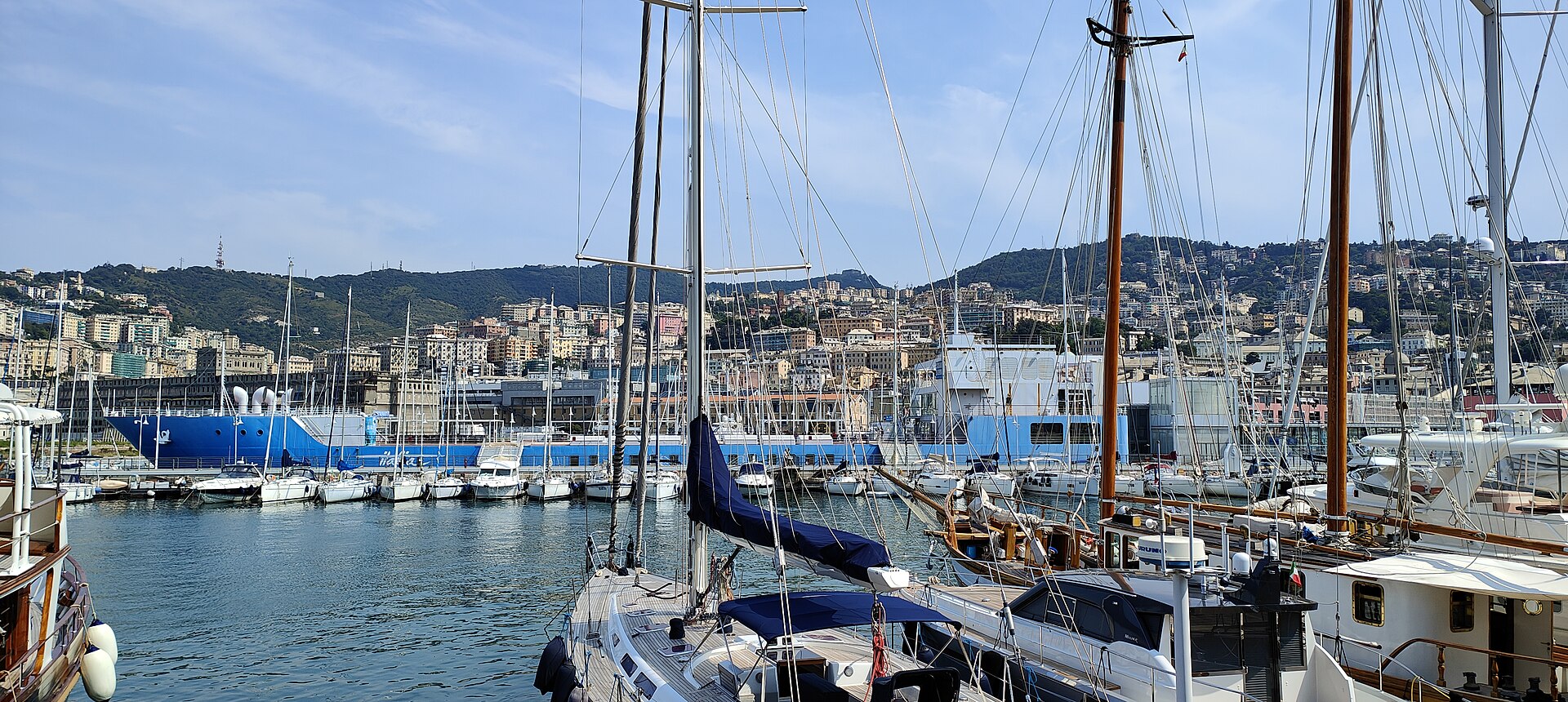
- Genoa: the aquarium. The Acquario di Genova, one of the largest aquariums in Europe, sits on the Porto Antico waterfront a short walk from the cruise terminal. It is the easiest rainy-day or hot-day plan in the Western Mediterranean.
- Barcelona: the beach and the aquarium. Barcelona’s aquarium is on the Port Vell waterfront near the World Trade Center berths, and Barceloneta beach is a walk further along the same shore.
- Valletta: the noon gun. The Saluting Battery below the Upper Barrakka Gardens fires a ceremonial gun at noon, and the lift from the waterfront takes the climb out of reaching it.
- Split, Kotor and Rhodes: just walk off. Walled towns you can reach on foot from the ship are made for children: no coach, no queue, and an ice cream at every gate.
- Greek islands: swim. Mykonos, Rhodes and Corfu all have beaches within reach of the ship, and a Greek island port day with a swim in it is often the one children remember best.
Excursion by excursion, with child pricing and age rules, the detail will be in Best Mediterranean Shore Excursions for Kids (by Port). For the adult version of the same decisions, including when a ship’s tour is worth paying for, see our Mediterranean shore excursions guide.
When should families cruise the Mediterranean?
Late June or the last week of August if you are tied to US school holidays; late May, September or October if you are not. July and August are the hottest, busiest and most expensive weeks of the year, and they are unavoidable for many families, so the aim is to plan around the heat rather than pretend it will not happen.
| Month | Rome air | Athens air | Athens sea | What it means for a family |
|---|---|---|---|---|
| April (spring break) | 64°F / 18°C | 66°F / 19°C | 59°F / 15°C | Perfect for sightseeing, too cold for most children to swim |
| June | 81°F / 27°C | 84°F / 29°C | 72°F / 22°C | The best summer month: warm sea, bearable heat, lower fares than July |
| July | 86°F / 30°C | 90°F / 32°C | 77°F / 25°C | Hot. Mornings only at the big outdoor sites; heat closures possible |
| August | 86°F / 30°C | 88°F / 31°C | 79°F / 26°C | Hot and crowded, with Europe on holiday too. The warmest sea of the year |
| October (fall break) | 72°F / 22°C | 72°F / 22°C | 72°F / 22°C | Excellent if your school calendar allows it; Greek landing fees drop too |
If July or August is your only option, three adjustments make a large difference. Choose an itinerary heavy on walk-off ports and beaches rather than long coach transfers to exposed archaeological sites. Book the first entry slot of the day at the Acropolis, Pompeii and the Colosseum. And treat the afternoon as ship time without guilt: a child who swims from 2pm to 5pm will be good company at dinner, and one dragged round the Forum at 3pm in 90°F will not. The month-by-month detail, including wind and sea temperatures for the whole region, is in our guide to the best time to cruise the Mediterranean.
British families face the same problem with a different calendar: school holidays in England run from late July to early September, plus half-terms in late May and late October that make the shoulder months possible. Sailing from Southampton avoids flights altogether but adds sea days across the Bay of Biscay before you reach the Mediterranean. Our coming guide, Family Mediterranean Cruises from the UK: Southampton vs Fly-Cruise, will compare the two properly.
A realistic week: seven nights in the Western Med with kids
This is an illustrative plan for a typical 7-night round trip from Barcelona, the most common family Mediterranean cruise. Your line’s ports and times will differ; the pattern is what matters. It assumes children of about six to twelve and a family that has flown in two days early.
| Day | Port | The family plan | Back aboard by |
|---|---|---|---|
| Before | Barcelona | Two nights ashore to beat jet lag: the beach at Barceloneta, the aquarium in Port Vell, an early night | — |
| 1 | Barcelona (embarkation) | Board early in the afternoon, explore the ship, first swim. Muster drill before sailing | — |
| 2 | Palma, Mallorca | Shuttle or taxi to the cathedral, then the seafront gardens below it and an ice cream. Beach if there is time | 15:00 |
| 3 | Marseille | Free port shuttle into the city, then the Vieux-Port; the footbridge from the MuCEM museum to Fort Saint-Jean is a fort-and-harbour walk children enjoy | 15:00 |
| 4 | Livorno or La Spezia | From Livorno, Pisa and its lawns rather than Florence; from La Spezia, one Cinque Terre village by train, not five | 15:30 |
| 5 | Civitavecchia (Rome) | Ship’s tour, or the train with free under-18 Colosseum tickets booked 30 days ahead; gelato and the Trevi Fountain; nothing else | By the tour’s schedule, or 16:00 at the latest |
| 6 | Naples | Herculaneum by train, then pizza in the old centre; or Pompeii with older children and an early start | 15:00 |
| 7 | At sea | The kids’ club’s longest day, the waterslides, laundry and sleep | — |
| 8 | Barcelona (disembarkation) | Off the ship in the morning; fly home or add one more night | — |
Two things about that plan are deliberate. Every day ends aboard by mid-afternoon, because the ship’s pool and kids’ club are what make the next morning possible. And Rome is the only day with a long transfer, placed late in the week once jet lag has gone. The worked Rome timeline, gangway to Colosseum and back, is in our main Mediterranean cruise planning guide; with children, add 30 minutes to every buffer in it.
Passports and paperwork for children
Every child on a Mediterranean cruise needs a passport, including babies, because every itinerary calls at foreign ports. Most lines, Royal Caribbean among them, require passports to be valid for at least six months after the cruise ends. For American families, three details catch people out.
- Children’s passports expire sooner. US passports issued to children under 16 are valid for five years, not ten, so check the date on each one, not just yours. Applications for under-16s normally need both parents’ consent; the State Department’s guidance for children under 16 sets out the rules.
- One parent travelling alone. If a child is travelling with only one parent, or with grandparents, carry a signed letter of consent from the absent parent or parents with their contact details. Border officers and cruise lines can and do ask for one.
- ETIAS for children. Once the EU’s ETIAS travel authorisation launches, scheduled for the last quarter of 2026, every visa-exempt traveller will need one, children included. The €20 fee is waived for under-18s, but the application is not.
The EU’s Entry/Exit System, fully operational since 10 April 2026, records passengers’ biometrics at the border, which lengthens the queue at the airport on arrival; one more reason to fly in early rather than on embarkation morning. Everything else about passports, visas and entry rules for a Mediterranean itinerary is in our travel documents guide. Grandparents planning to bring grandchildren, with or without the parents, will find the practical side covered in Multigenerational Mediterranean Cruise: Planning for Three Generations.
Planning a trip without the children this time, perhaps an anniversary or a first cruise as a couple again? Our guide to adults-only Mediterranean cruises covers the lines that take no one under 18 and the months when family ships carry the fewest children.
For the full Disney Wish season, our guide to Disney Mediterranean cruises lists all eight 2027 voyages with prices per person per night, which voyage suits toddlers, school-age children and teenagers, and the all-aboard math for a day in Rome with children from Civitavecchia.
Where this guide goes deeper
This page is the hub for family cruising. Over the coming months we are publishing the detailed guides that sit beneath it, and we will link each one here as it goes live.
- Choosing the ship. Best Mediterranean Cruises for Families (Lines and Ships Ranked), comparing clubs, cabins, deployments and prices line by line.
- By age. Mediterranean Cruise with a Toddler or Baby: What to Know, and Mediterranean Cruise with Teens: Best Lines, Ports and Excursions.
- Port days. Best Mediterranean Shore Excursions for Kids (by Port), with child pricing and entry-age rules.
- Bigger groups and other markets. Multigenerational Mediterranean Cruise: Planning for Three Generations, and Family Mediterranean Cruises from the UK: Southampton vs Fly-Cruise.
For the wider decisions, see our guides to the eastern Mediterranean cruise ports, where Kusadasi’s 11-mile run to Ephesus is one of the best family excursions anywhere, and to what to pack for a Mediterranean cruise, including shoes for cobbles and church-ready clothes for children.
Mediterranean cruise with kids FAQs
What is the best Mediterranean cruise for a family?
For most families, a 7-night Western Mediterranean round trip from Barcelona or Rome on Royal Caribbean, Norwegian, MSC or Disney, in June or early September. Western routes have more walk-off ports, shorter flights from North America and fewer tender ports than Eastern ones, and those four lines have the most extensive kids’ programmes on their 2027 Mediterranean ships.
Do kids’ clubs run on port days?
Yes, but usually for shorter hours than on sea days. Clubs open early and stay open late when the ship is at sea and cut back when it is in port, since most families go ashore. On a Mediterranean week with only one or two sea days, plan to use the club in the evenings and on the sea day rather than as daily childcare.
How old does a baby have to be to go on a Mediterranean cruise?
Six months on most Mediterranean sailings. Royal Caribbean and Disney both raise the minimum to twelve months for transatlantic crossings, and Royal Caribbean also for any cruise with three or more consecutive sea days, which rules out most repositioning voyages between Florida and Europe for younger babies. Other lines set their own rules; check before you book.
Do kids sail free on Mediterranean cruises?
Sometimes. MSC runs near-permanent “kids sail free” offers for children sharing a cabin with two adults on qualifying sailings, though the age cut-off varies by offer. Other lines run occasional promotions and usually charge reduced fares for third and fourth guests. Even when the fare is free, taxes, port fees and usually gratuities are charged per child.
Can you take a stroller on a Mediterranean cruise?
Yes. A compact folding stroller is useful on the ship, in airports and in flat ports such as Barcelona, Split and Palma. In hilly or stepped ports, including Santorini, Sorrento, Dubrovnik’s walls and Valletta, a soft carrier is much easier, and strollers must be folded to board tenders and Santorini’s cable car.
Are the Colosseum and the Acropolis free for children?
The Colosseum is free for all under-18s, whatever their nationality, with a timed reservation. The Acropolis is free for non-EU under-18s and EU under-25s, with a €0 timed ticket booked on the official hhticket.gr system. Pompeii is also free for under-18s, with tickets collected at the site. Carry the children’s passports.
Is July or August too hot for a Mediterranean cruise with kids?
It is hot, not impossible. Athens averages 90°F (32°C) in July and Rome 86°F (30°C), and outdoor sites have closed for heat before. Families who go in midsummer should book the earliest time slots, favour walk-off ports and beaches, and spend the afternoons aboard. June is noticeably cooler and usually cheaper.
Should families book ship’s tours or go independently?
Both, port by port. Where the sight is far away and the transfer long, as at Civitavecchia for Rome and Livorno for Florence, book the ship’s tour, because the ship waits if it runs late. Where the port is walkable, as at Split, Kotor, Valletta or Naples, go independently: children pay nearly adult prices on ship’s tours but often enter state sites free.
Which lines do not allow children?
Viking and Virgin Voyages are adults-only, 18 and over, on every sailing, and Oceania has accepted only over-18s on bookings made since 7 January 2026. Saga, which sails from the UK, is for travellers aged 50 and over, with companions from 40. Some luxury lines accept children but run limited programmes for them, often only on selected summer sailings.
How we researched this guide
Kids’ club names and age bands come from the lines’ own programme pages, cross-checked against a family-cruise agency’s line-by-line summary updated on 8 September 2026. Infant age rules come from Royal Caribbean’s published international age policy and Disney’s published policy. 2027 deployments come from the lines’ announcements. Site ticket prices and child entry rules come from the official Pompeii ticket page and, where the official sites could not be read directly, from 2026 guides quoting them, which we have labelled. Climate figures come from weather2travel and published station normals. We checked everything on this page in September 2026.
We are an independent editorial site. We do not sell cruises, no line has paid for a mention, and we have not sailed every ship described here with children. Where this page gives an opinion — that seven to fourteen is the best age, that Herculaneum beats Pompeii for younger children, that the ship’s tour is often poor value for families — it is labelled as ours. Kids’ programmes and child fares change often; confirm them on your line’s own site before you book.
Image credits
| Image | Photographer | Licence |
|---|---|---|
| Disney Wish leaving Port Canaveral, September 2026 | Jack Adamenko | CC0, via Wikimedia Commons |
| MSC World Europa alongside, June 2026 | Alberto-g-rovi | CC BY 4.0, via Wikimedia Commons |
| The walls above Kotor, Montenegro | Dennis G. Jarvis | CC BY-SA 2.0, via Wikimedia Commons |
| The Forum at Pompeii with Vesuvius | Commonists | CC BY-SA 4.0, via Wikimedia Commons |
| Herculaneum, with Vesuvius behind | Diego Delso | CC BY-SA 4.0, via Wikimedia Commons |
| The Acquario di Genova, Porto Antico | Al*from*Lig | CC BY-SA 4.0, via Wikimedia Commons |
| The Riva promenade, Split | Marie Thérèse Hébert & Jean Robert Thibault | CC BY-SA 2.0, via Wikimedia Commons |
| The city walls of Dubrovnik | dronepicr | CC BY 2.0, via Wikimedia Commons |
Published 3 October 2026. Fares, kids’ programmes, ticket prices and entry rules were checked in September 2026 and will change — verify anything you are about to pay for.