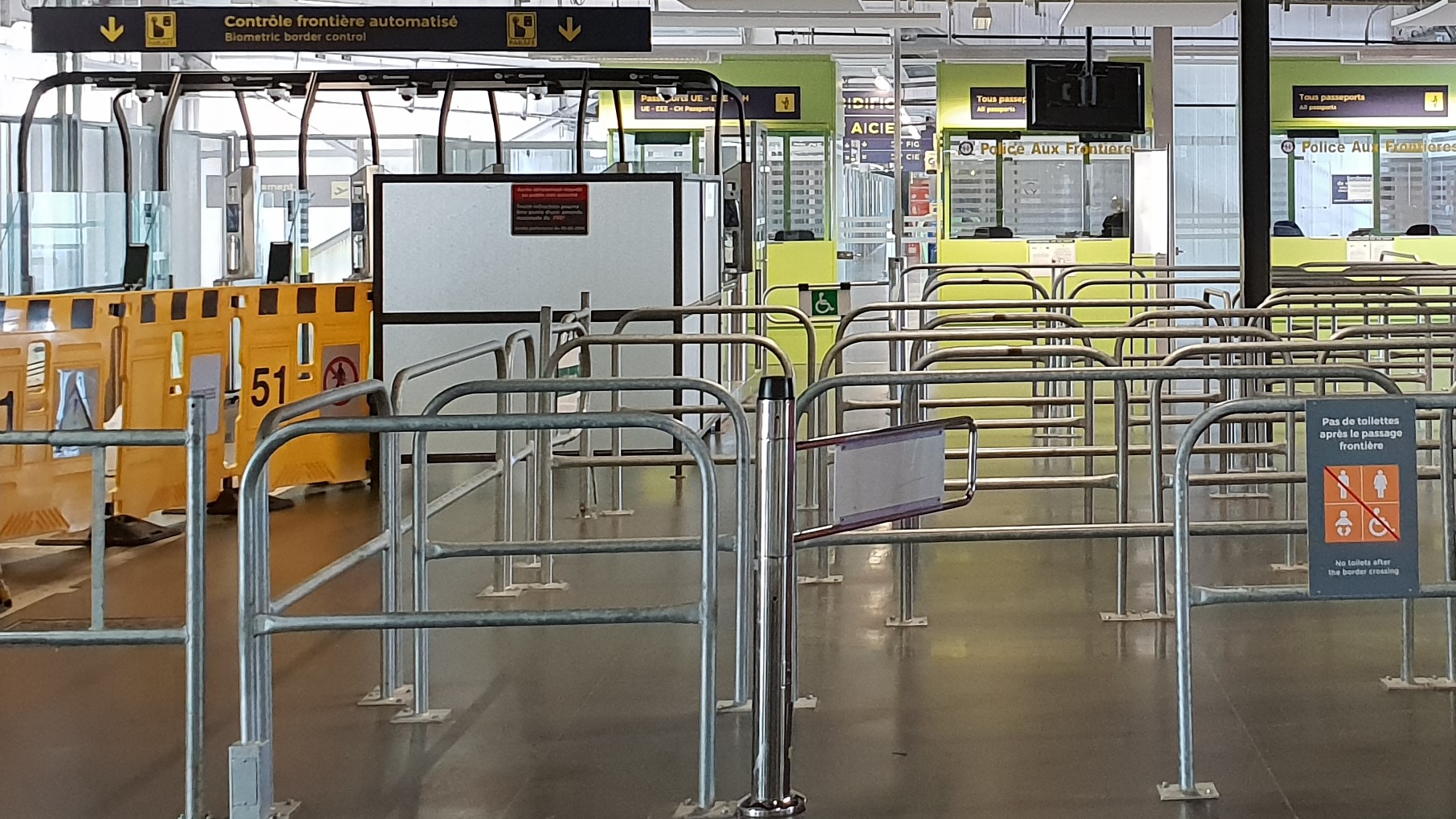
A passport valid for at least six months after your cruise ends, the cruise line’s own boarding documents, and — from the last quarter of 2026 — an ETIAS travel authorisation if you hold a visa-exempt passport. Everything else depends on your nationality and on which non-Schengen countries your itinerary touches.
That is the short answer to what documents do I need for a Mediterranean cruise. The longer answer matters more than it used to, because Europe’s borders changed in 2026 and the cruise lines’ own documents pages have not fully caught up. The Entry/Exit System has been fully operational across all 29 Schengen countries since 10 April 2026 — face and fingerprints taken at the border, nothing to apply for — and neither Royal Caribbean’s nor Celebrity’s travel documents page mentions it at all. Both still describe ETIAS as “coming soon” with no date. This page carries both, with the official sources and the date we checked them.
What documents do I need for a Mediterranean cruise — the short answer
A passport valid six months beyond the cruise’s end, your cruise line boarding documents and luggage tags, and a government photo ID. Visa-exempt travellers will also need an ETIAS authorisation once it launches in late 2026. Some itineraries add a separate visa for Turkey, Egypt, Israel or Morocco depending on your nationality.
| Passport | Required for every Mediterranean cruise. Cruise lines demand six months’ validity beyond the end of the sailing; the Schengen rule itself is three months beyond departure and issued within the previous ten years. |
| EES | Live since 10 April 2026 across all 29 Schengen countries. Nothing to apply for; face and fingerprints are recorded at the border. You may pre-register within 72 hours using the official “Travel to Europe” app. |
| ETIAS | Launches in the last quarter of 2026, exact date to be announced. €20, valid three years or until the passport expires, covering 30 countries. Free for under-18s and over-70s. |
| Visas | None for US, UK, Canadian or Australian passport holders in Schengen, Turkey, Montenegro, Albania or Morocco. Egypt and Israel are the exceptions, and both are largely off current itineraries. |
| Cruise documents | Boarding pass or eDocs, luggage tags, and the health questionnaire the line sends 24–48 hours before embarkation. |
| Insurance | Not a legal requirement anywhere on a Mediterranean itinerary, but carry the policy number and the insurer’s 24-hour line. |
| Children | Their own passport, regardless of age. A consent letter if travelling with only one parent or with grandparents. |
| Blank pages | At least two, more on a long itinerary. Morocco stamps in and out, and Morocco requires one blank page per stamp. |
If you are still building the trip rather than the paperwork, our complete Mediterranean cruise planning guide covers the itineraries, the season and the cost. Come back here once you know which countries you are actually calling at, because that is what decides the documents.
Do you need a passport for a Mediterranean cruise, or will an ID card do?
You need a passport. The only exception is an EU, EEA or Swiss national sailing entirely within the Schengen area, who may use a national identity card — and cruise lines still ask those passengers for three months’ validity beyond the cruise’s end. Everyone else, including all US, UK, Canadian and Australian citizens, needs a passport.
This trips people up because Caribbean cruising from the United States has a closed-loop exception: a round-trip sailing from a US port can often be taken on a birth certificate and photo ID. There is no equivalent for Europe. A Mediterranean cruise crosses international borders at every port, and several of them are not in the same customs or immigration union as the last one. You will be crossing a Schengen external border at least twice and possibly four or five times.
Royal Caribbean’s own travel documents page puts it at its simplest: passports must be valid at least six months after your cruise ends. Celebrity’s page carries the identical rule. Both note the EU government ID exception at three months for European sailings, and both are otherwise unambiguous.
Two practical consequences follow. First, if your passport expires within a year of your sailing date, renew it now rather than working out whether you scrape past the rule — renewal backlogs are seasonal and unpredictable. Second, the cruise line’s rule is stricter than the country’s rule, and the cruise line is the one that can refuse to board you at the terminal. Satisfy the stricter number.

The three passport validity rules, and which one binds
There are three separate rules in play on a Mediterranean cruise, they say different things, and almost every argument about passport validity comes from confusing them.
| Rule | What it says | Who enforces it |
|---|---|---|
| The Schengen 10-year rule | Your passport must have been issued within the previous ten years on the day you enter | Border officers at the Schengen external border |
| The Schengen 3-month rule | Your passport must be valid for at least three months beyond your intended date of departure from the Schengen area | Border officers at the Schengen external border |
| The cruise line 6-month rule | Your passport must be valid at least six months after your cruise ends | The cruise line, at terminal check-in |
The ten-year rule catches British travellers in particular, because before Brexit the UK Passport Office used to add up to nine unexpired months from an old passport onto a new one. A passport showing a ten-year-and-six-month gap between issue and expiry looks valid, is valid for UK purposes, and can still be refused at a Schengen border on the day the issue date passes ten years. Check the issue date, not just the expiry date.
The six-month rule is the one that binds in practice, because it is the strictest and because it is applied before you ever reach a border officer — at the cruise terminal desk, by staff who have no discretion and a queue behind you. Work to six months and the other two take care of themselves.
One more detail worth knowing: your passport must also be machine-readable and undamaged. A water-damaged page, a torn laminate on the photo page, or a passport a child has drawn in is grounds for refusal, and the line will not take the risk on the airline’s behalf either. Look at it before you pack it, not at the terminal.
EES: the change your cruise line’s documents page has not mentioned
The Entry/Exit System is the biggest practical change to Mediterranean cruising in a decade, and it is remarkable how little airtime it gets. It has been fully operational across all Schengen countries since 10 April 2026, after a phased rollout that began on 12 October 2025.
What it actually does, from the European Commission’s own comparison of EES and ETIAS:
- It applies to all non-EU citizens making short stays of up to 90 days in any 180 in the 29 Schengen countries.
- It records your passport details, your facial image and your fingerprints, plus the date and place of every entry and exit.
- There is nothing to apply for and nothing to pay. The data is taken at the border.
- Travellers may pre-register within 72 hours of arrival using the official “Travel to Europe” mobile app, which shortens the time spent at the booth.
- It replaces passport stamping. The stamp is being phased out in favour of the digital record.
The consequence for a cruise passenger is queueing. Registering a first-time traveller takes materially longer than stamping a passport, and the Mediterranean’s gateway airports process an enormous volume of cruise passengers on Saturdays and Sundays in summer. Queues at Barcelona, Rome Fiumicino and Athens were significant through summer 2026. That is an argument — a strong one — for arriving two nights before embarkation rather than one, and it is now the best single reason to do so.
A few points that are specific to cruising and that the general EES coverage misses:
- Your first registration is the slow one. Once your biometrics are on file, subsequent crossings within the three-year retention window are faster. The worst queue of your trip is likely to be the flight in.
- Ports are external borders too. A call at a non-Schengen port — Turkey, Montenegro, Albania, Gibraltar, Morocco, Tunisia — means you exit and re-enter Schengen. On a busy itinerary that is several EES events, handled by the ship’s port clearance rather than by you personally in most cases, but the record is still being made.
- The ship does most of the work. Cruise lines submit passenger manifests to port authorities in advance, and immigration is usually cleared for the whole ship rather than passenger by passenger. You will not normally queue at a booth in each port. That is a convenience, not an exemption.
- Bring the passport you were registered on. If you renew between two trips, your new passport has to be linked to your record, which means a booth rather than a fast lane.
Our guide to Mediterranean embarkation ports sets out the airport transfer times and fixed taxi fares for each homeport, which is worth reading alongside this — an extra hour at the border is an hour you have to build into the day.
What EES means at each of the big Mediterranean homeports
Where you embark changes how much of the new border process you personally experience, because the great majority of cruise passengers enter the Schengen area by air on the day before or the day of embarkation, not by sea.
- Barcelona. The busiest homeport in the Mediterranean, with 2,311,722 homeport passengers in 2025. El Prat handles an enormous Saturday and Sunday peak in summer, and this is the single most likely place on a Western Med itinerary to lose an hour to the border. Two nights in the city beforehand removes the problem entirely and is what we would do.
- Civitavecchia for Rome. You clear the border at Fiumicino, then face a transfer of 46 miles (74 km) to the ship. An hour lost at immigration is an hour taken out of a transfer window that was already tight. The regional train from Termini takes about an hour and twenty minutes and runs roughly twice an hour.
- Piraeus for Athens. Athens is now the second-busiest homeport in the Mediterranean at 1,091,364 homeport passengers in 2025, up from fourth. The airport is around 50 km from Piraeus and outside the flat-fare taxi zone for the city centre, so budget for a metered fare on top of whatever the queue costs you.
- Trieste and Ravenna for the Adriatic. Smaller airports, shorter queues, and the substitutes for Venice since large ships were barred from the Giudecca Canal. If the choice between two similar itineraries is close, the quieter gateway is a genuine tiebreaker.
- Istanbul. Turkey is not in Schengen, so arriving at Istanbul Airport is a Turkish entry rather than an EES event, and your Schengen clock does not start until the ship reaches a Greek or Italian port. Istanbul Airport is about 45 km from Galataport with no direct rail link, so allow 45 to 60 minutes or more by taxi.
- Southampton. A UK no-fly sailing skips the arrival queue altogether; your first Schengen entry happens at the first European port, cleared by the ship. For UK readers this remains the most frictionless way to start a Mediterranean cruise, and it is a bigger advantage now than it was before April 2026.
The general rule that falls out of this: the border cost of a Mediterranean cruise is paid at the airport, not at the quayside, and it is paid once. Build it into the arrival day and it disappears.
ETIAS: what it is, when it starts, and whether it applies to you
ETIAS is the European Travel Information and Authorisation System — an online travel authorisation, not a visa, for people who do not need a visa for Europe. If you hold a US, UK, Canadian or Australian passport, it will apply to you.
The official position, checked on 18 September 2026:
| Status today | Not in operation. No applications are being collected. |
| Start | The last quarter of 2026. The EU has said it will announce the specific date several months in advance. |
| Enforcement | Mandatory enforcement follows in 2027, after a transitional period. |
| Fee | €20, raised from €7 on 17 July 2025 to cover operating costs and inflation. |
| Validity | Three years, or until your passport expires, whichever comes first. |
| Coverage | 30 European countries — the Schengen area plus Cyprus. |
| Who needs it | Visa-exempt nationals of 59 countries and territories, roughly 1.4 billion people. |
| Exemptions | Under-18s and over-70s do not pay the fee, but still need the authorisation. |
| Processing | Most approvals arrive within minutes. |
Three things to take from that. First, nobody can sell you an ETIAS today, because applications are not open. Any site offering to “secure your ETIAS now” for a fee is at best taking your money to fill in a form later and at worst a scam; the official application will be on the EU’s own site and app. Second, the date has slipped before — repeatedly — so check it again before you sail rather than trusting a figure written in September 2026. Third, the fee rise to €20 is confirmed by the European Commission’s own announcement of 17 July 2025.
The cruise-specific question is what happens if ETIAS goes live between your booking and your sailing. The practical answer is that it is a fifteen-minute online form and a €20 charge, approved in minutes for the overwhelming majority of applicants, and that during the transitional period travellers without one are not automatically refused. That said, an airline can refuse to board you for a missing authorisation once enforcement begins, and an airline refusal on the day you fly to your embarkation port is a cruise you do not take.
Do I need a visa for a Mediterranean cruise?
For US, UK, Canadian and Australian passport holders: no, not for Schengen, Turkey, Montenegro, Albania, Croatia, Gibraltar or Morocco. Egypt and Israel require one, and both have largely dropped off Mediterranean itineraries for 2026–27. Every other nationality should check each country individually, because the answers differ sharply.
The reason this question generates so much confusion is that a Mediterranean cruise is sold as one trip but is legally several. A single 12-night Eastern Mediterranean sailing can touch Italy and Greece (Schengen), Turkey (not Schengen, not EU), Montenegro and Albania (neither), and on some routings Egypt or Israel. Each of those is a separate entry decision under its own law.
Here is the matrix for the four nationalities this site is written for. Every cell is sourced; where a source did not state a rule clearly we have said so rather than guess.
| Country | US | UK | Canada | Australia |
|---|---|---|---|---|
| Schengen area (Italy, Spain, France, Greece, Portugal, Croatia, Slovenia, Malta and 21 others) | No visa, 90/180 | No visa, 90/180 | No visa, 90/180 | No visa, 90/180 |
| Cyprus (EU, not Schengen) | No visa | No visa | No visa | No visa |
| Turkey | No visa since 1 Jan 2024, 90/180 | No visa | No visa since 1 Jan 2024 | No visa since 17 Apr 2026, 90/180 |
| Montenegro | No visa, up to 90 days | Check — not verified in this pass | Check | Check |
| Albania | No visa | Check | Check | Check |
| Gibraltar (UK overseas territory) | No visa | No visa | No visa | No visa |
| Morocco | No visa, 90 days or less | No visa, 90 days or less | Check | Check |
| Tunisia | Not stated in the source we consulted — verify | Verify | Verify | Verify |
| Egypt | Visa required | Visa required | Visa required | Visa required |
| Israel | Calls suspended by major lines through 2026 | As US | As US | As US |
We have deliberately written “check” rather than filling in a plausible answer. A wrong “no visa” in a table like this is the kind of error that leaves somebody standing on a quay, and no amount of editorial polish is worth that. Where a cell says check, the authoritative source is your own government’s travel advice: travel.state.gov for the United States, gov.uk for the United Kingdom, travel.gc.ca for Canada and smartraveller.gov.au for Australia.
Country by country: the entry rule for every stop on a Mediterranean itinerary
The matrix above answers “do I need a visa”. This section answers the follow-up questions — validity, stamps, blank pages and the local quirks — country group by country group.
The Schengen area: Italy, Spain, France, Greece, Croatia, Malta, Portugal, Slovenia
Twenty-nine countries now operate as a single external border. Once you are in, the internal borders are invisible: a ship sailing Barcelona–Marseille–Civitavecchia–Naples crosses no border you will notice. The entry decision is made once, at the first Schengen port or airport, and the exit decision once, at the last.
The rules: passport issued within the previous ten years, valid three months beyond your intended departure, and 90 days of stay permitted in any rolling 180. EES records the entry and exit biometrically. ETIAS will be required once it launches. Croatia joined Schengen on 1 January 2023, which removed what used to be the most annoying border on an Adriatic itinerary — our Croatia and Adriatic cruise ports guide covers how that changed the Dubrovnik–Kotor sequence.
Turkey: Istanbul, Kusadasi, Bodrum, Marmaris
Turkey is neither EU nor Schengen, so a Turkish call is a Schengen exit and a later Schengen re-entry. US and Canadian citizens have been visa-free since 1 January 2024, for 90 days in any 180; UK citizens are also visa-free. That is a change from the old e-Visa regime and older articles still describe the fee.
One widely repeated claim we will not print: that cruise passengers may land visa-free for 72 hours at the port’s discretion. We could not verify it against any official Turkish source, and since the visa-free position already covers the nationalities this site is written for, it does not matter for most readers. If you hold a passport that does need a Turkish visa, get the visa; do not rely on a port-day exception you read on a forum.

Montenegro and Albania: Kotor, Bar, Sarandë
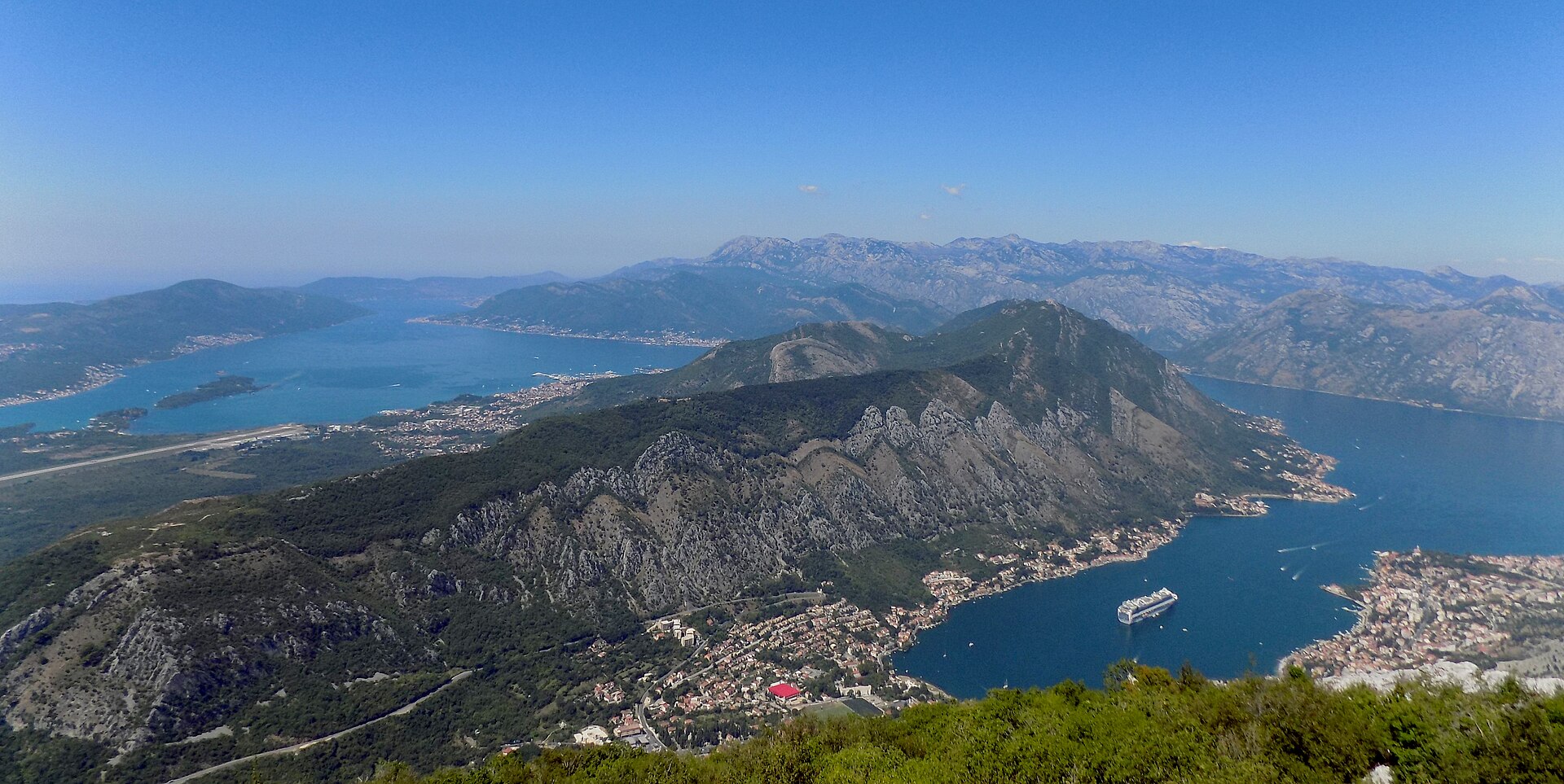
Neither is in the EU or Schengen. For US passport holders, Montenegro requires no visa for stays of up to 90 days, with a passport valid at the time of entry — and three months beyond your stay if you will be transiting a Schengen country, which on a cruise you certainly will. Albania requires no visa for US citizens, with three months’ validity beyond your date of departure.
Both countries are appearing on more itineraries: Virgin Voyages has added Sarandë for its 2027 Athens season and Carnival has added Bar. Practically, a Kotor or Sarandë call is cleared by the ship, you walk ashore with your ship card, and the only document event is on the manifest.
Gibraltar: a special case that changed in 2026
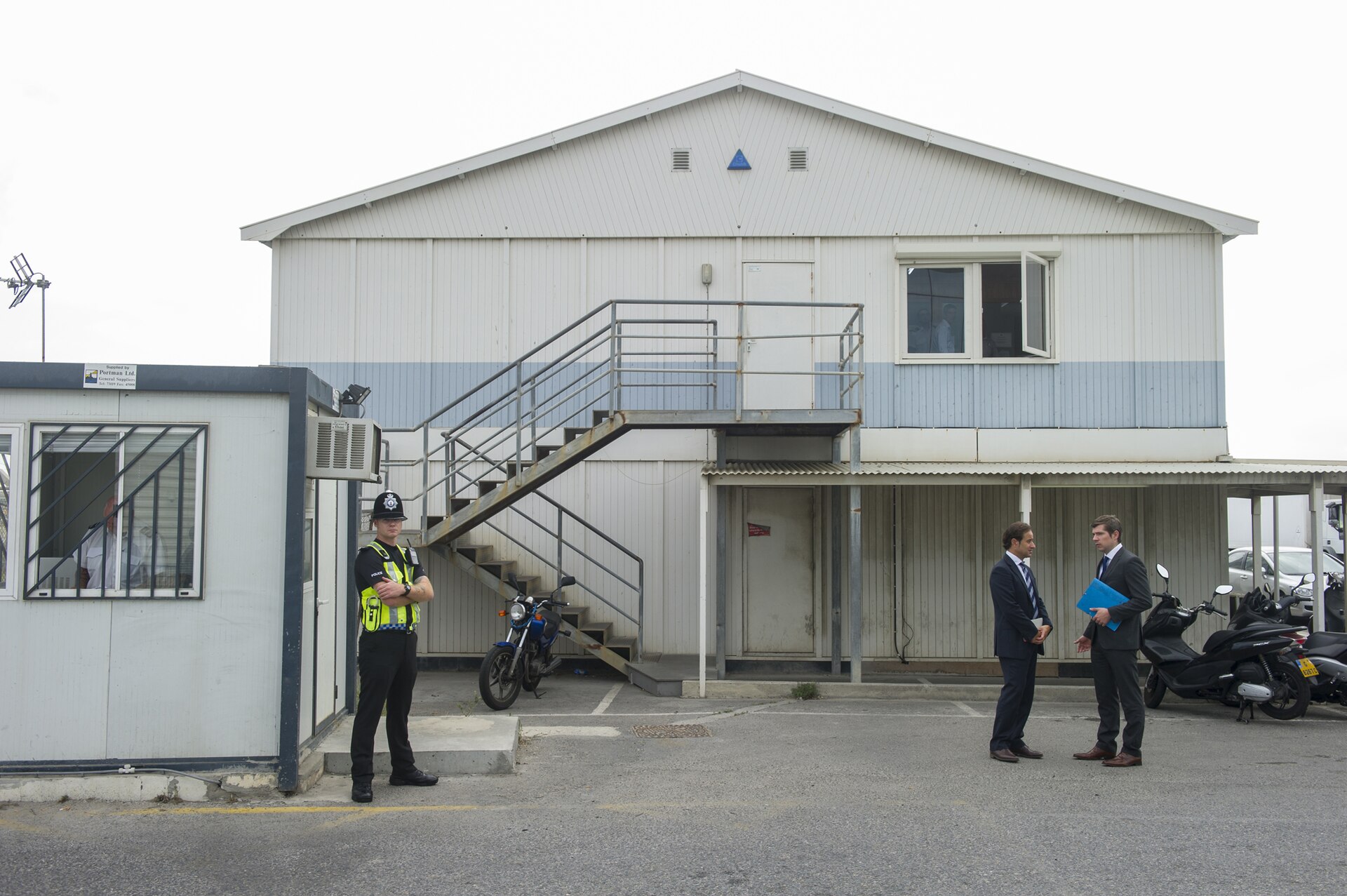
Gibraltar is a British overseas territory that has never been in Schengen, and its status changed materially in 2026. The EU–UK treaty on Gibraltar was signed on 14 July 2026 and has been provisionally applied since 15 July 2026, with European Parliament ratification expected in autumn 2026.
What that means at the quayside: routine land-border checks with Spain have ended, but Schengen entry checks are now carried out at Gibraltar’s airport and cruise port by Spanish officials working alongside Gibraltar’s own. Non-EU arrivals by sea have their biometrics recorded under EES. There are no cruise calls direct from third countries other than the United Kingdom.
For a US, UK, Canadian or Australian passenger this is invisible in practice: you walk off, you walk around the Rock, you walk back. It matters if you are planning to leave the ship in Gibraltar and cross into Spain independently, which now involves a Schengen entry decision rather than a wave-through. Our Spain and Portugal cruise ports guide covers the Gibraltar call in more detail, including the cable car’s closure for refurbishment.
Morocco and Tunisia: Tangier, Casablanca, La Goulette
North African calls are back on the schedule — Carnival has announced its first-ever Africa calls at La Goulette for Tunis and at Tangier for the 2027 season — so these rules are newly relevant to mainstream cruisers.
Morocco requires no visa from US or UK citizens for visits of 90 days or less. The passport requirements are stricter than Europe’s: valid for six months at entry, with one blank page available per stamp. Moroccan ports stamp passengers in and out, so on a long itinerary the blank-page rule is a real constraint rather than a formality. The UK position is set out on gov.uk’s Morocco entry requirements page.
Tunisia requires a passport valid at entry with six months’ validity beyond your arrival date. We could not confirm the visa position for a short tourist visit from the source we consulted, and rather than guess, we say plainly: check your own government’s advice before you sail if La Goulette is on the itinerary.
Egypt and Israel: currently the exception rather than the rule
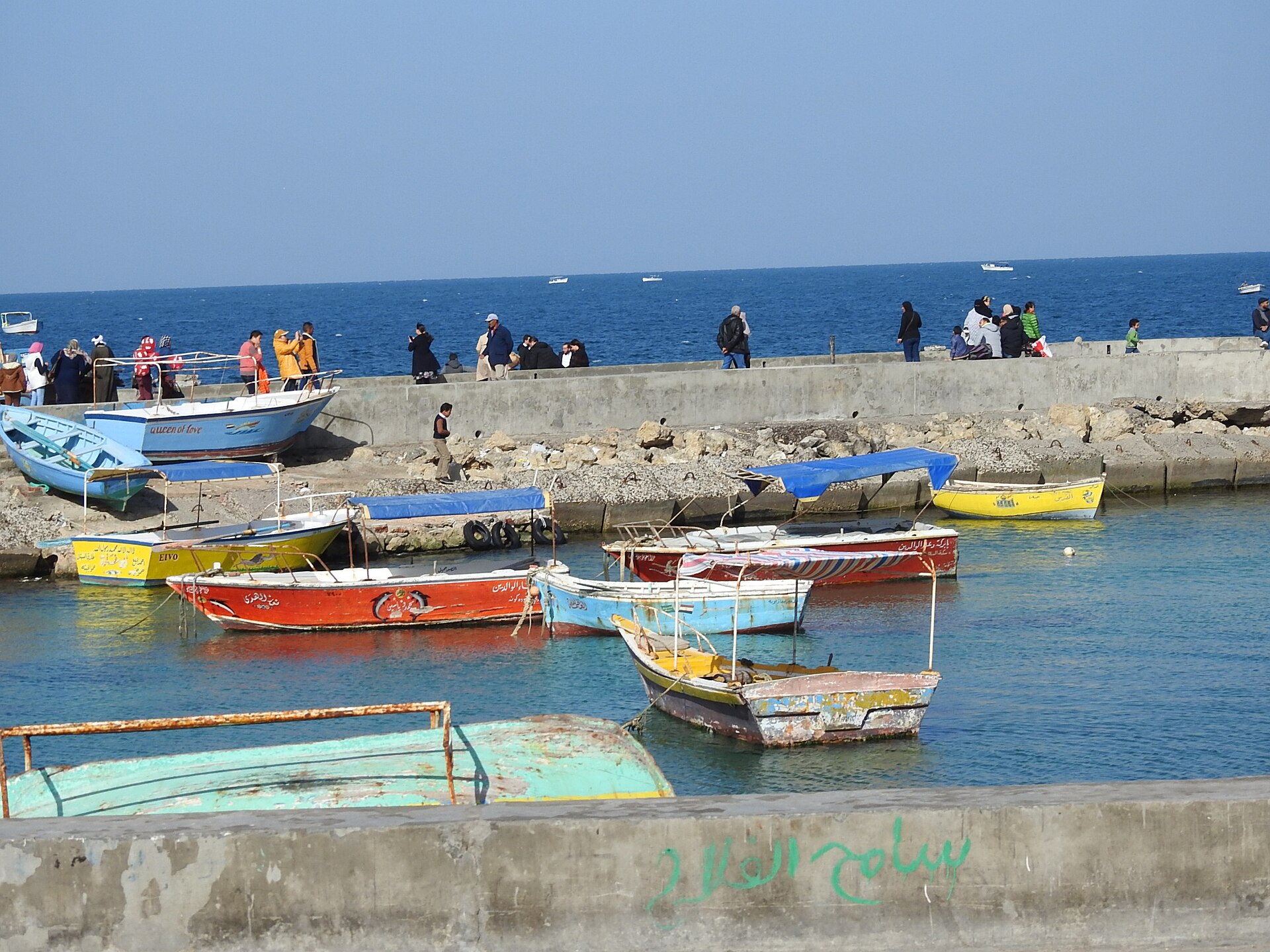
Major lines suspended calls at Haifa, Ashdod, Port Said and Safaga through 2026. Alexandria has continued to see some traffic. Anything written about these ports needs to be read against current government travel advice, which changes faster than any cruise itinerary.
Where Egypt is on the schedule, a visa is required. For US citizens the State Department describes a 30-day tourist visa costing roughly $30 in exact US cash and requiring a support letter from a travel agency, alongside a free 14-day visa on arrival available at some entry points; travellers arriving from Israel at the Taba crossing must have a visa in advance. Arrangements for cruise passengers differ from airport arrivals and differ between lines — we could not verify a single rule that applies across all of them, so ask your line directly and get the answer in writing.
Cyprus, and the one divided-island complication
Cyprus is in the European Union but not in the Schengen area, which puts it in an odd middle position. It will be covered by ETIAS — the authorisation covers 30 countries, the 29 Schengen states plus Cyprus — but it is not covered by EES, which applies to the 29 Schengen countries only. For a US, UK, Canadian or Australian passenger calling at Limassol or Larnaca, none of that changes anything practical: no visa is needed and the ship clears the call.
The complication is the island’s division. The Republic of Cyprus controls the south, including both cruise ports; the north is administered separately and is recognised only by Turkey. Cruise itineraries call in the south. If you are planning independent travel that crosses to the north and back on a port day, understand before you set out that the Republic treats arrival on the island through a northern port as illegal entry, and that the official crossing points are the mechanism that works. On a nine-hour port call this is not a sensible use of the day, and we would not attempt it.
One more Cyprus-specific point: it drives on the left, which matters if a hire car is part of your plan. Our guide to the Eastern Mediterranean cruise routes covers which itineraries include Cyprus and how the call typically runs.
Worked examples: three itineraries and exactly what each one needs
The abstract rules become much easier once you attach them to a real routing. Here are three common Mediterranean itineraries and the documents a US or UK passport holder needs for each.
Itinerary one: 7 nights, Barcelona round trip. Barcelona, Palma, Marseille, Genoa, Civitavecchia, Naples, Barcelona. Every call is in Spain, France or Italy, so this is entirely inside Schengen. You need a passport with six months’ validity beyond the end of the cruise, your EES registration taken on arrival at Barcelona airport, and ETIAS once it launches. No other document, no visa, and no passport in the day bag — the ship card is enough in every port. Total border crossings you personally experience: two, both at Barcelona airport.
Itinerary two: 10 nights, Athens to Venice. Piraeus, Mykonos, Kusadasi, Santorini, Corfu, Kotor, Dubrovnik, Split, Venice. This one leaves Schengen twice — for Turkey at Kusadasi and for Montenegro at Kotor — and re-enters twice. Documents needed: the same passport and EES registration, plus nothing at all for Turkey and Montenegro if you hold a US, UK or Canadian passport, because both are visa-free for those nationalities. Read the daily programme on the Kusadasi and Kotor mornings, because those are the two calls where your line may ask you to carry the passport ashore. The Greek cruise passenger fee lands on your onboard account at each Greek port, and our Greek cruise ports guide sets out the rates.
Itinerary three: 12 nights, Western Med with Morocco and Gibraltar. Barcelona, Valencia, Málaga, Gibraltar, Tangier, Cadiz, Lisbon, Barcelona. Three Schengen exits and re-entries: Gibraltar, Morocco, then back. Documents needed: a passport with six months’ validity at entry to Morocco — note that Morocco’s rule is measured at entry, not at the end of the cruise — and blank pages, because Tangier stamps you in and out. Gibraltar is straightforward for a day ashore but is now a Schengen entry decision if you plan to cross into Spain independently. This is the itinerary where the blank-page count genuinely matters and where an old, heavily stamped passport is worth replacing before you go.
The Schengen 90/180 rule, worked through for cruise passengers
The rule is simple to state and surprisingly easy to get wrong: a visa-exempt traveller may spend 90 days in any rolling 180-day period in the Schengen area. It is not 90 days per calendar year, and it is not 90 days per visit. On any given day, look back 180 days and count the days you were inside the area; the total must not exceed 90.
For a single two-week cruise this is academic. It stops being academic in three situations that Mediterranean cruisers get into regularly:
- Back-to-back sailings. Two consecutive 12-night cruises with a few land nights between them is a month, and if you did three weeks in France in the spring, you are already at seven weeks.
- Cruise-and-stay. Adding a fortnight in Tuscany or the Algarve either side of the sailing is exactly the pattern that pushes retired travellers over the line across a year.
- Snowbirds and repeat visitors. Anyone who does a spring trip and an autumn trip in the same 180-day window needs to count. EES now counts for you, automatically and accurately, which is precisely why the rule is being enforced far more consistently than it was when it depended on a border officer reading passport stamps.
Two counting details people get wrong. Your day of entry and your day of exit both count as full days inside the area. And time spent in non-Schengen countries on the itinerary — Turkey, Montenegro, Albania, Morocco — does not count towards the 90, which is a small but genuine advantage of an Eastern Mediterranean routing over a purely Western one if you are near the limit.
A worked example. You fly into Barcelona on 1 May and sail a 12-night Western Mediterranean cruise entirely within Schengen, disembarking on 13 May, then spend five nights in Barcelona, flying home on 18 May. That is 18 days used, 1 May to 18 May inclusive. If you return for a 10-night Greek islands cruise departing Athens on 20 September, the look-back window on your arrival date starts around 25 March, so the May trip is still inside it: you would be at 18 plus 11, or 29 days of your 90. Comfortable. Now add a six-week summer in Italy and the arithmetic changes completely.
Do I need to carry my passport ashore in each port?
Usually not. In Schengen ports the ship clears immigration for the whole manifest and your ship card is enough to get off and back on. Carry a photocopy or a phone photo instead, and leave the passport in the cabin safe. In non-Schengen ports, and anywhere you plan to travel independently well inland, follow your line’s instruction for that specific call.
This is the question people actually ask on the morning of a port day, and no page-1 result answers it at all. The practical position, port group by port group:
| Situation | What to carry | Why |
|---|---|---|
| Schengen port, ship’s excursion or independent walking | Ship card plus a photocopy | The ship has cleared the manifest; you are moving inside a single border area |
| Non-Schengen port (Turkey, Montenegro, Albania, Morocco) | Ship card; passport only if the line instructs | Clearance is still done by the ship, but some ports require passengers to carry the passport — the daily programme will say |
| Independent travel far inland (Florence, Rome, Granada, Ephesus by taxi) | Photocopy plus the ship’s emergency number | If you miss the ship, you need to prove identity to get to the next port — but a lost passport ashore is worse than a lost photocopy |
| Any flight during the cruise | The passport itself | Airlines will not accept a photocopy under any circumstances |
| Disembarkation day | The passport itself | You are leaving the manifest and entering the country in your own right |
The strongest argument for leaving it in the safe is pickpocketing. Barcelona, Rome and Athens all have organised, professional pickpocketing operations that specifically target cruise passengers on the days ships are in, and a stolen passport turns a good day into three days of consular appointments in a city you were supposed to leave at 17:00. A stolen photocopy costs you nothing.
The counter-argument is the missed-ship scenario, and it is real: if your ship sails without you, you need your passport to cross a border to catch it up. The compromise most experienced cruisers settle on is the photocopy in the day bag plus the passport in the safe, on the reasoning that a missed ship is recoverable with the ship’s agent’s help and a stolen passport is not recoverable at all. That is our view too. Our Mediterranean cruise tips guide covers the all-aboard arithmetic that keeps you from testing either theory.
How to make the copies, so they are actually useful
“Carry a photocopy” is standard advice and is usually followed badly. A photocopy that is in the same bag as the passport, or on a phone that is stolen alongside the wallet, has done nothing. The version that works has four layers and takes fifteen minutes to set up before you leave home.
- A paper copy in your day bag, separate from the passport. Photo page only; nobody needs your visa pages.
- A second paper copy in the cabin, with the passports, so that whichever one survives is enough.
- A photo on your phone, in an album you can find without a signal. Add the photo pages of everyone in the party, not just your own.
- The same set emailed to yourself, so it survives the phone. This is the layer people skip and the one that matters when a bag goes.
Add two things to the same set while you are there: the insurance policy number with the 24-hour assistance line, and a photo of your booking confirmation showing the ship name and your cabin number. Between them those cover most of the questions a port agent, a consulate or a hotel desk will ask you on the worst day of the trip.
On losing the ship card itself: it is an inconvenience rather than a crisis. Guest services reissues it, the old card is deactivated, and your onboard account is unaffected. The only genuinely awkward version is losing it ashore shortly before all aboard, which is why a photograph of the card — showing your name, cabin number and the ship — is worth taking on day one. Security at the gangway can work with that; they cannot work with nothing.
Two small habits that prevent most of it. Keep the ship card in a lanyard or a zipped pocket rather than loose with your cash, so that a pickpocket taking the wallet does not also take your way back on board. And photograph the ship’s own daily programme each morning, because it carries the all-aboard time, the port agent’s address and the emergency number, and it is the one document you will actually need in a hurry.
Documents for children, and for anyone whose name has changed
Children need their own passports for a Mediterranean cruise, at any age, including newborns. There is no family passport and no infant exemption. Two further points catch people out.
Child passports expire faster. UK child passports run five years rather than ten, and several other countries do the same. A passport issued when a child was three has expired by the time they are eight, and parents who have not travelled in a while frequently discover this in the week before sailing.
One parent travelling alone, or grandparents travelling with grandchildren, should carry a consent letter. This is not a universal legal requirement across the Mediterranean, but it is requested often enough — and by airlines as much as by border officers — that it is not worth the risk. A short letter signed by the non-travelling parent, giving the child’s details, the travel dates and a contact number, plus a copy of the absent parent’s passport photo page, covers it. If one parent is deceased or has sole custody, carry the death certificate or the court order.
On names: the name on your cruise booking must match the name in your passport exactly, and this is the single most common avoidable document failure in cruising. Middle names, hyphens, accents, a maiden name on the booking and a married name on the passport — all of these can and do cause problems at check-in. The fix is easy and free if you catch it early and expensive or impossible if you catch it late; call the line as soon as you notice. If you married between booking and sailing, the safest route is to travel under your pre-marriage passport and change the name afterwards.
Dual nationals, green-card holders and non-citizen residents
Three situations sit outside the simple “what passport do you hold” question, and each has a different answer.
Dual nationals should decide before booking which passport they are travelling on and then be consistent: the booking, the flights, the online check-in and the passport you present must all match. An EU dual national travelling on the EU passport is not subject to EES or ETIAS at all, which is a genuine advantage in a Barcelona arrival queue in July. What you cannot do is present one passport to the airline and a different one at the border without a very good reason; the systems are joined up now in a way they were not five years ago.
US permanent residents who are not US citizens travel on the passport of their nationality, and the entry rules that apply are those of that nationality — not the United States’. A green card gets you back into the United States; it does not get you into Schengen. Carry the green card as well as the passport, because you will need it on the way home.
UK residents with non-UK passports, and Canadian and Australian permanent residents are in the same position: the passport decides. If your passport is one that needs a Schengen visa, you need a Schengen visa — and for a cruise that visits multiple Schengen countries, you will normally need a multi-entry one, applied for at the consulate of the country of first entry. That process takes weeks, sometimes months in summer, so start it the day you book rather than the month you sail.
Cruise lines tell you to “check with the relevant embassy or consulate”, which is correct but unhelpfully vague. The concrete version: identify the Schengen country where your cruise first enters the area, and apply to that country’s consulate. On a Barcelona-start itinerary that is Spain, even if you spend more of the cruise in Italy.
What the cruise line needs before you sail — and the documents nobody mentions
Beyond the passport, every line runs its own document process in the weeks before embarkation. Missing a step does not usually stop you sailing, but it does put you in the slow queue at a terminal where the fast queue moves in minutes and the slow one takes an hour.
- Online check-in, typically opening 30 to 90 days out. You upload your passport details, a photo, your emergency contact and your payment card.
- The boarding pass or eDocs, printed. Phone screens usually work, but terminal Wi-Fi rarely does.
- Luggage tags, printed and attached before you reach the pier. Porters take the bags at the kerb.
- The health questionnaire, usually sent 24 to 48 hours ahead.
- Your arrival window or check-in time, which several lines now enforce at large homeports to manage terminal crowding.
- Onward travel details for disembarkation day, which some lines use to sequence you off the ship.
And the documents nobody puts on a list:
- Prescriptions. Carry medication in its original labelled packaging with a copy of the prescription or a letter from your doctor, split between hand luggage and cabin bag. Some common US and UK medicines are controlled substances elsewhere in the Mediterranean; codeine-containing painkillers are the usual example. Check before you pack anything unusual.
- Insurance documentation. Not required by any border, but the policy number and 24-hour assistance line should be somewhere you can reach them without Wi-Fi. A screenshot beats a bookmark.
- Cash declarations. Carrying €10,000 or more in cash or equivalent into or out of the EU must be declared. Almost nobody on a cruise is near this, but it exists.
- Proof of onward travel. Rarely requested on a cruise itinerary, since the manifest is the proof, but worth having your return flight confirmation to hand.
- Vaccination records. No Mediterranean country on a standard itinerary requires one, but a yellow-fever certificate can be requested if you have recently been in an affected country.
- A second form of photo ID. A driving licence, kept separately from the passport. If the passport goes, this is what gets you into a consulate.
Two copies of everything is the practical standard: one paper set in your case, one set photographed on your phone and emailed to yourself so it survives the phone being stolen too. Our guide to what to pack for a Mediterranean cruise sets out where each of these lives in the bag.
Embarkation day at the terminal, step by step
Knowing the order things happen in removes most of the anxiety, because it tells you what to have in your hand and when.
- The kerb. Porters take your checked bags, which must already carry the printed luggage tags. Anything you need in the next six hours — passports, medication, boarding documents, a change of clothes, the laptop — stays with you. Checked bags commonly reach the cabin between two and six hours after you board.
- Terminal entry. Security screening, airport-style. This is where power strips, irons and steamers are found and removed.
- The cruise line’s document check. Passport, boarding pass, health questionnaire. The line verifies validity against its own six-month rule here. This is the step that refuses people.
- Check-in and the ship card. Photo taken, card issued, payment card registered to the onboard account. On most lines this is now largely done in advance online and takes under two minutes at the desk.
- Immigration, where it applies. At a turnaround port inside Schengen, if you flew in and cleared EES at the airport, there is usually nothing further. At a first entry into the area by sea, this is where EES registration happens.
- The gangway. Ship card scanned. From this point the card, not the passport, is your identity document for the rest of the cruise.
Two things worth doing before you leave the terminal building: photograph your ship card, and note the ship’s port agent number from the daily programme or the terminal noticeboard. Those two pieces of information solve most of the problems that happen later.
If something goes wrong: lost passports, missed ships, denied boarding
Three failure modes account for almost every document disaster on a Mediterranean cruise. All three are recoverable; all three are much more recoverable if you have thought about them in advance.
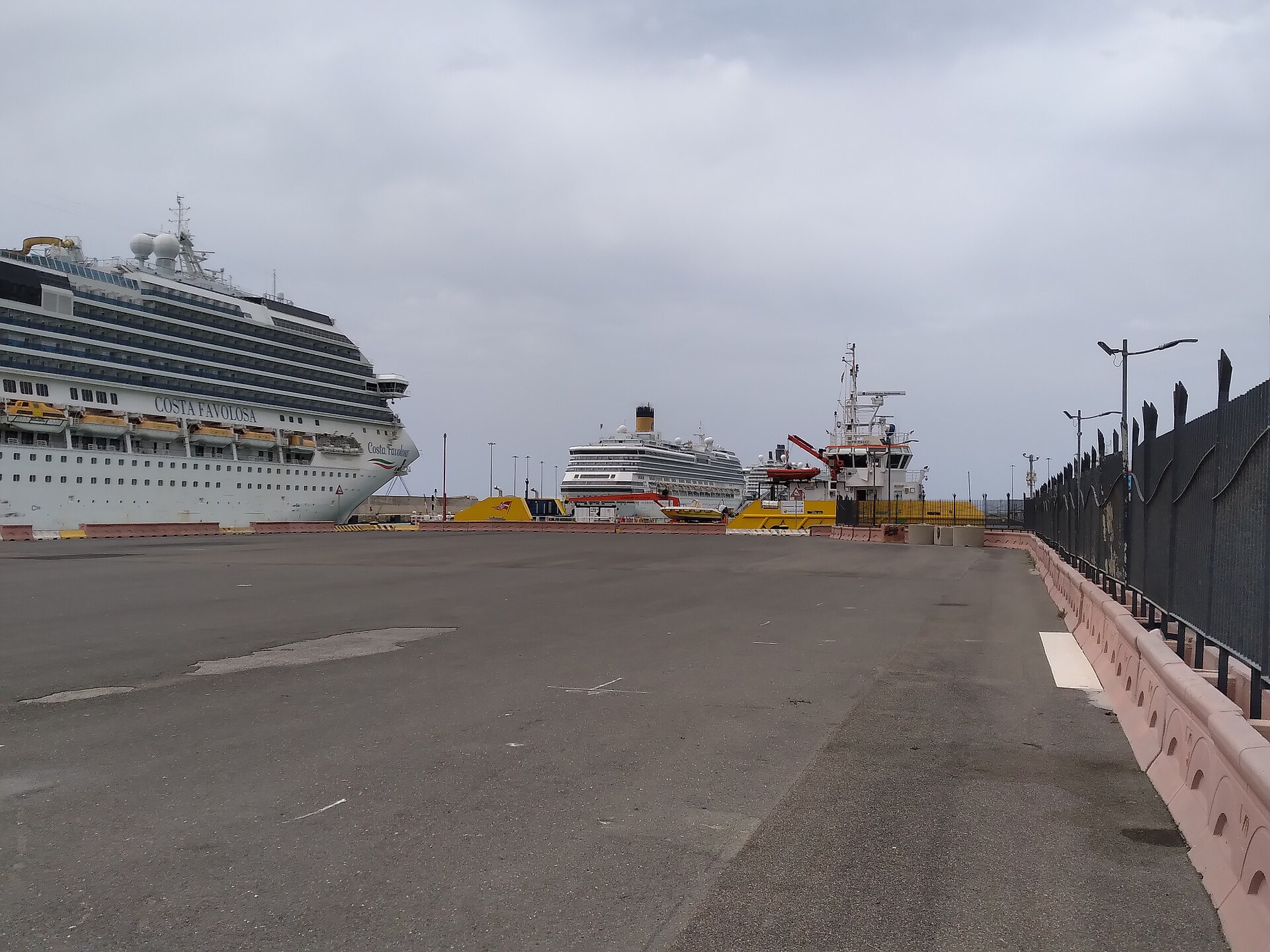
You lose your passport ashore. Report it to the local police and get a report reference — you will need it. Contact the ship immediately; the ship’s agent in port is the single most useful person in this situation and deals with it more often than you would think. Your own country’s nearest embassy or consulate can issue an emergency travel document, usually within a working day or two in a major city and considerably slower in a small one. The cruise will normally continue without you and the line will help arrange for you to rejoin at a later port, but that is at your expense unless your insurance covers it. Bring the photocopy: it materially speeds the replacement.
You miss the ship. The all-aboard time is not the departure time, and it is not negotiable. If you are on the ship’s own excursion, the ship waits or the line gets you to the next port at its cost. If you are independent, you are responsible for catching up. You will need your passport — which is the one argument for carrying it — and you will need to be able to reach the next port by land or air. This is the specific risk that cruise-specific travel insurance covers and that medical-only policies do not.
You are denied boarding at the terminal. Almost always a passport validity or name-match problem, and almost always discovered at the desk. There is no appeal and there is no discretion; terminal staff apply the line’s rule. This is why the six-month figure matters and why the name on the booking matters. Check both the day you book and again 90 days out.
What your insurance actually needs to cover
No Mediterranean country requires proof of insurance to enter and no mainstream line makes it a condition of boarding, so it is easy to treat it as optional. The failure modes above are the argument against that. Specifically, the cover that matters on a European cruise is not the cover most policies lead with.
- Missed departure. A delayed transatlantic flight on embarkation day is the single most likely thing to go wrong on a Mediterranean cruise, and a medical-only policy does nothing about it.
- Missing the ship in port. Sometimes sold as “itinerary change” or “travel delay” cover. It pays for the flights and hotels that get you to the next port, which on an Eastern Mediterranean routing can be a substantial sum.
- Lost passport and emergency travel documents. Covers the consular fees and, more usefully, the accommodation while you wait for the replacement.
- Medical evacuation from the ship. Ships’ medical centres stabilise; they do not treat. Evacuation from a ship at sea to a mainland hospital is the largest single bill in cruising and the reason cruise-specific policies exist.
- Pre-existing conditions declared. An undeclared condition voids the medical cover at exactly the moment you need it.
Read the policy for those five things specifically rather than for the headline medical limit. A $5 million medical limit with no missed-departure cover is the wrong policy for this trip.
Your document countdown, 12 months out to the gangway
- 12 months out. Check every passport in the party: the issue date, the expiry date, the blank pages and the physical condition. Renew anything that expires within six months of your return.
- 9 months out. Check the child passports separately — they run five years in several countries, not ten.
- 6 months out. Confirm the visa position for every non-Schengen country on the itinerary against your own government’s travel advice, not against a forum or a blog. Rules change.
- 4 months out. Buy travel insurance that covers missed departure and missing the ship, not just medical. Save the policy number and the 24-hour number to your phone.
- 3 months out. Check whether ETIAS has gone live. If it has, apply — it is €20, it takes minutes, and it lasts three years.
- 90 days out. Check the name on the booking against the name in the passport, character by character. This is the last comfortable moment to fix a mismatch.
- 60 days out. Complete online check-in as soon as it opens. Upload the passport, the photo and the emergency contact.
- 30 days out. Download the EU’s official “Travel to Europe” app if you want to pre-register for EES. Photograph every document and email the set to yourself.
- 2 weeks out. Print the boarding documents and the luggage tags. Print a paper copy of the insurance policy.
- 48 hours out. Complete the health questionnaire the line sends. Confirm your terminal arrival window.
- Embarkation day. Passports and boarding documents in hand luggage, never in the checked bag the porter takes at the kerb.
- Each port morning. Read the daily programme for that call’s document instruction before you leave the ship.
For what each Turkish, Cypriot and Egyptian port is like once you are through passport control, and for the current status of cruise calls in Israel and Egypt, see our guide to the cruise ports of Turkey and the eastern Mediterranean.
Your passport gets you ashore; your insurance gets you home if something goes wrong there. Medicare stops covering you once the ship is more than six hours from a US port, and a UK GHIC is not valid on board even when the ship is docked. Our Mediterranean cruise travel insurance guide covers the cover levels to buy and when to buy them.
Documents and money travel together on a cruise, and the non-euro ports are where both get complicated. Our guide to money on a Mediterranean cruise covers the currency in every port of call, why Morocco’s dirham and Tunisia’s dinar are closed currencies you cannot bring home, which lines bill your onboard account in dollars or euros, and how to keep your phone off the ship’s roaming network.
Where this guide goes deeper
This page is the hub for documents and entry rules on a Mediterranean cruise. Over the coming weeks we are publishing the detailed guides that sit beneath it, and we will link each one here as it goes live.
- The basics. Do I Need a Passport for a Mediterranean Cruise? (US, UK, Canada, Australia) and Passport Validity for Europe: The 3-Month, 10-Year and Cruise-Line 6-Month Rules.
- The new European systems. EES for Cruise Passengers: How Europe’s Entry/Exit System Works at Cruise Ports, ETIAS for Cruise Passengers: Do You Need It for a Mediterranean Cruise?, ETIAS Start Date: Latest Timeline, Cost and Who Needs It and The Schengen 90/180 Rule for Cruise Passengers (With Worked Examples).
- The country-specific questions. Turkey Visa for Cruise Passengers: US, UK, Canadian and Australian Rules, Egypt Visa on a Mediterranean Cruise: Alexandria and Port Said Stops and UK Passport Rules for a Mediterranean Cruise After Brexit (10-Year, 3-Month, EES).
Mediterranean cruise document FAQs
How long does my passport need to be valid for a Mediterranean cruise?
Six months beyond the end of the cruise, because that is what the cruise lines require and they check first. The underlying Schengen rule is less strict — three months beyond your intended departure, with the passport issued within the previous ten years — but the line’s rule is applied at the terminal desk and there is no appeal.
Do I need ETIAS for a Mediterranean cruise?
Not yet. ETIAS is not in operation and no applications are being collected as of September 2026. It launches in the last quarter of 2026 with mandatory enforcement in 2027, costs €20, and lasts three years or until your passport expires. Check the official EU site before you sail, because the date has slipped repeatedly.
What is EES and does it affect cruise passengers?
The Entry/Exit System has been fully operational across all 29 Schengen countries since 10 April 2026. It records your passport details, facial image and fingerprints at the border in place of a stamp. There is nothing to apply for. It affects cruise passengers mainly as arrival-day queueing at Barcelona, Rome and Athens airports.
Do cruise passengers need a visa for Turkey?
Not if you hold a US, Canadian or UK passport — all three are visa-free for 90 days in any 180, and have been for US and Canadian citizens since 1 January 2024. Other nationalities should check the Turkish e-Visa system directly. Do not rely on the widely repeated claim that cruise passengers get a 72-hour exemption; we could not verify it.
Do I need to take my passport ashore on a Mediterranean cruise?
Usually not in Schengen ports, where the ship clears immigration for the whole manifest and your ship card is enough. Carry a photocopy and leave the passport in the cabin safe. Follow the line’s specific instruction for non-Schengen calls, and always carry the passport itself on disembarkation day or for any flight.
What documents do children need for a Mediterranean cruise?
Their own passport, at any age, including newborns. There is no family passport and no infant exemption. Child passports expire faster than adult ones — five years in the UK and several other countries. If only one parent is travelling, carry a signed consent letter from the other and a copy of their passport photo page.
What happens if the name on my booking does not match my passport?
Call the cruise line as soon as you notice. Corrections made early are usually free; corrections made close to sailing can cost a fee or prove impossible, and a mismatch found at the terminal desk is grounds for refusal. If you marry between booking and sailing, travelling under your pre-marriage passport is the safest route.
Do I need a visa for Montenegro or Albania on a cruise?
Not for US passport holders. Montenegro allows stays of up to 90 days without a visa and Albania requires no visa, with three months’ passport validity beyond your departure date. Both are outside the EU and Schengen, so the call is a border crossing in each direction — but the ship clears it, not you.
Is travel insurance a legal requirement for a Mediterranean cruise?
No country on a standard Mediterranean itinerary requires proof of insurance to enter, and no mainstream line makes it a condition of boarding. We think you should carry it anyway, and specifically the kind that covers missed departure and missing the ship rather than medical treatment alone — those are the realistic failure modes on a port-intensive European route.
How many blank passport pages do I need?
At least two, and more on a long itinerary. Schengen countries are phasing out stamping in favour of the EES digital record, but non-Schengen calls still stamp: Morocco requires one blank page per stamp and stamps both entry and exit. A world or long repositioning cruise can use several pages.
Can I use a passport card instead of a passport book?
No. A US passport card is valid only for land and sea entry to Canada, Mexico, Bermuda and the Caribbean. It is not accepted for any Mediterranean itinerary, and it cannot be used for the international flight you need to reach the embarkation port. You need the passport book.
Do I need a Schengen visa if my cruise only calls at Schengen ports?
Only if your nationality requires one — and then yes, usually a multi-entry one, applied for at the consulate of the country where your cruise first enters the Schengen area. US, UK, Canadian and Australian passport holders do not need a Schengen visa. Allow weeks, not days, if you do.
Does time on a cruise ship count towards my Schengen 90 days?
Days you spend ashore in the Schengen area count, and your day of entry and day of exit each count as a full day. Time in non-Schengen countries on the same itinerary — Turkey, Montenegro, Albania, Morocco — does not. EES now tracks this automatically, which is why the rule is enforced far more consistently than it used to be.
What happens to my documents if the itinerary changes mid-cruise?
Port substitutions are common on Eastern Mediterranean and North African routes and occasionally add a country you had not planned for. The line checks the document position for the whole manifest before it makes the change, and will say if a call cannot be made for document reasons. If a substituted port needs something you do not have, you stay on board — you are not stranded.
Is a driving licence enough ID to get back on the ship?
Your ship card is what gets you back on board, and the gangway scan is the check that matters. A driving licence is worth carrying as a second photo ID in case the card is lost, and as the document that gets you into a consulate if your passport goes, but it is not a substitute for either the ship card or the passport.
Do I need different documents for a repositioning or transatlantic cruise?
The same passport rules apply, but a transatlantic crossing usually starts or ends outside the Schengen area, so your entry and exit points differ from a round trip. Check which country you first enter and which you last leave, because that pair decides your EES record, your 90/180 count, and which consulate to approach if you need a visa.
How we researched this guide
Every rule on this page comes from a named source with the date we checked it, and where a source did not state a rule clearly we have written “check” or “verify” rather than fill the gap with a plausible answer. The EES and ETIAS positions — operational status, start dates, fee, validity, coverage, the 72-hour pre-registration app and the biometric data recorded — come from the European Commission’s own migration and home affairs publications, checked on 18 September 2026. The €20 ETIAS fee is from the Commission’s announcement of 17 July 2025. Passport validity rules for cruise lines are quoted from Royal Caribbean’s and Celebrity’s published travel documents pages, checked the same day. Entry requirements for Montenegro, Albania, Morocco, Tunisia and Egypt come from travel.state.gov, and the Morocco position is cross-checked against gov.uk. The Gibraltar position comes from reporting on the EU–UK treaty signed on 14 July 2026 and provisionally applied from 15 July 2026, together with Gibraltar government sources.
We are an independent editorial site and we do not sell cruises, visas or travel authorisations. Nothing here is legal advice, and entry rules are the one area of travel where the official source always outranks a guide — including this one. Before you sail, check travel.state.gov, gov.uk, travel.gc.ca or smartraveller.gov.au for your own nationality and every country on your itinerary. Entry rules on this page are re-checked quarterly and on any official announcement; the ETIAS date in particular has slipped more than once and should be treated as provisional until the EU names a day.
Image credits
| Image | Photographer | Licence |
|---|---|---|
| Biometric border control hall, Marseille Provence Airport | Okki; derivative work by Bonus bon | CC BY-SA 4.0, via Wikimedia Commons |
| Palacrociere terminal, Savona | P 1997 | CC BY-SA 4.0, via Wikimedia Commons |
| Moll Adossat, Port of Barcelona | Jordiferrer | CC BY-SA 4.0, via Wikimedia Commons |
| Galataport promenade, Istanbul | Keizers | CC BY-SA 4.0, via Wikimedia Commons |
| Bay of Kotor, Montenegro | Milica Buha | CC BY-SA 4.0, via Wikimedia Commons |
| Gibraltar–Spain frontier control post, 2013 | InfoGibraltar | CC BY 2.0, via Wikimedia Commons |
| Fishing boats in the harbour at Alexandria, Egypt | Cecioka | CC BY-SA 4.0, via Wikimedia Commons |
| Port of Civitavecchia | Captain Raju | CC BY-SA 4.0, via Wikimedia Commons |
Published 29 September 2026. Entry rules, fees and cruise line document policies were checked on 18 September 2026 and will change — verify every rule that applies to you against your own government’s travel advice before you sail. Further reading: the European Commission’s EES and ETIAS comparison and the US State Department’s guidance for cruise ship passengers.