The main Spain cruise ports are Barcelona, Palma de Mallorca, Malaga, Valencia, Cadiz (for Seville), Ibiza, Alicante and Cartagena, with Motril and Almeria for Granada and Mahon on Menorca. In Portugal, ships call at Lisbon and Portimao. Almost all of them dock rather than tender, which makes Iberia one of the easiest regions of the Mediterranean to explore from a ship.
Spain is one of the two biggest cruise countries in the Mediterranean, alongside Italy, and Barcelona alone handles around 3.9 million cruise passengers a year. But the ports behind that number are very different days. Some put you a short walk from a historic centre; some need a shuttle bus; two of the most famous names — Seville and Granada — are not on the coast at all. Gibraltar changed its border rules in July 2026, Palma is cutting its summer passenger cap for 2027, and Barcelona is shrinking its terminal count. This guide sets out every Iberian call with the dock, the distance, the transport and a dated price, and says plainly where a figure could not be re-verified this season. If you are choosing the whole trip rather than planning port days, our Western Mediterranean cruise guide compares routes across lines.
Spain cruise ports at a glance
| Busiest port | Barcelona: seven international terminals, around 3.9 million cruise passengers a year, and the Mediterranean’s leading homeport with 2,311,722 homeport passengers in 2025. |
| Walk off into town | Cadiz, Cartagena and Malaga (about 15 minutes); Barcelona’s WTC terminals (about 10 minutes to La Rambla); Lisbon’s Jardim do Tabaco terminal, next to the Alfama. |
| Shuttle needed | Barcelona’s Adossat terminals, Palma (from the outer berths), Valencia (about 4 km out), large ships at Alicante and Ibiza’s Botafoc. |
| Inland icons | Seville from Cadiz, 75 mi (120 km); Granada from Motril, 40 mi (64 km), or from Malaga. |
| Rule changes | Palma: maximum three ships a day, summer passenger cap cut from 8,500 to 7,500 for 2027–2029. Barcelona: €11 transit tax, terminals to fall from seven to five by 2030. Gibraltar: Schengen checks at the cruise port since 15 July 2026. |
| Local fees | Barcelona €11 (about $13) per short-stay cruise passenger; Lisbon a reported €2 disembarkation tax. |
| Currency | Euro in Spain and Portugal; pound in Gibraltar; dirham in Morocco (Tangier). |
| Plugs | Spain and Portugal Type C and F, 230 V; Gibraltar UK-style Type G. |
| Conversions | €1 = $1.1592, ECB reference rate, 11 September 2026. Prices on this page are as of September 2026 unless dated otherwise. |
What are the main cruise ports in Spain?
The main cruise ports in Spain are Barcelona, Palma de Mallorca and Malaga, followed by Valencia, Cadiz, Ibiza, Alicante, Cartagena and Mahon. Motril and Almeria serve Granada on a smaller number of itineraries, and Atlantic-coast ports such as Vigo, A Coruña and Bilbao appear on sailings from Northern Europe rather than Mediterranean routes.
For a Mediterranean cruise, it helps to group them by what the port is really for:
- City ports where the destination is the port city itself: Barcelona, Valencia, Malaga, Cadiz, Cartagena, Alicante.
- Island ports in the Balearics: Palma, Ibiza and Mahon, each with a walled or hilltop old town and beaches within reach.
- Gateway ports that exist mainly to reach somewhere inland: Motril and Almeria for Granada, and Cadiz for Seville and Jerez.
- Edge-of-the-Med ports: Gibraltar, which is British; Lisbon and Portimao in Portugal on the Atlantic; and Tangier in Morocco, newly on Carnival’s 2027 schedule.
Spain’s great advantage over Italy and Greece for cruise passengers is that its port cities are destinations in their own right. Malaga, Valencia and Cadiz have excellent old towns, food markets and museums close to the ship. The places that need real planning are the inland icons — the Alhambra and Seville — and the Balearic ports where your berth decides whether you walk or wait for a bus.
Every Spanish and Portuguese cruise port compared
This is the port-by-port reference for Iberian cruise calls. Several local fares in it come from guides we could not re-verify for 2026, and they are flagged. Dock locations, distances and rules are from port authorities and dated sources.
| Port | Dock or tender | Distance to centre or sight | Transport, as of September 2026 | Walkable from the ship? |
|---|---|---|---|---|
| Barcelona | Dock; seven terminals on the Adossat and Barcelona quays | Adossat to the Columbus Monument 1.2–1.9 mi (2–3 km); WTC about 10 min to La Rambla | PortBus €3 one way; metro from Drassanes | WTC yes; Adossat no |
| Palma de Mallorca | Dock at Estació Marítima or the outer Porto Pi berths | About 40 min walk from Estació Marítima; 75–90 min from Porto Pi | EMT line 1 about €3; line shuttles and taxis (re-verify) | Only from the inner berths |
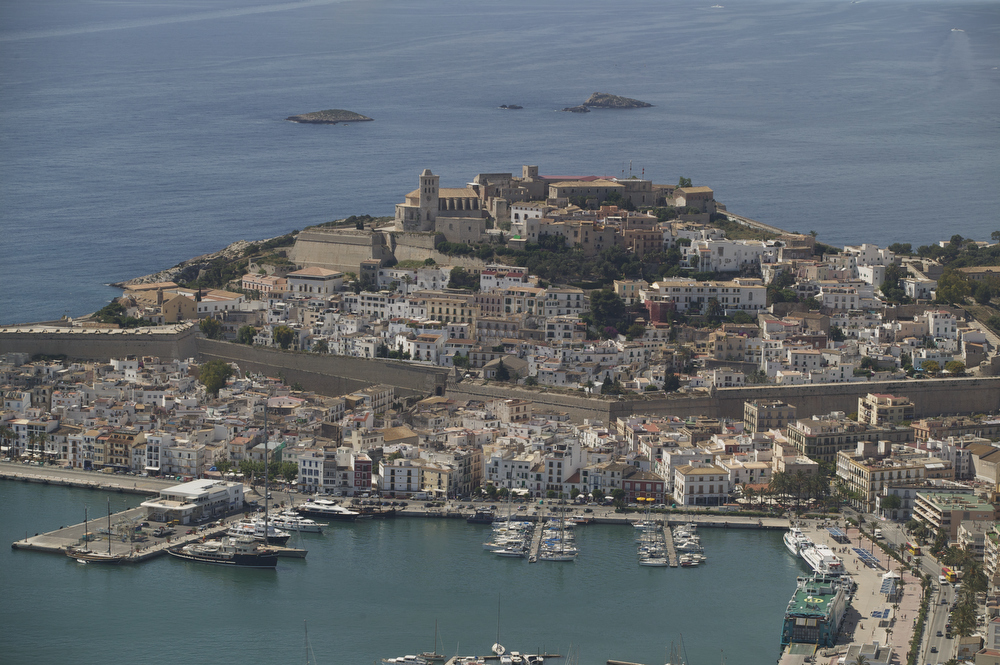
| Ibiza | Dock at Botafoc (large ships) or Muelle Levante (small) | A long walk from Botafoc; Dalt Vila uphill | City boat across the harbour; shuttle; taxi (re-verify fares) | From Muelle Levante |
| Mahon (Menorca) | Dock in the long natural harbour | Old town up 107 steps, or two panoramic lifts | Walk, lift or tourist train (re-verify) | Yes, with steps |
| Valencia | Dock about 2.5 mi (4 km) from the centre | Old town a short walk from the shuttle drop | Line shuttles, city bus or taxi (re-verify fares) | No |
| Alicante | Dock on a 700 m pier | Explanada about 15 min for small ships | Free shuttle for large ships; castle lift | Small ships yes |
| Cartagena | Dock beside the marina | Centre about 5 min | Walk; tourist bus (re-verify) | Yes |
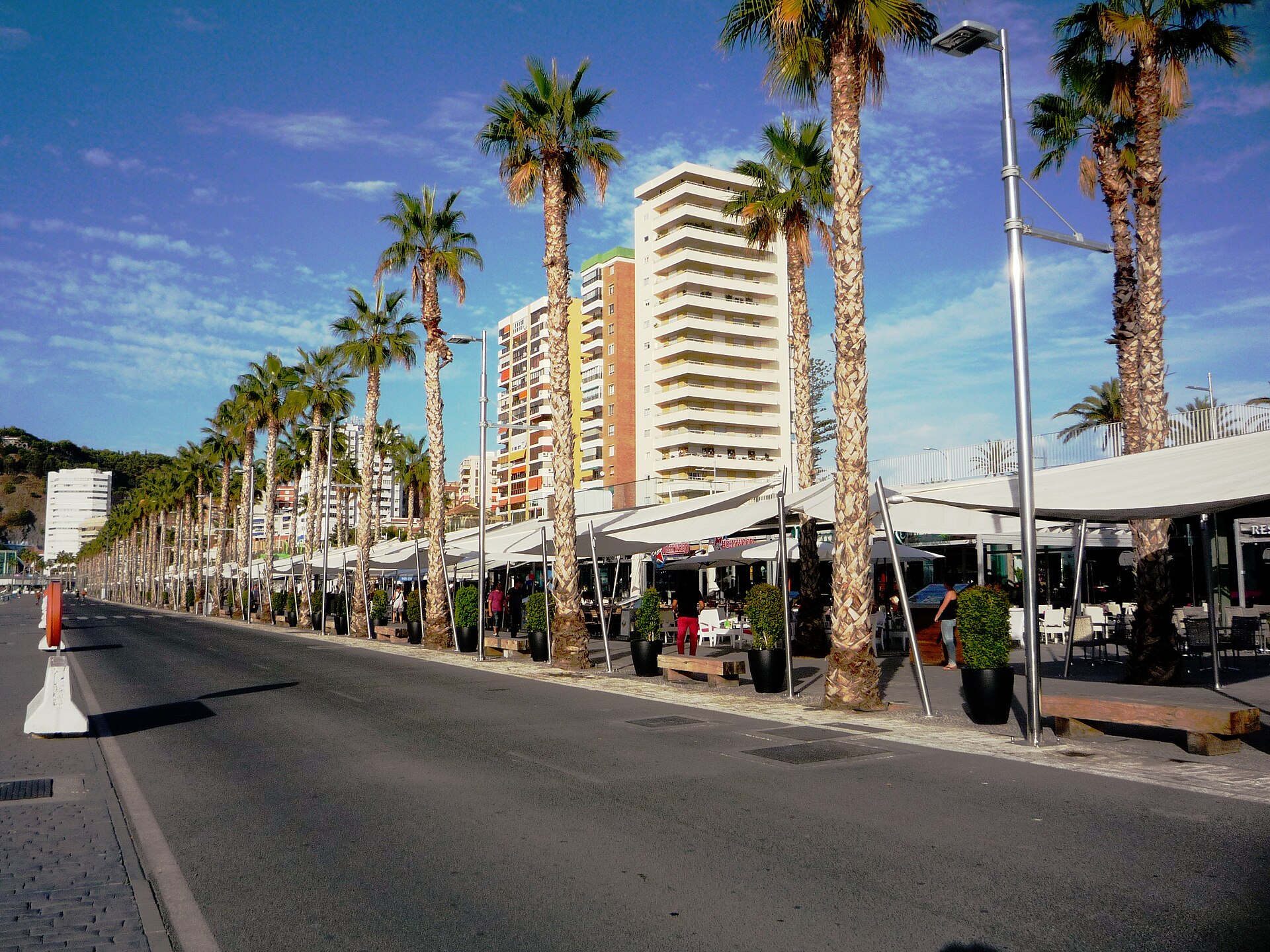
| Malaga | Dock at Levante terminals A and B, or El Palmeral in the city | Centre about 1.2 mi (2 km), about 15 min | Port shuttle to Plaza de la Marina (re-verify fare); Granada about 1 h 30 by road | Yes |
| Motril | Dock; berths for ships up to 300 m | Granada 40 mi (64 km); Alhambra about 45 min by road | Occasional free shuttle to town; tours to Granada | No |
| Almeria | Dock at Muelle de Levante | Centre about 1 km; Alcazaba up about 200 steps | Walk | Yes |
| Cadiz | Dock at the Alfonso XIII pier, in the centre | Old town at the gate; Seville 75 mi (120 km); Jerez 19 mi | Up to 12 regional trains a day to Seville, about 1 h 30 (re-verify timetable) | Yes |
| Gibraltar | Dock; terminal about 1 mi (1.5 km) from town | Main Street about 15 min on foot | Cable car closed until 2027; Upper Rock tour £49 | Yes |
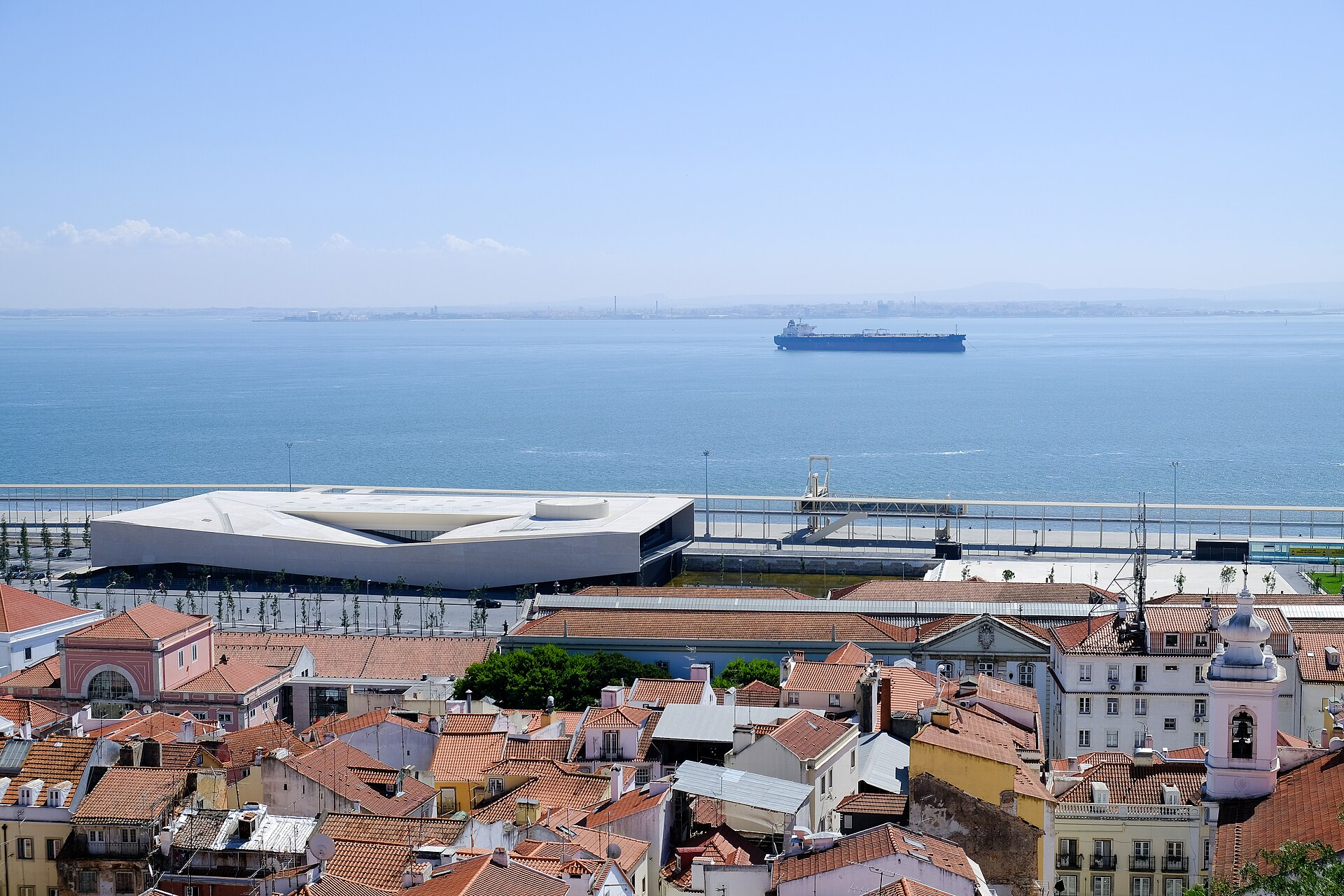
| Lisbon | Dock at the Lisbon Cruise Terminal, Jardim do Tabaco | Alfama next door; Belém to the west | Trams, taxis; Sintra by train from Rossio, about 40 min | Yes |
| Portimao | Dock, or tender for the largest ships | Town about 1 mi (1.5 km) along the riverfront | Minibus; taxi to the beaches | Yes |
Our honest reading of that table: Cadiz, Cartagena, Malaga and Lisbon are the most rewarding walk-off ports in Iberia; Barcelona is excellent but needs the shuttle if you berth at Adossat; and Palma, Valencia and Ibiza are all better days once you know which berth your ship is using, because the difference between an inner and an outer berth can be an hour of your day.
Barcelona as a port of call
Barcelona is most often where a cruise starts or ends, but plenty of itineraries call there mid-voyage, and it makes a superb port day. The Port of Barcelona runs seven international terminals: A, B, C, D (Palacruceros), E (Helix) and the MSC terminal on the Adossat quay, and WTC Barcelona on the Barcelona quay close to the city. The WTC terminals are about 10 minutes on foot from the foot of La Rambla; the Adossat terminals are 2 to 3 km out along the breakwater, which is why the PortBus shuttle exists, at €3 one way as of September 2026.
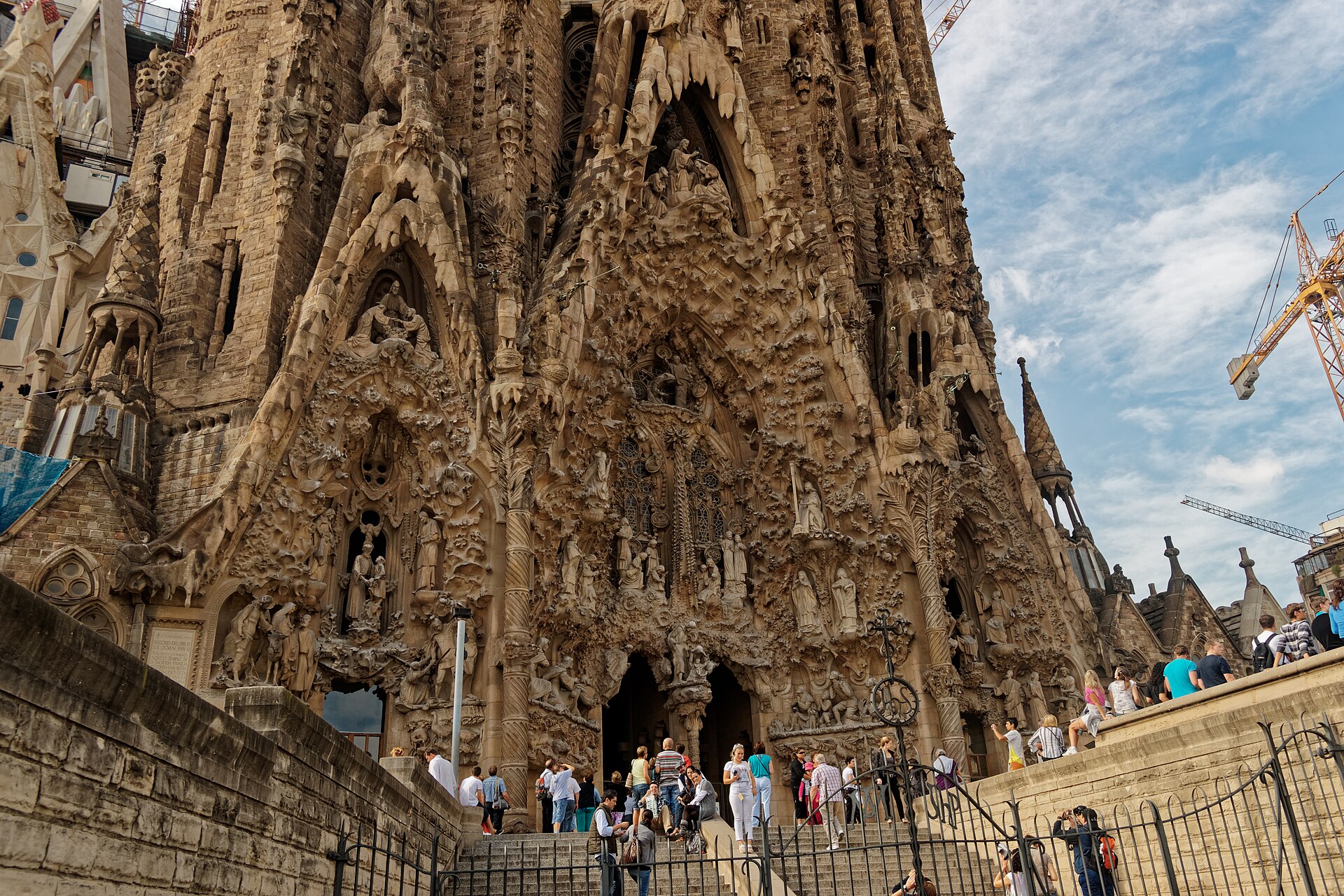
From the Columbus Monument, the Gothic Quarter and La Rambla are on foot, and the metro from Drassanes reaches the rest of the city. The Sagrada Familia is sold online only, with tickets from €26 (about $30) and timed entry. On 11 September 2026 its official site displayed a “temporarily closed” notice, so check the status before you plan the day around it.
Two changes are worth knowing. First, Barcelona charges cruise passengers staying under 12 hours €11 (€6 regional plus €5 municipal). The city council has agreed to push the municipal part up so transit passengers would pay about €30, but that needs the Catalan Parliament and has no effective date. Second, under a port–city agreement of July 2025, the Adossat quay is to go from seven terminals to five by 2030, reducing simultaneous capacity from about 37,000 passengers to about 31,000, and Terminal G is due to open for Royal Caribbean Group in spring 2027. None of that changes a 2027 port day much, but it explains why the terminal named in your documents may be different from the one a friend used last year.
If Barcelona is your embarkation port rather than a call, our embarkation ports guide covers the airport transfer, including the €46 fixed taxi fare.
The Balearics: Palma, Ibiza and Mahon
Palma de Mallorca
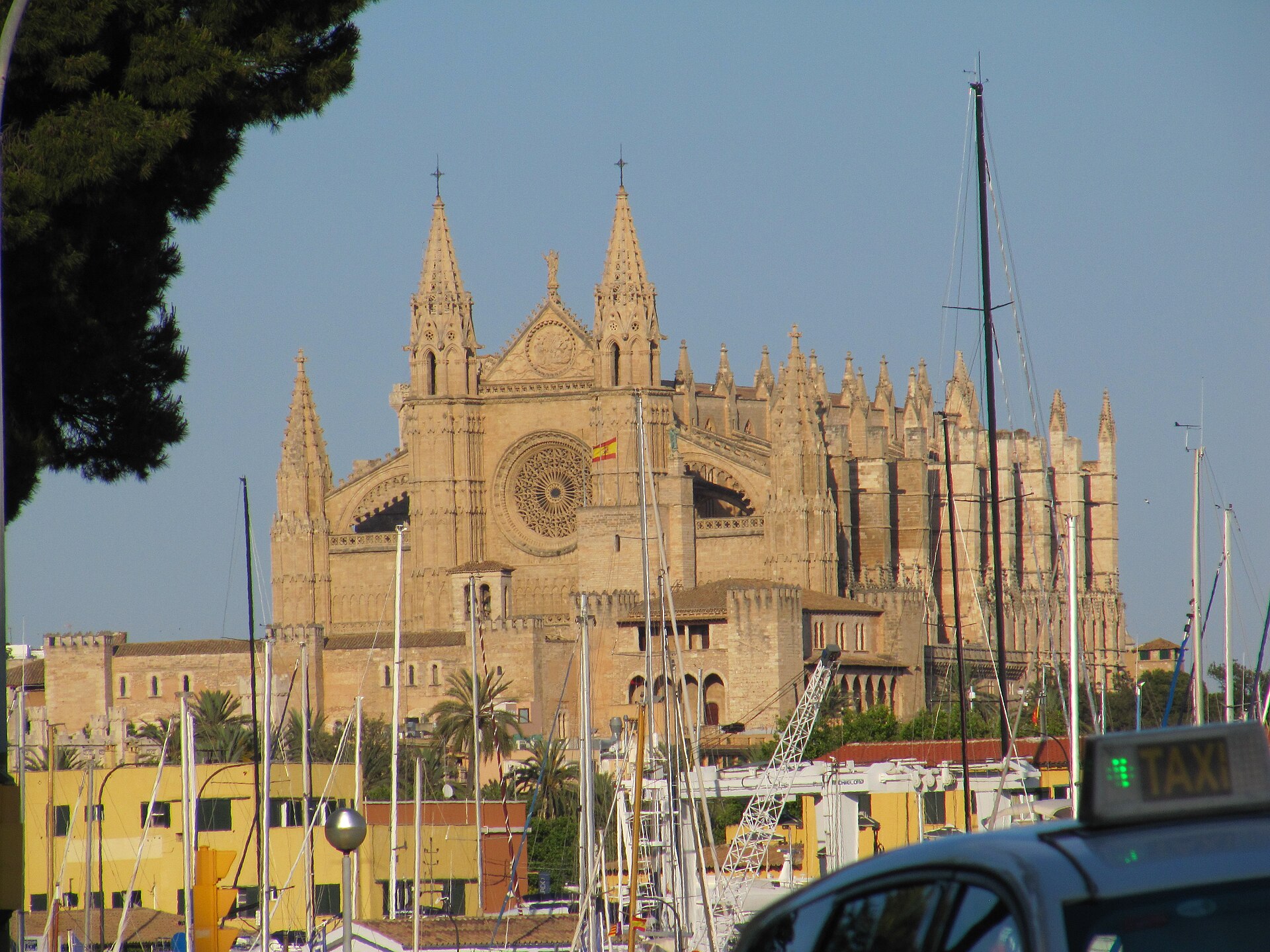
Palma is the most common first call out of Barcelona, and a lovely one: a Gothic cathedral on the waterfront, an old town of courtyards and narrow lanes, and the Bellver castle on its hill. The catch is geography. Ships dock either at the Estació Marítima, about 40 minutes’ walk from the centre, or at the outer berths towards Porto Pi, which are 75 to 90 minutes on foot. The cathedral is about 6 km along the waterfront from the outer berths. City bus line 1, line shuttles and taxis all run; the fares quoted in guides (about €3 by bus) could not be re-verified for 2026.
Palma is also the Balearic port where the rules are tightening. The renewed memorandum between the island government and the cruise industry body CLIA limits the port to three ships a day, and cuts the summer (June to September) passenger cap from 8,500 to 7,500 for 2027 to 2029, staying at 8,500 from October to May, under an agreement that runs to 2031. For passengers, that should mean slightly less crowded summer days; for itineraries, it means Palma may drop off some summer sailings or appear on different days of the week.
Ibiza
Ibiza’s cruise day centres on Dalt Vila, the walled upper town and UNESCO World Heritage Site above the harbour. Large ships dock at the Botafoc dike across the bay, a long walk from town; smaller ships use the Muelle Levante much closer in. From Botafoc, a harbour boat, shuttle or taxi is the practical choice. Dalt Vila itself is uphill on cobbles, so allow time and wear proper shoes.
Mahon, Menorca
Mahon sits at the end of one of the longest natural harbours in the Mediterranean, around 6 km long, and the sail-in is part of the day. Ships dock in the harbour below the old town, which sits on a ridge: you reach it by 107 steps or by two panoramic lifts. It is a small, quiet, very pleasant port day, and a good one for anyone who wants a slower pace between bigger cities.
Valencia, Alicante and Cartagena
Valencia is Spain’s third city and one of its most underrated cruise calls. The cruise berths are about 4 km from the centre, so you need a shuttle, bus or taxi, but once there the old town, the Central Market and the City of Arts and Sciences make a full day. The Turia gardens, a long park in a former river bed, connect them, and on a hot day they are the shadiest way across town.
Alicante docks on a 700-metre pier. Small ships are about 15 minutes’ walk from the palm-lined Explanada; large ships get a free shuttle. The Santa Bárbara castle on the hill above the city is reached by a lift cut into the rock, which is the one thing everyone should do.
Cartagena is one of the easiest ports in Spain: the berth is beside the marina and the city centre is about 5 minutes away. Its Roman Theatre, rediscovered in the late 20th century and now a museum, is the headline, and the whole compact old town is walkable. One warning for anyone searching online: Cartagena, Spain and Cartagena, Colombia share a name, and a lot of cruise content mixes them up.
Which cruise port is closest to Granada and the Alhambra?
Motril is the closest cruise port to Granada, about 40 miles (64 km) away, with the Alhambra roughly 45 minutes by road. Malaga is the more common port for Granada, about 1 hour 30 minutes by road, and Almeria is further still, more than two hours. From any of them, the Alhambra is a long day that most passengers do on a tour.
The Alhambra is the most complicated excursion in Iberia, and it is worth understanding why before you choose an itinerary for it. The general ticket costs €22.27 (about $26) and is named: your passport or ID must match. Entry to the Nasrid Palaces, the part of the complex everyone comes for, is in a fixed 30-minute slot, and it does not move if your coach is late. Tickets go on sale up to a year ahead, and the good slots sell early. Put a fixed slot together with a 90-minute drive each way and a ship’s all-aboard time, and you have exactly the situation where a ship’s tour, with the line’s guarantee to wait, is worth its price.

If you would rather not spend the day on a coach, Malaga itself is superb: the Alcazaba fortress, the cathedral, the Picasso Museum and a lively food scene, all within about 15 minutes’ walk of the ship. That is our recommendation for anyone who has already seen the Alhambra, or who is travelling with children or limited mobility.
Which cruise port is closest to Seville?
Cadiz is the cruise port for Seville. The ship docks at the Alfonso XIII pier in the centre of Cadiz, and Seville is 75 miles (120 km) away. Up to 12 regional trains a day make the trip in about 1 hour 30 minutes, and the station is near the port. Jerez de la Frontera, 19 miles away, is the shorter alternative.
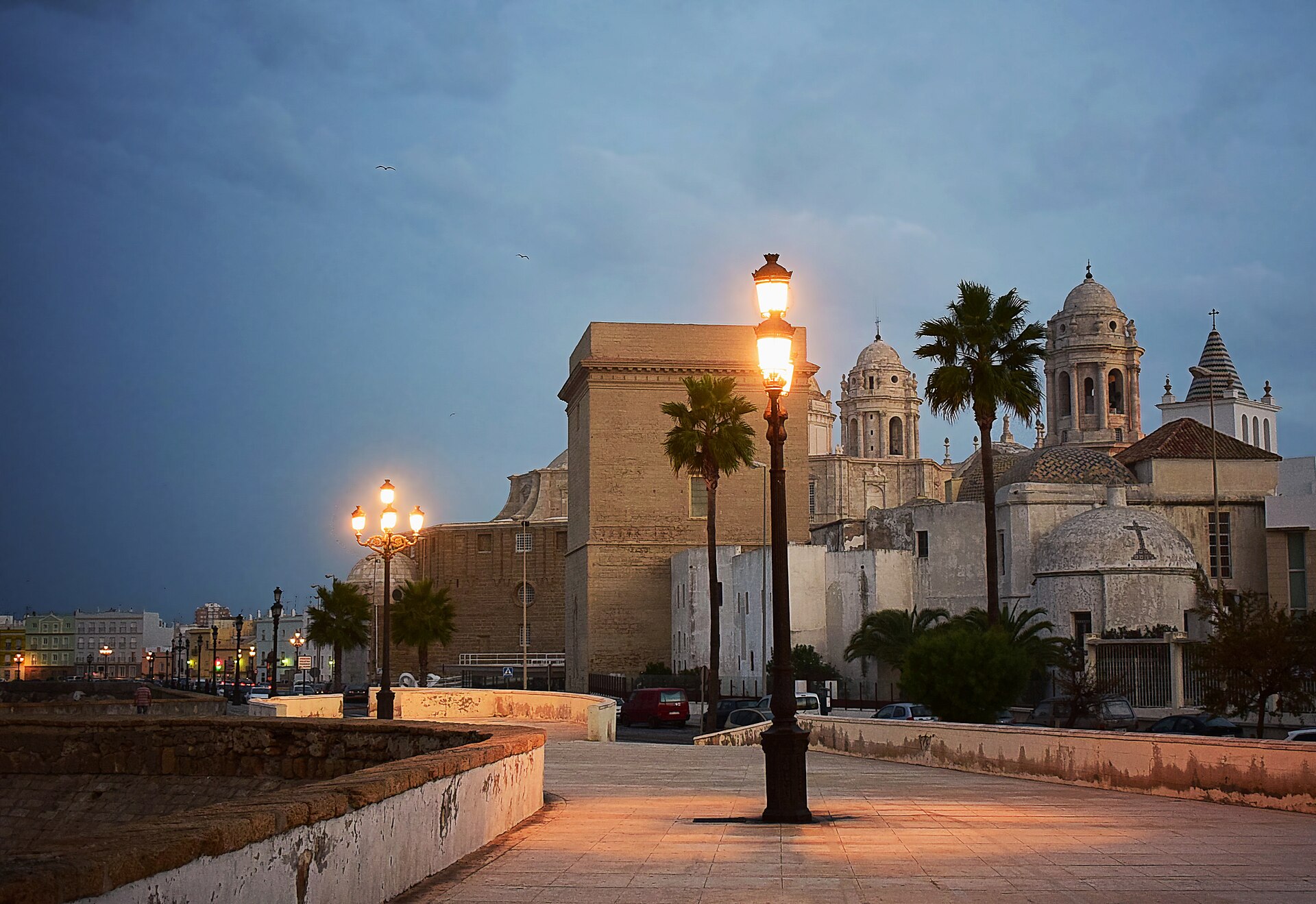
Cadiz is a gift of a port. You step off the ship into a city often described as one of the oldest in Western Europe, a compact peninsula of white houses, watchtowers and seafront promenades, with the golden-domed cathedral a short walk away. For many passengers, Cadiz itself is the better day: no transfer, beaches within walking distance and excellent seafood.
Seville is the bigger prize and the bigger risk. It rewards far more than a few hours — the cathedral and Giralda, the Real Alcázar, the Santa Cruz quarter — and it is hot, often very hot, from June to September. Our view is that Seville from Cadiz is worth it on a long call if you are comfortable with trains and pick just two sights; otherwise take the ship’s tour or enjoy Cadiz. A train fare of roughly $20 to $30 each way has been quoted by secondary sources; check the Renfe timetable and price for your date.
Do you need a passport for Gibraltar on a cruise?
Yes. Since 15 July 2026, when the EU–UK treaty on Gibraltar began provisional application, Schengen entry checks have been carried out at Gibraltar’s cruise port by Spanish officials working alongside Gibraltar’s own. Non-EU passengers, including Americans and British nationals, have their biometrics recorded, and cruise ships may no longer call directly from third countries other than the UK.
For most cruise passengers the practical effect is modest: Gibraltar is almost always reached from another Schengen port such as Barcelona, Malaga or Lisbon, and the checks are handled as part of the ship’s arrival. The land border with Spain, meanwhile, no longer has routine checks, which makes it easier to walk across to La Línea. The treaty still needs formal ratification by the European Parliament, expected in autumn 2026, so details may change. Take your passport ashore.
Gibraltar as a port day is simple: the terminal is about 1.5 km from town and Main Street is a 15-minute walk. The big change for 2026 and early 2027 is that the cable car is closed for a full refurbishment and is expected to reopen in 2027, according to the Gibraltar nature reserve. The Upper Rock round-trip experience costs £49, and the alternative is a long, steep walk or a taxi tour. Gibraltar uses the pound, and its plugs are the UK three-pin type.
Portugal cruise ports: Lisbon and Portimao
Lisbon is one of the best cruise arrivals in Europe: up the Tagus estuary, under the 25 de Abril bridge and past Belém, to the Lisbon Cruise Terminal at Jardim do Tabaco, which sits right beside the Alfama district. You can walk from the ship into the old town, ride a tram up to the castle, or take a train from Rossio station to Sintra in about 40 minutes. Lisbon applies a cruise passenger disembarkation tax, reported at €2 per person and in force since September 2024; we could only confirm it from secondary sources, so check your onboard account.
Portimao, on the Algarve, appears on some Iberian and repositioning itineraries. Most ships dock; the largest may tender. The town is about 1.5 km along the riverfront, and the beaches at Praia da Rocha are close. It is a relaxed, beach-oriented day rather than a sightseeing one.
Tangier, across the Strait in Morocco, is new territory for mainstream cruising: Carnival has announced its first-ever calls there on Carnival Sunshine in 2027. Port logistics for Tangier are not yet verified to our standard, and we will publish them in our planned Tangier port guide when they are.
Iberian port days for families, first-timers and limited mobility
Because Iberian ports so rarely tender, they are among the most accessible calls in the Mediterranean. That does not make every port day easy, and the differences are worth knowing before you choose an itinerary or an excursion.
For limited mobility, the strongest ports are the flat, compact ones where the berth is close to the centre: Cadiz, Cartagena and Malaga, and Barcelona if your ship uses the WTC terminals or you take the PortBus from Adossat. Lisbon’s terminal is right beside the Alfama, but the Alfama itself is steep and cobbled, so a tram or taxi is the better way up. Mahon’s old town sits above the harbour, and its two panoramic lifts are the key to a comfortable visit. Dalt Vila in Ibiza and Gibraltar’s Upper Rock are the hardest, the first for its steep cobbles and the second because the cable car is closed until 2027. Ask your line in advance about step-free shuttle buses at Palma and Valencia, where the berth is some distance from town.
For families with children, Spain’s port cities are unusually good. Valencia has the City of Arts and Sciences, including a large aquarium, and a long park in the old river bed that is ideal for letting off steam. Malaga and Cadiz both have beaches within walking distance of the ship. Barcelona has the obvious pull of the Sagrada Familia and Park Güell, but those need timed tickets and a plan, whereas a walk along the waterfront to the beach at Barceloneta does not.
For first-timers, we would pick itineraries that include at least one of Cadiz, Malaga or Lisbon, because those are the ports where stepping off the ship and exploring on foot works best. We would be more cautious about building a trip around the Alhambra or Seville unless the call is long and you are happy with a tour, and about Palma in high summer, where the new passenger cap is a sign of how busy the old town gets.
All-aboard math: Cadiz to Seville by train
All aboard is the time by which you must be back on the ship, usually 30 to 60 minutes before departure, and the ship does not wait for independent travellers. Seville from Cadiz is the Iberian day trip where that deadline matters most. Here is our worked timeline for an 08:00 to 19:00 call with all aboard at 18:30. The train times are approximate, based on a journey of about 1 hour 30 minutes; check the day’s timetable, because with up to 12 trains a day the gaps between services are the real risk.
| Time | What happens | Buffer logic |
|---|---|---|
| 08:00–08:20 | Gangway at the Alfonso XIII pier; walk to Cadiz station | The station is close to the port |
| 08:30–10:00 | Regional train to Sevilla-Santa Justa, about 1 h 30 | Buy tickets in advance for a specific train if you can |
| 10:15–14:45 | Seville: the cathedral and Giralda, or the Real Alcázar, plus the Santa Cruz quarter | Two sights, not four |
| 15:00 | Latest safe time at Santa Justa station | One missed train still leaves a margin |
| 15:15–16:45 | Train back to Cadiz | Do not aim for the last train that would work |
| 16:45–17:15 | Walk back to the ship | Short, flat walk |
| 18:30 | All aboard | Our recommended buffer here: 90 minutes |
On a shorter 08:00 to 17:00 call, the same plan leaves about two and a half hours in Seville, which we do not think is worth three hours on a train. That is the point where Jerez, or simply Cadiz, becomes the better choice.
Caps, taxes and rule changes to know for 2026 and 2027
Iberian ports have been busy rewriting their rules, and several changes affect which itineraries you can book and what you pay ashore. In one place:
- Palma de Mallorca. Maximum three cruise ships a day; the June–September passenger cap falls from 8,500 to 7,500 for 2027–2029, and stays at 8,500 from October to May, under an agreement running to 2031.
- Barcelona. €11 per cruise passenger staying under 12 hours; a proposed rise to about €30 still needs the Catalan Parliament. Passengers embarking or disembarking are exempt from the proposed municipal increase. The Adossat quay goes from seven terminals to five by 2030, and Terminal G opens in spring 2027.
- Gibraltar. Schengen entry checks at the cruise port since 15 July 2026; no direct calls from third countries other than the UK; cable car closed until 2027.
- Lisbon. A reported €2 per-person cruise passenger disembarkation tax, in place since September 2024.
- Across the Schengen area. The EU’s Entry/Exit System has been fully operational since 10 April 2026. ETIAS, at €20, was still not required as of September 2026.
For how these fees fit into the full cost of a cruise, see our Mediterranean cruise cost guide. For tours at the ports that need them — the Alhambra, Seville, the Sagrada Familia — our shore excursions guide compares ship’s tours, private operators and doing it yourself.
For wheelchair users, these are the Mediterranean’s easiest ports as a group: docked berths, flat waterfronts and modern city infrastructure. Our guide to a wheelchair accessible Mediterranean cruise rates Barcelona, Malaga, Cadiz and Valencia alongside the rest of the region, and explains the tender rules that make other ports much harder.
Where this guide goes deeper
This page is the hub for Spain and Portugal cruise ports. The guides beneath it cover each port or transfer with a full data box and all-aboard timeline, and each will be linked here as it publishes:
- Barcelona: Barcelona as a port of call and Barcelona cruise port to the Sagrada Familia.
- The Balearics: Palma de Mallorca cruise port and Ibiza cruise port.
- The east coast: Valencia cruise port, Alicante cruise port and Cartagena (Spain) cruise port.
- Andalusia: Malaga cruise port, Malaga cruise port to Granada and the Alhambra, Motril cruise port, Cadiz cruise port and Cadiz to Seville.
- Beyond Spain: Gibraltar cruise port, Lisbon cruise port and Tangier cruise port.
Elsewhere on the site: our Italy cruise ports guide and Greek cruise ports guide do the same job for the rest of the Mediterranean.
Spain and Portugal cruise port FAQs
Where do cruise ships dock in Malaga?
At the Levante pier terminals A and B, or at El Palmeral de las Sorpresas right beside the city. The centre is about 2 km, roughly 15 minutes on foot, from the main terminals, and a port shuttle runs to Plaza de la Marina. Granada and the Alhambra are about 1 hour 30 minutes by road.
Can you walk from the Palma cruise port into town?
It depends on the berth. From the Estació Marítima it is about 40 minutes on foot to the centre; from the outer berths towards Porto Pi it is 75 to 90 minutes. City bus line 1, line shuttles and taxis run from both, and most people take one of them.
Is Seville a cruise port?
Not for ocean cruise ships. Itineraries marked “Seville” dock at Cadiz, 75 miles (120 km) away, where up to 12 regional trains a day take about 1 hour 30 minutes. Some small river and expedition vessels do reach Seville along the Guadalquivir, but mainstream Mediterranean ships do not.
Do cruise ships tender in Spain?
Rarely. Almost all Spanish cruise ports have berths for large ships, including Barcelona, Palma, Malaga, Valencia, Cadiz, Alicante and Cartagena. Portimao in Portugal sometimes tenders the largest ships. That makes Iberia one of the most weather-proof parts of a Mediterranean itinerary.
Is Gibraltar part of Spain?
No. Gibraltar is a British Overseas Territory and uses the pound. Since July 2026 a treaty has removed routine checks at its land border with Spain and moved Schengen entry checks to its airport and cruise port, operated by Spanish officials with Gibraltar’s. Bring your passport ashore.
Which is the best cruise port in Spain?
For an easy, rewarding day we would pick Cadiz or Malaga, both walkable from the ship into excellent historic centres. Barcelona is the most exciting city, but depends on the shuttle from the Adossat terminals. That is our opinion; the best port is the one that matches how you like to spend a day.
Where do cruise ships dock in Lisbon?
At the Lisbon Cruise Terminal at Jardim do Tabaco, on the Tagus waterfront directly below the Alfama district. Other quays, including Santa Apolónia and Alcântara, are also used. Sintra is about 40 minutes by train from Rossio station in the city centre.
Is there a cruise tax in Spain?
In Barcelona, yes: €11 per cruise passenger staying under 12 hours, with a proposed rise to about €30 not yet enacted. Other Spanish ports did not have an equivalent cruise-specific passenger tax that we could verify as of September 2026. Lisbon, in Portugal, applies a reported €2 fee.
How we researched this guide
Every fare, distance and rule on this page comes from a named source with the date we checked it. Barcelona terminal and passenger data are from the Port de Barcelona; homeport rankings from MedCruise via GTP; Palma’s caps from the Majorca Daily Bulletin’s March 2026 report of the agreement; Gibraltar’s treaty arrangements from Al Jazeera, GBC and the Gibraltar government’s published treaty guidance in July 2026; the cable car closure and Upper Rock price from the Gibraltar nature reserve; and the Lisbon terminal from Lisbon Cruise Port. Several local transport fares come from port guides that are undated or years old; we have marked them “re-verify” rather than presenting them as current. We searched page one of Google for this topic on 16 September 2026; the longest result described eight Spanish ports without a single price, distance or dock detail.
We are an independent editorial site. We do not sell cruises or tours and have not personally visited every port on this page. Opinions — that Cadiz and Malaga are the best walk-off ports, that Seville needs a long call — are labelled as ours. Fees and port rules are re-checked every January and March and before each season.
Image credits
| Image | Photographer | Licence |
|---|---|---|
| Cadiz Cathedral from the seafront | Jocelyn Erskine-Kellie | CC BY-SA 2.0, via Wikimedia Commons |
| Muelle Uno, Port of Malaga | Martin Haisch | CC BY-SA 2.0, via Wikimedia Commons |
| Dalt Vila and Ibiza harbour | Xaviduran | CC BY-SA 3.0, via Wikimedia Commons |
| Lisbon Cruise Terminal and the Alfama | SIryn | CC BY-SA 4.0, via Wikimedia Commons |
| Nativity facade, Sagrada Familia, Barcelona | Txllxt TxllxT | CC BY-SA 4.0, via Wikimedia Commons |
| Palma Cathedral across the marina | Kroksik | CC BY-SA 4.0, via Wikimedia Commons |
| Court of the Lions, Alhambra, Granada | R Prazeres | CC BY-SA 4.0, via Wikimedia Commons |
Published 24 September 2026. Fees, port rules and fares were checked in September 2026 and will change — verify anything you are about to pay for. Primary sources: the Port de Barcelona passenger terminals, Lisbon Cruise Port and the Gibraltar Nature Reserve.