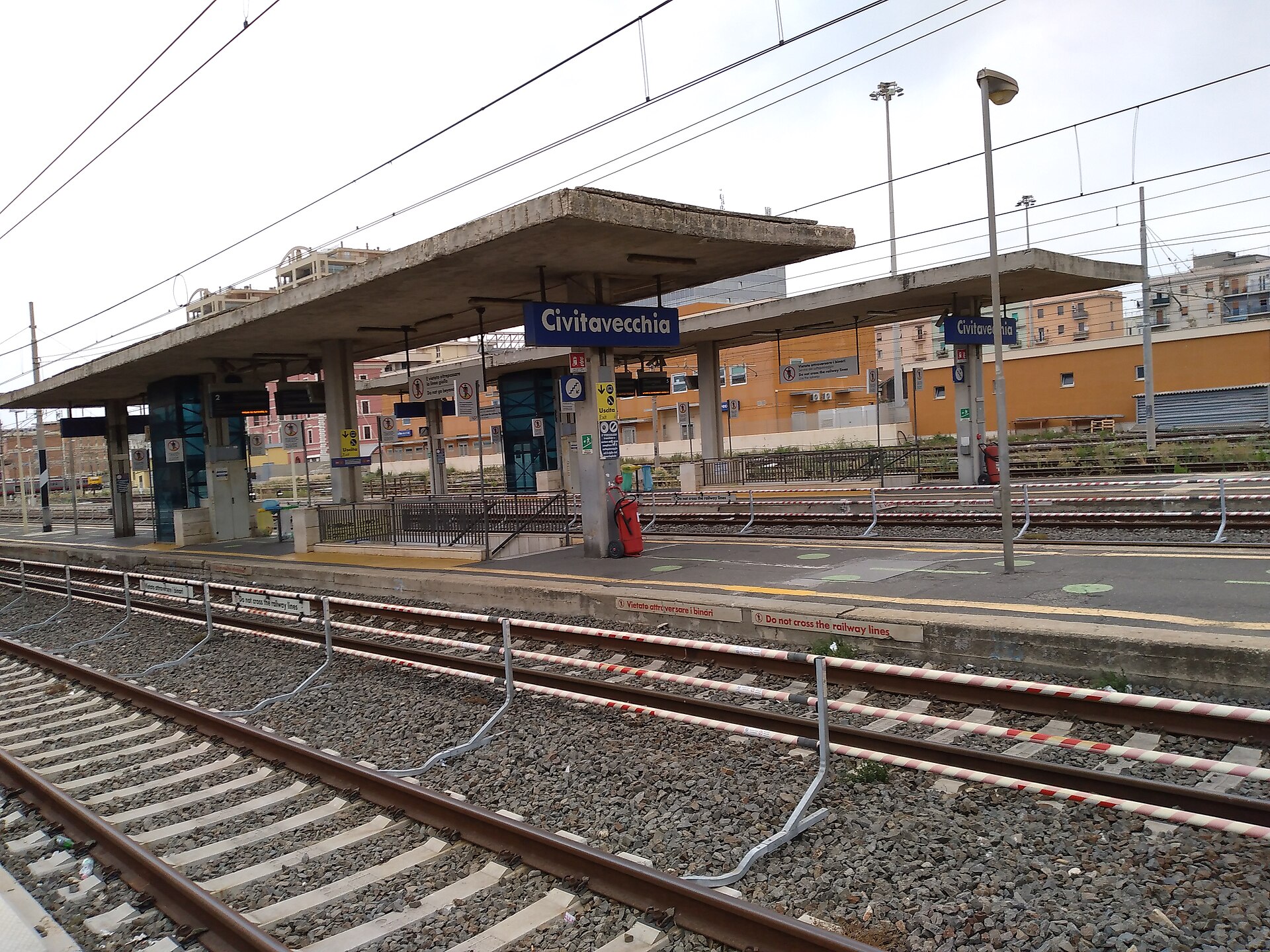
Civitavecchia to Rome is 46 miles (74 km), and on a cruise day you have four ways to cover it: the train, about $6 (€5) each way and an hour or so; the SIT shuttle coach, €15 (about $17) one way; a taxi or private car, from about €132 ($151) for a small group; or your ship’s own excursion. The train is the best choice for most people, as long as you respect the timetable home.
Civitavecchia is Rome’s cruise port, a working harbor town on the coast northwest of the city, and almost every Mediterranean cruise that says “Rome” means here. The trip into Rome is the biggest single logistics question of the Western Mediterranean, and it is where the most passengers get anxious, for good reason: a day in Rome from Civitavecchia starts with a shuttle bus and ends with a deadline. This guide sets out every option with its price as of September 2026, how long each really takes from the ship to the sights, and the all-aboard math that tells you when to leave Rome. For the rest of Italy’s west-coast ports, from Livorno to Naples, see our guide to Italy’s cruise ports.
Civitavecchia to Rome at a glance (as of September 2026)
| Dock or tender | Dock. Walking out through the working port is not an option, so a free shuttle bus takes cruise passengers to the port exit at Largo della Pace. |
| Terminal names | Not verified from an official source; your ship’s port-day notes name the berth. |
| Distance to Rome | 46 miles (74 km); about 55 minutes by road without traffic. |
| Port gate to the train station | About 20 minutes on foot, or about 6 minutes on the local Argo bus (fare not verified). |
| Train | About 44 trains a day; fastest about 45 minutes, regional trains about 1 hour 10 to 1 hour 20. Regional fare about €5 (about $6) each way. Stops at Roma San Pietro (for the Vatican), Trastevere, Ostiense and Termini. |
| SIT shuttle coach | €15 (about $17) one way, €25 (about $29) return. Leaves the port at 09:00 and 09:30 for the Vatican (Via Crescenzio) and Termini; one return, 15:15 from Termini, reaching the port about 16:30. Season 15 March to 15 November 2026. |
| Taxi or private car | A local cooperative’s fixed rates to central Rome: €120 to €150 plus 10% VAT, so about €132 to €165 ($151 to $188) one way, depending on the vehicle (3 to 8 passengers). Rome’s official fixed taxi fare from Fiumicino Airport to the port is €125. |
| Ship’s excursion | Varies by line; third-party Rome tours from the port were advertised from about $79 to $395 per person. |
| Realistic time needed | A full day. Expect about five hours in Rome itself on a 07:00 to 19:00 call. |
| Walkability and step-free access | The port is not walkable to town; the shuttle is compulsory. Step-free access on the port shuttle and trains is not verified; a pre-booked accessible car is the dependable option. |
| Currency | Euro. €1 = $1.1403 (European Central Bank, 25 September 2026). |
| Our all-aboard buffer | Be at Civitavecchia station at least 75 minutes before all aboard. |
How far is Civitavecchia from Rome?
46 miles (74 km) by road, about 55 minutes’ drive without traffic. By train it takes about 45 minutes on the fastest services and 1 hour 10 to 1 hour 20 on regional trains. Allow 1½ to 2 hours from ship to sights, because of the port shuttle and the walk to the station.
The distance is the reason Civitavecchia days feel short. Rome’s historic center is not on the coast, and the ancient port of Rome at Ostia silted up long ago, so big ships use Civitavecchia, a deep-water harbor to the north that has served Rome since Roman times. It is a real town with a fort, a market and a seafront, but for most passengers it is the start of a journey rather than the destination.
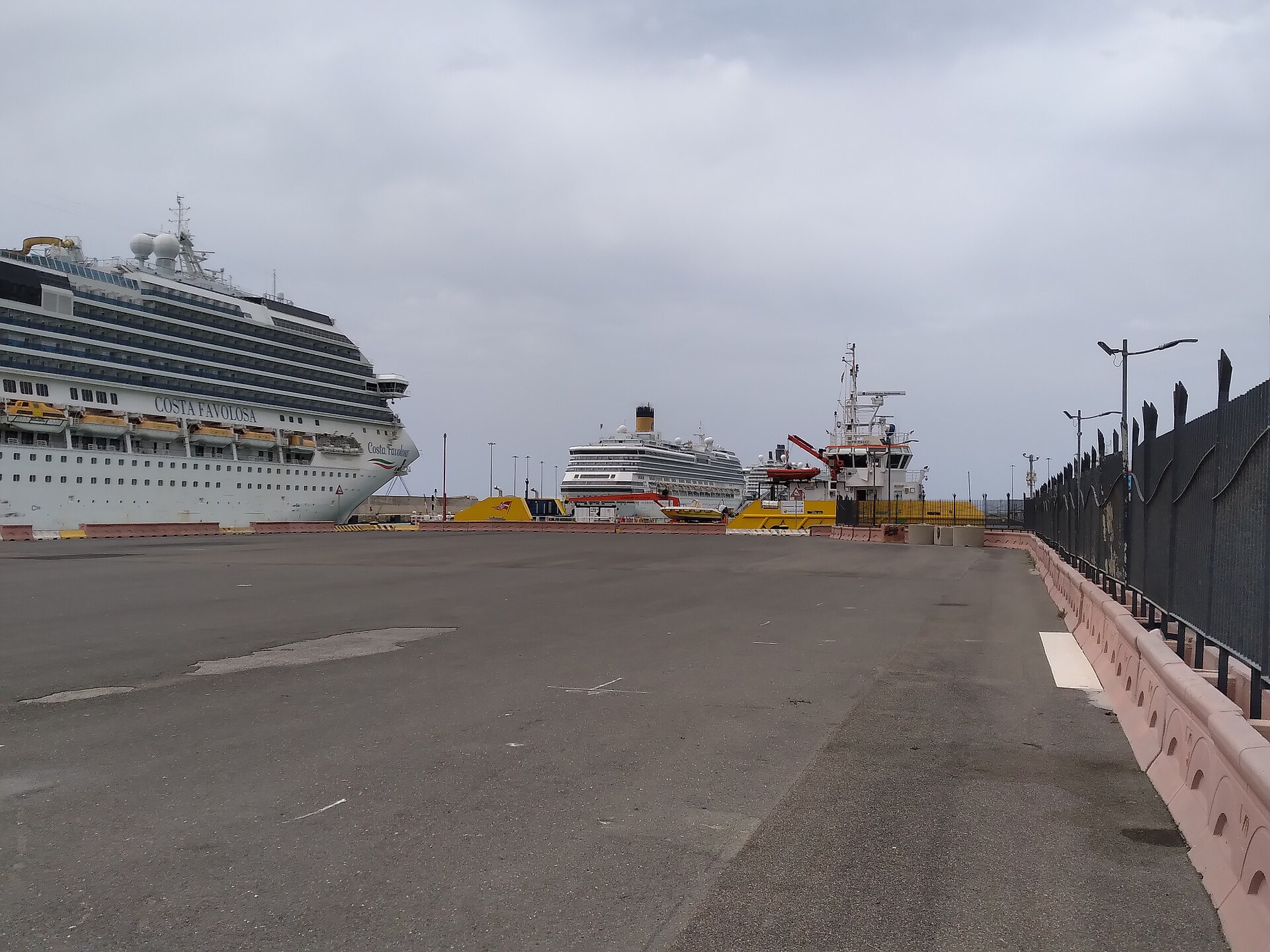
What catches people out is the time before the journey starts. Nobody walks off a ship at 07:00 and onto a train at 07:05. First you queue for the gangway, then for the free port shuttle, which runs from the ships to the port exit; then you walk about 20 minutes into town to the station, or take the local bus. On a day with several big ships in port, those queues add up. That is why the realistic ship-to-sights time is closer to two hours than one, whichever way you travel.
Civitavecchia to Rome: every option compared
Here are the four ways into Rome side by side, with the cost for one person and for a family of four, and what each is best for.
| Option | Ship to central Rome | Return cost, one person | Return cost, four people | Best for |
|---|---|---|---|---|
| Train | About 1½ to 2 hours | About €10 ($11) | About €40 ($46) | Most people: cheapest, frequent, flexible |
| SIT shuttle coach | About 1¼ to 1½ hours to the Vatican stop | €25 ($29) | €100 ($114) | First-timers who want a seat and no station, with an all-aboard time of about 17:30 or later |
| Taxi or private car | About 1 to 1¼ hours | €264 to €330 ($301 to $376) for the car, both ways | The same, shared | Groups of four or more, limited mobility, or tight schedules |
| Ship’s excursion | About 1¼ to 1½ hours by coach | Varies by line and tour | Four times the tour price | Nervous travelers, short calls, and anyone who wants the ship to wait |
Two things stand out. The train costs less for a family of four than the coach does for two people, and it runs all day. And the private car, which sounds extravagant, costs about €72 to €83 ($81 to $94) per person for a group of four sharing a four- to eight-seat vehicle both ways, less than many of the guided Rome tours advertised from the port, with a door-to-door ride and no timetable. The coach sits in between: easy, but with only one trip home.
How do you get from the ship to Civitavecchia station?
Take the free port shuttle bus from your ship to the port exit at Largo della Pace, then walk about 20 minutes along the seafront to Civitavecchia station, or take the local Argo bus, about 6 minutes. Allow 30 to 45 minutes from the gangway to the platform on a busy day.
The port shuttle is run for cruise passengers, and your ship’s port-day notes will say where it stops by the gangway. It drops you at the port exit by Largo della Pace, at the edge of the town center. From there, the station is about 20 minutes away on foot; with luggage or small children, the local bus or a taxi is worth it.
Buy your train ticket before you board. Station machines sell regional tickets in English and take cards; a paper regional ticket must be stamped in the validating machine on the platform before you get on, or you risk a fine. Trenitalia’s app sells digital tickets too, with its own instructions for activating them. Buy the return at the same time if you like; regional tickets are not tied to a particular train.
Is the train the best way from Civitavecchia to Rome?
For most cruise passengers, yes. About 44 trains a day run between Civitavecchia and Rome, the regional fare is about €5 (about $6) each way, and the trains stop at Roma San Pietro for the Vatican as well as Trastevere, Ostiense and Termini. The catch is that you manage the timetable home yourself.
The line is part of Rome’s regional rail network, and it is served by two kinds of train. Regional trains stop at most stations, take about 1 hour 10 to 1 hour 20 to Termini, and cost about €5 (about $6). Faster intercity services take about 45 minutes to an hour and cost more, and you need a ticket for the specific train. For a port day, the regional trains are usually the better bet: they are cheaper, more frequent, and your ticket is not tied to one departure, which matters if you are running late on the way back.
Which Rome station should you get off at?
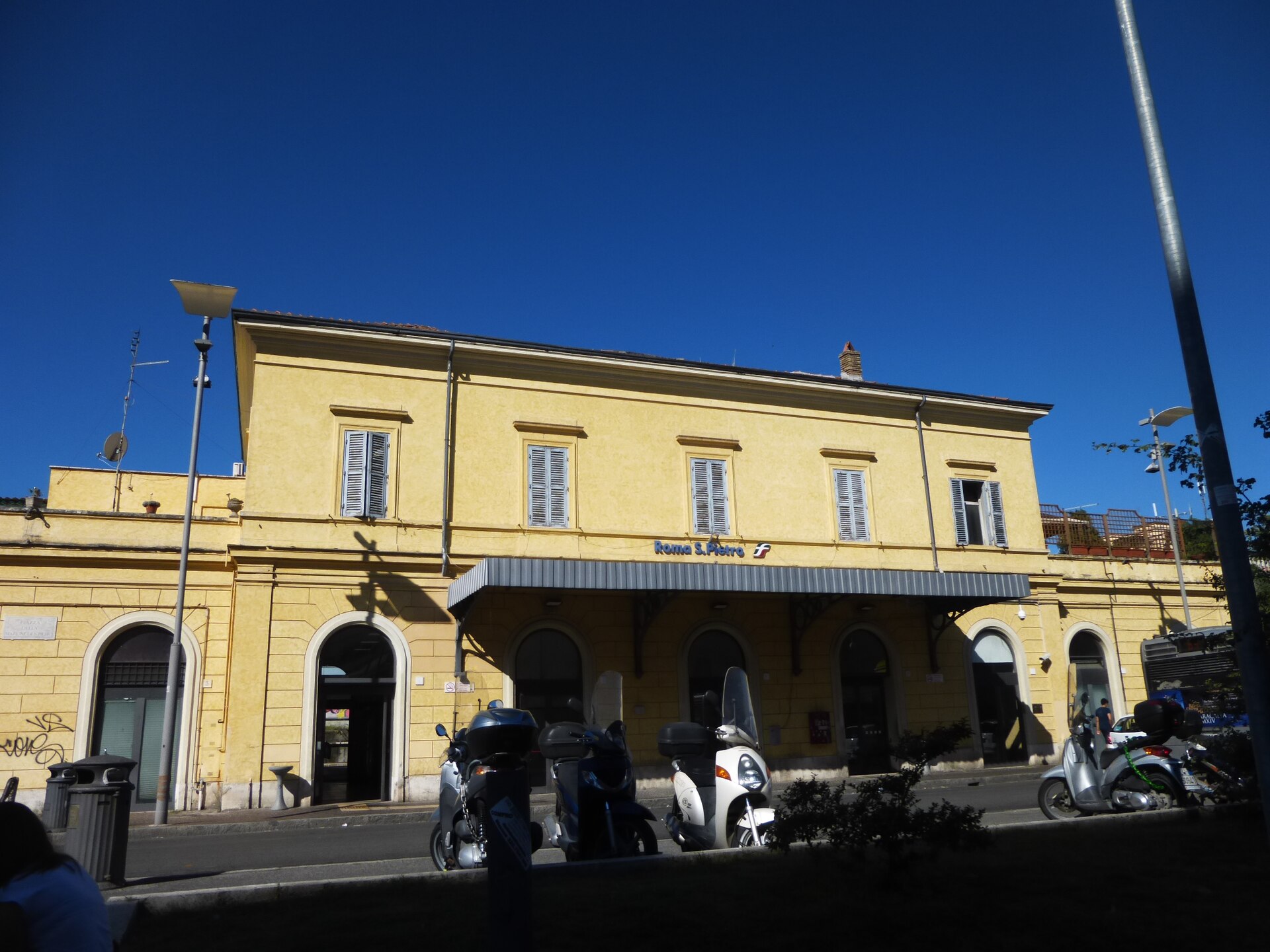
- Roma San Pietro for the Vatican: St Peter’s Square is a short walk away. It comes before Trastevere, Ostiense and Termini on the way in, which saves time in both directions.
- Roma Trastevere for the Trastevere district and a walk across the Tiber into the historic center.
- Roma Ostiense for the Pyramid of Cestius and Metro line B.
- Roma Termini for Metro lines A and B: two stops on line B take you to the Colosseum. Termini is the end of the line and the busiest station; on the way home, starting here makes a seat more likely.
Two warnings. Italian rail strikes are announced in advance and can cut services to minimum levels; check Trenitalia’s service notices the evening before your port day, and if a strike is on, book the coach or a car instead. And never leave the last practical train to chance: on the way back, catch one train earlier than you think you need.
Is there a shuttle bus from Civitavecchia to Rome?
Yes. SIT’s shuttle coach leaves the port at 09:00 and 09:30 for the Vatican and Termini, and costs €15 (about $17) one way or €25 (about $29) return. There is one coach home, at 15:15 from Termini, which reaches the port at about 16:30.
SIT describes its stop as “right at the exit of the Welcome Centre” where cruise passengers are disembarked, in Via Prato del Turco, so you board close to where the port shuttle leaves you. Its published timetable for 15 March to 15 November 2026 has the two morning departures arriving at the Vatican stop in Via Crescenzio at 10:00 and 10:30 and at Termini, Piazza Indipendenza, at 10:15 and 10:45; the times are approximate and depend on traffic. On the way back there is a single coach, leaving Termini at 15:15 and arriving at the port at about 16:30. The timetable shows the Vatican stop without a return time, so plan to board at Termini.
The coach is the easiest way into Rome for a first visit: no station, no ticket machine, a seat guaranteed, and a drop-off a short walk from St Peter’s. Its weakness is the trip home. One departure at 15:15 means you leave Rome early whatever time your ship sails, and if you miss it, you are on the train anyway. It suits ships with an all-aboard time of about 17:30 or later, and passengers happy with about four and a half hours in Rome. Book online in advance in summer.
How much is a taxi from Civitavecchia to Rome?
About €132 to €165 ($151 to $188) one way to central Rome at one local cooperative’s fixed rates, including VAT, depending on the vehicle: a sedan for three up to a van for eight. Rome has no official fixed taxi fare from the city to the port, only from Fiumicino Airport, at €125.
The taxis waiting at Civitavecchia’s port are local vehicles, and several companies sell fixed-price transfers to Rome. One cooperative, Roma Tour 3000, publishes its rates: €120 for a Mercedes E-Class sedan for three, €130 for an E-Class wagon for four with luggage, €140 for a six-seat van and €150 for an eight-seat van, all plus 10% VAT, and €200 plus VAT for a Mercedes S-Class. Agree the price and what it includes before you get in, and ask whether a driver can wait for you in Rome or whether you need to book the return separately.
Once you are in Rome, the city’s own taxis run on the meter. Roma Capitale’s official tariff starts at €3 on weekdays between 06:00 and 22:00, €5 on Sundays and holidays and €7 at night, then charges €1.14 to €1.66 per kilometer, rising with the fare, and €28 an hour in slow traffic. The same tariff sets the fixed fare between Fiumicino Airport and the Port of Civitavecchia at €125, all-inclusive, per journey rather than per passenger, which matters on embarkation day rather than on a port day. Our guide to Mediterranean cruise embarkation ports covers the airport transfer in detail.
Starting or ending your cruise at Civitavecchia
Embarkation and disembarkation days are a different problem from a port day, because you have suitcases and a flight. The train is still possible from central Rome, but from Fiumicino Airport it means changing trains in the city with your bags, which few people enjoy. Most passengers on those days use a car, a shared shuttle or the cruise line’s own transfer.
- Rome taxi from Fiumicino Airport. A fixed €125 (about $143) per journey, not per passenger, set by Roma Capitale and inclusive of all supplements. It is the benchmark for everything else.
- Local cooperative from the port to Fiumicino. Roma Tour 3000’s published rates are €110 for a sedan for three, €120 for a wagon for four with luggage and €140 for an eight-seat van, plus 10% VAT: about €121 to €154 ($138 to $176).
- Shared shuttles. Advertised from about €33 (about $38) per person in September 2026; they wait for a full load, so allow extra time.
- The cruise line’s transfer. Compare its price with a car for your whole group; its advantage is that it is timed to the ship, and the line knows if your flight is delayed.
Whichever you choose, fly in at least a day early. The EU’s Entry/Exit System has fingerprinted and photographed non-EU travelers at the border since it became fully operational on 10 April 2026, and summer queues at Rome Fiumicino have been long. A night in Rome or Civitavecchia costs far less than a missed ship.
Ship’s excursion or on your own?
Do it on your own if you are comfortable with trains, want more time in Rome and can keep an eye on the clock; the train costs a fraction of any tour. Book the ship’s excursion if your call is short, you are traveling with small children or limited mobility, or you simply want someone else to worry about getting back.
The argument for the ship’s own excursion is not the guiding, which good independent guides in Rome match, but the guarantee. Cruise lines generally wait for their own late-running tours, and they will not wait for independent travelers who miss all aboard. On a call of eight hours or less, where Rome gives you three hours at best, that guarantee is worth paying for. Many lines also sell a simple “Rome on your own” coach transfer, which drops you in the center and collects you at a fixed time: the coach’s convenience with the ship’s promise to wait.
Third-party tour companies sell Rome from Civitavecchia too, with prices advertised from about $79 to $395 per person for Rome tours and $299 to $429 for Vatican tours, and some offer their own return-to-ship guarantees. Read what the guarantee actually covers before relying on it. For how to choose between ship tours, independent operators and going it alone at every port, see our guide to Mediterranean shore excursions.
Rome with children or limited mobility
With children, the train is the cheapest way in by a distance, and Rome’s big sites are kind to families on price: children under 18 enter the Colosseum free, although they still need a timed reservation. The harder part is the heat. Rome’s average high in July is about 86°F (30°C), and the Colosseum and Forum have little shade, so go early, carry water, and plan the Vatican or a museum for the middle of the day.
With limited mobility, a pre-booked car is the dependable option, because we could not verify step-free access on the port shuttle or on the trains. Inside the Colosseum, lifts reach the first and second levels, two wheelchairs at a time, while the underground and the top tiers are not accessible; a disabled visitor and one companion enter free with documentation. If you use a mobility scooter or a heavy wheelchair, ask your cruise line’s access team about its Rome transfers before you book anything.
What to see with five hours in Rome
Five hours is enough for one great sight and a walk, not for the list. Choose one of these:
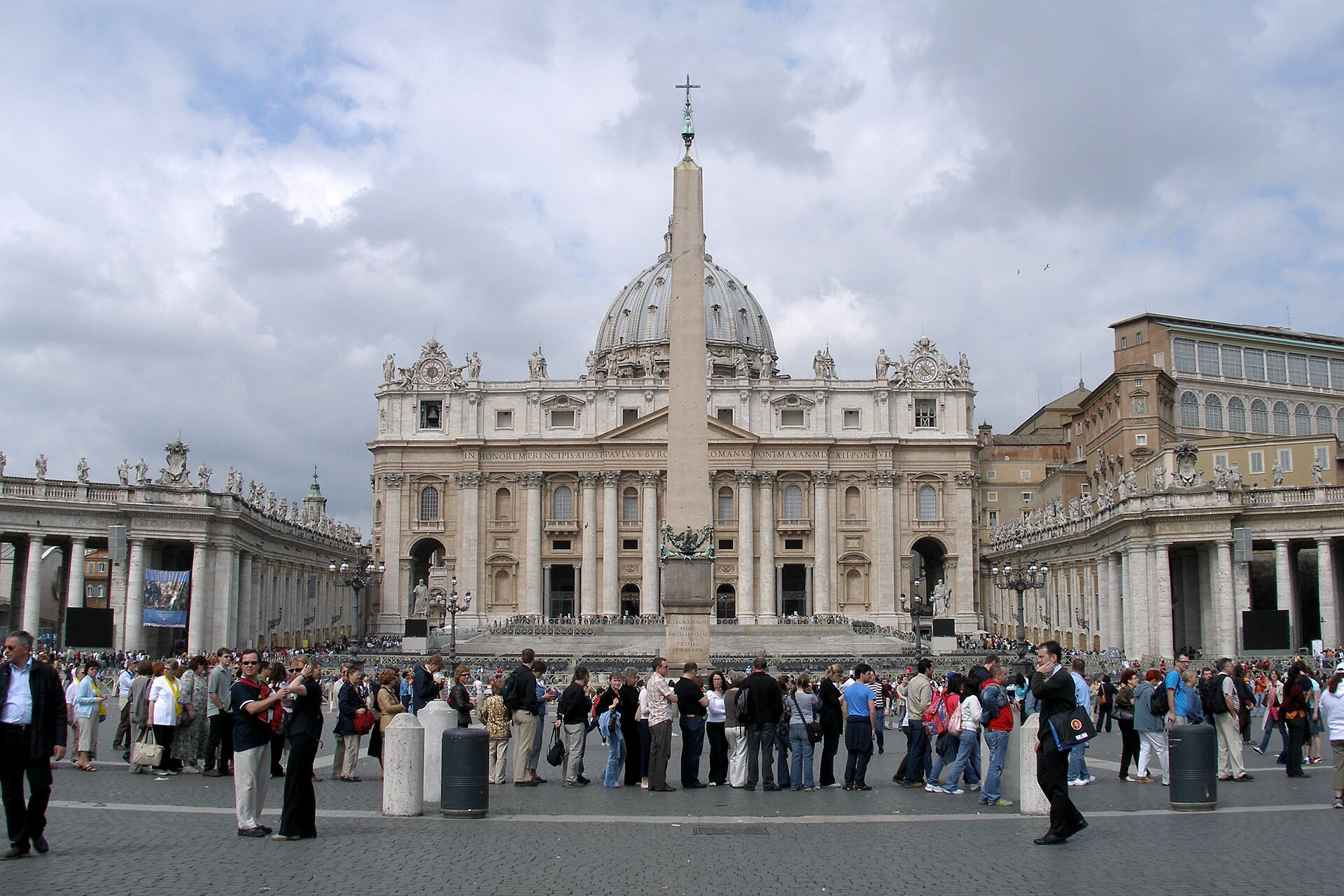
- The Vatican. Get off at Roma San Pietro, or take the coach to Via Crescenzio. The Vatican Museums charge €20 at the door and €25 online, open Monday to Saturday from 08:00 with last entry at 18:00, and close on Sundays except the last of the month. Book the online ticket and a time slot. The official dress rules bar sleeveless and low-cut clothes, shorts above the knee, miniskirts and hats.
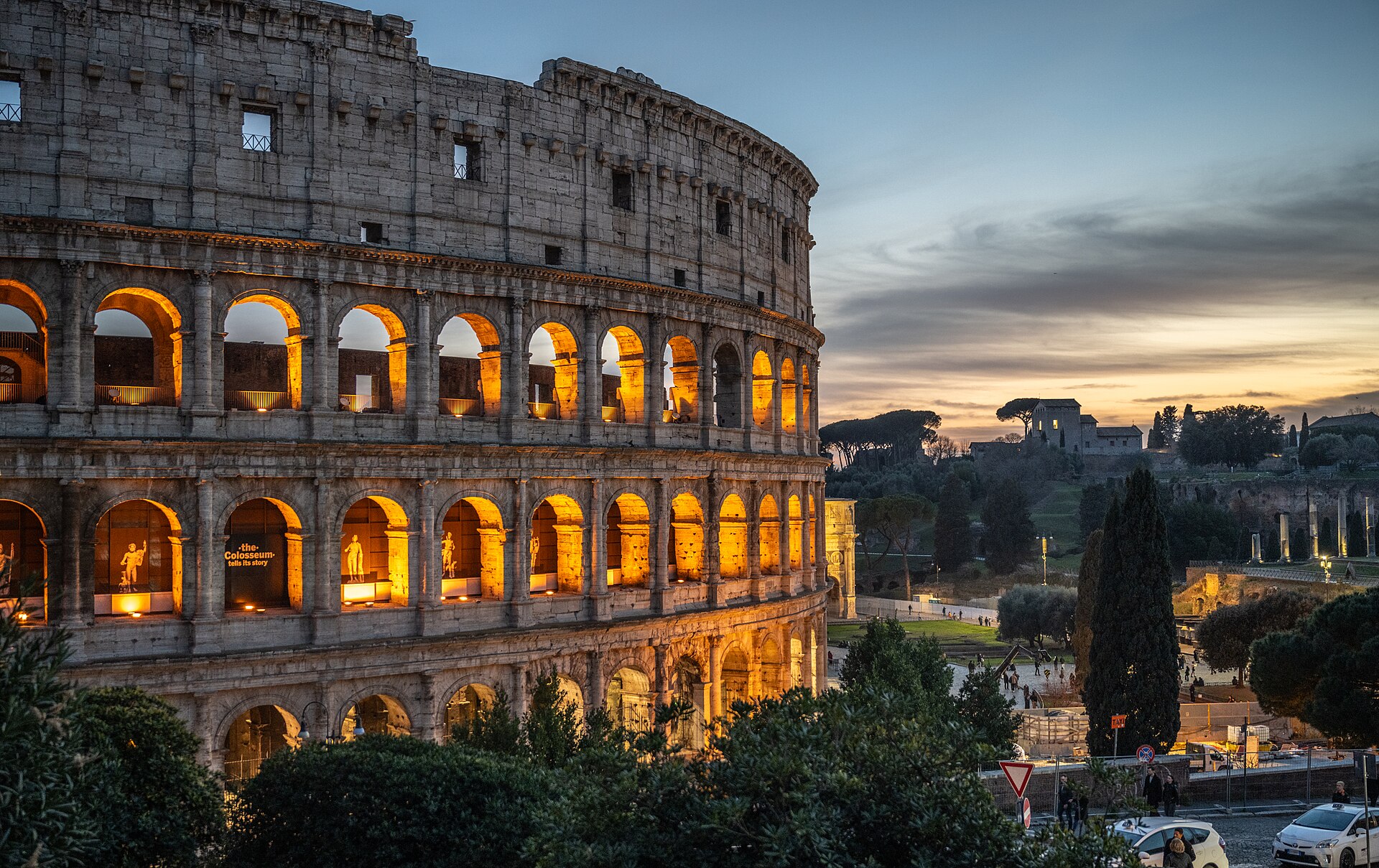
- Ancient Rome. Take the train to Termini and Metro line B two stops to Colosseo. The Colosseum, Roman Forum and Palatine ticket costs about €18 including the booking fee; tickets are named, timed and released 30 days ahead.
- The walking center. From Termini or Trastevere, walk the Trevi Fountain, the Pantheon and Piazza Navona, with lunch on the way. No tickets, no queues, and the easiest plan to cut short if time runs out.
Civitavecchia to the Vatican: three ways
The Vatican is the most popular single goal from Civitavecchia, and all three ways in serve it well:
- By train to Roma San Pietro, about €5 (about $6) each way, then a short walk to St Peter’s Square. This is the cheapest and most flexible way.
- By SIT coach to Via Crescenzio, its first stop in Rome, at about 10:00 or 10:30. The coach home leaves from Termini, not the Vatican, so allow time to cross the city at the end of the day.
- By car to the door of the Vatican Museums or St Peter’s, the least tiring option and the best one with limited mobility.
Two things matter more than how you get there. The Vatican Museums are closed on Sundays except the last Sunday of the month, so check the day of your call before planning around them. And the dress rules apply at the door: no sleeveless or low-cut clothes, no shorts above the knee, no miniskirts and no hats. On a port day there is no time to go back to the ship and change.
The all-aboard math: getting back from Rome in time
All aboard is the time by which every passenger must be back on the ship, usually 30 minutes to an hour before it sails; your daily program gives the exact time. The ship will not wait for independent travelers. Here is a Rome day by train on a typical 07:00 to 19:00 call with all aboard at 18:30.
- 07:30 Off the ship and onto the port shuttle to Largo della Pace.
- 08:00 Walk about 20 minutes to Civitavecchia station, or take the Argo bus.
- 08:30 Train to Rome: about 1 hour 10 minutes on a regional train to Roma San Pietro or Termini, less on a faster service.
- 09:45 In Rome, with about five and a half hours to spend.
- 15:15 Head for the station. The target is a train that reaches Civitavecchia by 17:15.
- 15:55 Latest sensible departure from Termini on a regional train; from San Pietro, a little later.
- 17:15 Arrive at Civitavecchia. Walk or bus to the port gate and ride the shuttle to the ship: allow 40 minutes, plus 30 in hand for a delay.
- 18:30 All aboard.
The rule behind that plan is simple: be at Civitavecchia station at least 75 minutes before all aboard. That covers the walk or bus to the port gate, the port shuttle and its queue, and one missed or late train. Here it is for the most common all-aboard times:
| All aboard | Be at Civitavecchia station by | Leave Roma Termini by (regional train) | SIT coach home works? |
|---|---|---|---|
| 16:30 | 15:15 | 13:55 | No: it reaches the port at about 16:30 |
| 17:30 | 16:15 | 14:55 | Yes, with about an hour in hand |
| 18:30 | 17:15 | 15:55 | Yes |
| 19:30 | 18:15 | 16:55 | Yes, but you leave Rome early |
If you realize you will miss all aboard, call the ship’s port agent, whose number is on your daily program, before the ship sails; do not simply turn up late. And carry your passport or a copy, a charged phone and enough money for a night in Rome and a flight to the next port. The next port is where you would rejoin the ship, at your own expense.
Civitavecchia to Rome FAQs
How do I get from Civitavecchia port to Rome?
Take the free port shuttle to the port exit, walk about 20 minutes to Civitavecchia station and catch a train to Rome, about 5 euros each way. Alternatives are SIT’s shuttle coach from the port, 15 euros one way, a taxi or private car from about 132 euros, or your ship’s excursion.
How long is the train from Civitavecchia to Rome?
About 45 minutes on the fastest trains and 1 hour 10 to 1 hour 20 minutes on regional trains to Roma Termini, with about 44 trains a day. Allow 1½ to 2 hours from ship to sights, including the port shuttle and the walk to the station.
Is there a shuttle bus from Civitavecchia port to Rome?
Yes. SIT’s shuttle coach leaves the port at 09:00 and 09:30 for the Vatican and Termini, costs 15 euros one way or 25 euros return, and runs one coach home from Termini at 15:15, arriving at about 16:30. The 2026 timetable runs from 15 March to 15 November.
How much is a taxi from Civitavecchia to Rome?
About 132 to 165 euros one way to central Rome at one local cooperative’s published fixed rates, including VAT, depending on the size of the vehicle. Rome’s official fixed taxi fare between Fiumicino Airport and the port is 125 euros. Agree the price before you set off.
Which Rome station is closest to the Vatican?
Roma San Pietro, on the line from Civitavecchia, a short walk from St Peter’s Square. SIT’s coach also stops near the Vatican, in Via Crescenzio, before continuing to Termini.
Can you do Rome on your own from a cruise ship?
Yes, and many passengers do, by train or coach. Plan one main sight, buy timed tickets in advance, and be back at Civitavecchia station at least 75 minutes before all aboard. The ship waits for its own excursions but not for independent travelers.
Is it worth going to Rome from Civitavecchia on a short call?
On a call of eight hours or less, Rome gives you three hours at best, and the ship’s excursion or a “Rome on your own” coach is the safer choice. On a 07:00 to 19:00 call, going independently by train gives you about five hours in the city.
Is Civitavecchia worth visiting if you skip Rome?
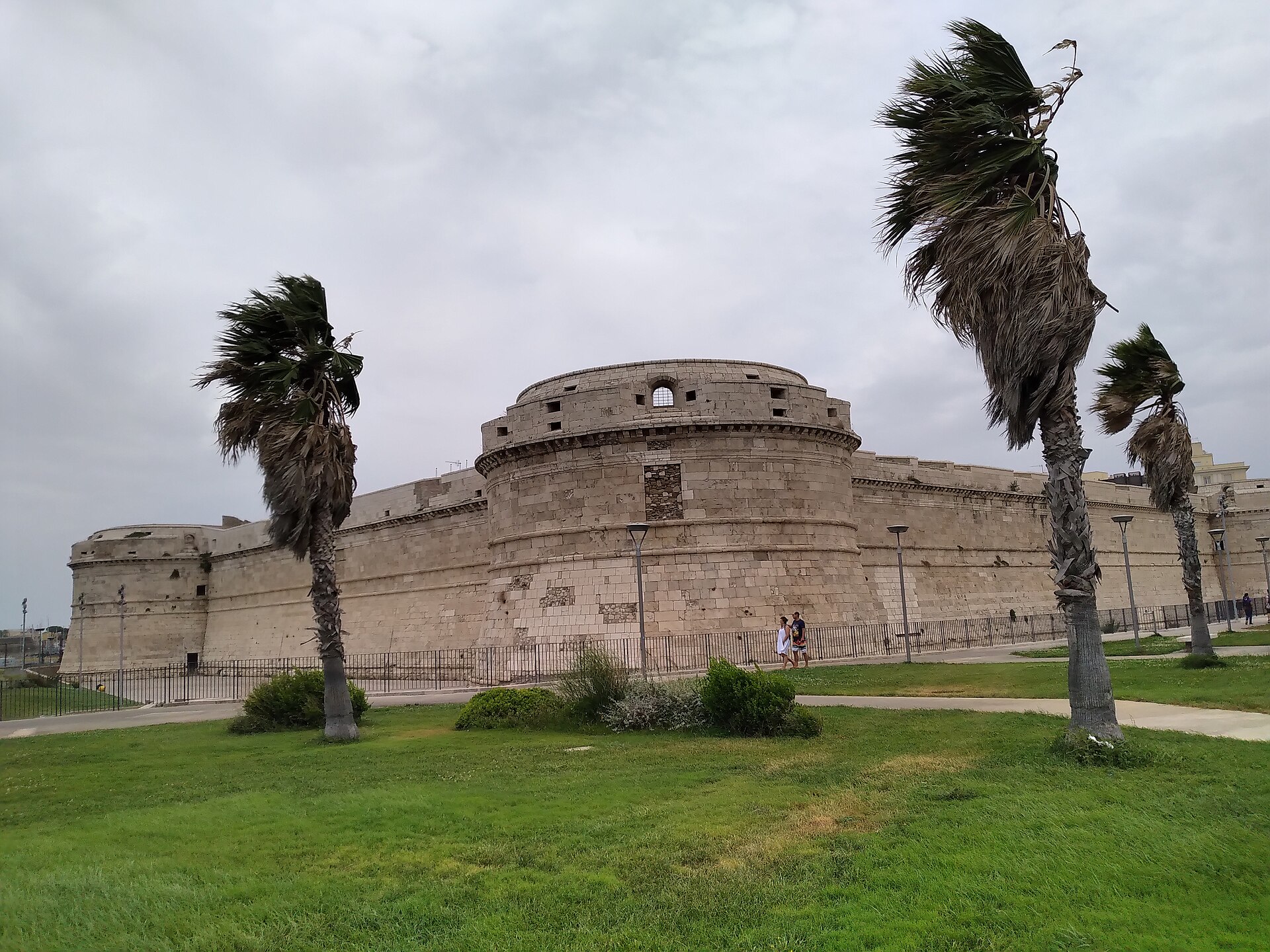
For a relaxed day, yes. The port exit is at the edge of the town center, the 16th-century Forte Michelangelo stands beside the port, and the seafront is an easy walk. It is a working town rather than a resort, so treat it as a rest day, especially after several busy ports in a row or before a long flight home.
Italy’s other long cruise-day transfer is from Livorno to Florence, about 65 miles from the port. Our Livorno to Florence guide compares the train, the shuttle coach and ship’s tours, with a four-hour walking plan for the city and the same all-aboard math.
Where this guide goes deeper
This page is part of our Italy cruise ports series, and it will link to its companion guides as they publish: Civitavecchia to Rome by train, a step-by-step walkthrough of the station, tickets and timetable; things to do in Civitavecchia, for a quieter day that skips Rome; and our Portofino cruise port guide, for the tender stop on the Italian Riviera. For Livorno, La Spezia, Naples and the rest of the coast, go back to our guide to every Italian cruise port.
How we researched this guide
Coach fares, stops and times come from SIT’s official Civitavecchia port page and its 2026 timetables. Rome’s taxi tariff, including the fixed Fiumicino to Civitavecchia fare, comes from Roma Capitale’s official taxi tariff, set by city council resolution 129 of 4 June 2021. The car rates come from the published price list of Roma Tour 3000, a Civitavecchia cooperative; other operators charge differently. Train frequencies, journey times and fares come from booking sites including Trainline and Omio in September 2026; for the day’s times and any strikes, check Trenitalia directly. The Vatican Museums’ dress rules are quoted from the Vatican Museums’ official site; ticket prices and hours for the Vatican and the Colosseum come from consistent 2026 guides.
We are an independent editorial site, not a cruise line, tour company or transport operator, and none of them has any say in what we write. We have not timed these journeys ourselves; the door-to-door times and the all-aboard plan are our planning estimates from the published timetables. What we could not verify: the official regional train fare on Trenitalia’s own site, the names of Civitavecchia’s cruise terminals, the Argo bus fare, and step-free access on the port shuttle and trains. We recheck the prices and timetables on this page each season.
Image credits
| Image | Photographer | Licence |
|---|---|---|
| Civitavecchia station platforms | CAPTAIN RAJU | CC BY-SA 4.0, via Wikimedia Commons |
| Cruise ships in the Port of Civitavecchia | Captain Raju | CC BY-SA 4.0, via Wikimedia Commons |
| Forte Michelangelo, Civitavecchia | CAPTAIN RAJU | CC BY-SA 4.0, via Wikimedia Commons |
| Roma San Pietro station | Lalupa | CC BY-SA 4.0, via Wikimedia Commons |
| The Colosseum, Rome | Wilfredor | CC0, via Wikimedia Commons |
| St Peter’s Square, Rome | Vyacheslav Argenberg | CC BY 4.0, via Wikimedia Commons |
Published 20 October 2026. Prices and timetables were checked in September 2026 and will change — confirm anything you are about to rely on with the operator.