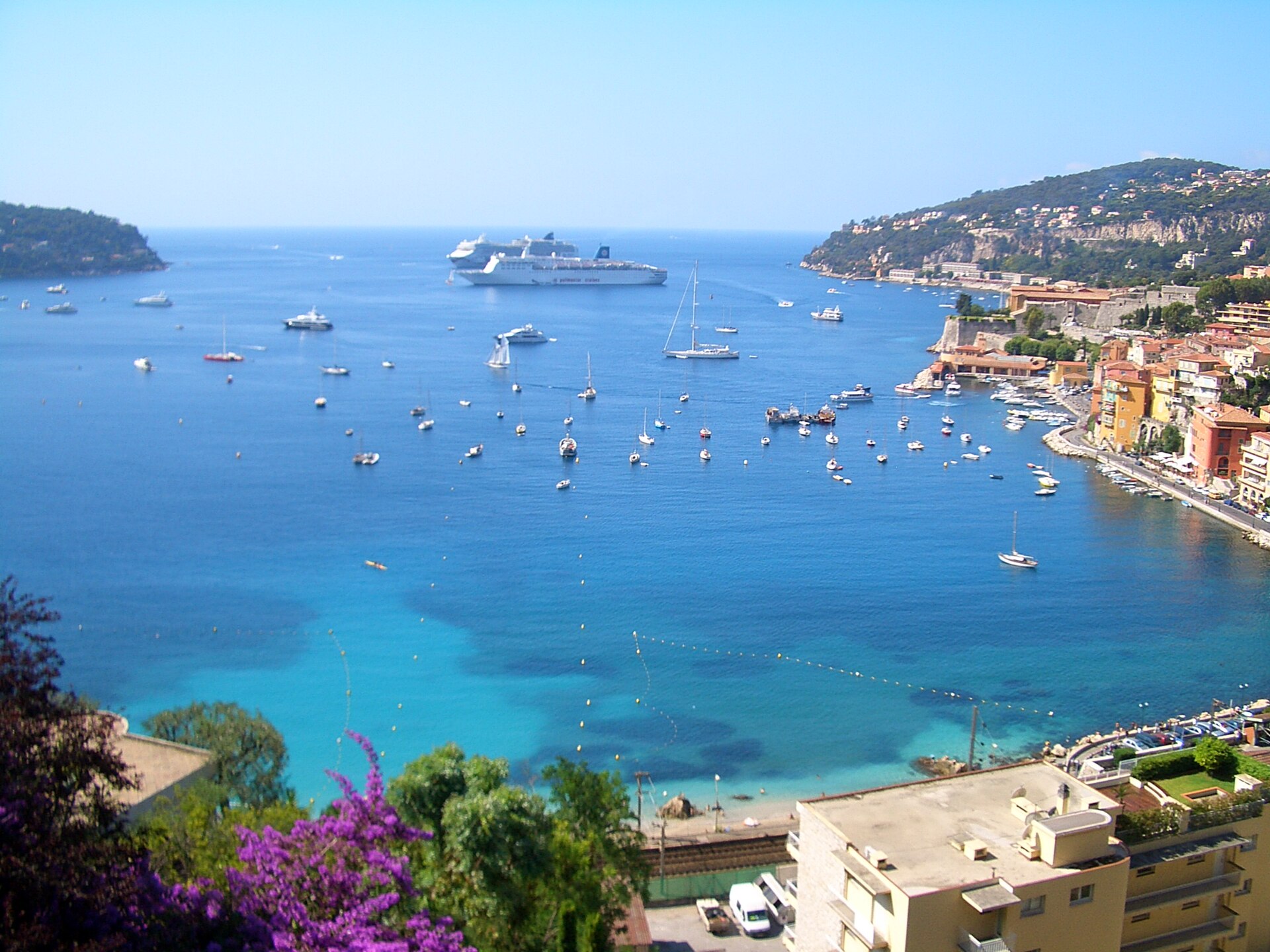
A Western Mediterranean cruise sails the coasts of Spain, France, Monaco and Italy, usually for 7 to 10 nights from Barcelona or Civitavecchia (for Rome), calling at ports such as Palma, Marseille, Villefranche, La Spezia, Livorno and Naples. It runs from April to November, with some ships sailing all winter, and is the easiest first Mediterranean cruise for most North Americans.
That last claim is our opinion, and this guide sets out the evidence for it: shorter flights, fewer tender ports, a longer season and more cities you can reach on your own. It also sets out the catch. Several of the region’s most famous port names are not where the ship actually docks, and on a Western Mediterranean cruise the difference between a great week and a frustrating one is usually a train timetable. Cruise line pages on this topic sell their own sailings. We do not sell cruises, so we compare the real 2027 routes across lines, with dated fares, a month-by-month climate table and the honest transfer arithmetic. For the Mediterranean as a whole, start with our Mediterranean cruise planning guide.
Western Mediterranean cruise at a glance
| Countries | Spain, France, Monaco and Italy, with Malta, Gibraltar, Corsica and Sardinia on many routes. Some 2027 sailings add Morocco and Tunisia. |
| Main homeports | Barcelona and Civitavecchia (Rome), plus Genoa, Savona, Marseille and Palma for European-market lines. |
| Typical length | 7 nights round trip; 8–10 nights one way between Barcelona and Rome; 12–14 nights when combined with Greece. |
| Season | April to November for most lines. MSC schedules MSC World Europa on 7-night Western Med loops through winter 2027–28. |
| Fare examples | About $1,551 per person all-in for an inside cabin on a 7-night Royal Caribbean sailing in October 2026; from $2,599 for Viking’s 8-day Barcelona–Rome voyage. |
| Tender ports | Few: Villefranche, Cannes, Portofino and Santa Margherita, Capri and Sorrento. Most ports dock. |
| Biggest transfer | Civitavecchia to Rome, 46 mi (74 km); Livorno to Florence, 65 mi (105 km). |
| Local fee to know | Barcelona charges €11 (about $13) per cruise passenger staying under 12 hours; a rise to about €30 has been proposed but not enacted. |
| Summer heat | Barcelona averages 82–83°F (28–28.5°C) in July and August; Rome 86°F (30°C). |
| Conversions | €1 = $1.1592, ECB reference rate, 11 September 2026. Prices on this page are as of September 2026 unless dated otherwise. |
What is the Western Mediterranean?
In cruise terms, the Western Mediterranean is the part of the sea west of Italy’s boot and Sicily: the coasts of Spain, France, Monaco and western Italy, plus the Balearic Islands, Corsica, Sardinia and often Malta. Cruise lines also fold in nearby Atlantic ports such as Lisbon, Cadiz and Gibraltar on longer routes.
Geographers draw the line in slightly different places, and cruise lines are not consistent either. In practice, a sailing marketed as “Western Mediterranean” almost always starts or ends in Barcelona or Rome and stays on the Spain–France–Italy triangle. When a route crosses the Strait of Messina or heads for Greece, lines start calling it “Grand Mediterranean” or simply “Mediterranean”. The Adriatic, on Italy’s other side, is sold separately.
It helps to think of the region as three coastlines:
- Spain and the Balearics: Barcelona, Valencia, Palma, Ibiza and Mahón, with Malaga, Cartagena and Cadiz on longer or Atlantic-edged routes.
- France and Monaco: Marseille, Toulon, Sète, Villefranche for Nice, Cannes and Monte Carlo, with Ajaccio on Corsica.
- Western Italy: Genoa, La Spezia, Livorno, Civitavecchia, Naples and Salerno, plus Sardinia and sometimes Sicily and Malta.
North Africa is the region’s frontier for 2027. Carnival has announced its first-ever Africa calls, at La Goulette for Tunis and at Tangier, on Carnival Sunshine sailings from Barcelona and Civitavecchia between late May and October 2027.
Where do Western Mediterranean cruises go?
A typical 7-night Western Mediterranean cruise from Barcelona calls at four or five of Palma, Marseille or Toulon, Villefranche or Cannes, La Spezia or Livorno, Civitavecchia and Naples, with one or two sea days. From Rome the same loop runs in reverse. Longer routes add Malta, Corsica, Sardinia, Sicily, Valencia or Gibraltar.
Here are the ports you are most likely to see, what each is really for, and what it takes to get ashore. Our Italy cruise ports guide covers the Italian calls in depth.
| Port | What it is for | Dock or tender | Getting to the sight, as of September 2026 |
|---|---|---|---|
| Barcelona | Gaudí, the Gothic Quarter, La Rambla | Dock, seven terminals | PortBus €3 one way to the Columbus Monument; metro from Drassanes |
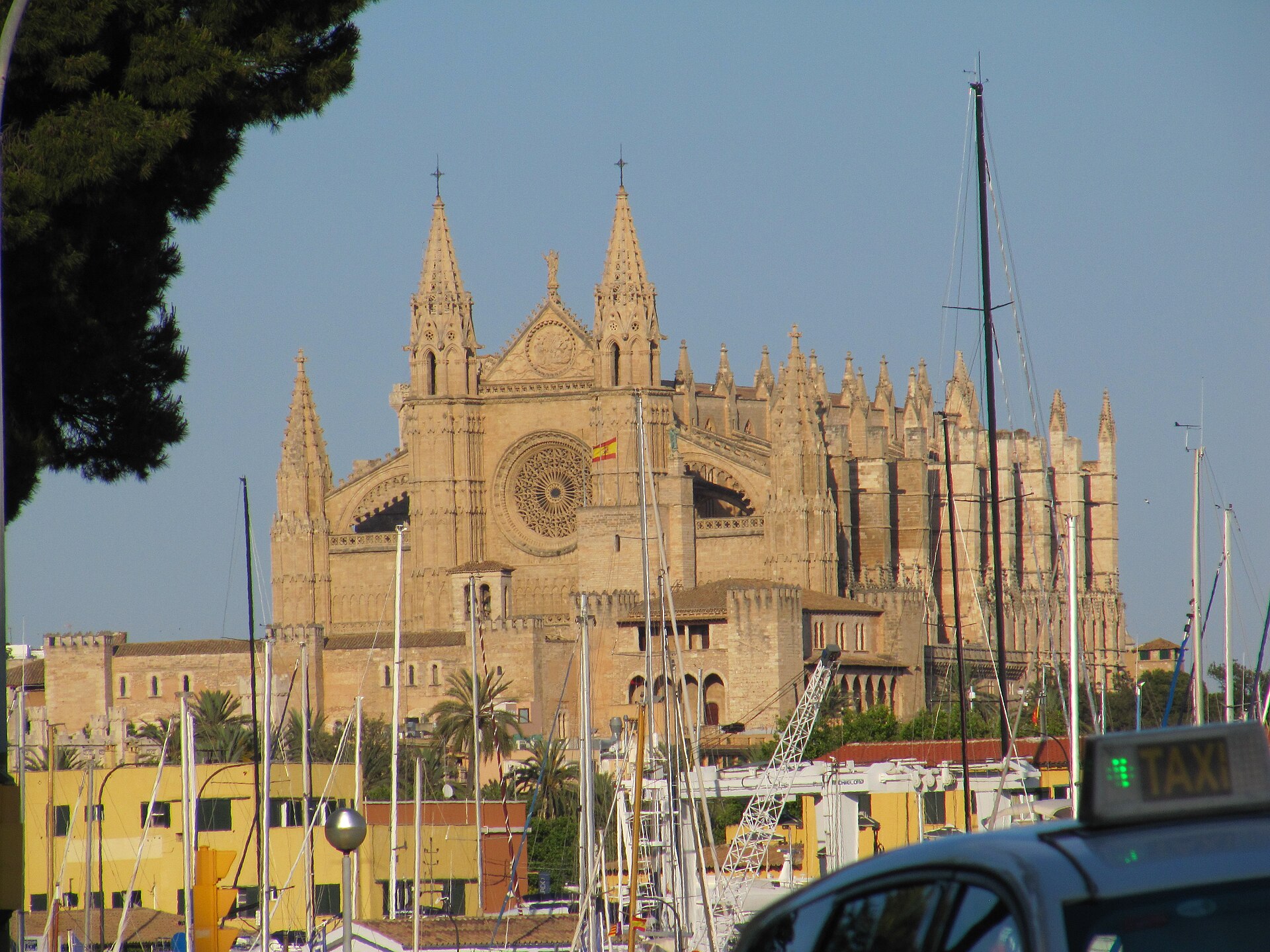
| Palma de Mallorca | Cathedral, old town, beaches | Dock at Estació Marítima or Porto Pi | About 40 min walk from Estació Marítima; EMT bus, line shuttle or taxi (fares re-verify) |
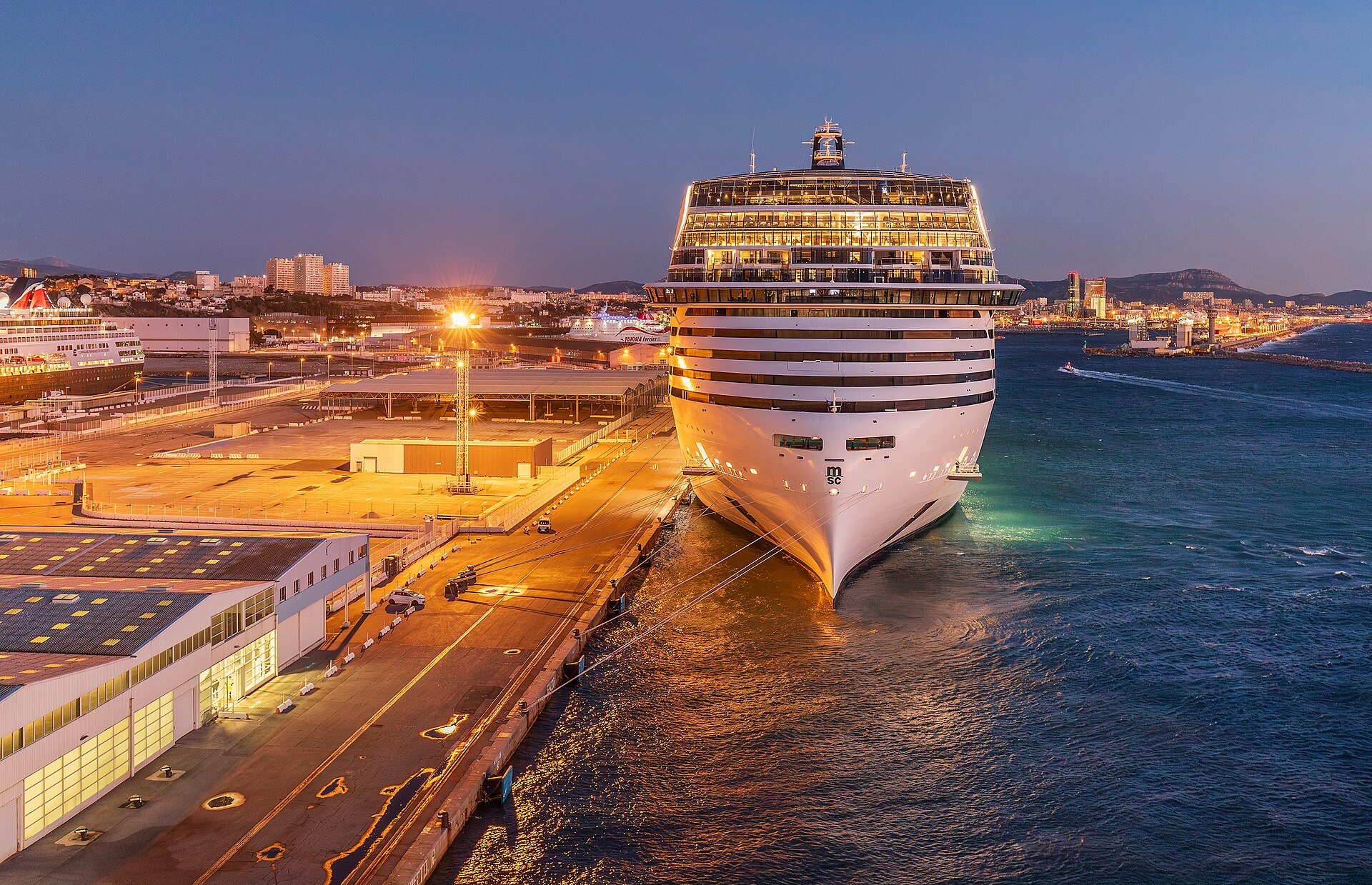
| Marseille | Vieux-Port, Notre-Dame de la Garde, Provence | Dock; large ships at MPCT | MPCT is 5 mi (8 km) from the Vieux-Port; free port shuttle on ship days |
| Villefranche | Nice, Monaco, Eze | Tender, 5–10 min wait | Train to Nice about 7 min, Monaco about 20 min |
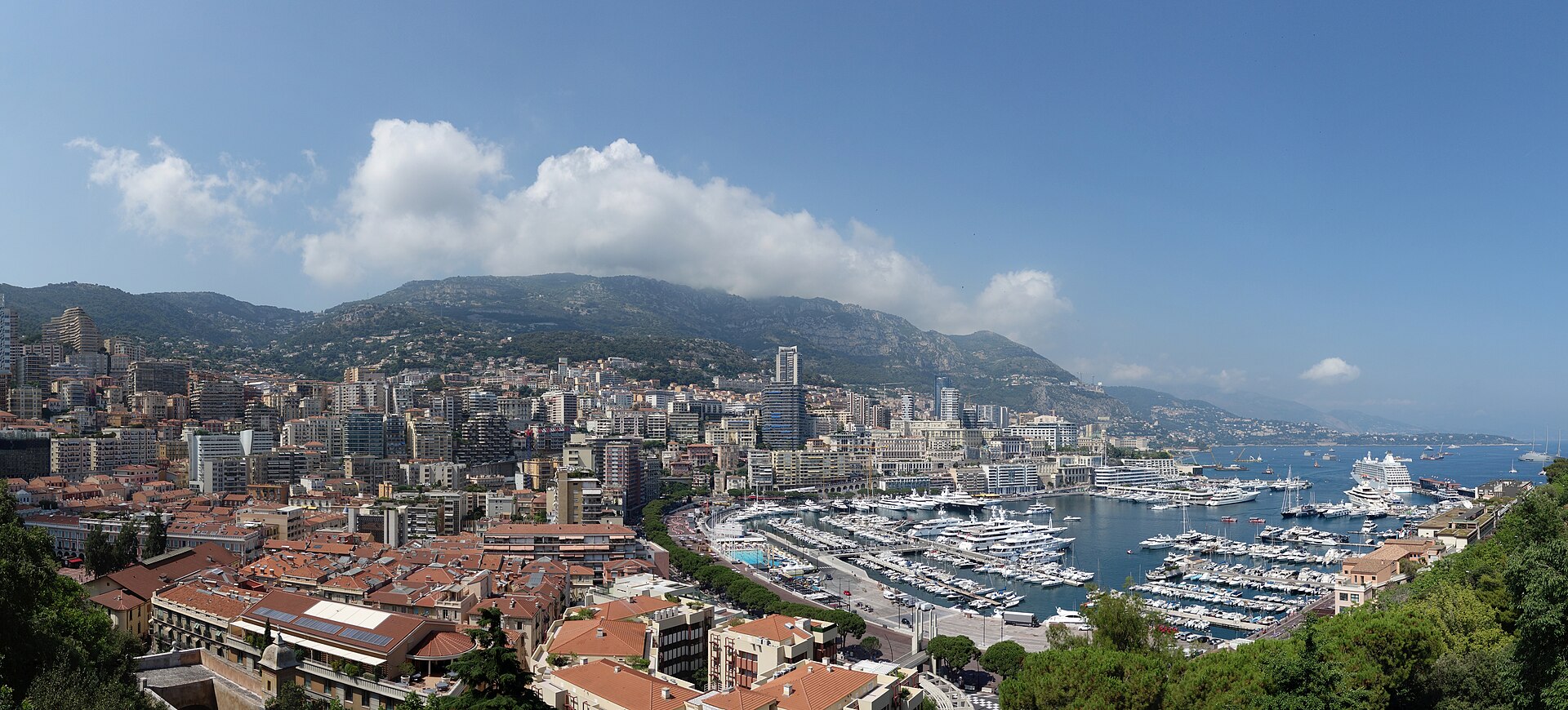
| Monte Carlo | Casino, Prince’s Palace | Premium and luxury ships only | Walk; ships up to 250 m and 1,250 passengers |
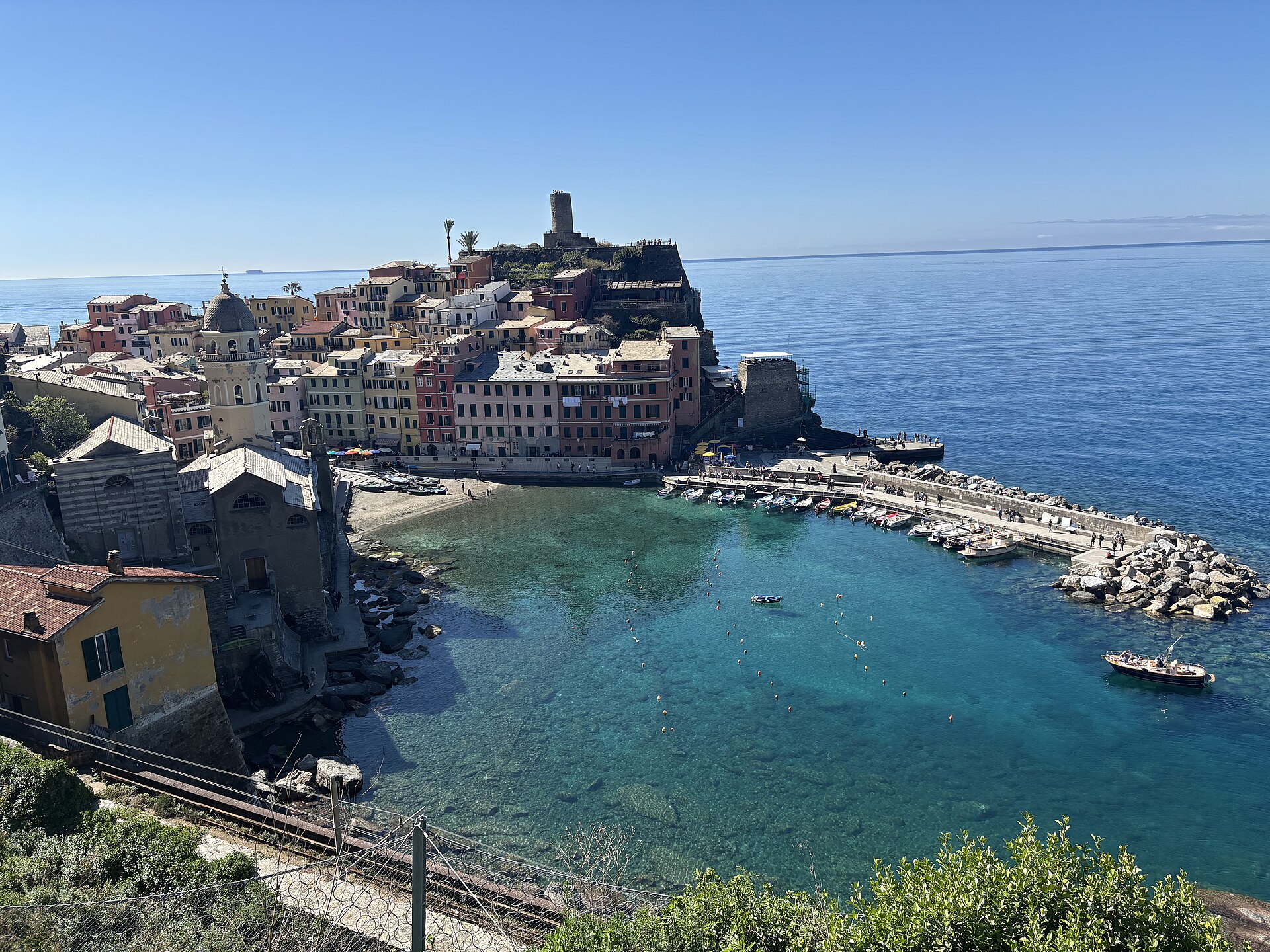
| La Spezia | Cinque Terre | Dock + free shuttle | Cinque Terre Treno card €22–€35 a day; villages about 30 min by train |
| Livorno | Florence, Pisa, Lucca | Dock in the commercial port | Florence 65 mi, train 1 h 08 to 1 h 22; Pisa 16 mi |
| Civitavecchia | Rome | Dock + in-port shuttle | Rome 46 mi; train 45–59 min from about €4.85 |
| Naples | Pompeii, Capri, Amalfi Coast | Dock downtown | Centre 10 min on foot; Pompeii 15 mi; Capri hydrofoil about 40 min |
| Valletta | Malta’s walled capital | Dock, Valletta Waterfront | City 1.5 km uphill; Upper Barrakka lift about €1 return |
| Gibraltar | The Rock | Dock | Cable car closed for refurbishment until 2027; Upper Rock tour £49 |
Spain, France and Italy: what each coastline gives you on a port day
The table above tells you how to get ashore. This section is about what kind of day each coastline gives you, because a Western Mediterranean week is really three different trips stitched together, and knowing which you enjoy most is the best way to choose between itineraries.
Spain and the Balearics: easy cities and a beach day
Spanish ports are the most forgiving in the region. Barcelona has the PortBus from the terminals to the foot of La Rambla, Palma has a cathedral and old town you can reach on foot or by city bus, and Valencia, when it appears, is a flat, modern city with a superb central market. These are ports where you can make it up as you go. On longer routes, Malaga opens the door to Granada’s Alhambra, a long day inland that we would leave to a ship’s tour, and Cadiz, docked right beside its old town, is the port for Seville: 75 miles (120 km) away, with up to 12 regional trains a day taking about an hour and a half. Spanish lunch runs late and shops close in the afternoon in smaller towns, so eat on the ship or plan for a 14:00 lunch like everybody else.
France and Monaco: short hops and a tender
The French coast is compact. From Villefranche, trains reach Nice in about 7 minutes and Monaco in about 20, which makes the Riviera one of the few places where a single port day can take in two countries without a coach. The catch is the tender, and the fact that published train fares online are often stale, so buy at the station machine. Marseille is a very different day: a big, busy, working port city whose large-ship terminal is 5 miles from the Vieux-Port, with a free shuttle on ship days. It rewards people who like cities with an edge and food markets, and it is the gateway to Aix-en-Provence and Cassis for anyone booking a tour. Toulon and Ajaccio in Corsica appear on some routes as quieter, more local-feeling alternatives.
Italy: the big names, and the long days
Italy is where the Western Med earns its reputation and where the logistics bite. Rome, Florence, Pompeii and the Cinque Terre are the reasons most people book, and all but one of them involve a transfer. Naples is the exception: the terminal is on the city’s waterfront and you can walk into the historic centre in ten minutes. Genoa, often skipped as merely a homeport, has one of the largest medieval old towns in Europe a short walk from the ship. If your itinerary has three Italian calls in a row, plan at least one of them as a slow day, and the week will feel far less like a relay race.
Malta and Gibraltar: the English-speaking outliers
Valletta and Gibraltar both appear on longer Western Med routes and both are easy for English speakers. Valletta’s Waterfront is 1.5 km below the walled city; the Upper Barrakka lift, at about €1 return, saves the steep climb, and Malta’s plugs are the UK three-pin type rather than continental. Gibraltar is a short walk from the ship to Main Street, but its cable car is closed for a full refurbishment and is expected to reopen in 2027, so the Upper Rock means a tour, currently £49 for a round trip, or a long uphill walk.
Four real Western Mediterranean routes for 2027, compared
Every line sells a slightly different Western Med. Comparing them on the same page is the fastest way to see the trade-offs: big ship or small, round trip or one way, sea days or port days, and what is included. These four are real published or announced itineraries.
Royal Caribbean Legend of the Seas: the megaship loop
Royal Caribbean’s newest ship, at 248,663 gross tonnes and 5,610 guests at double occupancy, sails 7-night Western Med round trips from Barcelona and Rome in 2027. The published schedule for the 25 July 2027 departure from Barcelona is Palma (08:00–18:00), a sea day, La Spezia (07:00–20:00), Civitavecchia (07:00–20:00), Naples (07:00–19:00), a sea day, and back to Barcelona at 05:00. That is four port days, two sea days, no tender ports and long 13-hour calls at the two Italian transfer ports, which is exactly what those ports need.
Viking Iconic Western Mediterranean: the small-ship one-way
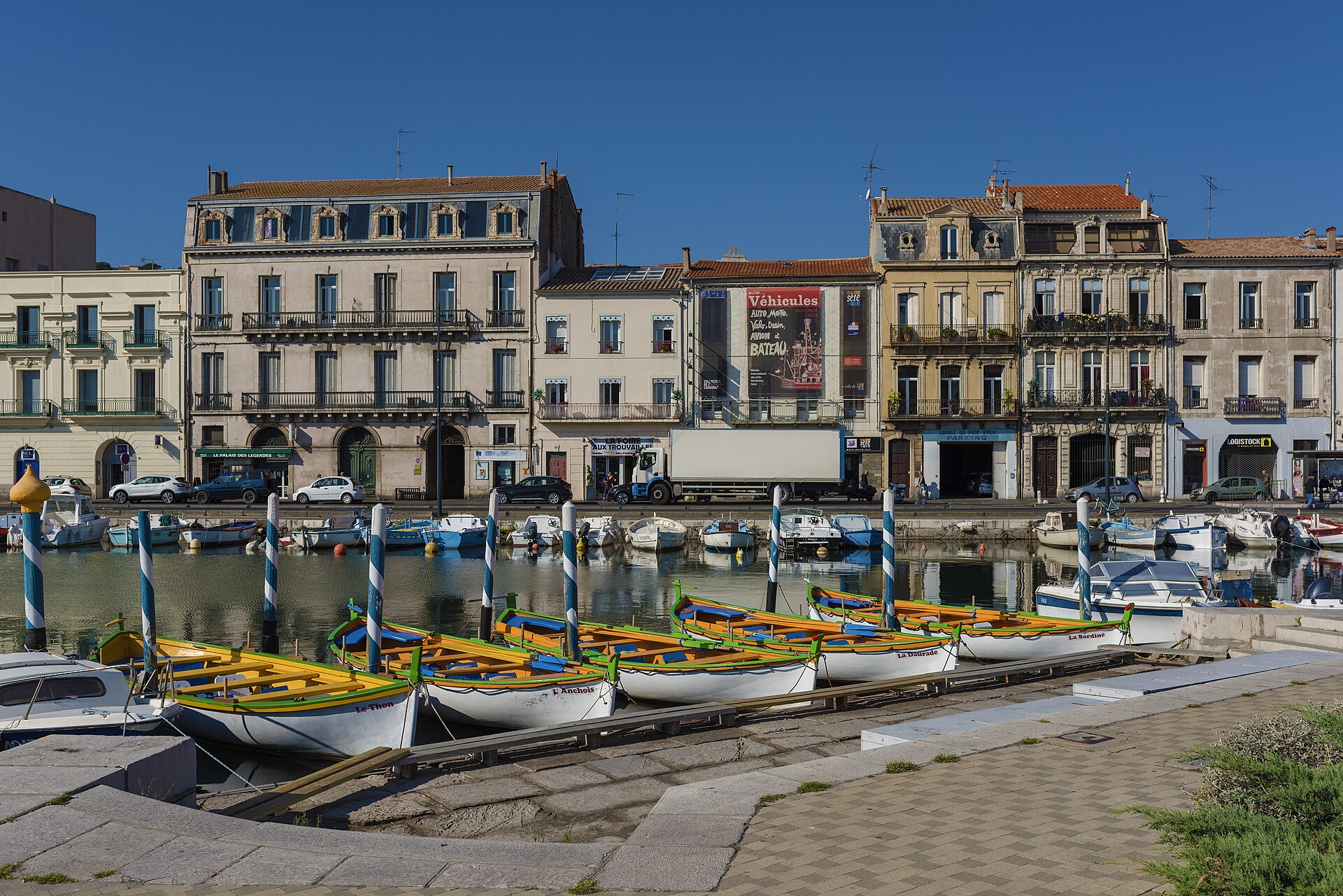
Viking’s 8-day voyage runs one way from Barcelona to Rome, with an overnight in Barcelona, then Sète, Marseille, Monte Carlo, two days at Livorno for Florence and Pisa, and disembarkation at Civitavecchia. It was priced from $2,599 per person as of September 2026, including one shore excursion in every port, Wi-Fi, beer and wine with lunch and dinner, and port taxes. Viking sails for adults only: all guests must be 18 or older.
Carnival Carnival Sunshine: the budget line goes to Africa
Carnival Sunshine is scheduled for 15 Europe sailings from late May to October 2027, from Barcelona and Civitavecchia. The headline is Carnival’s first-ever calls in Africa, at La Goulette for Tunis and Tangier in Morocco, plus new calls at Ajaccio in Corsica, Bari in Italy and Bar in Montenegro. For American families who want a familiar onboard product and a Western Med week with something unexpected in it, this is the new option.
MSC World Europa: embark wherever suits you
MSC’s revised winter 2027–28 schedule, announced in August 2026, puts MSC World Europa on 7-night Western Med round trips that you can join at Barcelona, Marseille, Genoa, Civitavecchia, Messina or Valletta. For European travellers that means sailing from the nearest port. For North Americans it means picking whichever gateway has the best flights, and it makes a winter Western Med cruise a realistic choice.
| Legend of the Seas | Viking Iconic Western Med | Carnival Sunshine | MSC World Europa | |
|---|---|---|---|---|
| Style | Megaship, families | Small ship, adults only | Mainstream, value | Megaship, European atmosphere |
| Route | Round trip Barcelona or Rome | One way Barcelona–Rome | From Barcelona and Civitavecchia | Round trip, six embarkation ports |
| Stand-out calls | Long days at La Spezia, Civitavecchia, Naples | Sète, Monte Carlo, two days in Livorno | La Goulette, Tangier, Ajaccio | Messina, Valletta |
| Season | Summer 2027 | 2027 season | Late May–Oct 2027 | Winter 2027–28 |
| Fare indication | About $1,551 pp all-in inside, Oct 2026 sailing | From $2,599 pp | Not verified | Not verified |
| Included | Cabin, main dining, entertainment | One excursion per port, Wi-Fi, wine and beer with meals, port taxes | Cabin, main dining, entertainment | Varies by fare type |
Our guide to the best Mediterranean cruise lines goes deeper on each operator, including gratuity rates, age policies and who is sailing where in 2027.
Is a Western or Eastern Mediterranean cruise better?
For a first Mediterranean cruise from North America, we think the Western Mediterranean is better: shorter flights into Barcelona and Rome, fewer tender ports, a longer season and more ports you can explore alone. The Eastern Mediterranean and Greek islands are more photogenic, hotter in summer and more dependent on tenders and wind.
| Western Mediterranean | Eastern Mediterranean and Greek islands | |
|---|---|---|
| Flights from North America | Barcelona and Rome have dense nonstop service | Athens has fewer nonstops; many routings connect |
| Tender ports | Few | Santorini always; Mykonos and small islands sometimes |
| Transfer days | Civitavecchia and Livorno are long | Katakolon and Piraeus are long; islands are short |
| July–August heat | Barcelona 82–83°F (28–28.5°C) | Athens 88–90°F (31–32°C) |
| Wind | The mistral can affect Marseille and the Riviera | The meltemi cancels Aegean tenders, strongest in July–August |
| Destination fees | Barcelona €11 for short stays | Up to €20 per call at Santorini and Mykonos |
| Season | April–November, some winter sailings | Effectively April–October |
| Best for | Cities, art, food, first-timers | Islands, ancient sites, repeat cruisers |
Plenty of people would reverse that recommendation, and they are not wrong. If what you picture is whitewashed villages above a blue caldera, the Western Med will not give it to you. Our Greek islands cruise guide sets out that alternative honestly, including the Santorini tender and the landing fee.
When is the best time for a Western Mediterranean cruise?
The best months for a Western Mediterranean cruise are May, June, September and early October: warm enough to swim, cooler than midsummer, and cheaper than July and August. April and November are the best value. December to March works on the few ships that stay, if you want cities rather than beaches.
| Month | Barcelona air, max | Barcelona sea | Rome air, max | Rome rainy days | Our verdict |
|---|---|---|---|---|---|
| March | 61°F (16°C) | 55°F (13°C) | 61°F (16°C) | 13 | Cool; few sailings |
| April | 64°F (18°C) | 57°F (14°C) | 64°F (18°C) | 13 | Great value, not beach weather |
| May | 70°F (21°C) | 63°F (17°C) | 73°F (23°C) | 10 | Excellent for cities |
| June | 77°F (25°C) | 68°F (20°C) | 81°F (27°C) | 8 | Our favourite all-rounder |
| July | 82°F (28°C) | 73°F (23°C) | 86°F (30°C) | 5 | Hot, crowded, most expensive |
| August | 83°F (28.5°C) | 77°F (25°C) | 86°F (30°C) | 6 | Warmest sea; some local closures |
| September | 79°F (26°C) | 73°F (23°C) | 81°F (27°C) | 9 | Warm sea, easing crowds |
| October | 72°F (22°C) | 68°F (20°C) | 72°F (22°C) | 12 | Good value, more rain late |
| November | 63°F (17°C) | 63°F (17°C) | 63°F (17°C) | 15 | Cheapest; Rome’s wettest month |
Two seasonal points specific to the Western Med. First, the spread between spring and summer fares on the same mainstream itinerary has been measured at up to about $60 per person per night, which on a 7-night cruise for two is more than $800. Second, August is when many Italian and French family businesses close for the holiday, which matters more in smaller towns than on the big sights. Our guide to the best time to cruise the Mediterranean goes month by month across all regions.
How much does a Western Mediterranean cruise cost?
A 7-night Western Mediterranean cruise on a mainstream line cost about $1,500 to $2,500 per person all-in for an inside or balcony cabin in 2026, before flights and excursions. Premium-inclusive lines start around $2,600 for 8 days; luxury lines run to roughly $760 per person per night.
Here is what the dated examples look like, and what sits on top of the fare:
- Mainstream fare. Legend of the Seas, 7 nights from Barcelona on 11 October 2026, came to about $1,551 per person for an inside cabin all-in, around $222 per person per night, on a promotional second-guest rate.
- Premium-inclusive fare. Viking’s 8-day Barcelona–Rome voyage from $2,599 per person, with excursions, Wi-Fi, drinks with meals and port taxes included.
- Luxury. Silversea’s 11-day Rome–Barcelona sailing from about $8,400 per person, roughly $760 per night, with most extras included.
- Taxes and port fees. About $100 to $200 per person on a 7-night Mediterranean sailing, if not already in the fare.
- Gratuities. Per person per night in 2026: Royal Caribbean $18.50, Norwegian $20, Celebrity $19.50 from 29 July 2026, Princess $18. On a 7-night cruise for two at $18.50, that is $259.
- Barcelona’s cruise tax. €11 per passenger on a short call. Passengers starting or ending in Barcelona are exempt from the proposed increase.
- Getting ashore. A Rome day by train costs two people under $30 in fares; a ship’s tour can cost several hundred. Our shore excursions guide compares the options port by port.
Add transatlantic flights, which for an open-jaw into Barcelona and out of Rome can be noticeably more expensive than a round trip, and at least one pre-cruise hotel night. Our Mediterranean cruise cost guide builds the full budget.
The transfer ports and the all-aboard math
The Western Mediterranean’s weak point is that three of its biggest names are a long way from the ship. Civitavecchia is 46 miles from Rome, Livorno is 65 miles from Florence, and Villefranche is a tender ride from the quay where the train to Monaco leaves. On a port-intensive cruise, meaning one with a port nearly every day, these are the days that go wrong.
All aboard is the time by which you must be back on the ship, normally 30 to 60 minutes before departure. The ship does not wait for independent travellers. Here is our worked timeline for Rome from Civitavecchia on a typical 07:00 to 19:00 call, with all aboard at 18:30.
| Time | What happens | Buffer logic |
|---|---|---|
| 07:00–07:30 | Gangway; in-port shuttle to Largo della Pace | Independent travellers queue behind ship’s tours |
| 07:30–07:55 | Walk or Argo bus to the station, buy and validate tickets | Ticket machines queue on busy mornings |
| 08:05–09:05 | Train to Roma San Pietro or Termini | 45–59 minutes; about 44 trains a day |
| 09:15–15:00 | Rome, one area done properly | Vatican, or the Colosseum and Forum, not both |
| 15:00 | Latest safe time at the Rome station | One cancelled train is survivable |
| 16:15–17:00 | Station to port and shuttle to ship | Late-afternoon shuttles are busiest |
| 18:30 | All aboard | Our recommended buffer: 90 minutes |
On a shorter 08:00 to 17:00 call, the same plan leaves roughly three hours in Rome. That is why we think the call length matters more than the port list when you compare Western Med itineraries: a 13-hour day at Civitavecchia, like Legend of the Seas schedules, is a different trip from a 9-hour one.
Round trip or one way from Barcelona to Rome?
Round trips from Barcelona or Rome are simpler and usually cheaper to fly, because you book a single return ticket. One-way cruises between Barcelona and Rome repeat fewer sea days and often include more interesting ports, but they need an open-jaw flight into one city and home from the other. Price both before you choose.
The one-way option has a second advantage that is easy to overlook. If you are flying from North America, you are likely to add hotel nights anyway, and a one-way cruise lets you spend them in two great cities — Barcelona before, Rome after — rather than two nights in the same place. The disadvantage is disembarkation logistics at Civitavecchia, 46 miles from Rome’s airport, which makes an early flight home unrealistic. Our embarkation ports guide covers those transfers and the earliest sensible flight times.
- Choose a round trip if you want the simplest flights, you are travelling with children, or you would rather spend your extra nights in one city.
- Choose a one-way if you want two cities on land, you are on a small-ship line such as Viking that favours one-ways, or the round-trip ports repeat what you have already seen.
Who a Western Mediterranean cruise suits, and who it does not
First-timers. The Western Med is the gentlest introduction to European cruising: big, well-connected homeports, mostly docking ports, and a mix of beach, city and ruin. Our itineraries guide goes through what a first route should include.
Families. Megaships like Legend of the Seas and the arrival of Disney Wish, whose first Europe season starts from Barcelona on 22 May 2027 and adds Civitavecchia in June, make the Western Med the most family-friendly part of the Mediterranean. Naples and Barcelona are easy port days with children; Rome from Civitavecchia is hard.
Travellers with limited mobility. Fewer tenders help enormously, and Barcelona, Palma, Naples and Valletta (after its lift) are manageable. The hard days are the ancient sites and the hill towns, and Villefranche’s tender. Ask your line about its tender policy before booking.
Beach lovers. The Western Med has beaches, but few itineraries give you a pure beach day. Palma, Ibiza and some Corsican and Sardinian calls come closest. If swimming is the point, the Greek islands in September are the better choice.
People who dislike transfers. The Western Med’s big names involve coaches and trains. Look for itineraries built around Barcelona, Palma, Marseille, Naples and Valletta, which let you walk or shuttle straight into town, and treat Rome and Florence as a reason to add land nights rather than a port day.
If islands, ancient sites and swimming appeal more than cities, the comparison runs the other way. Our Eastern Mediterranean cruise guide sets out a real 2027 Greece and Turkey week hour by hour, what the Greek landing fee adds, and when the meltemi wind cancels island calls.
If Italy is the heart of the trip for you, our Italy cruise guide goes further, including Italian-market lines that reach Sicily and Sardinia, Adriatic routes from Trieste and Ravenna, and how to combine a cruise with nights in Rome.
For the Spanish and Portuguese calls on these routes in detail, our guide to Spain and Portugal cruise ports covers every berth from Barcelona to Lisbon, the ports for Seville and Granada, Palma’s 2027 passenger cap and Gibraltar’s new border checks.
The Western Med is where the small-ship advantage is sharpest, because Monaco, Portofino, Bonifacio and the Riviera tender ports all reward a smaller vessel. Our comparison of luxury Mediterranean cruise lines covers which ships can use them and what the fares run to.
Where a Western Med itinerary picks up Palermo, Cagliari or Valletta, our guide to Sicily, Sardinia and Malta cruise ports covers the dock-or-tender status, the walk into each town and the all-aboard arithmetic for Etna, Taormina and Gozo.
The French calls on these routes divide sharply into tender ports and berths, and that decides the shape of the day. Our guide to French Riviera cruise ports covers Villefranche, Cannes, Monaco, Marseille and Corsica, with the train timings to Nice and Monaco worked back from the all-aboard time.
Royal Caribbean’s Legend of the Seas, the largest ship ever based in the Mediterranean, runs exactly this route in 2027: seven-night loops from Barcelona and Rome via Palma, Marseille, La Spezia, Civitavecchia and Naples. Our guide to Royal Caribbean Mediterranean cruises takes that week port by port, with the all-aboard math for the Rome day and the rest of the line’s 2027 fleet.
Where this guide goes deeper
This page is the hub for Western Mediterranean cruising. The guides beneath it take one question at a time and will be linked here as each publishes: Western Mediterranean cruises 2027, best Western Mediterranean cruises, Western Mediterranean cruise cost, Western Mediterranean cruise itineraries compared, Spain, France and Italy in one cruise, Spain and Portugal cruises and the best time to cruise the Western Mediterranean.
For the ports themselves, see our guides to Italy cruise ports and embarkation ports, and for what to do ashore, the shore excursions hub.
Western Mediterranean cruise FAQs
What countries does a Western Mediterranean cruise visit?
Spain, France, Monaco and Italy on almost every route, with Malta, Gibraltar and the islands of Mallorca, Corsica and Sardinia on many. Some 2027 sailings add North Africa: Carnival’s Carnival Sunshine calls at La Goulette for Tunis and at Tangier in Morocco.
How long is a Western Mediterranean cruise?
Most are 7 nights, round trip from Barcelona or Rome. One-way sailings between the two cities run 8 to 10 nights, and routes that combine the Western Med with Greece run 12 to 14. From North America, we think 10 nights or more gives better value for the airfare.
Can you cruise the Western Mediterranean in winter?
Yes, on a limited number of ships. MSC has scheduled MSC World Europa on 7-night Western Med round trips through winter 2027–28, joinable at Barcelona, Marseille, Genoa, Civitavecchia, Messina or Valletta. Expect cool temperatures around 57–58°F (14°C) in Barcelona and a city-focused trip rather than beaches.
Which port is closest to Rome on a cruise?
Civitavecchia, 46 miles (74 km) north-west of the city. Trains take 45 to 59 minutes, with about 44 a day from about €4.85 as of September 2026. Allow for the port shuttle and the walk to the station at both ends of the day.
Do Western Mediterranean cruises stop in Monaco?
Some do. Monaco accepts only premium and luxury ships of up to 250 metres and 1,250 passengers, such as Viking. Mainstream ships call at Villefranche instead, a tender port from which the train reaches Monaco in about 20 minutes.
Is the Western Mediterranean rough?
Usually not in the main season. The exception is the mistral, a strong northerly wind that funnels down the Rhône valley into the Gulf of Lion and can make the crossing between Barcelona and the French Riviera choppy and make tendering at Riviera ports difficult. How often it disrupts cruise calls is not published in a form we can verify.
Do I need a passport for a Western Mediterranean cruise?
Yes. For the Schengen countries on the route, a US passport must be under 10 years old and valid at least 3 months after you leave; lines such as Royal Caribbean require 6 months after the cruise ends. The EU’s Entry/Exit System has taken biometrics at the border since April 2026.
What is included on a Western Mediterranean cruise?
On mainstream lines, your cabin, main dining, entertainment and most onboard activities. Drinks, specialty dining, Wi-Fi, excursions and gratuities cost extra. Premium-inclusive Viking includes one excursion per port, Wi-Fi, drinks with meals and port taxes; luxury lines include most extras.
How we researched this guide
Every fare, schedule, distance and rule on this page comes from a named source with the date we checked it. Deployments come from the cruise lines’ own announcements: Royal Caribbean’s 2027 Europe line-up of 29 October 2025, Carnival’s and Disney’s 2027 Europe announcements, and MSC’s winter 2027–28 revision of 20 August 2026. The Legend of the Seas schedule was retrieved from Royal Caribbean on 13 September 2026 and the Viking itinerary and fare on 16 September 2026. Climate figures are Barcelona airport normals and weather2travel. Port logistics come from port authorities and operators, and Barcelona’s cruise tax from Euronews reporting of 26 June 2026. We searched page one of Google for this topic on 16 September 2026; every result was a cruise line or booking site selling its own sailings, and none compared routes across lines.
We are an independent editorial site. We do not sell cruises and have not sailed every itinerary described. Opinions — that the Western Med is the better first cruise, that June is the best all-round month, that call length matters more than the port list — are labelled as ours. Fares and fees are re-checked every January and March; deployments whenever lines announce.
Image credits
| Image | Photographer | Licence |
|---|---|---|
| Cruise ships at anchor in the bay of Villefranche-sur-Mer | Vmenkov | CC BY-SA 3.0, via Wikimedia Commons |
| Port Hercule, Monaco | Spike | CC BY-SA 4.0, via Wikimedia Commons |
| Traditional boats on a canal in Sète | Christian Ferrer | CC BY-SA 4.0, via Wikimedia Commons |
| Palma Cathedral across the marina | Kroksik | CC BY-SA 4.0, via Wikimedia Commons |
| MSC World Europa at Marseille | Ximonic (Simo Räsänen) | CC BY-SA 4.0, via Wikimedia Commons |
| Vernazza harbour, Cinque Terre | Mathieu Chollet | CC BY-SA 4.0, via Wikimedia Commons |
Published 21 September 2026. Fares, schedules and fees were checked in September 2026 and will change — verify anything you are about to pay for. Primary sources: Viking’s Iconic Western Mediterranean itinerary and the Port de Barcelona cruise terminals.