The most useful Mediterranean cruise tips are these: sail in May, June or September; check call lengths, not just port names; book timed tickets for the Colosseum, Acropolis and Pompeii before you sail; arrive two nights early if flying from North America; carry your passport ashore outside the Schengen area; and be back 60 to 90 minutes before all aboard after any long transfer.
Below are 50 Mediterranean cruise tips in total, grouped by the stage of the trip they matter for. Most “tips” articles on this subject are ten general observations — avoid summer, pace yourself, bring cash. Those are true, and they are in here too. But the tips that actually save a port day are specific: which months the Greek landing fee drops, how far Civitavecchia really is from Rome, which Italian tickets are named and released 30 days ahead, what changed at Gibraltar’s cruise port in July 2026. Every number below has a date or a source, and where we are giving opinion rather than fact we say so. For the whole-region overview, start with our Mediterranean cruise planning guide.
Mediterranean cruise tips at a glance
| Best months | Late May, June, September and early October. April and November are the best value. |
| Best length from North America | 10 to 12 nights, in our opinion; 7 nights is tight once you count flights and jet lag. |
| The biggest trap | Believing the port name. Civitavecchia is 46 mi (74 km) from Rome; Livorno is 65 mi (105 km) from Florence. |
| Book before you sail | Colosseum (named, released 30 days ahead), Pompeii (named, time slots from mid-March to mid-October), Acropolis (timed), Alhambra (named, fixed Nasrid Palaces slot). |
| Fees you will see on your bill | Greek landing fee up to €20 (about $23) per call; Barcelona €11 (about $13) on short calls; gratuities $17–$22 per person per night on mainstream lines. |
| Documents | Passport valid 6 months after the cruise for many lines; EU Entry/Exit System live since 10 April 2026; ETIAS not yet required as of September 2026. |
| Weather risk | The Aegean meltemi wind, strongest in July and August, cancels Greek island tenders. |
| All-aboard buffer | 45 minutes at walk-off ports; 60–90 minutes after a long transfer; at least an hour at a tender landing (our rules of thumb). |
| Conversions | €1 = $1.1592, ECB reference rate, 11 September 2026. Prices on this page are as of September 2026 unless dated otherwise. |
How do you choose the right Mediterranean cruise?
Choose a Mediterranean cruise by region first, then call length, then ship size. For a first trip from North America, a 10- to 12-night Western Med itinerary from Barcelona or Rome is the easiest. Check how many hours each port gets and whether it tenders, because those decide your days far more than the brochure’s port list.
1. Pick the region before the ship
“Mediterranean cruise” covers at least four different holidays: the Western Med (Spain, France, Italy), the Eastern Med and Greek islands, the Adriatic (Croatia, Montenegro, Venice’s substitutes) and long combined routes. They differ in heat, tender ports, flight times and pace far more than ships do. Decide which you want, then look at ships. Our itineraries guide compares the four with real published schedules.
2. Never trust the port name
The brochure says Rome; the ship docks at Civitavecchia, 46 miles (74 km) away. Florence means Livorno, 65 miles (105 km) away. Olympia means Katakolon, 21 miles (34 km). Seville means Cadiz, 75 miles (120 km). Granada means Motril or Malaga. None of this is hidden, exactly, but it is the single biggest source of disappointment on a first Mediterranean cruise.
3. Compare call lengths, not just ports
Two itineraries with the same ports can be different trips. Royal Caribbean’s Legend of the Seas schedules 13 hours at both La Spezia and Civitavecchia on its 25 July 2027 Barcelona sailing. A nine-hour call at Civitavecchia leaves roughly three hours in Rome after the transfer; a thirteen-hour call leaves six. Look at the arrival and departure times before you compare prices.
4. Count the tender ports
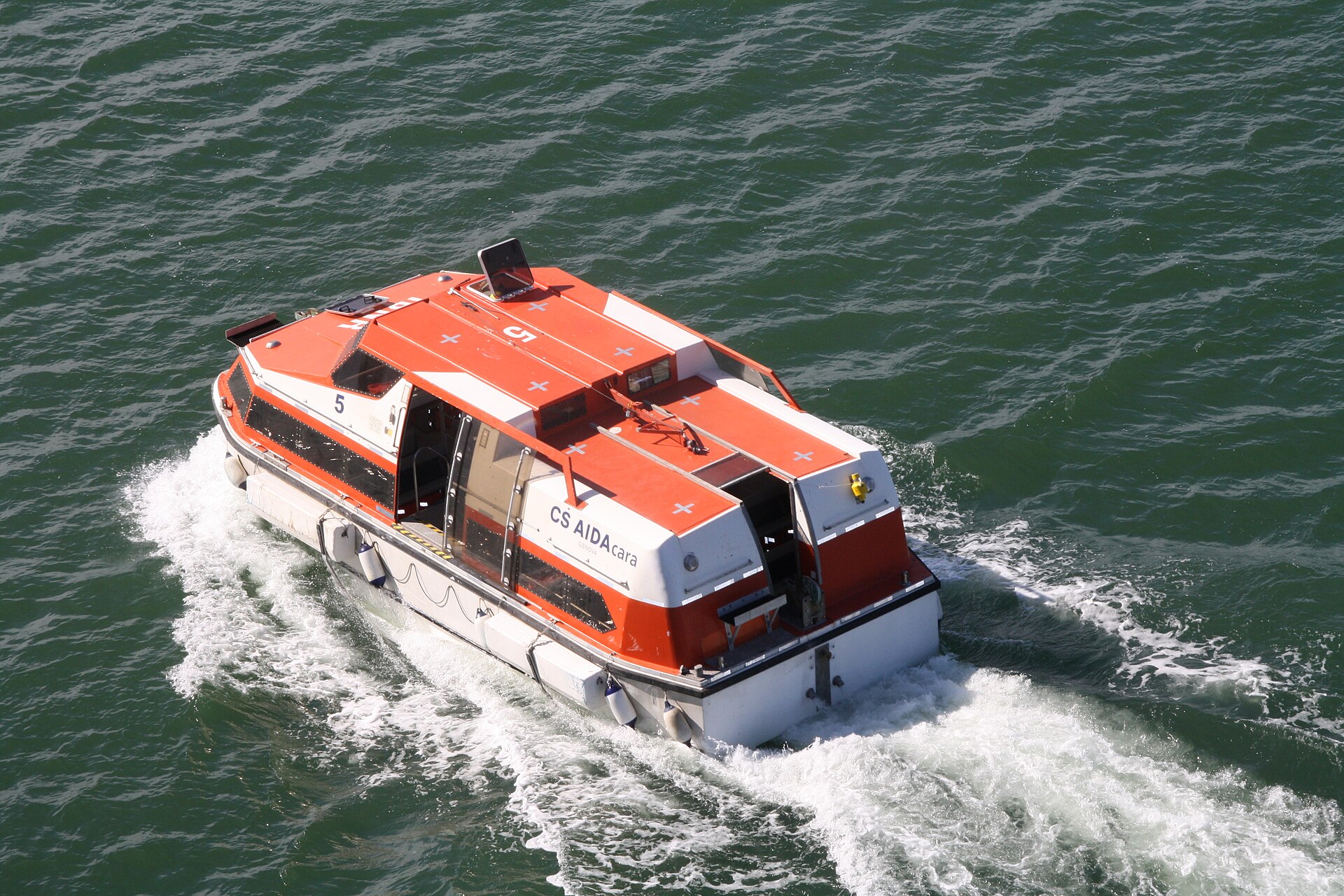
A tender port is one where the ship anchors and passengers go ashore by small boat. Santorini always tenders; Villefranche, Portofino, Capri and Sorrento usually do; Mykonos and Kotor do on busy days. Tenders add an hour or more to the day, are the first thing cancelled in wind, and are the biggest accessibility barrier in the region. The more tender ports, the more your week depends on the weather.
5. Match ship size to the ports you want
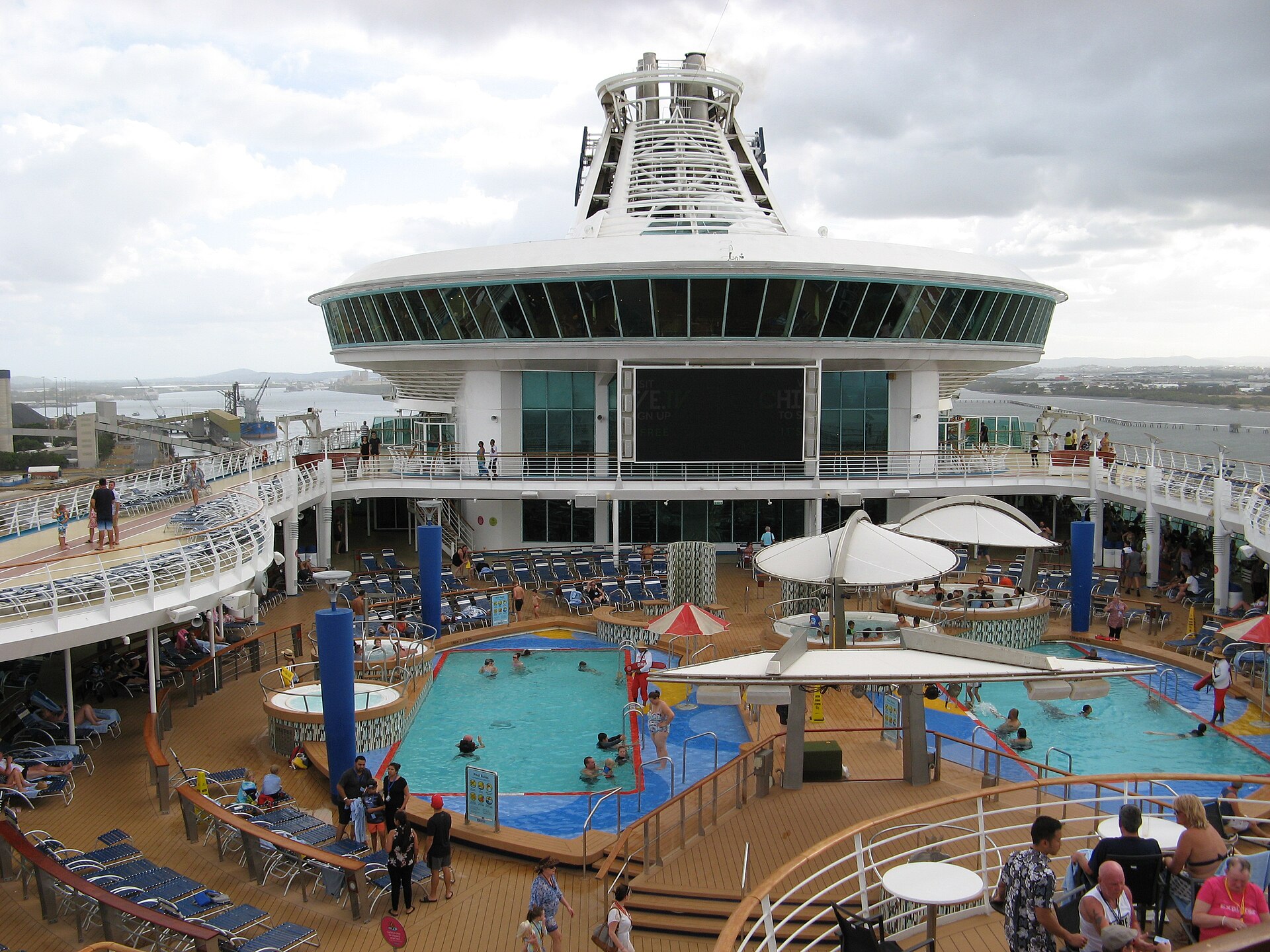
Megaships reach the big ports: Barcelona, Civitavecchia, Naples, Piraeus, Mykonos. Small ships reach Portofino, Patmos, Hvar, Korcula, Sète and the Amalfi villages. Monaco accepts only premium and luxury ships of up to 250 metres and 1,250 passengers. If a small harbour is the reason for the trip, a big ship that “calls” there by tender is a compromise; a small ship may berth in town.
6. Go longer than seven nights if you are flying from North America
This is our opinion. A seven-night cruise costs you roughly a day’s travel each way and a couple of jet-lagged days at the start, leaving about four good port days for a nine-day absence. Adding three nights adds three port days at a marginal cost, against a transatlantic airfare you have already paid.
7. Think about one-way cruises, and price the flights first
Barcelona to Rome, Rome to Athens and similar one-way routes see more coast and repeat fewer sea days. They also need an open-jaw flight, which can cost noticeably more than a return ticket. Price the flights before you fall in love with the itinerary.
8. Want at least one sea day
Mediterranean cruises are port-intensive — many weeks have a port nearly every day. Norwegian says its ships spend over 90% of their time in port, averaging nearly 11 hours alongside. That is wonderful for sightseeing and exhausting by day five. One sea day in the middle of the week is worth more than it looks on paper.
When is the best time to take a Mediterranean cruise?
The best time for a Mediterranean cruise is late May to June or September to early October: warm sea, fewer crowds, lower fares and less extreme heat than July and August. April and November are the cheapest months with full itineraries. Greek island cruises are best avoided in the peak meltemi months if Santorini matters to you.
9. Avoid July and August unless you have to go then
Athens averages 88 to 90°F (31 to 32°C) in July and August, Rome 86°F (30°C) and Barcelona 82 to 83°F (28 to 28.5°C). The ancient sites have little shade, and heat can shut them: the Acropolis closed until 17:00 on 8 July 2025 with 38°C forecast. Summer is also the most expensive and most crowded time. If school holidays leave no choice, plan every exposed sight for the morning.
10. Use the shoulder season to save real money
The measured gap between spring and summer fares on the same mainstream Mediterranean itinerary has reached about $60 per person per night. On a 7-night cruise for two, that is more than $800. April and November are the best value; May and September are the best balance of weather and price.
11. Respect the meltemi in Greece
The meltemi is a strong northerly wind that blows across the Aegean from May to October, strongest in July and August. On 14 August 2026 the National Observatory of Athens recorded gusts above 100 km/h (62 mph) in several Aegean locations. It cancels Santorini tenders more than anything else. If Santorini is the point of the trip, sail in May, June or September.
12. Time Greece around the landing fee
Greece charges cruise passengers per call, only if they go ashore. At Santorini and Mykonos it is €20 from 1 June to 30 September, €12 in April, May and October, and €4 from November to March. At other Greek ports it is €5, €3 and €1. On a typical week calling at Santorini, Rhodes and Mykonos, that is €45 per person in September and €27 in October — €36 less for a couple, just by moving a few weeks.
13. Expect August closures in smaller towns
August is when many Italian, French and Spanish families take their own holidays, and some family-run restaurants and shops in smaller towns close for part of the month. The big sights stay open, but the village trattoria you read about may not.
How much should you budget for a Mediterranean cruise?
Budget roughly $1,500 to $3,500 per person all-in for a mainstream 7-night Mediterranean cruise, plus flights and excursions. On top of the fare, expect gratuities of about $17 to $22 per person per night, taxes of $100 to $200 if not included, destination fees such as Greece’s landing fee, and your own spending ashore.
14. Price gratuities before you compare fares
Per person per night in 2026: Royal Caribbean $18.50, Norwegian $20, Celebrity $19.50 (from 29 July 2026), Princess $18, Holland America $17, Carnival $17, Virgin $22 ($20 if prepaid). Viking adds $20 on US bookings; Oceania, Regent, Silversea, Seabourn and Explora include them. On a 7-night cruise for two, $18.50 a night is $259, which can close much of the gap between a mainstream and a premium-inclusive fare.
15. Check whether taxes and port fees are in the price
Taxes, fees and port expenses run about $100 to $200 per person on a 7-night Mediterranean sailing, and $200 to $300 or more on a transatlantic. Some lines include them in the headline fare; some add them at checkout. Compare like with like.
16. Know what premium-inclusive really includes
Viking’s 8-day Barcelona–Rome voyage was priced from $2,599 per person as of September 2026, including one shore excursion in every port, Wi-Fi, beer and wine with lunch and dinner, and port taxes. Against a mainstream fare plus excursions and drinks, the difference is often smaller than the headline suggests, though Viking still adds gratuities of $20 a night. Viking sails for adults only.
17. Budget for Barcelona’s cruise tax
Barcelona charges €11 per cruise passenger staying under 12 hours. A rise to about €30 has been proposed but still needs the Catalan Parliament. Passengers starting or ending their cruise in Barcelona are exempt from the proposed increase.
18. Do the excursion maths port by port
A couple doing Rome from Civitavecchia by train with pre-booked Colosseum tickets spent roughly $64 in total as of September 2026, against around $420 for two on a mainstream ship’s Vatican tour. That does not make the ship’s tour a bad buy; it tells you what you are paying for. Our shore excursions guide gives a port-by-port verdict.
19. Carry some euros in small notes
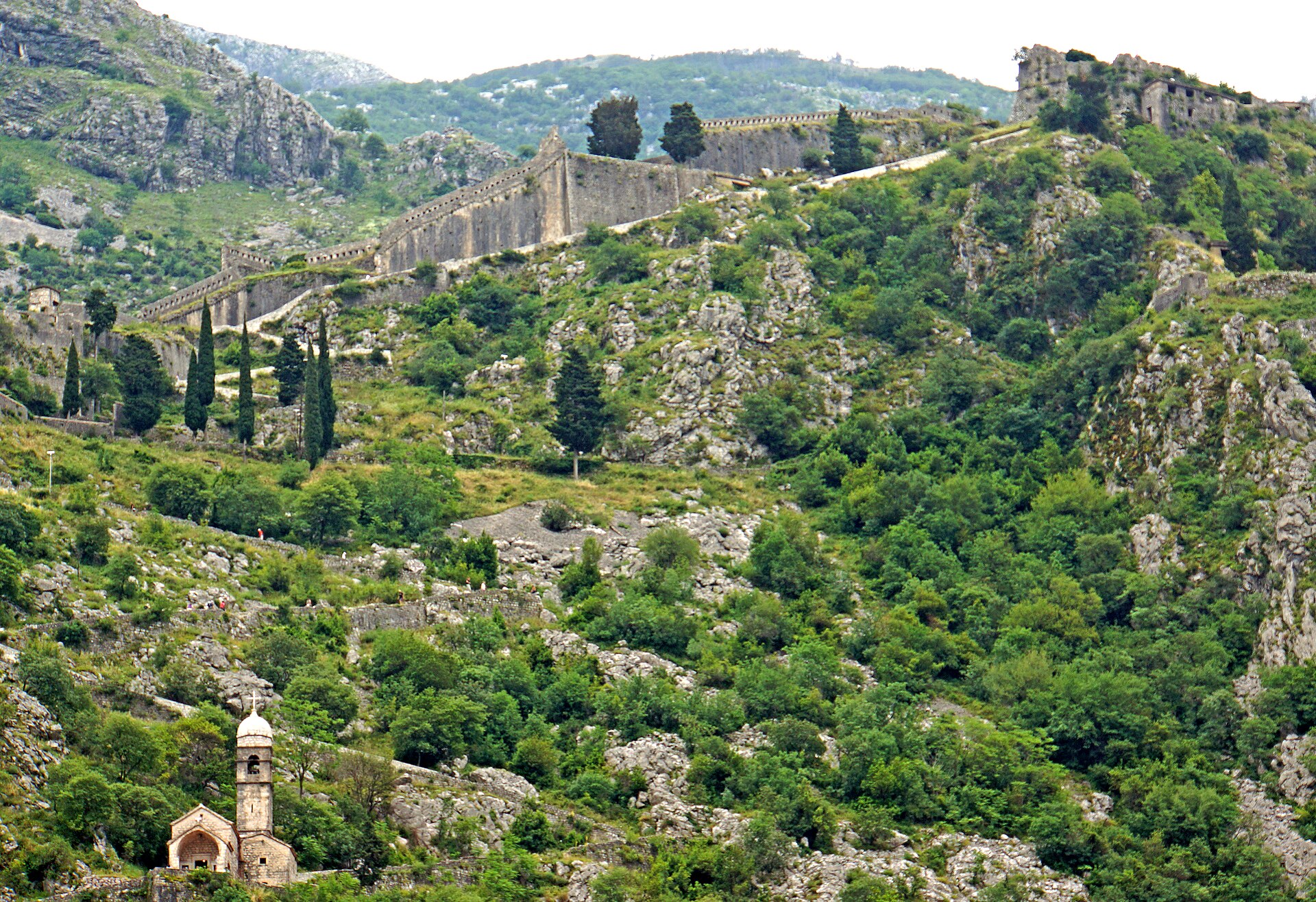
Cards are widely accepted in port towns, but local buses, small tavernas, lockers, toilets and some fortress ticket booths want cash. Kotor’s fortress fee, for example, is reported at €8 to €15 and is easiest paid in cash. Keep a modest amount in small notes and coins.
20. Remember the currencies that are not euros
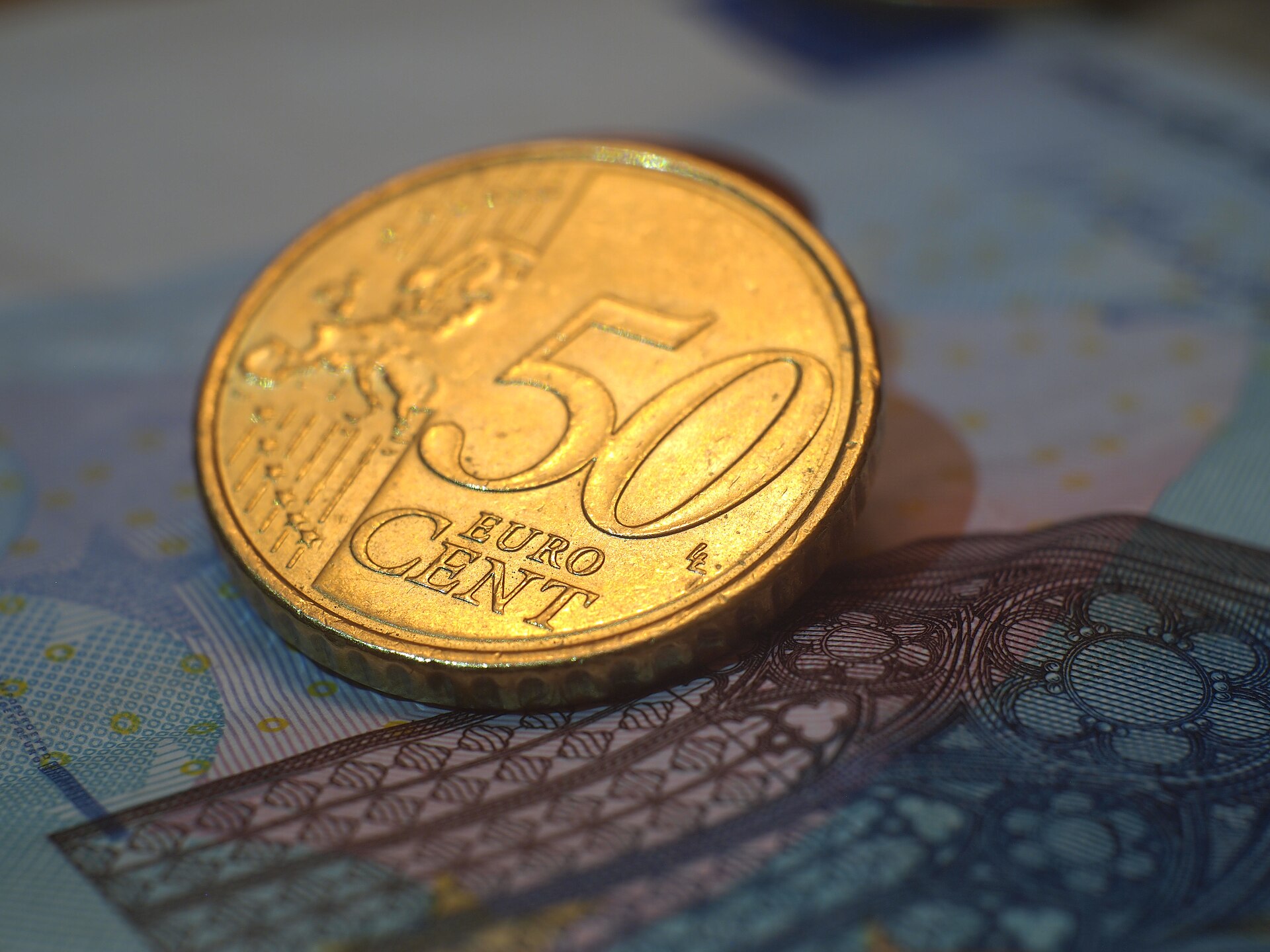
Turkey uses the lira, Gibraltar the pound, Morocco the dirham and Albania the lek. Montenegro uses the euro. Croatia adopted the euro on 1 January 2023, so older guides quoting kuna are out of date.
Tips for flights, hotels and documents
21. Arrive two nights before if you are flying from North America
The ship will not wait for a delayed flight, and catching it at the next port is expensive. Two nights absorb a missed connection, lost luggage and jet lag. Before a Civitavecchia embarkation, where the port is 46 miles from Rome, we would make it two or three.
22. Use the fixed taxi fare in Barcelona
Barcelona’s metropolitan taxi authority sets a fixed fare of €46, all surcharges included, between the airport and the Moll Adossat cruise terminals, as of September 2026. Confirm with the driver that it applies. Our embarkation ports guide covers the other homeports.
23. Check your passport against the line’s rule, not just the EU’s
For the Schengen area, a US passport must be under 10 years old and valid at least 3 months after you leave. Cruise lines are often stricter: Royal Caribbean requires six months’ validity after the cruise ends. If yours is close, renew before booking.
24. Expect the EU’s biometric border checks
The EU’s Entry/Exit System has been fully operational across the Schengen area since 10 April 2026. Non-EU visitors register fingerprints and a face image at their first border crossing. There is nothing to apply for, but summer 2026 queues at Barcelona, Rome Fiumicino and Athens airports were significant, so allow time.
25. Watch the ETIAS date
ETIAS, the EU’s €20 travel authorisation for visa-exempt visitors, was scheduled for the last quarter of 2026 but had not launched as of September 2026, and its date has slipped before. Check the EU’s official site a few weeks before you fly.
26. Buy insurance that covers missed ports and missed ships
On a port-intensive European itinerary, the realistic risks are a delayed flight on embarkation day and an independent excursion that runs late. Medical-only policies cover neither. Look for missed-departure and itinerary-change cover specifically.
27. Do not book an early flight home
Disembarkation takes hours on a big ship, and airports want you three hours before international flights. We would not book before about noon from Barcelona or mid-afternoon from Rome Fiumicino after a Civitavecchia cruise. A night in Rome and a morning flight is often the better plan.
What should you know about Mediterranean port days?
On a Mediterranean port day, know the all-aboard time and set your watch to ship’s time, book timed tickets before you sail, pick one main sight rather than three, carry your passport where the next port is outside the Schengen area, and take the train or bus before the last one that would get you back.
28. All aboard is not departure time
All aboard is the time by which you must be back on the ship, usually 30 to 60 minutes before the published departure. The ship does not wait for independent travellers who are late. It is printed in the daily programme; photograph it.
29. Use ship’s time, not phone time
Greece and Turkey are an hour ahead of Italy, Spain and France. If your phone switches to local time and the ship stays on its own time, you can be an hour out without noticing. Check which time the ship is using for all aboard, every day.
30. Book the named and timed tickets before you sail
Colosseum tickets are named and released 30 days ahead at 08:45 Rome time, €18 including the booking fee. Pompeii tickets are named, from €20, with morning and afternoon slots between 16 March and 14 October and a 5,000-person afternoon cap. The Acropolis is €30 with timed entry. The Alhambra’s Nasrid Palaces use a fixed 30-minute slot.
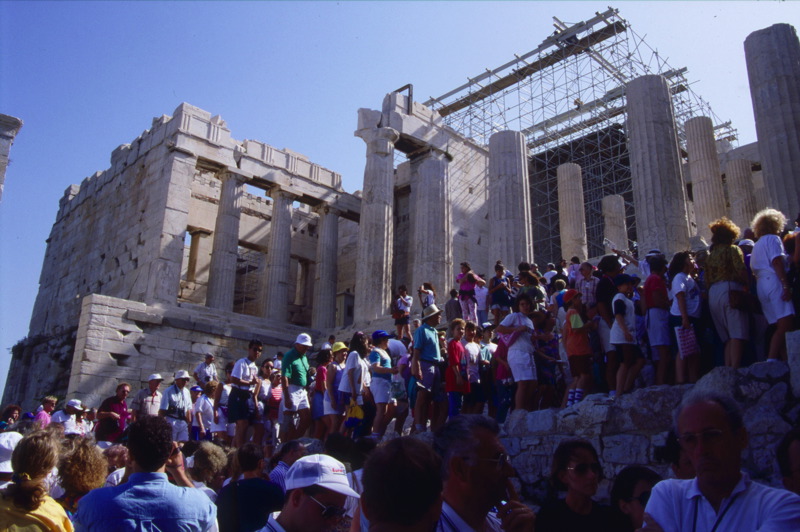
31. Pick one main sight per port
This is the tip we would give first to anyone doing Rome from a ship. The Vatican, or the Colosseum and Forum, or a walk through the centro storico — not all three. The same logic applies to Florence from Livorno and Seville from Cadiz. One sight done properly beats three done in a panic.
32. Take the train before the last train
At Katakolon, the train to Olympia runs about three times a day, roughly two hours apart. At Cadiz, up to 12 regional trains a day go to Seville. On any port day that depends on a timetable, the last train you could catch is your only safety net. Take the one before it.
33. Validate your Italian train ticket
Paper regional tickets in Italy generally need stamping in the platform machine before you board, and inspectors can fine passengers who forget. Digital tickets for a specific train usually do not. It takes ten seconds and saves an argument.
34. Check for transport strikes the night before
Strikes on Italian, French and Greek transport are announced in advance. If your port day depends on a train or bus, check the evening before and have a fallback: a taxi, a shuttle or the ship’s tour.
35. Get tender tickets early, and come back early
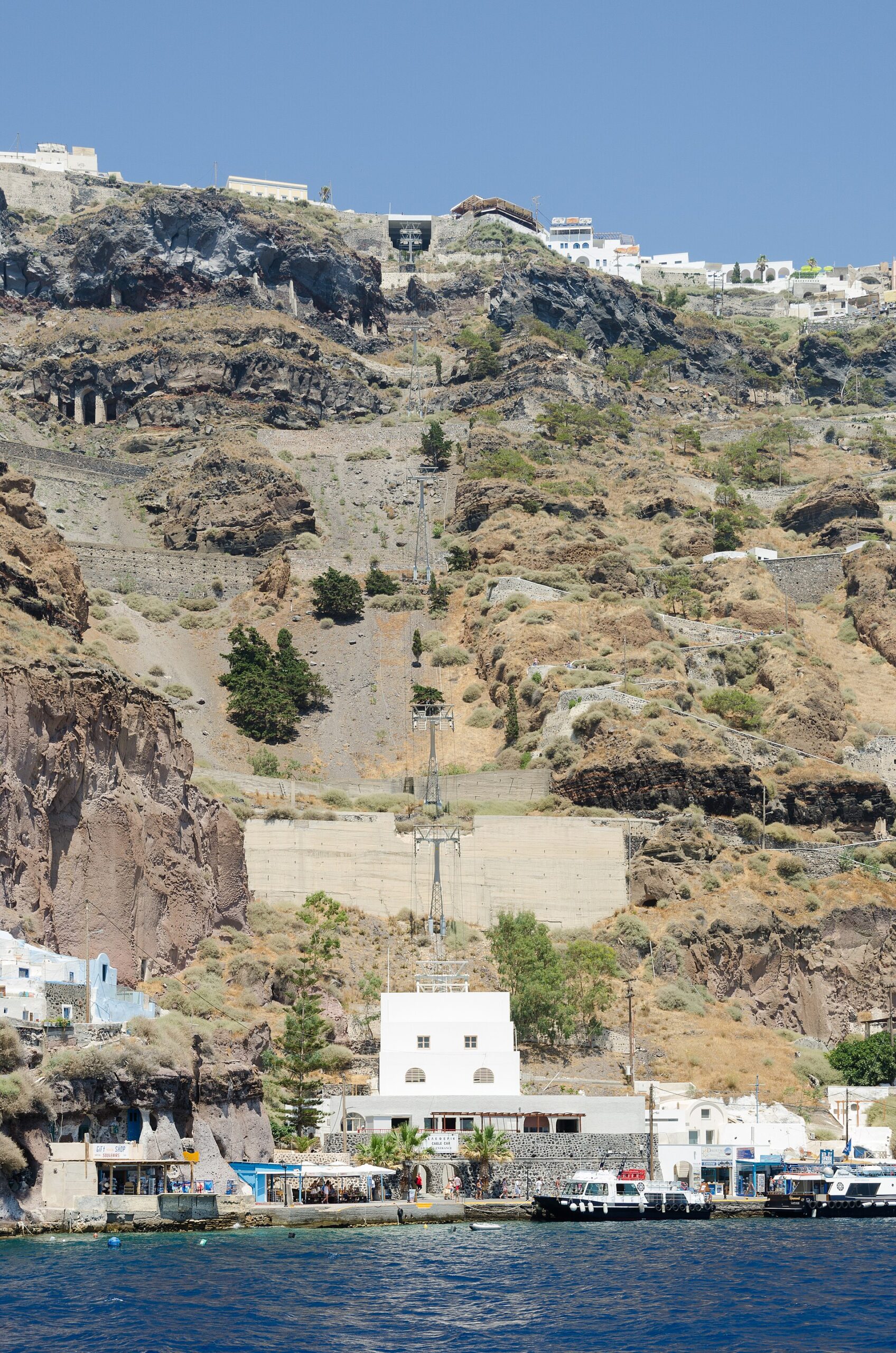
On tender days, ships issue numbered tender tickets and send their own tour groups first. Independent passengers wait. Going back, the last tenders fill quickly. At Santorini we would be in the cable car queue down to the Old Port two hours before all aboard, not one.
36. Take your passport ashore when the next country is not Schengen
Plenty of passengers leave passports in the cabin safe in EU ports, and some lines suggest it. But if the ship’s next call is in Turkey, Montenegro, Albania or Gibraltar and you miss the ship, you need your passport to follow it. Since 15 July 2026, Schengen entry checks have been carried out at Gibraltar’s cruise port.
37. Dress for churches
The Vatican Museums and St Peter’s require covered shoulders and knees, and many churches in Italy, Greece, Croatia and Malta expect the same. A light scarf and knee-length clothing solve it.
38. Consider staying aboard on one port day
When everyone else is ashore, the pool is empty, the spa has space and the ship is quiet. On a week with five port days, staying aboard at a port you do not care about — Katakolon if Olympia does not appeal, for example — can be the best day of the trip. You also avoid the Greek landing fee for that call.
Port-specific tips for Italy, Greece, Spain and the Adriatic
39. In Rome, arrive at Civitavecchia station early
Civitavecchia’s regional trains to Rome take 45 to 59 minutes, with about 44 a day from about €4.85, but the port shuttle and the 20-minute walk or short Argo bus ride to the station add time at both ends. Our Italy cruise ports guide has the full timeline.
40. From Livorno, consider Pisa or Lucca instead of Florence
Our opinion: on a normal call, Florence from Livorno leaves about three and a half hours in the city after the shuttle, transfer and train. Pisa is 16 miles away; Lucca’s complete Renaissance walls are a lovely, calmer day.
41. At La Spezia, buy the Cinque Terre card
The Cinque Terre Treno card covers the trains between La Spezia and the villages and cost €22 to €35 a day by season as of September 2026. The villages are about 30 minutes away. This is the Italian port where doing it yourself is easiest.
42. In Santorini and Mykonos, plan around the transport
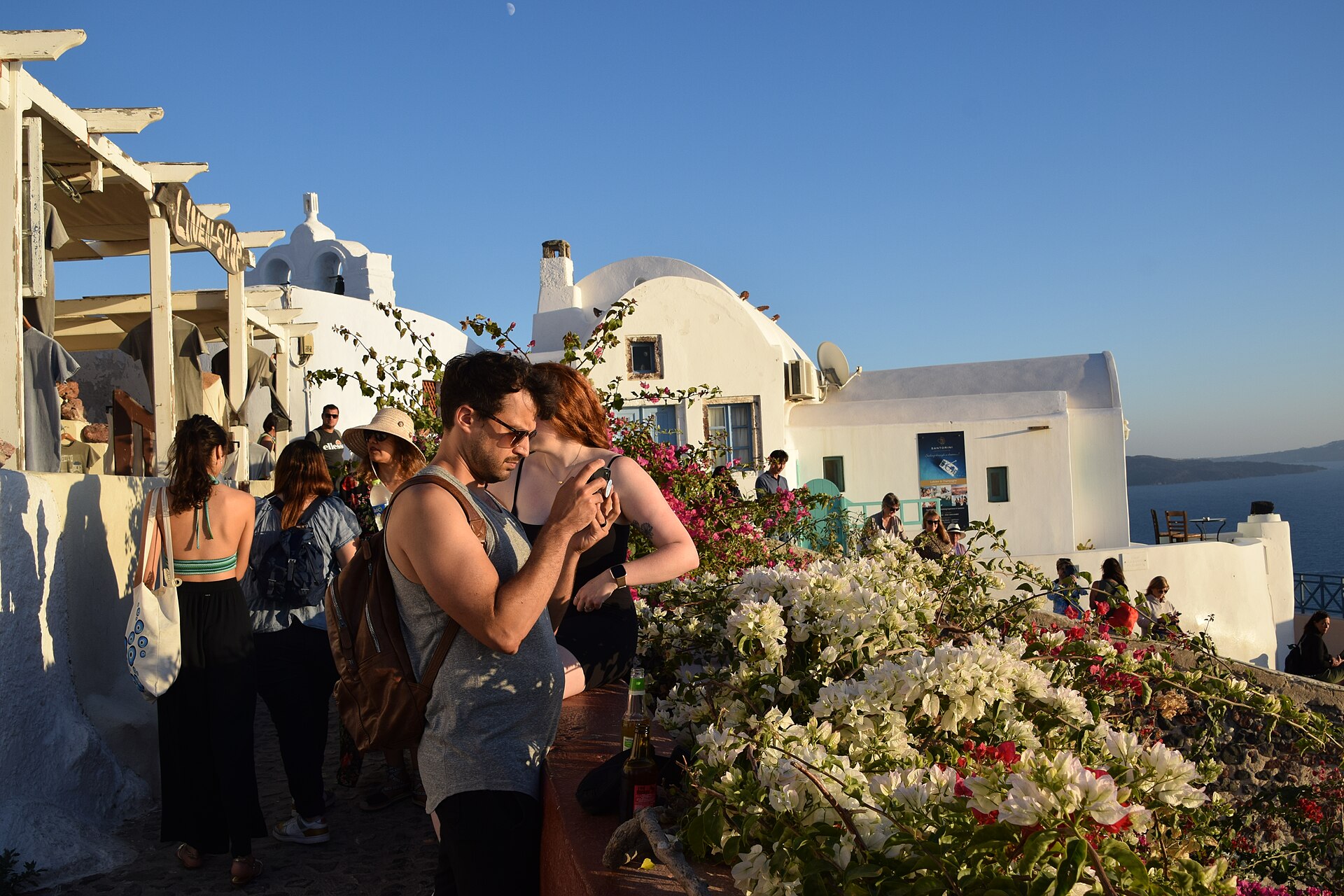
Santorini’s cable car costs €10 one way and runs 07:00 to 23:00 in summer; the afternoon queue down is the day’s bottleneck. At Mykonos, most ships dock at Tourlos, and the SeaBus into town costs €2 one way. Our Greek cruise ports guide covers every Greek call.
43. In Dubrovnik, buy bus tickets at the kiosk
Ships dock at Gruz, 2 miles from the Old Town. City buses cost about €4, and tickets are cheaper from kiosks than from the driver. Walk the city walls, from €40, at opening time, before the heat and the crowds. Our Croatia and Adriatic cruise ports guide has the details, including Dubrovnik’s ship limits.
44. In Spain, check the berth and the Sagrada Familia’s status
At Palma and Barcelona, the berth decides whether you walk or take a bus: Barcelona’s Adossat terminals are 2 to 3 km from the Columbus Monument, where the PortBus costs €3. The Sagrada Familia’s official site showed a “temporarily closed” notice on 11 September 2026, so check before you plan a day around it. Our Spain and Portugal cruise ports guide covers every Iberian call.
Onboard and pacing tips
45. Pace the week, not the day
Port-intensive fatigue is real. Five or six early starts in a row, with walking and heat, wears people out by the second half of the week. Plan at least one slow port day — a beach, a long lunch, a morning on board — and the week is far more enjoyable.
46. Do not pay extra for a balcony without a reason
Our opinion: on a port-intensive Mediterranean week you are ashore most daylight hours, so a balcony matters less than on a Caribbean or Alaska cruise. It is worth it for scenic sail-ins such as the Bay of Kotor and Lisbon, for sea days, and for people who like quiet mornings. It is not essential.
47. Pack the right plugs, and no surge-protected power strips
Spain, Greece, Croatia, Turkey and Portugal use Type C and F sockets; Italy adds Type L; Malta, Cyprus and Gibraltar use UK-style Type G. All run at 230 V. Ships usually have US outlets too, but every major line bans surge-protected power strips. A non-surge multi-USB charger is the safe option.
48. Prepare for a lively sea in a few specific places
Summer Mediterranean sailing is usually calm. The exceptions are the Aegean when the meltemi blows, the Gulf of Lion off southern France in the mistral, and the Atlantic legs of repositioning cruises. If you are prone to seasickness, a midship cabin on a lower deck moves least.
49. Bring comfortable shoes with grip
Pompeii’s streets are original stone, the Acropolis is worn marble, Kotor’s fortress is about 1,350 steps, and most old towns are cobbled. Broken-in walking shoes with a good sole matter more than anything else in your suitcase.
50. Leave one thing for next time
You will not see everything, and trying is how people come home exhausted. Most North Americans who love their first Mediterranean cruise take a second, often to the other half of the sea. It is fine to save Florence, Santorini or the Alhambra for that trip.
All-aboard math: the one calculation every port day needs
Every one of the tips above comes back to a single piece of arithmetic that cruise lines never do for you. Here it is as a method, then as a worked example. Our buffers are opinion, based on the published transfer times and typical queues.
- Start from all aboard, not departure. Find it in the daily programme.
- Subtract your buffer: 45 minutes at a walk-off port, 60 to 90 minutes after a long transfer, at least 60 minutes at a tender landing.
- Subtract the return journey using the slow end of the published range, plus the port shuttle or tender.
- Subtract one missed service if you depend on a timetable, such as a train two hours apart.
- What is left is your latest departure from the sight. Put it in your phone as an alarm.
| Step | Rome from Civitavecchia, all aboard 18:30 | Time |
|---|---|---|
| All aboard | Back on the ship | 18:30 |
| Buffer | 90 minutes after a long transfer | 17:00 |
| Port shuttle and walk from the station | About 45 minutes on a busy afternoon | 16:15 |
| Train to Civitavecchia | Slow end of 45–59 minutes, rounded up | 15:15 |
| One missed or cancelled train | Allow about 15 minutes, as services are frequent | 15:00 |
| Latest safe time at the Rome station | 15:00 |
Run the same five steps for Olympia from Katakolon, where trains are two hours apart, and the “missed service” line alone moves your departure from the site back by two hours. That is the tip, in one sentence: the timetable, not the distance, decides your day.
Packing is the one piece of preparation that rewards counting rather than guessing. Our guide to what to pack for a Mediterranean cruise sets out the outfit arithmetic for 7, 10 and 14 nights, the published church and mosque dress codes, and the power strips that get taken off you at the gangway scanner.
If you use a wheelchair or walk with difficulty, count the tender ports before you book: several lines will not transfer wheelchairs into tenders, and Norwegian does not carry wheelchairs or scooters of 100 lb or more between ship and shore. Our guide to wheelchair accessible Mediterranean cruises rates the ports and the headline sights for step-free access.
Where this guide goes deeper
This page is the hub for Mediterranean cruise tips. The guides beneath it take one topic at a time and will be linked here as each publishes: first Mediterranean cruise tips, Mediterranean cruise mistakes and traps to avoid, port day tips, seasickness on a Mediterranean cruise, which side of the ship to book, jet lag and arriving early, port-intensive cruise fatigue, sea days and staying on the ship on port days.
Elsewhere on the site: the best time to cruise the Mediterranean, what a Mediterranean cruise costs, the best Mediterranean cruise lines, and our region guides to the Western and Eastern Mediterranean.
Mediterranean cruise tips FAQs
What should I know before going on a Mediterranean cruise?
That most famous “ports” are a transfer from the sight, that summer is hot and crowded, that several major sites need named or timed tickets booked in advance, and that Mediterranean itineraries are port-intensive. Arrive early, check call lengths, and build in at least one slow day.
How much cash should I bring on a Mediterranean cruise?
A modest amount in small euro notes and coins is enough for most people, for local buses, small cafes, toilets and cash-only ticket booths such as Kotor’s fortress. Cards are widely accepted in port towns. Carry lira, pounds or lek only if your itinerary includes Turkey, Gibraltar or Albania.
Should I book excursions through the cruise line in the Mediterranean?
For long transfers on short calls — Rome from Civitavecchia, Florence from Livorno, the Alhambra from Malaga, Delphi from Itea — the ship’s guarantee to wait is worth a lot. At walk-off ports such as Split, Kotor, Rhodes, Naples and Valletta, going independently is easy and much cheaper.
Do I need my passport when I go ashore in Europe?
Lines often advise leaving it in the cabin safe in EU ports and carrying a photocopy or photo. We would carry the passport itself whenever the next call is outside the Schengen area, such as Turkey, Montenegro, Albania or Gibraltar, in case you have to rejoin the ship there.
Is a balcony worth it on a Mediterranean cruise?
Less than on many other cruises, in our opinion, because you spend most days ashore. It is worth paying for on routes with scenic sail-ins such as Kotor and Lisbon, on itineraries with several sea days, or if a private outdoor space matters to you. It is not essential for enjoying the trip.
How early should I be back on the ship?
Our rules of thumb: 45 minutes before all aboard at a walk-off port, 60 to 90 minutes after a long transfer such as Rome or Florence, and at least an hour at the tender landing on a tender day. All aboard itself is usually 30 to 60 minutes before departure.
How do I avoid crowds on a Mediterranean cruise?
Sail in May, June or September; visit exposed sights at opening time; choose itineraries with afternoon or evening calls at Dubrovnik and Santorini; and consider a small ship for the islands. Santorini caps cruise passengers at 8,000 a day and Dubrovnik limits ships, but both still feel busy at peak times.
Is 7 days enough for a Mediterranean cruise?
For Europeans, yes. For North Americans, it is tight: once you count a travel day each way and jet lag, a seven-night cruise leaves about four good port days. We think 10 to 12 nights is better value for the transatlantic airfare.
How we researched this guide
Every fare, fee, distance and rule on this page comes from a named source with the date we checked it, and most are drawn from the detailed port, cost and timing guides elsewhere on this site. Gratuity rates come from line policies and industry trackers updated in 2026; the Greek landing fee from the schedule in force since July 2025; Barcelona’s taxi fare from its metropolitan taxi authority; ticket rules from the Pompeii archaeological park and dated guides to the Colosseum and Acropolis; entry rules from the European Commission; wind data from the National Observatory of Athens; and Gibraltar’s port checks from July 2026 treaty reporting. We searched page one of Google for this topic on 16 September 2026. The longest result offered ten tips without a single price, fee or entry rule, and we wrote this guide to fill that gap.
We are an independent editorial site. We do not sell cruises and have not sailed every itinerary mentioned. Tips that are opinion — how long to cruise, whether a balcony is worth it, our all-aboard buffers — are labelled as ours. Fees and entry rules are re-checked every January and March and whenever an official change is announced.
Image credits
| Image | Photographer | Licence |
|---|---|---|
| Cruise ship tender boat under way | Kenny McFly | CC BY-SA 3.0, via Wikimedia Commons |
| Pool deck of Explorer of the Seas | Mitch Ames | CC BY-SA 4.0, via Wikimedia Commons |
| Visitors in Oia, Santorini | Jean Housen | CC BY-SA 4.0, via Wikimedia Commons |
| Queueing for the Acropolis | Bryan Ledgard | CC BY 2.0, via Wikimedia Commons |
| Fifty euro cent coin on euro banknotes | José Carlos Casimiro | CC BY-SA 2.0, via Wikimedia Commons |
| The walls above Kotor, Montenegro | Dennis G. Jarvis | CC BY-SA 2.0, via Wikimedia Commons |
| Santorini Old Port and the cable car to Fira | Norbert Nagel | CC BY-SA 3.0, via Wikimedia Commons |
Published 26 September 2026. Fees, fares and entry rules were checked in September 2026 and will change — verify anything you are about to pay for. Primary sources: Barcelona’s official taxi fares, the Pompeii Archaeological Park and the EU’s official EES and ETIAS site.