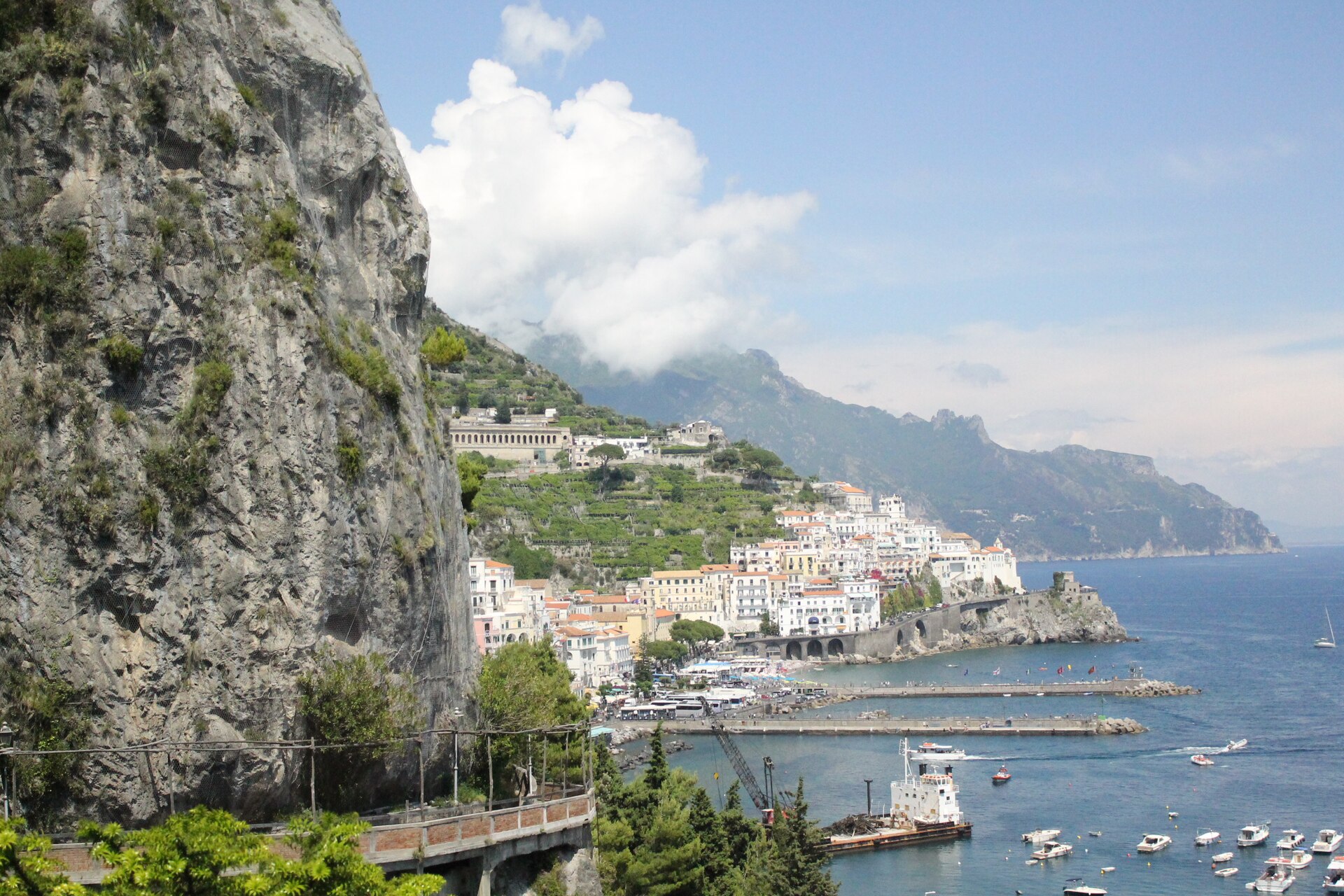
An Italy cruise is usually a 7- to 12-night Mediterranean sailing that calls at three or more Italian ports, such as Civitavecchia for Rome, Livorno for Florence, La Spezia, Naples and Messina, from Barcelona, Rome, Trieste, Ravenna or Athens. You can also cruise almost entirely around Italy on MSC and Costa. The season runs from April to October, with some winter sailings.
Italy is the backbone of Mediterranean cruising. Italian ports handled 14.74 million cruise passengers in 2025, around 35% of all cruise traffic in the Mediterranean, and almost every Western Med, Adriatic and Grand Mediterranean itinerary stops there at least twice. That makes “an Italy cruise” less a single product than a family of very different trips: a Barcelona-to-Rome week with two Italian calls, a Sicily-and-Sardinia loop on an Italian-market ship, an Adriatic voyage from Trieste, or a one-way from Rome to Athens. Cruise line pages sell whichever of those they operate. We do not sell cruises, so this guide compares all of them, with the lines sailing each in 2027, dated fares, the honest case for seeing Italy by land instead, and the arithmetic of a port day. For port-by-port logistics, see our companion guide to Italy cruise ports.
Italy cruise at a glance
| How big Italy is in cruising | 14.74 million cruise passengers and 5,696 ship calls in 2025; 15.31 million and 5,970 calls forecast for 2026 (Risposte Turismo). |
| Busiest Italian ports | Civitavecchia 3.56 million passengers, Naples 1.85 million, Genoa 1.63 million in 2025. |
| Route types | Western Med week; round-Italy with Sicily and Sardinia; Adriatic from Trieste or Ravenna; Italy and Greece one-ways; small-ship and luxury coastal voyages. |
| Main homeports | Civitavecchia (Rome), Genoa, Savona, Trieste, Ravenna, plus Barcelona and Athens for routes that include Italy. |
| Typical length | 7 nights; 10–12 nights for Italy-and-Greece or Adriatic routes. |
| Fare examples | About $1,551 per person all-in for an inside cabin on a 7-night Royal Caribbean Western Med sailing from Barcelona (October 2026); Viking’s 8-day Barcelona–Rome from $2,599. |
| Venice | Large ships barred from the Giudecca Canal since 1 August 2021; big-ship “Venice” cruises use Marghera, Fusina, Trieste or Ravenna. |
| Weather | Rome averages 86°F (30°C) in July and August; November is its wettest month. |
| Plugs and power | Type C, F and L sockets at 230 V. US devices need an adapter. |
| Conversions | €1 = $1.1592, ECB reference rate, 11 September 2026. Prices on this page are as of September 2026 unless dated otherwise. |
Five kinds of Italy cruise, and which one is right for you
The phrase “Italy cruise” covers five quite different trips. Choosing between them is the most important decision you will make, and cruise line marketing rarely spells out the differences.
| Route type | Typical homeports | Italian ports you get | Who sails it | Best for |
|---|---|---|---|---|
| Western Med week | Barcelona, Civitavecchia | Three or four of La Spezia, Livorno, Civitavecchia, Naples, Genoa | Royal Caribbean, Norwegian, Celebrity, Princess, Carnival, Disney, MSC | First-timers who want Rome, Florence and Pompeii plus Spain and France |
| Round Italy | Genoa, Savona, Civitavecchia | Five or more, often including Messina, Palermo and Cagliari | MSC, Costa and some premium lines | Travellers who want mostly Italy, including Sicily and Sardinia |
| Adriatic | Trieste, Ravenna, Venice’s mainland terminals | Trieste, Ravenna, Bari, Ancona, Brindisi | Royal Caribbean, Princess, Norwegian, Holland America, MSC | People who want Venice, Croatia and Montenegro in one trip |
| Italy and Greece | Civitavecchia to Piraeus, one way | Civitavecchia, Naples, Messina, sometimes Taormina | Celebrity, Princess, Oceania, Viking and luxury lines | A long trip with the best of both countries |
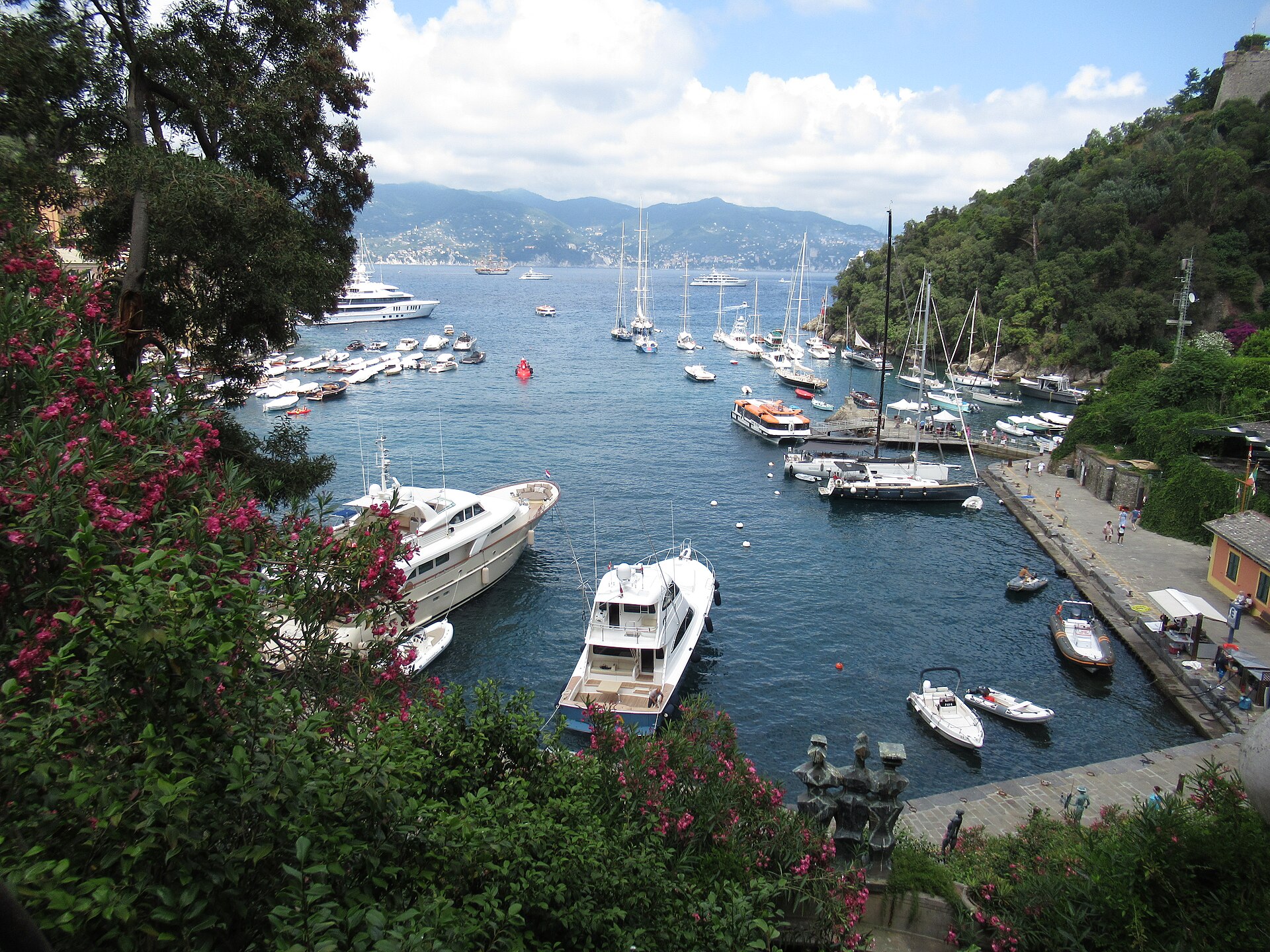
| Small ship and luxury | Civitavecchia, Venice area, Naples | Tender ports such as Portofino, Amalfi, Sorrento, Capri | Viking, Silversea, Seabourn, Regent, Four Seasons, sailing ships | The Amalfi Coast and Riviera villages megaships cannot reach |
Two quick rules help. If you mostly want Rome, Florence and Pompeii and you also want a taste of Spain or France, the Western Med week is the default and the easiest to fly to. If you want more Italy — Sicily, Sardinia, the Riviera, the Amalfi villages — you need either an Italian-market line like MSC or Costa, or a small ship that can anchor where the megaships cannot.
Which cruise lines sail to Italy in 2027?
Almost every major line sails to Italy in 2027. Royal Caribbean, Norwegian, Celebrity, Princess, Holland America, Carnival and Disney run Western Med and Adriatic routes; MSC and Costa run the most Italy-focused itineraries from Genoa and Savona; Viking, Oceania and the luxury lines sail one-way voyages to and from Rome.
What each line is doing that matters for an Italy trip, from their own 2027 announcements:
- Royal Caribbean puts Legend of the Seas, its newest ship at 248,663 gross tonnes and 5,610 guests at double occupancy, on 7-night Western Med round trips from Barcelona and Rome. Brilliance of the Seas sails from Ravenna for the Adriatic, and Odyssey of the Seas rotates between Barcelona, Rome, Ravenna and Athens.
- Princess offers 136 Mediterranean departures on Sun, Enchanted and Sky Princess, with Civitavecchia and Trieste among its homeports.
- Norwegian sails from Civitavecchia and Ravenna among five European homeports from June to October.
- Disney brings Disney Wish to Europe for the first time, with sailings from Civitavecchia in June 2027 and Trieste as a new port.
- Carnival sails Carnival Sunshine from Civitavecchia and Barcelona from late May to October 2027, adding Bari and first-ever calls in North Africa.
- MSC puts MSC World Europa on 7-night Western Med loops through winter 2027–28, joinable at Genoa, Civitavecchia and Messina among six ports.
- Holland America sails Oosterdam and Nieuw Statendam, with 14- and 15-day voyages and a high number of overnights and late departures.
- Viking sells its 8-day Iconic Western Mediterranean from Barcelona to Rome from $2,599, with one excursion per port included, and sails for adults only.
Our guide to the best Mediterranean cruise lines compares them on price, inclusions, gratuities and who they suit.
Can you cruise around Italy?
Yes. MSC and Costa, both with deep roots in the Italian market, sail itineraries that stay mostly in Italian waters, typically from Genoa, Savona or Civitavecchia, calling at ports such as Naples, Messina, Palermo and Cagliari. Premium and luxury lines also sell longer voyages around the Italian peninsula. A full circumnavigation including the Adriatic coast is rarer and usually 10 nights or more.
A mostly-Italian cruise is a different experience from a Western Med week sold to North Americans, and it is worth knowing why before you book one.
- The passengers. On MSC and Costa in the Mediterranean, many of your fellow passengers are typically Italian, French, Spanish and German families. Announcements are usually made in several languages, and the atmosphere is more European. Some people love that; some find it less relaxing.
- The currency. MSC uses the euro as its onboard currency on Mediterranean sailings, so your onboard account is in euros rather than dollars.
- The ports. Italy-focused routes reach Sicily and Sardinia, which Western Med weeks sold in North America often skip. Palermo, with its Arab-Norman cathedral and street food, and Messina, for Taormina and Mount Etna, are the highlights.
- The embarkation. Because these ships call at several Italian ports in a loop, you can often board wherever is most convenient, which makes a round-Italy cruise easy to combine with land nights in Rome, Genoa or Sicily.

Our planned guide to cruises around Italy will cover circumnavigation, Sicily and Sardinia routes in detail, and our hub for Sicily, Sardinia and Malta cruise ports will do the same for those islands’ ports.
Italy and Greece on one cruise
The Italy-and-Greece cruise is the classic longer Mediterranean trip, and for many North Americans it is the one that justifies the transatlantic flight. The common patterns are a one-way voyage from Civitavecchia to Piraeus, often 10 to 12 nights, or an Adriatic route from Trieste or Ravenna that reaches Corfu, Katakolon and Athens after Croatia and Montenegro.
The Italian half usually includes Naples and often Messina, and sometimes a Riviera or Tuscany call before the ship crosses the Ionian Sea. The Greek half brings the islands, the tenders and the landing fee: €20 per person at Santorini and Mykonos from June to September, €5 at other Greek ports, charged only if you go ashore. It also brings a change in the character of the port days, from city transfers in Italy to walk-off island towns in Greece. Our Eastern Mediterranean cruise guide covers the Greek side, including the meltemi wind that cancels island calls in July and August.
The logistics catch is the open-jaw flight: into Rome, home from Athens. Price that early, because it can cost noticeably more than a return ticket to either city, and add at least two nights in Rome before sailing, both for jet lag and for the city itself.
The Adriatic side: Trieste, Ravenna and the Venice question
Italy’s east coast is its own cruise world. Since 1 August 2021, ships of 25,000 gross tonnes or more, or longer than 180 metres, have been barred from sailing through the Giudecca Canal past St Mark’s. Large ships that once started Adriatic cruises in the heart of Venice now use Marghera or Fusina on the mainland, or homeport in Trieste or Ravenna instead. Reports of a partial reopening of the old Venice terminal to smaller ships in 2027 are not confirmed, and we would not plan around them.
That shift has quietly made Trieste one of the best places to start an Italy cruise. It is a handsome, Habsburg-built city with grand cafes and a vast seafront square, and it is closer to Slovenia and Croatia than to Rome. Ravenna, south of the lagoon, is famous for its Byzantine mosaics and is used by Royal Caribbean and Norwegian among others. On the southern Adriatic, Bari and Brindisi are calls rather than homeports for most North Americans, and Carnival adds Bari in 2027.
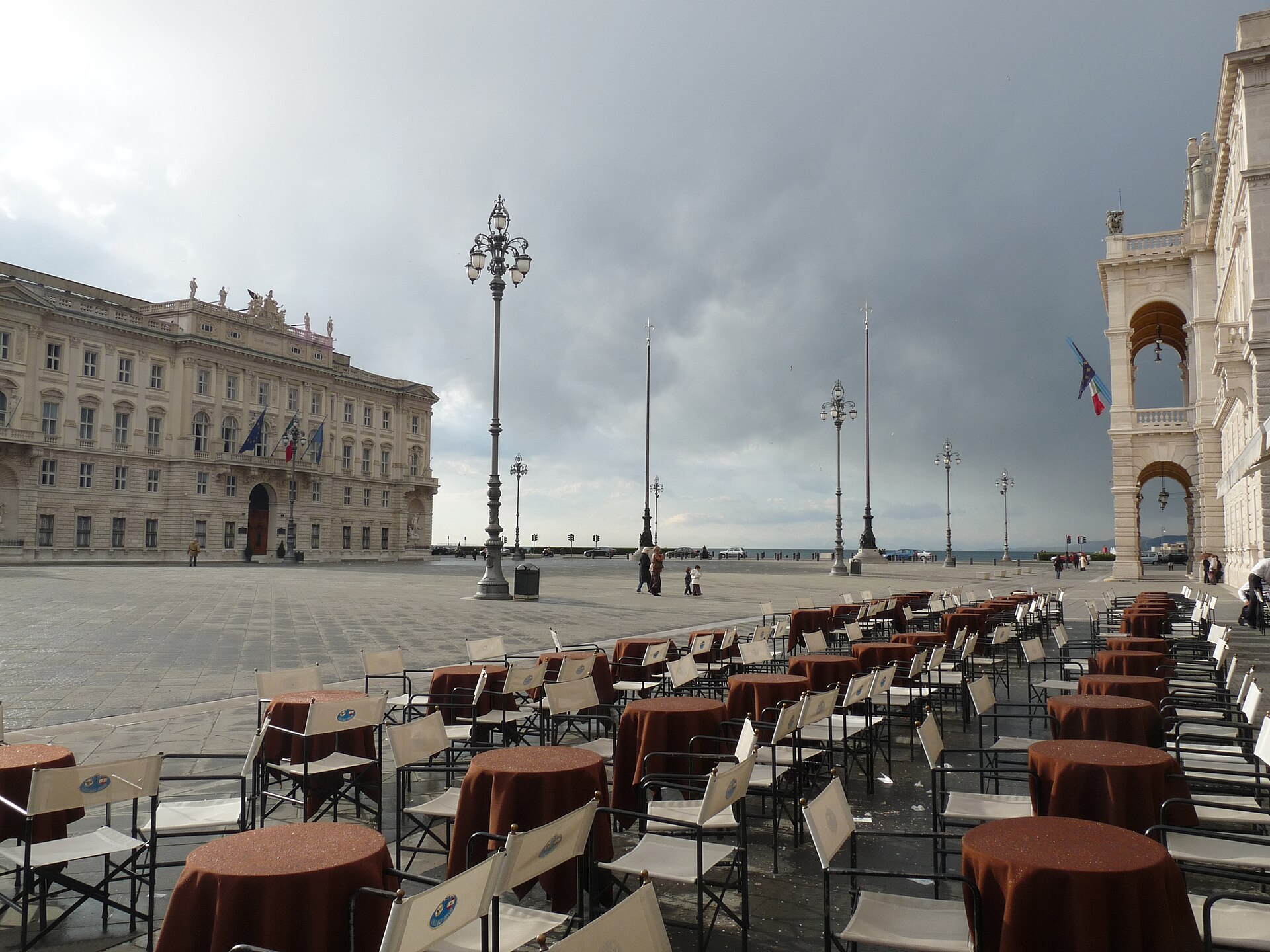
For how to reach Trieste, Ravenna and Venice’s mainland terminals from the airport, see our embarkation ports guide.
Is it better to see Italy by cruise or by land?
A cruise is better for seeing a lot of coastal Italy in one trip without repacking, and it is usually cheaper per day than hotels and trains. A land trip is better for Rome, Florence and Venice themselves, because a port day gives you only a few hours after the transfer. Many travellers combine the two.
That is our opinion, and here is the arithmetic behind it. The table shows how much time a typical port call leaves at Italy’s great inland sights, compared with simply staying there.
| Destination | From the ship | Transfer each way, as of September 2026 | Realistic time at the sight on a 9-hour call | By land instead |
|---|---|---|---|---|
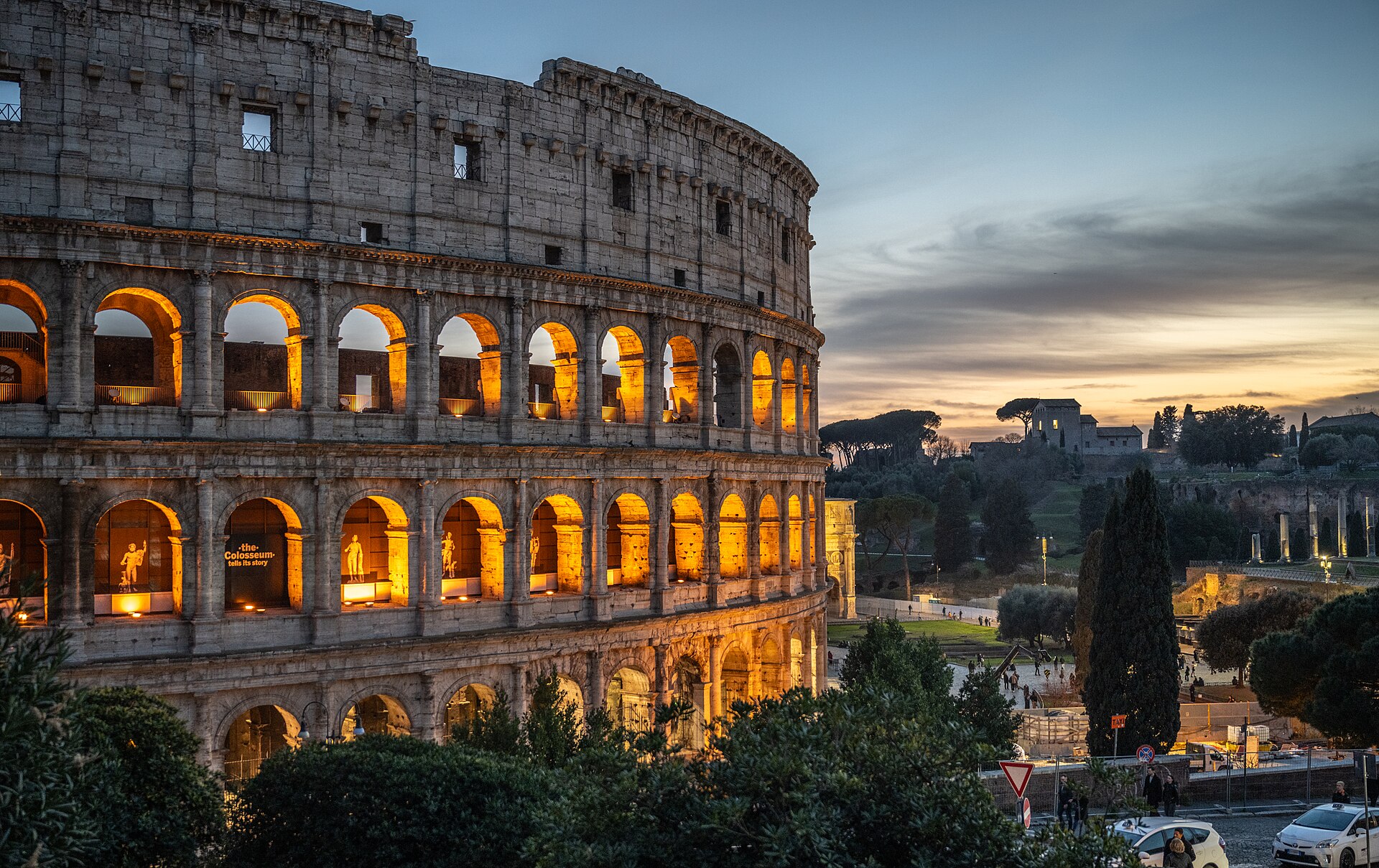
| Rome | Civitavecchia, 46 mi (74 km) | Port shuttle, walk and a 45–59 minute train | About 3 to 4 hours | Two or three nights covers the essentials |
| Florence | Livorno, 65 mi (105 km) | Port shuttle, bus or taxi, then a 1 h 08 to 1 h 22 train | About 3 hours | Two nights is comfortable |
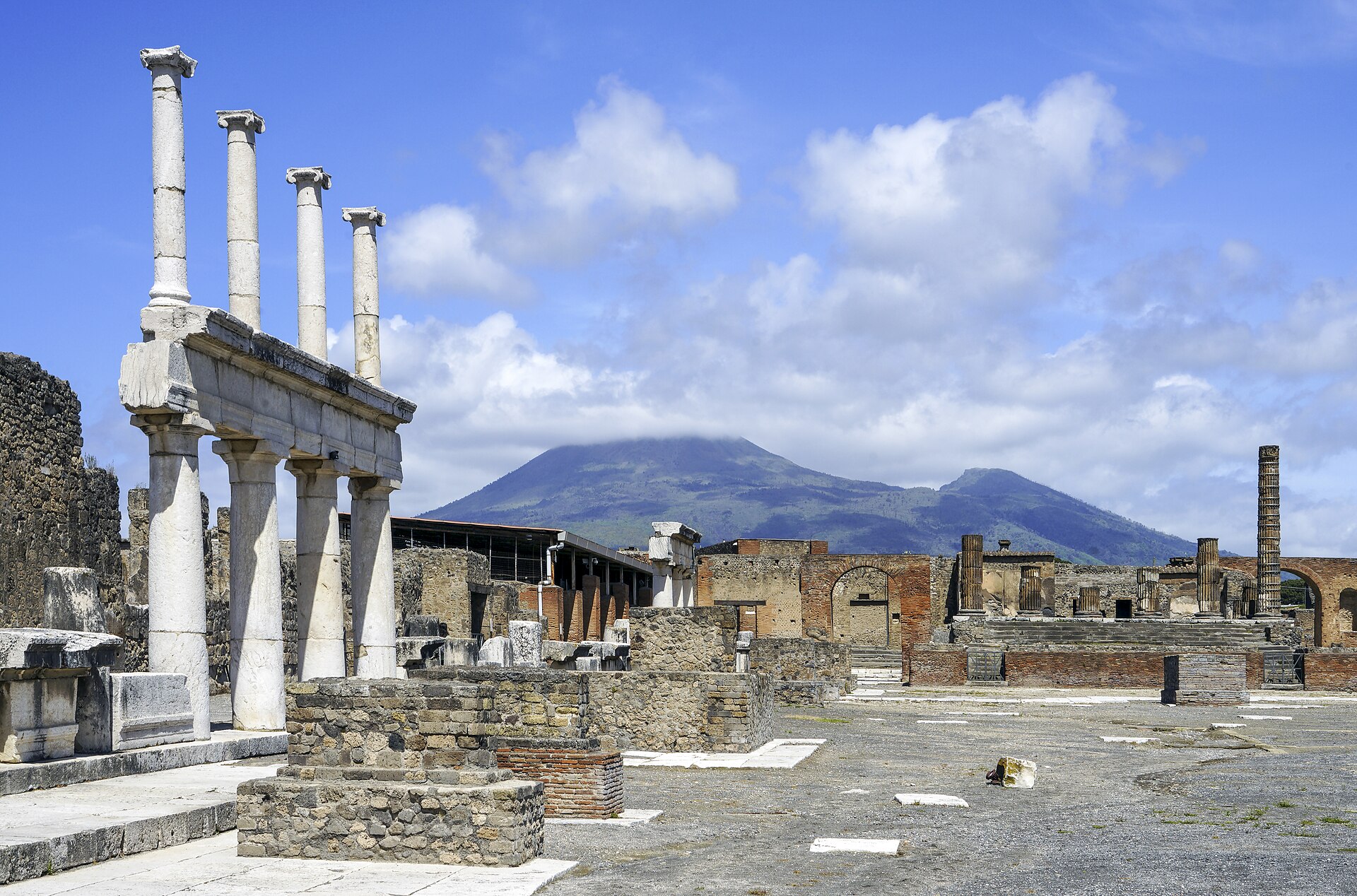
| Pompeii | Naples, 15 mi (24 km) | Suburban train or tour | About 3 to 4 hours, plenty for the site | No real advantage to staying |
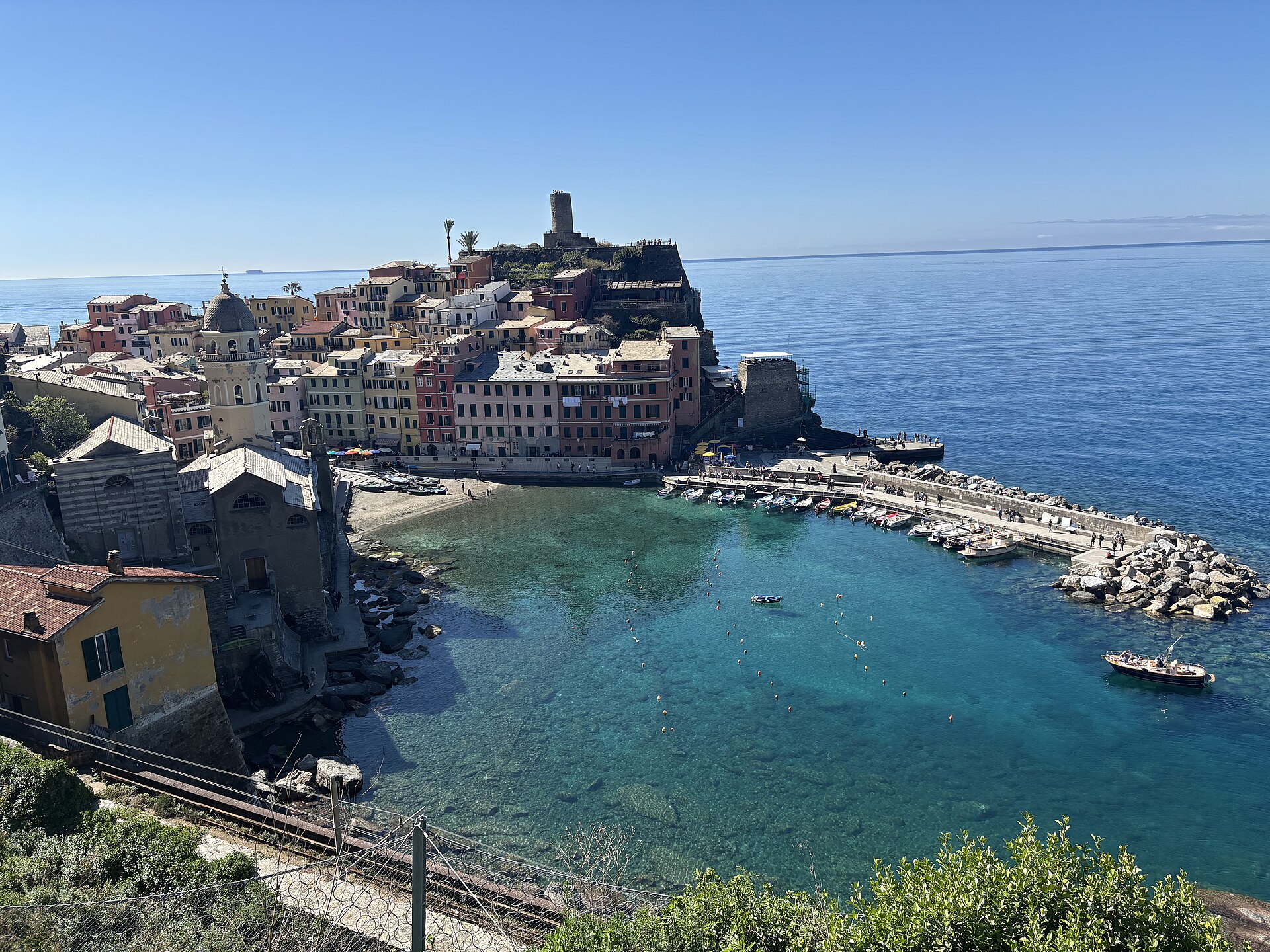
| Cinque Terre | La Spezia, about 30 min by train | Short walk or shuttle to the station | 5 hours or more | Only for hikers wanting several days |
| Amalfi Coast | Salerno or a tender stop | About 35 minutes by ferry from Salerno | 4 to 5 hours | Better for a slow stay of several nights |
| Venice | Mainland terminal, Trieste or Ravenna | Water bus or long road transfer | Depends entirely on the homeport | Much better on land |
The pattern is clear. A cruise is excellent for Pompeii, the Cinque Terre, Portofino, Palermo and the Amalfi Coast, where the ship puts you close to the thing you came for. It is frustrating for Rome, Florence and Venice, which reward nights, not hours. So the combination that works best for most people is a cruise that starts or ends in Rome, with two or three nights on land at one end, and treats Florence as a Pisa-or-Lucca day unless the call is very long. Our planned guide to Italy by cruise versus by land will go into the costs of both.
What is the best month to cruise Italy?
The best months to cruise Italy are May, June, September and early October: warm, mostly dry, and less crowded and cheaper than July and August. April and late October are the best value. Rome averages 86°F (30°C) in midsummer, and November is its wettest month.
| Month | Rome daily max | Rome rainy days | What to expect on an Italy cruise |
|---|---|---|---|
| March | 61°F (16°C) | 13 | Few sailings; cool; sites uncrowded |
| April | 64°F (18°C) | 13 | Season opens; good value; Easter crowds in Rome |
| May | 73°F (23°C) | 10 | Excellent for sightseeing |
| June | 81°F (27°C) | 8 | Warm and long days; crowds building |
| July | 86°F (30°C) | 5 | Hot, busy and expensive |
| August | 86°F (30°C) | 6 | Hottest; Italian holiday closures in smaller towns |
| September | 81°F (27°C) | 9 | Our favourite: warm sea, easing crowds |
| October | 72°F (22°C) | 12 | Good value; more rain later in the month |
| November | 63°F (17°C) | 15 | Cheapest; wettest month in Rome |
Heat matters more on an Italy cruise than people expect, because the headline sights are outdoors and exposed: the Forum, Pompeii and the Cinque Terre trails have little shade. The measured fare gap between spring and summer on the same mainstream Mediterranean itinerary has reached about $60 per person per night, which is another argument for May or September. Our guide to the best time to cruise the Mediterranean covers every region month by month.
How much does an Italy cruise cost?
A 7-night cruise with several Italian ports cost roughly $1,500 to $2,500 per person all-in on mainstream lines in 2026, before flights and excursions. Premium-inclusive voyages such as Viking’s 8-day Barcelona–Rome started at $2,599, and luxury Rome–Barcelona voyages ran to about $760 per person per night.
The dated examples, and the extras that sit on top:
- Mainstream. Legend of the Seas, 7 nights from Barcelona on 11 October 2026, came to about $1,551 per person for an inside cabin all-in, around $222 per night, on a promotional second-guest rate.
- Premium-inclusive. Viking’s Barcelona–Rome voyage from $2,599 per person, including one excursion per port, Wi-Fi, beer and wine with meals and port taxes.
- Luxury. Silversea, 11 days Rome to Barcelona, from about $8,400 per person, roughly $760 per night.
- Taxes and port fees. About $100 to $200 per person on a 7-night Mediterranean cruise when not already in the fare.
- Gratuities. Per person per night in 2026: Royal Caribbean $18.50, Norwegian $20, Celebrity $19.50 (from 29 July 2026), Princess $18, Carnival $17, Viking $20 on US bookings. Included on Oceania and the luxury lines.
- Getting ashore. The Rome train costs from about €4.85 each way; the Colosseum €18 including the booking fee; Pompeii from €20; a Cinque Terre card €22 to €35 a day; Capri adds a €5 landing contribution from April to October. Our shore excursions guide compares the ship’s tour and do-it-yourself costs port by port.
For the whole-trip budget, including flights, hotels and onboard spending, see our Mediterranean cruise cost guide.
All-aboard math: La Spezia to the Cinque Terre
All aboard is the time you must be back on the ship, usually 30 to 60 minutes before departure, and the ship does not wait for independent travellers. La Spezia is the Italian port where doing it yourself works best, and Legend of the Seas schedules a generous 07:00 to 20:00 call there in 2027. Here is our worked timeline, assuming all aboard at 19:30.
| Time | What happens | Buffer logic |
|---|---|---|
| 07:00–07:30 | Gangway at Molo Garibaldi; free shuttle to the terminal | Early trains are quieter |
| 07:30–08:00 | Walk about 25 minutes on flat ground to La Spezia Centrale; buy the Cinque Terre Treno card | €22 to €35 a day depending on season |
| 08:15–08:45 | Train to Riomaggiore or Manarola | About 30 minutes |
| 08:45–15:30 | Hop between three or four villages by train; lunch in Vernazza or Monterosso | Trains get crowded from late morning |
| 16:00 | Latest comfortable train back towards La Spezia | Allows for a packed train or a missed connection |
| 17:00–17:45 | Walk back to the terminal and shuttle to the ship | Several ships’ passengers return at once |
| 19:30 | All aboard | Our recommended buffer here: 90 minutes |
On a shorter 08:00 to 17:00 call, the same day still works if you pick two villages rather than four and aim to be back at La Spezia station by 14:30. That flexibility is exactly why La Spezia is one of the best-value port days of any Italy cruise.
What Italian port days are really like: the practical things nobody mentions
Most of what goes wrong on an Italy cruise has nothing to do with the ship. It is the small, local rules of an Italian day that trip people up, and cruise line port talks tend to skip them because they are not selling anything. None of these is a reason not to go; all of them are easier to handle if you know in advance.
Validate the ticket, even when nobody checks
Regional train tickets bought on paper in Italy generally need to be stamped in a small machine on the platform before you board, and inspectors can fine passengers who have not done it. Digital tickets bought for a specific train usually do not need stamping. If you are catching a train from Civitavecchia, La Spezia or Livorno, give yourself a minute at the machine, and keep the ticket until you leave the destination station.
Strikes happen, and they are announced
Italian transport strikes are common enough that they deserve a line in any Italy cruise plan. They are normally announced in advance, and some services are guaranteed during set hours. Check for a strike notice the evening before any port day where you plan to use trains, and have a fallback — a taxi, a shuttle or a ship’s tour — for the ports where a long transfer is unavoidable.
Dress for churches, not just for the heat
The Vatican Museums and St Peter’s require covered shoulders and knees, and many Italian churches apply the same expectation. A light scarf and trousers or a skirt below the knee solve it, and they weigh nothing in a day bag. Pompeii, meanwhile, refuses bags larger than 30 × 30 × 15 cm, so the small bag you carry needs to be small.
Watch your pockets where the crowds are
Busy tourist transport and crowded sights anywhere in Europe attract pickpockets, and the routes cruise passengers use in Rome and around Naples are no exception. Carry a cross-body bag closed at the front, keep phones out of back pockets, and leave passports in the cabin safe unless your port day crosses a border, which on an Italy cruise it rarely does.
Eat when the Italians eat
Restaurants in smaller Italian towns often close between lunch and dinner, and in August some family businesses close altogether for the holiday. Many restaurants add a small per-person cover charge, the coperto, to the bill, and it is not a tip. For a port day, the practical move is a proper lunch between about 12:30 and 14:00, then gelato on the walk back to the station.
Building an Italy cruise-and-stay
The best Italy trips we can suggest are rarely cruise-only. Because the great cities reward nights and the coast rewards a ship, the natural shape is a few nights on land at one end and a cruise for the rest. Here is how we would put one together, as a planning sequence rather than a fixed rule:
- Choose your Italian anchor city. Rome for most people, because Civitavecchia is the country’s busiest homeport. Venice or Trieste for an Adriatic cruise.
- Pick the route type from the five above, based on whether you want Spain and France, Sicily and Sardinia, Croatia, or Greece.
- Put the land nights at the start if you are flying from North America. Two or three nights in Rome before a Civitavecchia embarkation absorbs a delayed flight and jet lag.
- Check call lengths, not just port names. A 13-hour day at Civitavecchia and a 9-hour day are different trips.
- Book timed tickets early for anything you plan to do independently: Colosseum tickets are named and released 30 days ahead; Pompeii tickets are named with time slots from mid-March to mid-October.
- Price the flights last, but before you pay the deposit. One-way cruises need open-jaw flights, which change the value calculation.
Our itineraries guide shows real published schedules, and our Western Mediterranean cruise guide compares the 2027 Barcelona-and-Rome routes across lines.
The island calls on these routes are covered separately. Our Sicily, Sardinia and Malta cruise ports guide sets out which of the eleven ports you can walk off and explore — Catania and Cagliari among them — and which need a plan before you leave the ship.
Rome is the port day most Italy cruises are built around, and the hardest to plan, because the ship docks at Civitavecchia, 46 miles from the city. Our guide to getting from Civitavecchia to Rome sets out every option with its price and door-to-door time, and the all-aboard math for getting back.
Where this guide goes deeper
This page is the hub for Italy cruises. The guides beneath it take one question at a time and will be linked here as each publishes: best Italy cruises, 7-day Italy cruises, Italy and Greece cruises, Italy cruise itineraries compared, cruises around Italy, the best time to cruise Italy and Italy by cruise versus by land.
For the ports themselves, our Italy cruise ports guide covers Civitavecchia, Livorno, La Spezia, Genoa, Naples, Salerno and the tender stops in detail. For the region, start with our Mediterranean cruise planning guide.
Italy cruise FAQs
What is the best cruise line for Italy?
It depends on the trip. For a first Western Med week with families, Royal Caribbean, Norwegian, Princess and Disney are strong. For the most Italy, including Sicily and Sardinia, MSC and Costa. For small ports and included excursions, Viking. For the Amalfi Coast and Riviera villages, a luxury or small-ship line.
Do cruises leave from Italy?
Yes. Civitavecchia, the port for Rome, was Italy’s busiest cruise port in 2025 with 3.56 million passengers, and Genoa, Savona, Trieste and Ravenna are also major homeports. Big-ship cruises that used to leave from central Venice now use Marghera, Fusina, Trieste or Ravenna.
How many days do you need for an Italy cruise?
Seven nights gives you three or four Italian ports on a Western Med week. Ten to twelve nights lets you add Sicily, the Adriatic or Greece. From North America, we suggest adding two or three nights in Rome before sailing, because a port day there leaves only a few hours after the transfer.
Can you see Venice on a cruise?
Only with extra effort on most big ships. Since 2021, ships of 25,000 gross tonnes or more cannot sail past St Mark’s, so large ships use Marghera or Fusina on the mainland, or homeport in Trieste or Ravenna. Staying a night or two in Venice before or after the cruise is the best way to see it.
Is Rome a port on a cruise?
No. Rome is inland. Cruise ships use Civitavecchia, 46 miles (74 km) north-west of the city. Trains take 45 to 59 minutes from about €4.85 each way, as of September 2026, plus a port shuttle and a walk or bus to the station.
Which Italy cruise ports need a tender?
Portofino and Santa Margherita Ligure, Sorrento, Amalfi, Positano and Capri are the regular tender stops. The big ports — Civitavecchia, Livorno, La Spezia, Genoa, Naples and Salerno — all dock. Tender calls are the ones most likely to be cancelled in a swell.
Do I need a passport for an Italy cruise?
Yes. A US passport must be under 10 years old and valid at least 3 months after you leave the Schengen area, and many lines require 6 months after the cruise ends. The EU’s biometric Entry/Exit System has been running since April 2026; ETIAS was not yet required as of September 2026.
Is August a good time for an Italy cruise?
It is the hottest and one of the busiest months, with Rome averaging 86°F (30°C) and many Italians on holiday, which closes some family businesses in smaller towns. The sea is warm and the days are long, but for sightseeing we prefer June or September.
How we researched this guide
Every fare, schedule, distance and rule on this page comes from a named source with the date we checked it. Italian traffic figures are Risposte Turismo’s 2025 data and 2026 forecast. Deployments come from the lines’ own 2027 announcements, including Royal Caribbean’s of 29 October 2025 and MSC’s winter 2027–28 revision of 20 August 2026. Fare examples are published or sampled fares from 2026; Viking’s was fetched from its own site on 16 September 2026. Port distances and transfers come from port authorities and rail data; ticket rules from the Pompeii archaeological park and dated guides to the Colosseum. Climate is from weather2travel. We searched page one of Google for this topic on 16 September 2026; it consisted entirely of cruise line and booking pages, none with prices, climate data or a comparison of route types.
We are an independent editorial site. We do not sell cruises and have not sailed every itinerary described here. Opinions — that Rome and Florence reward nights rather than port days, that September is the best month, that La Spezia is the best do-it-yourself port — are labelled as ours. Fares are re-checked every January and March; deployments whenever lines announce.
Image credits
| Image | Photographer | Licence |
|---|---|---|
| Amalfi and its harbour from the coast road | KatieHorvath | CC BY-SA 4.0, via Wikimedia Commons |
| Palermo Cathedral, detail of the upper wall | Benjamín Núñez González | CC BY-SA 4.0, via Wikimedia Commons |
| Piazza Unità d’Italia, Trieste | dani7c3 | CC BY-SA 2.0, via Wikimedia Commons |
| Harbour of Portofino | Superchilum | CC BY 4.0, via Wikimedia Commons |
| The Colosseum, Rome | Wilfredor | CC0, via Wikimedia Commons |
| Vernazza harbour, Cinque Terre | Mathieu Chollet | CC BY-SA 4.0, via Wikimedia Commons |
| The Forum at Pompeii with Vesuvius | Commonists | CC BY-SA 4.0, via Wikimedia Commons |
Published 23 September 2026. Fares, schedules and ticket rules were checked in September 2026 and will change — verify anything you are about to pay for. Primary sources: Viking’s Iconic Western Mediterranean itinerary, the Port of Civitavecchia and the Pompeii Archaeological Park.