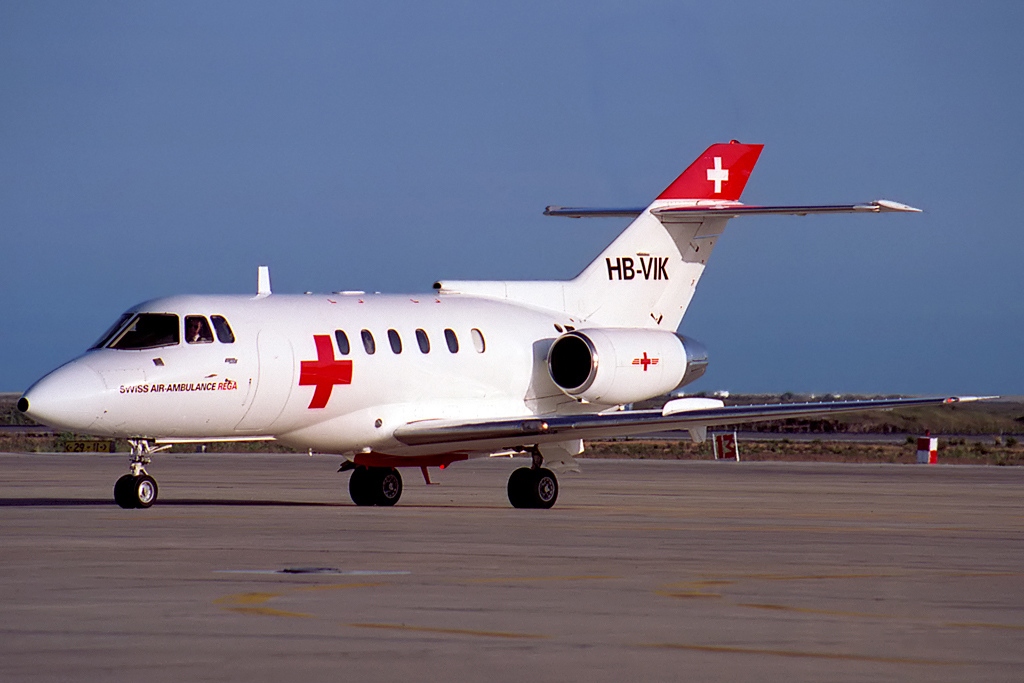
Travel insurance for Mediterranean cruise passengers should include at least $100,000 of emergency medical cover and $250,000 of medical evacuation, cover for missed connections on embarkation day, and trip cancellation for the full non-refundable cost. Buy it within 14 to 21 days of your deposit if you want a pre-existing condition waiver or Cancel For Any Reason cover. Expect to pay roughly 5 to 10% of the trip cost.
That is the whole answer in one paragraph. The rest of this guide explains the reasoning, because insurance is a subject where the reasoning matters more than the headline. We are not an insurer or a broker, we have no affiliate links to any insurance company, and nobody has paid to be mentioned here. So we can say things a sales page cannot: that your cruise line’s own plan is sometimes the right choice and sometimes clearly the wrong one, that some of the most common Mediterranean mishaps are not covered by any policy, and that the single most expensive thing that can happen to you on a European cruise is not a cancelled trip but a helicopter. This page is part of our wider guide to planning a Mediterranean cruise.
Travel insurance for Mediterranean cruise passengers: the short answer
| Do you need it? | Yes, in our view, whatever your age. US Medicare does not cover you once the ship is more than six hours from a US port, a UK GHIC is not valid on board even when the ship is docked, and Australian ship doctors cannot bill Medicare |
| Emergency medical | At least $100,000. More if you are over about 60 or have a chronic condition |
| Medical evacuation | At least $250,000. This is the big number: a helicopter off the ship and an air ambulance home |
| Trip cancellation | The full non-refundable cost of the cruise, flights and pre-cruise hotels |
| Cost | Roughly 5–10% of the insured trip cost for a comprehensive policy; about $40–$150 per person for medical-only cover |
| When to buy | Within 14 to 21 days of your first deposit, if you want a pre-existing condition waiver or Cancel For Any Reason (CFAR) cover. Otherwise any time before final payment |
| CFAR | Reimburses up to 75% of prepaid costs if you cancel for any reason at least two days before departure. Worth pricing on expensive or uncertain trips |
| Cruise line plans | Convenient, often decent medical limits, but “cancel for any reason” usually means future cruise credit, not cash. Royal Caribbean’s plan gives 90% credit |
| Not covered by anyone | Missing the ship because you were late back from your own tour, a Greek island skipped for wind, a port your line substitutes |
| Money conversions | €1 = $1.1367 and £1 = $1.3220, from European Central Bank reference rates on 24 September 2026 |
Do you need travel insurance for a Mediterranean cruise?
Yes. Your home health cover almost certainly stops working once you sail: Medicare does not pay for care on a ship more than six hours from a US port, the UK’s GHIC is not valid on board, and ship’s doctors bill privately. A cruise also concentrates risk into one non-refundable, date-fixed departure you can miss.
People sometimes treat cruise insurance as an optional extra sold at the end of a booking, like a seat upgrade. It is better understood as three different products bundled together, each answering a different question.
- Medical and evacuation cover answers: who pays if I am ill or injured abroad, on the ship or ashore, and who pays to get me home? This is the part that protects you from a genuinely ruinous bill.
- Trip cancellation and interruption cover answers: who pays if something stops me going, or forces me home early? This protects the money you have already spent, which on a Mediterranean cruise with flights is often $5,000 to $15,000 for two people.
- Travel inconvenience cover — delays, missed connections, lost luggage — answers: who pays for the fallout when the logistics go wrong? This is the part you are most likely to claim on, and the part with the smallest limits.
A Mediterranean cruise loads all three. The medical risk is real because the days involve five to eleven miles of walking on marble, cobbles and ship’s stairs, and the summer heat is serious: the Acropolis closed until 5pm on 8 July 2025 when Athens was forecast at 38°C (100°F). The cancellation risk is real because Mediterranean cruises are typically booked six to twelve months or more ahead, which is Princess’s own advice for Europe, and a lot can happen to an elderly parent in that time. And the logistics risk is real because every Mediterranean cruise from North America begins with a transatlantic flight that has to land before a ship that will not wait.

There is also a practical reason that has nothing to do with money. When something goes seriously wrong on a ship or in a foreign hospital, the most valuable thing a good policy gives you is a 24-hour assistance line: people who speak the language, know which hospital on Rhodes or in Kusadasi can handle your case, can guarantee payment so treatment starts, and can arrange the flight home. That service is part of every decent policy and is worth more, in the moment, than the cheque that comes later.
Finally, some cruise lines and some countries make the decision for you. Australia’s government travel advice service notes that some ships will not let passengers board without cruise-specific insurance. And while the Schengen countries do not require insurance of visa-exempt Americans, Britons, Canadians or Australians, the absence of a rule is not the same as the absence of a risk.
How much medical and evacuation cover do you need?
At least $100,000 of emergency medical cover and $250,000 of medical evacuation for a healthy traveller under about 60; more for older travellers or anyone with a chronic condition. Evacuation matters more than medical in the Mediterranean, because the expensive part is usually getting you off a ship and home, not the treatment itself.
Those two numbers are the figures that American cruise-insurance brokers converge on for Mediterranean sailings, and we think the reasoning behind them is sound. It runs like this.
Medical treatment in a public hospital in Spain, Italy, France or Greece costs far less than the same treatment in the United States. Most emergencies that affect cruise passengers — a fall, a fracture, a cardiac scare, a bad infection — can be stabilised in a Mediterranean hospital for a bill in the thousands or low tens of thousands of dollars. One UK insurer that publishes its claims data reported an average medical claim of £1,750 (about $2,300) across its European claims in 2022, with Spain, Greece and France generating the most claims. That is why $100,000 is enough medical cover for most people: it is several times what a typical serious incident costs in Europe.
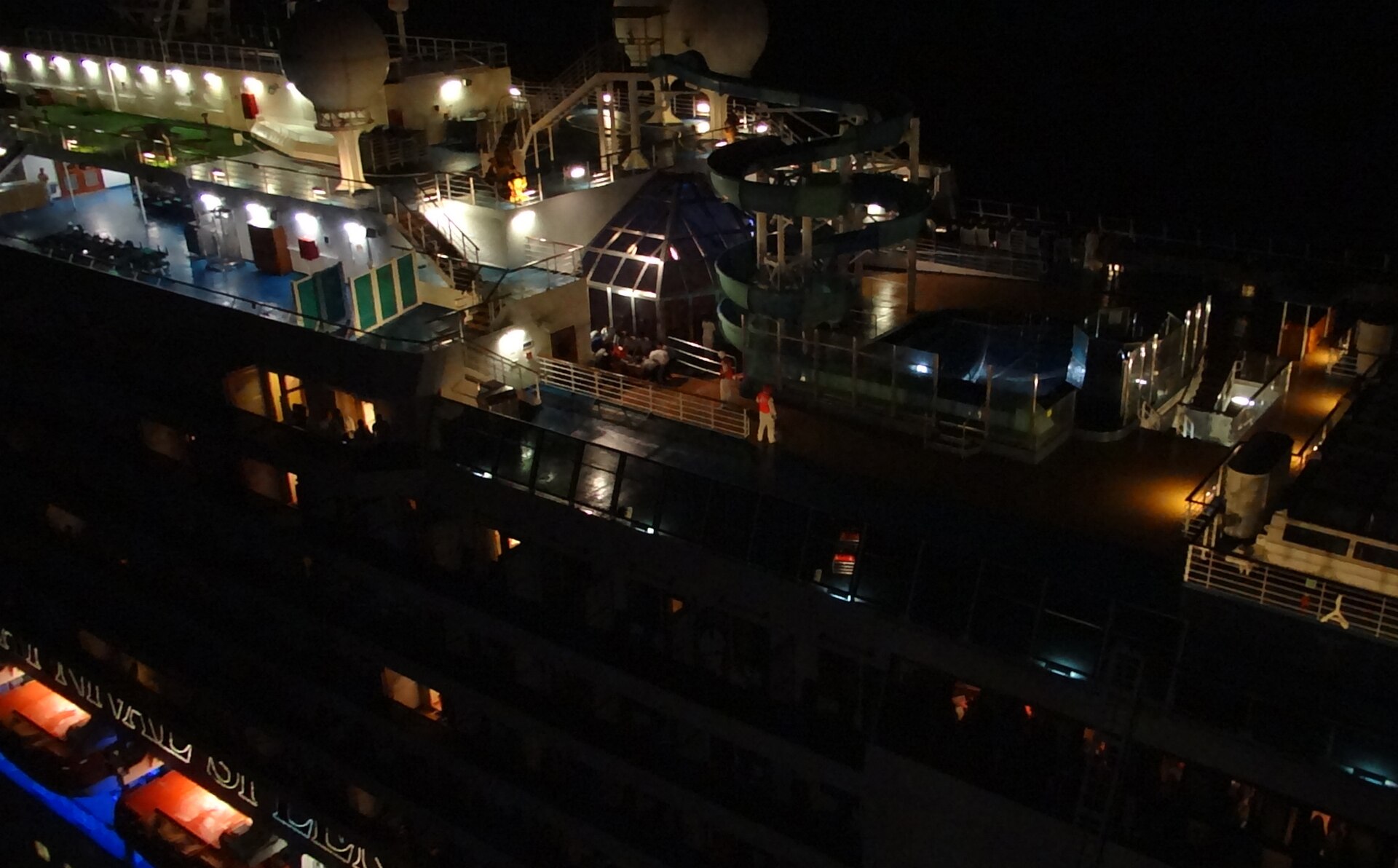
Evacuation is different. If you fall ill at sea, the ship’s medical centre can stabilise you, but it is not a hospital. A serious case may mean a diversion, a tender to shore, or a helicopter hoist from the deck. Australia’s Smartraveller puts the cost of medically evacuating a patient from a cruise ship by helicopter “in the $100,000s”. Then comes the second evacuation, which people forget: once you are stable in a hospital on a Greek island or in southern Italy, you may need to be moved to a larger hospital, and eventually home, sometimes on a dedicated air ambulance jet with a doctor and nurse on board. Broker guidance puts evacuation from a ship or a remote port at well over $100,000; an air ambulance across the Atlantic adds a great deal more. Hence $250,000 as a minimum, and $500,000 or more if you are older or have a condition that makes a long stay abroad more likely.
What the ship’s medical centre can and cannot do
Every large cruise ship carries a medical centre staffed by doctors and nurses, and on a big ship it is equipped for what it is: the clinic of a floating town of several thousand people. It can treat infections, falls, sprains, simple fractures, dehydration, heat exhaustion and seasickness, and it can stabilise a heart attack or a stroke while the ship arranges the next step. What it cannot do is surgery, intensive care or specialist investigation. Anything beyond stabilisation means getting you ashore: at the next port if the ship is close to one, by a tender or a diverted call if it is not, or by helicopter if the case is urgent.
Two things about the medical centre surprise first-time cruisers. It is a private, fee-charging service, so consultations, tests and medicines are billed, usually to your onboard account, at prices the line sets. And it generally does not bill your insurer: you pay, keep the itemised invoice, and claim afterwards. That makes the ship’s medical centre the most common small claim on a cruise, and the reason to ask for an itemised invoice and a short medical report every time you visit, even for something minor that might turn into something more.
Hospitals in the ports
Once you are ashore, the standard of care depends on where you are. Spain, France, Italy, Greece, Croatia and Malta have public health systems with modern hospitals in their cities. The Greek islands are served by health centres and, on the larger islands such as Crete and Rhodes, by general hospitals, with serious cases moved to bigger hospitals on the mainland or in Crete, often by air. In Turkey, visitors to the resort areas are often treated in private hospitals, which may ask for a guarantee of payment before non-emergency treatment begins. In Egypt, which facility you are taken to matters a great deal, and it is a decision you want your insurer’s medical team involved in.
This is where the assistance service earns its premium. A good insurer’s medical team knows which hospital in which port can handle which problem, speaks to the treating doctor in their own language, guarantees payment so you are not asked for a deposit, and decides with the doctors when you are fit to fly and whether you need a medical escort. None of that is visible on a price comparison, and all of it matters on the worst day of your trip.
Two technical terms are worth understanding before you compare limits.
- Primary versus secondary medical cover. A primary policy pays first, without asking you to claim on your own health insurance. A secondary policy pays only what your own insurance does not, which can mean filing with your US insurer first and waiting for its refusal. For foreign treatment, primary cover is simpler, and worth a small premium.
- “Evacuation” versus “repatriation”. Evacuation usually means moving you to the nearest adequate hospital. Repatriation means getting you home, or getting your remains home. Some policies cover evacuation to the nearest facility but only pay to fly you home if a doctor says it is medically necessary. Look for policies that let you be moved to a hospital of your choice, or home, once you are stable.
| Traveller | Emergency medical | Evacuation and repatriation | Trip cancellation |
|---|---|---|---|
| Healthy, under about 60, mainstream line | $100,000 | $250,000 | Full non-refundable cost |
| 60 to 74, or any chronic condition | $250,000 | $500,000 | Full cost, with a pre-existing condition waiver |
| 75 and over, or a serious condition | $500,000 or more | $1,000,000 | Full cost, with a waiver; price CFAR |
| Luxury voyage, $15,000+ per person | $250,000 | $500,000 or more | Full cost; CFAR usually worth pricing |
| Family with children | $100,000 each | $250,000 each | Full cost; check whether children are covered free |
Children deserve a line of their own because they are often cheap or free to add. One of the cruise-specific US plans that brokers were quoting in 2026 covered one child under 18 free per insured adult. Families should check for that before paying separately; our guide to a Mediterranean cruise with kids covers the rest of the family budget.
What a policy pays for: twelve Mediterranean scenarios
Brochures describe benefits in the abstract. This table works through the things that actually happen on Mediterranean cruises and shows, in general terms, which type of cover responds. “Usually” means most comprehensive policies we have seen include it; “check” means it varies enough that you must read your own wording. No table replaces the policy document.
| What happens | Comprehensive third-party policy | Typical cruise line plan | Medical-only policy | Credit card cover |
|---|---|---|---|---|
| Your flight to Barcelona is cancelled and you miss embarkation | Usually: missed connection and trip delay benefits pay to catch up with the ship, typically $500–$1,500, after a 3- to 6-hour delay | Usually: Royal Caribbean’s plan pays travel delay up to $2,000 and $300 for a missed connection | No | Sometimes: some premium cards include trip delay benefits |
| You are late back from an independent day in Rome and the ship sails | No, unless a common carrier such as your train was delayed, and even then only the cost of catching up | No | No | Rarely |
| Santorini is skipped because the meltemi stops the tenders | Rarely in US policies. Some UK cruise add-ons pay a fixed sum per missed port | No | No | No |
| Your line replaces Haifa or Alexandria with Limassol | No: the cruise contract allows the line to change ports | No | No | No |
| You fall on the steps at Kotor and break a wrist | Yes, up to the medical limit | Yes: up to $100,000 on Royal Caribbean’s plan | Yes | Rarely, or only with low limits |
| Heatstroke at Pompeii in July | Yes, as illness | Yes | Yes | Rarely |
| You need a helicopter off the ship and an air ambulance home | Yes, up to the evacuation limit | Yes: up to $500,000 on Royal Caribbean’s plan | Check: many include evacuation, some do not | Rarely at a meaningful level |
| A close relative falls seriously ill before you sail | Yes, a standard covered reason | Yes: 100% of unused prepaid cost for specified reasons on Royal Caribbean’s plan | No | Sometimes |
| You simply change your mind, or work gets in the way | Only with CFAR, typically up to 75% back | Usually future cruise credit: 90% on Royal Caribbean’s plan | No | No |
| An Italian rail strike, announced before you bought cover, wrecks your Florence day | No: events already public when you bought are excluded | No | No | No |
| Your suitcase is lost on the flight in | Yes, with per-item limits often around $250 and a delay benefit after 12 hours | Yes: up to $3,000, and $500 for essentials after a 6-hour delay on Royal Caribbean’s plan | No | Often, for delay |
| Your phone is stolen on La Rambla | Sometimes, within per-item limits, with a police report | Check | No | Sometimes, under purchase protection |
Three lines in that table deserve more than a cell.
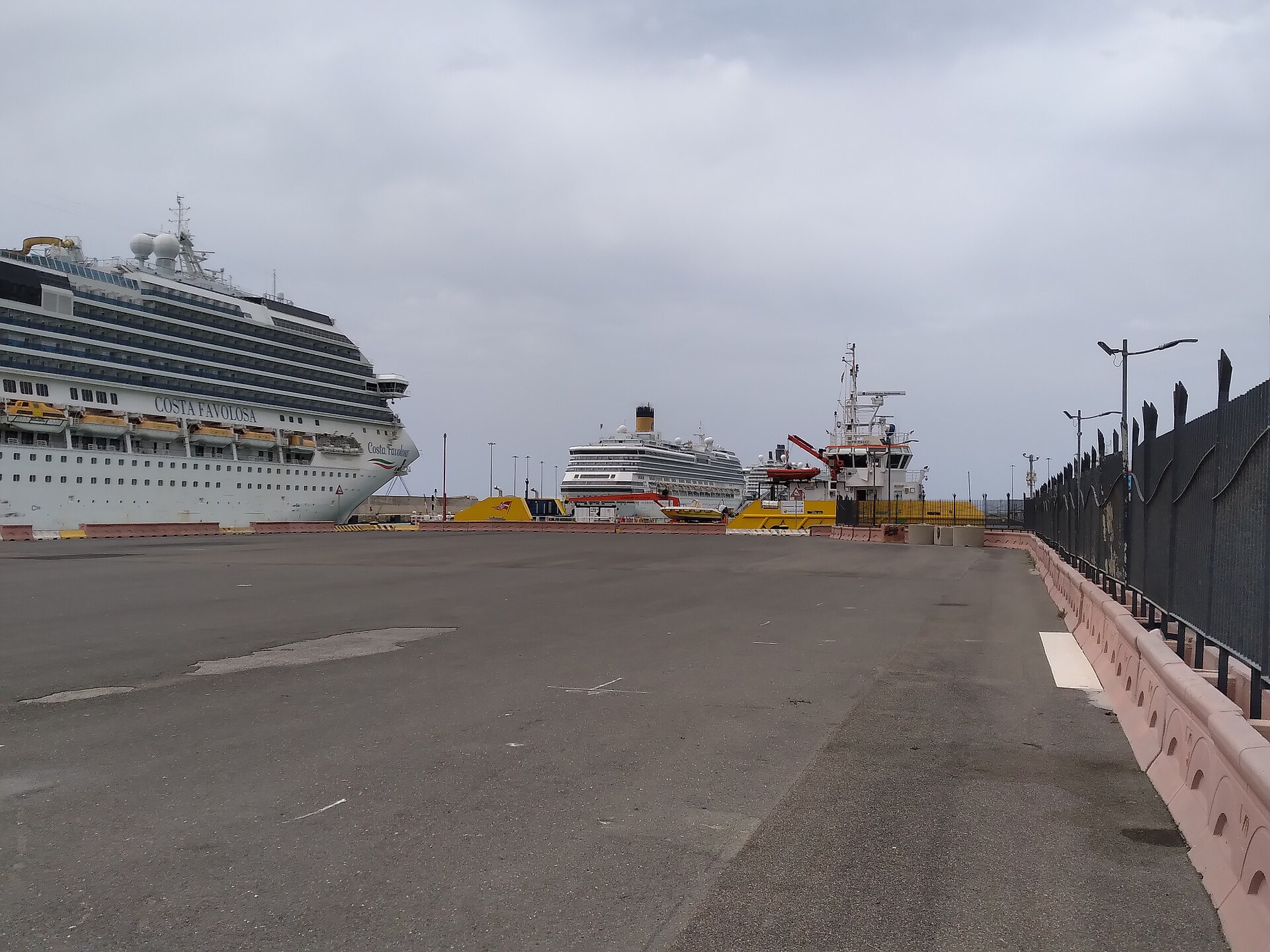
Missing the ship in port is mostly your own risk. The single most common Mediterranean cruise nightmare — standing on the platform at Roma Termini at 3:40pm watching the departure board — is not insured in any meaningful way if the cause is that you stayed too long at the Vatican. Missed connection benefits pay when a “common carrier” such as an airline, a train or a ferry is delayed, and they pay only the cost of catching up with the ship at the next port. This is exactly why the ship’s own excursion is worth its premium at Civitavecchia, Livorno and Katakolon: if the coach is late, the ship waits. Our shore excursions guide works through that trade-off port by port.
Missed ports are almost never covered in the US market. The meltemi, the strong summer wind of the Aegean, regularly stops tender operations at Santorini and Mykonos, and a line may swap an Israeli or Egyptian port for Limassol with little notice. Neither is a covered event under most American policies, because the cruise contract gives the line the right to change the itinerary. British “cruise cover” add-ons are the exception: some pay a fixed sum for each missed port, and some pay a daily benefit if the ship’s doctor confines you to your cabin. Our guide to eastern Mediterranean cruise ports covers which Israel and Egypt calls are currently running.

“Foreseeable” means “already in the news”. Every policy excludes events that were public knowledge when you bought it: a named storm, a declared strike, an outbreak, a volcanic ash cloud already drifting. Italy’s transport strikes are usually announced days or weeks in advance. If you buy your policy on the day you book, anything that happens later is at least potentially covered; if you buy it the week before you sail, anything already announced is not. This is one of the strongest arguments for buying early.
Exclusions that bite on a Mediterranean cruise
Most refused Mediterranean claims do not fail on the big exclusions everyone knows about. They fail on small ones that happen to fit the way people spend a port day.
- Scooters, mopeds and quad bikes. Hiring one is a popular way to see Santorini, Mykonos or Corfu in a day, and a well-known source of injuries. Many policies exclude riding a motorcycle or moped altogether, or cover it only if you hold a full motorcycle licence at home and wear a helmet. Check before you hire, not after.
- Water sports and adventure activities. Jet skis, parasailing, scuba diving beyond a set depth and cliff jumping are often excluded or need an add-on activity pack. A beach day is covered; a flyboard session may not be.
- Alcohol. Claims arising from intoxication are commonly excluded. A fall on a marble staircase after a long lunch with wine is exactly the kind of claim that gets questioned.
- Unattended belongings. Theft of items left unattended on a beach, in a taxi or on a café table is usually excluded, and per-item limits apply to phones, cameras and jewellery.
- Government travel advisories. Many policies, and British ones in particular, do not cover you in a country where your government advises against all travel. If a line keeps an Israel or Egypt call on your itinerary while such advice is in force, check what your policy says about going ashore there.
- Travelling against medical advice. If a doctor has told you not to travel, or you are awaiting tests or treatment, most policies will not cover a claim linked to that condition.
Return-to-ship guarantees: the other kind of protection
Because no insurance policy pays when you are simply late back from your own tour, the independent excursion industry sells its own answer: a return-to-ship guarantee. Shore Excursions Group advertises one on its tours. Tours by Locals says that if you miss the ship on one of its tours it covers the cost of getting you to the next port, including accommodation, and that it refunds the tour in full if the ship cannot dock. Guarantees like these are contractual promises by the tour company, not insurance, and they come with conditions worth reading. But on a long-transfer day such as Rome from Civitavecchia, Florence from Livorno or Olympia from Katakolon, a guarantee from a reputable operator is the nearest thing to the ship’s own promise to wait for its excursions.
If you miss embarkation: what catching up really involves
A ship does not wait for late passengers on embarkation day any more than it does in port. If your flight to Barcelona, Rome or Athens is cancelled or badly delayed, the ship sails without you, and the job becomes getting yourself to the next port before it leaves there. On a Western Mediterranean itinerary that might mean a flight or an overnight ferry to Palma, a train to Marseille, or a flight to Naples; in the Greek islands it can mean a ferry that the meltemi may itself cancel. You will also need the ship’s port agent at the next port to know you are coming, which is what the line’s emergency number is for.
This is where the missed connection and trip delay benefits earn their place. They typically pay the reasonable extra costs of catching up — the new flight or ferry, a hotel night, meals — up to the benefit limit, provided the delay was caused by a covered reason such as a common carrier’s cancellation or mechanical fault, and provided it exceeded the policy’s trigger, often three to six hours. Limits between $500 and $1,500 are common in third-party policies; Royal Caribbean’s own plan offers trip delay up to $2,000 at $250 a day plus $300 for a missed connection. Those sums cover a short hop to the next port. They will not cover a last-minute business-class ticket across the Atlantic, which is why the real protection is not the policy at all: it is flying in a day or two early. Our embarkation ports guide sets out the pre-cruise hotel options for each homeport.
Cruise-line protection or a third-party policy?
Every major line sells its own protection plan at the point of booking, and it is the easiest thing in the world to tick the box. Sometimes that is the right decision. Often it is not. The honest way to judge is to take one real plan apart.
Royal Caribbean’s Travel Protection, as described on the line’s own page in September 2026, offers:
- 100% of the unused prepaid trip cost if you cancel for a specified reason, such as illness or injury;
- 90% in cruise credits towards a future cruise if you cancel for any other reason, which the line labels a non-insurance feature with restrictions;
- up to $100,000 for accident or sickness medical expenses, and up to $500,000 for emergency evacuation and repatriation;
- trip interruption up to 150% of the trip cost;
- baggage up to $3,000, and up to $500 for essentials when bags are delayed six hours or more;
- travel delay up to $2,000, at $250 a day, plus $300 for a missed connection.
The plan is underwritten by Arch Insurance Company and, according to the page, is available to residents of every US state except New York. The price is not published on that page; it is quoted when you book.
Read against the minimums above, that is a respectable plan. The medical limit meets the $100,000 benchmark and the evacuation limit comfortably beats $250,000. Where it differs from a good third-party policy is in three places.
| Cruise line plan | Comprehensive third-party policy | |
|---|---|---|
| “Any reason” cancellation | Usually future cruise credit with the same line, not cash | CFAR pays cash, typically up to 75%, if bought within the purchase window |
| What it covers | Often only what you bought from the line: the cruise, and flights or hotels booked through it | Everything you insure: independent flights, pre-cruise hotels, prepaid tours |
| Choice of limits | One or two fixed levels | You choose, including $500,000 medical and $1,000,000 evacuation for older travellers |
| Pre-existing conditions | Terms vary and are not always shown up front | A waiver is available if you buy within the window |
| Price | Set by the line, often in bands by fare | Priced on age, trip cost and cover; comparable across insurers |
| Convenience | One click at booking; claims go through one company | A second purchase and a separate claims process |
Our view: a cruise line plan is a reasonable choice for a younger, healthy traveller who booked flights and hotels through the line and is comfortable taking future cruise credit rather than cash if plans change. A third-party policy is usually better for anyone who booked independent flights (as many Americans flying to Europe do), anyone over about 60 who wants higher medical and evacuation limits, anyone with a pre-existing condition, and anyone who wants genuine cash-back CFAR. The deeper comparison is coming in Cruise-Line Travel Insurance vs Third-Party Policies: Which Is Better?
Credit card cover is the third option people rely on without checking. Some premium cards include trip cancellation and interruption, trip delay and baggage delay benefits when you pay for the trip with the card. Few include emergency medical and evacuation cover at anything like the levels above. A card can be a useful top layer; it is rarely a whole policy.
How much does cruise insurance cost?
A comprehensive policy usually costs about 5 to 10% of the insured trip cost, rising with age and with the cover you choose. Medical-only cover is much cheaper, about $40 to $150 per person for a typical cruise. CFAR and pre-existing condition cover add to the price.
Published sample quotes give a feel for the range. One large US broker’s sample prices for the 2026 season, for a 55-year-old on a 15-day trip, started at around $30 to $40 for budget plans on a $1,000 trip. Cruise-specific plans from the major US underwriters ran from roughly $60 to just over $1,000 depending on the trip cost insured. Premium plans for luxury voyages with $30,000 to $150,000 trip costs ran from about $1,100 to more than $24,000. Those numbers are wide because the two things that move price most are exactly the things that vary most between travellers: how much you insure, and how old you are.
| Insured trip cost per person | Comprehensive at 5% | Comprehensive at 10% | Medical-only, roughly |
|---|---|---|---|
| $3,000 (7-night mainstream cruise plus flights) | $150 | $300 | $40–$150 |
| $6,000 (10–12 nights, balcony, flights, hotels) | $300 | $600 | $40–$150 |
| $12,000 (premium or long voyage) | $600 | $1,200 | $40–$150 |
| $25,000 (luxury) | $1,250 | $2,500 | Not usually bought alone |
Three things push the price up and one pushes it down. Up: age, which is the biggest single factor and the one people underestimate; CFAR, which adds substantially to a premium; and higher medical and evacuation limits. Down: insuring only the non-refundable part of the trip. If your cruise deposit is refundable until 90 days out and your flights are refundable, you do not need to insure their full value from day one, although waivers and CFAR usually require you to insure the whole prepaid, non-refundable cost to qualify. The full breakdown, with sample premiums by age, is coming in How Much Does Cruise Insurance Cost for a Mediterranean Cruise?, and the insurance line sits in the complete budgets of our Mediterranean cruise cost guide.
Cancel For Any Reason: when CFAR is worth it
Standard trip cancellation cover pays only for a listed reason: your own illness or injury, a family member’s, a death, jury duty, a home made uninhabitable, and similar. It does not pay if you cancel because you are worried, because of work, because a port was dropped, or because you simply no longer want to go. Cancel For Any Reason, universally shortened to CFAR, fills that gap.
The terms are broadly similar across US insurers in 2026, and they are strict.
- It pays part, not all. Typically up to 75% of your prepaid, non-refundable trip costs. Check the percentage, because not every plan offers the maximum.
- You must buy it early. Usually within 14 to 21 days of your initial trip deposit, depending on the plan. One premium plan we saw allowed purchase up to 24 hours after final payment, but that is unusual.
- You must insure the whole trip. Insuring only part of your prepaid costs usually voids CFAR.
- You must cancel in time. Typically at least two days before departure.
- It costs more. CFAR is an optional upgrade that adds substantially to the premium.
For a Mediterranean cruise, CFAR earns its cost in a few specific situations: a long or luxury voyage where the non-refundable amount is large; an elderly or unwell family member who might need you; a job that might not release you; and an itinerary whose appeal rests on a port that might be dropped, such as an Egypt or Israel call on a 2027 sailing. It is probably not worth it on a moderate, flexible booking with a cruise line that lets you move dates for a fee. The line’s own “cancel for any reason” credit is a partial substitute only if you are certain you will sail with that line again. Our coming guide, Cancel For Any Reason Cruise Insurance: How CFAR Works for Europe Cruises, will compare the main CFAR terms side by side.
Pre-existing conditions and the waiver window
A pre-existing condition, in insurance language, is any illness or injury that showed symptoms, needed treatment or had medication changed during a “look-back period” of several months before you bought the policy; the length varies by insurer. Without special provision, a claim arising from that condition is excluded. For the many cruise passengers who manage high blood pressure, diabetes, a heart condition or arthritis, that exclusion can quietly remove the cover they most need.
The fix is a pre-existing condition exclusion waiver, and the conditions attached to it are what matter.
- Buy early. Waivers typically require purchase within 14 to 21 days of the initial trip deposit, depending on the plan; 2026 examples include 14, 20 and 21 days.
- Insure the full trip cost. As with CFAR, underinsuring usually voids the waiver.
- Be fit to travel on the day you buy. Waivers require you to be medically able to travel when you purchase the policy, which is one more reason to buy it at booking rather than after a diagnosis.
- Disclose honestly. Undisclosed conditions are the most common reason claims are refused. Where a policy asks medical questions, answer them fully.
British and Australian policies approach this differently: rather than a waiver, they usually ask you to declare each condition, and either cover it for an extra premium or exclude it. The UK market in particular has specialists that will cover conditions many mainstream insurers decline. Whichever system you are in, the principle is the same: the time to sort out pre-existing conditions is the week you book, not the week you sail. Cruise Insurance for Pre-Existing Conditions will go into this in detail.
Does Medicare cover you on a Mediterranean cruise?
Almost never. Original Medicare does not pay for care once your ship is more than six hours from a US port, and does not cover care in foreign hospitals except in rare situations that do not apply to a Mediterranean cruise. Some Medigap plans pay limited foreign emergency care, but none pay for evacuation.
The detail comes from Medicare’s own fact sheet on coverage outside the United States (CMS Product No. 11037, April 2026), and it is worth reading closely because it is more restrictive than many retirees assume.
- Outside the US, Medicare generally pays nothing. Its three exceptions apply when you are in the US and a foreign hospital is closer than the nearest US one that can treat you, or when you are travelling through Canada between Alaska and another state. None of them applies in the Mediterranean.
- On a ship, the six-hour rule. Medicare may cover medically necessary care on a cruise ship only when the ship is in a US port or no more than six hours away from one. A Mediterranean cruise is outside that limit from the moment it sails.
- You pay the foreign provider yourself. Foreign hospitals are not required to file Medicare claims, so you would pay the full bill.
- Prescriptions bought abroad are not covered by Medicare drug plans. Bring enough of your medication for the whole trip, plus a few days.
- Medigap helps, a little. Most Medigap plans (C, D, F, G, M and N, plus some older plans no longer sold) pay 80% of billed charges for certain emergency care outside the US after a $250 annual deductible, up to a $50,000 lifetime limit, and only if the care begins during the first 60 days of the trip.
- Medicare Advantage plans follow Medicare’s rules but may add some foreign coverage. Check with your plan before you travel.
Put those together and the gap is obvious. A Medigap policy might pay 80% of a hospital bill up to a lifetime cap of $50,000, but it pays nothing for the helicopter, the air ambulance or the medical escort home, which is where the large costs are. That is why even seniors with good supplemental cover need travel medical and evacuation insurance for a Mediterranean cruise. It is also why older travellers should buy higher evacuation limits than younger ones: the probability of needing them is higher, and the cost of the evacuation does not fall with age. The full seniors’ guide, Best Cruise Insurance for Seniors on a Mediterranean Cruise, is in preparation.

Cover by passport: Canada, the UK and Australia
The logic is the same everywhere — home health cover does not follow you onto a ship — but the details differ in ways that matter.
Canada
Provincial and territorial health plans pay little, and sometimes nothing, towards medical care outside Canada, and they do not pay for evacuation. The federal government’s standing advice is to buy travel insurance for any trip abroad. Canadian travellers should apply the same medical and evacuation minimums as Americans, and check whether any group or credit card cover they already hold imposes a trip-length limit or an age cap.
United Kingdom
The UK Global Health Insurance Card, and the older EHIC, give access to state healthcare in EU countries on the same terms as locals. For cruise passengers, the NHS Business Services Authority is explicit: a GHIC does not cover any treatment on board a cruise ship, even when the ship is docked, though you may be entitled to state treatment if you are taken to a state hospital ashore. The government’s foreign travel insurance guidance adds that the card is not an alternative to insurance, never covers repatriation, and that cruises generally need an additional level of cover. British insurers typically offer a “cruise cover” add-on with benefits American policies rarely include: missed port departure, cabin confinement, cruise interruption and, on some policies, a fixed sum for each missed port. Best Cruise Insurance UK for a Mediterranean Cruise will compare them.
Australia
Smartraveller’s guidance on going on a cruise is blunt. Doctors working on cruise ships do not need Medicare provider numbers, so treatment on board cannot be claimed on Medicare or private health insurance, even in Australian waters. Some ships will not let you board without cruise-specific insurance. And a helicopter evacuation from a cruise ship can cost in the hundreds of thousands of dollars. For a Mediterranean cruise, Australians should buy a policy with a specific cruise option and high evacuation limits, because the flight home is the longest of any market this site serves.
| Home cover | On the ship | In a hospital ashore | Evacuation home |
|---|---|---|---|
| US Medicare | No, beyond six hours from a US port | No, except rare cases | No |
| US Medigap (most plans) | Limited foreign emergency cover | 80% after $250, $50,000 lifetime, first 60 days | No |
| Canadian provincial plans | Little or nothing | A fraction of costs at most | No |
| UK GHIC or EHIC | No, even when docked | State treatment in EU countries only | No |
| Australian Medicare | No: ship doctors cannot bill Medicare | No | No |
When to buy, and how to compare two policies
The timing of an insurance purchase matters almost as much as the policy you choose, because the most valuable options expire quickly.
- The day you pay the deposit. Start comparing. The 14- to 21-day windows for pre-existing condition waivers and CFAR usually run from this date.
- Within 14 days. Buy, if you want either of those options, insuring the full non-refundable cost you have paid so far.
- Each time you add a non-refundable cost. Flights, pre-cruise hotels, prepaid tours: add them to the insured trip cost promptly, as policies usually require.
- Before final payment, typically 60 to 90 days before sailing. If you have not bought yet, this is the last sensible moment: cancellation penalties begin after it.
- Two weeks before sailing. Save the assistance line number in every phone, email yourself the policy, and put a printed card in your wallet.
Comparing two policies properly takes about ten minutes if you know where to look. Skip the marketing summary and open the certificate of insurance or policy wording, then check these items in order:
- Emergency medical limit, and whether it is primary or secondary.
- Evacuation and repatriation limit, and whether it will fly you home or only to the nearest adequate hospital.
- Trip cancellation and interruption: the covered reasons, and the interruption percentage (125% or 150% of trip cost is common).
- Missed connection and trip delay: the trigger (three hours? six? twelve?) and the maximum.
- Pre-existing conditions: the look-back period and the waiver deadline.
- CFAR: whether it is available, the percentage and the purchase window.
- Baggage: the total limit, the per-item limit and the delay trigger.
- Exclusions: foreseeable events, alcohol-related incidents, “hazardous activities” such as scuba diving or jet skis, and any age limits.
- The claims deadline and the documents required.
Trip length limits, annual policies and grand voyages
One line in the policy wording catches out exactly the travellers who spend most on a Mediterranean cruise: the maximum trip length. Single-trip cruise plans set a limit on how long a trip they will insure, and 2026 plans quoted by US brokers ranged from 30 days on some policies to 60 or 90 days on others. That is plenty for a 7- or 12-night cruise with a few nights either side. It is not always enough for the long voyages some lines sell: Princess’s 2027 Mediterranean programme runs from 7 to 42 days, and a grand voyage plus a week in Rome beforehand can push past a 30-day limit. Count the whole trip, from the day you leave home to the day you return, not just the cruise.
Annual multi-trip policies are the other route, and they are more common in the UK and Australia than in the US. They can be good value if you travel several times a year, but they carry their own limits: a maximum length for any single trip, often lower cancellation cover than a single-trip policy, and, in the UK, a cruise add-on that must be bought separately if you want cruise-specific benefits. Whichever route you take, the cover has to run for every day you are away, including the pre-cruise nights in a hotel and the repositioning days at sea.
Transatlantic repositioning cruises deserve a specific mention. They are some of the cheapest ways to reach the Mediterranean, but they include long runs of sea days far from land. A serious medical problem mid-ocean may mean a diversion rather than a helicopter, because helicopters have limited range from shore, and a longer, more complicated evacuation. That is a reason to take the evacuation limit seriously, and to check that a policy’s trip length covers the whole crossing plus any time in Europe afterwards.
A worked example: a fall on the walls of Dubrovnik
Abstract benefits make more sense when you watch them work on a single bad day. This is a hypothetical but entirely typical case: an American couple in their late sixties on a 12-night Eastern Mediterranean cruise, with a comprehensive third-party policy bought the week they booked.
- 11:00, the fall. Halfway round Dubrovnik’s city walls, one of them slips on a worn step and cannot put weight on an ankle. Staff on the walls call an ambulance on 112, the emergency number across the EU, and the couple call the ship’s port agent, whose number is printed in the daily programme.
- 11:45, the hospital. The ambulance takes them to the city’s general hospital. From the waiting room, the uninjured partner calls the insurer’s 24-hour assistance line, gives the policy number and the hospital’s name, and the insurer’s team contacts the hospital directly.
- 13:30, the diagnosis. A fracture that needs surgery. The insurer’s doctor speaks to the treating surgeon, agrees the treatment and confirms payment, so the hospital does not ask the couple for a deposit.
- 15:00, the ship. The ship sails at 17:00 and will not wait. Through the port agent and guest services, the couple arrange for their passports and luggage to be brought ashore before it leaves. This is the step people forget, and without it they would be in Croatia with no passports.
- The next five days. Surgery, then recovery. The partner stays in a hotel near the hospital. The insurer’s medical team checks progress with the surgeon and decides when the patient is fit to fly, and whether that needs an extra seat to keep the leg raised, or a medical escort.
- The flight home. The insurer books and pays for the flights home under the evacuation and repatriation benefit, in the class the doctors specify.
- The claim. Medical costs were paid directly by the insurer. Afterwards the couple claim trip interruption for the unused cruise nights and the prepaid excursions they missed, plus the partner’s hotel, meals and taxis, with the hospital report, the ship’s letter confirming they left the cruise, and every receipt.
Now run the same day without insurance. The couple pay the hospital themselves; Medicare pays nothing in Croatia. They pay for the hotel, the taxis and new flights home at short notice, possibly in a higher class if the doctor insists, and they lose the rest of the cruise they had paid for. A British couple with GHIC cards would get state treatment in the Croatian hospital, because Croatia is in the EU, but the card would pay nothing towards the hotel, the flight home or the lost cruise. The difference between those two versions of the same day is what the premium buys.
How to make a claim from a Mediterranean port
Most refused claims are refused on paperwork, not on principle. A Mediterranean cruise adds a few specific complications: several countries in a week, several languages, and a ship’s medical centre that bills to your onboard account. These habits make claims much easier.
- Call the assistance line before non-emergency treatment. In a true emergency, get treated first and call as soon as you can. For anything else, calling first lets the insurer direct you to a suitable hospital and guarantee payment, so you are not asked for a large deposit up front, which some private hospitals do request.
- Get itemised bills and a medical report. The ship’s medical centre charges for consultations and treatment, usually to your onboard account. Ask for an itemised invoice and a written report before you leave the ship. Hospitals ashore should give you both; ask for English where possible.
- Report theft to the police within 24 hours. Insurers require a police report for stolen items. In Italy and Spain it is called a denuncia; in Barcelona, report to the Mossos d’Esquadra, Catalonia’s police. Some cities offer online reporting for tourists that you then sign in person. Without a report, a theft claim usually fails.
- Report lost luggage before you leave the airport. File a Property Irregularity Report at the airline’s baggage desk in the arrivals hall and keep the reference. Buy only essentials while you wait, and keep every receipt.
- Get written proof of any delay. For a missed connection or delayed embarkation, the airline or rail operator’s written confirmation of the delay and its cause is what the claim rests on.
- Ask the ship for a letter. If you were disembarked for medical reasons or had to leave the cruise, the guest services desk can confirm the dates and the reason in writing.
- Photograph everything. Receipts, reports and boarding passes, the day you get them. Paper gets lost on ships.
If you are travelling on a ship’s tour when something goes wrong, the tour escort and the ship’s shore excursion desk will usually help with the local formalities. If you are independent, you are on your own until you reach the ship, which is another reason to keep the ship’s port agent’s telephone number, printed in the daily programme, in your pocket every day.
One final piece of paperwork is easy to overlook: your passport. If you are hospitalised and the ship sails without you, you will need your passport to fly home, and it may still be in the ship’s safe or your cabin. Tell the ship’s medical team and guest services as early as possible so they can land your passport and luggage with you. Our travel documents guide covers what to carry ashore and what to leave aboard.
Where this guide goes deeper
This page is the hub for cruise travel insurance. Over the coming months we are publishing the detailed guides that sit beneath it, and we will link each one here as it goes live.
- The decision. Is Cruise Travel Insurance Worth It for a European Cruise?, and How Much Does Cruise Insurance Cost for a Mediterranean Cruise?
- Choosing the product. Cruise-Line Travel Insurance vs Third-Party Policies: Which Is Better?, and Cancel For Any Reason Cruise Insurance: How CFAR Works for Europe Cruises.
- Your circumstances. Best Cruise Insurance for Seniors on a Mediterranean Cruise, Cruise Insurance for Pre-Existing Conditions, and, for British travellers, Best Cruise Insurance UK for a Mediterranean Cruise.
Elsewhere on the site, the best time to cruise the Mediterranean covers the heat and the meltemi, the two weather risks behind many Mediterranean claims, and the embarkation ports guide explains why flying in two days early is the cheapest insurance of all.
Mediterranean cruise travel insurance FAQs
Is travel insurance mandatory for a Mediterranean cruise?
Not usually. The Schengen countries do not require it of visa-exempt American, Canadian, British or Australian visitors, and most cruise lines recommend rather than require it. Some ships do refuse boarding without cruise-specific cover, according to Australia’s Smartraveller, so check your line’s terms. Mandatory or not, the medical and evacuation risk is real.
How much emergency medical cover do I need for a Mediterranean cruise?
At least $100,000, with $250,000 of medical evacuation, for a healthy traveller under about 60. Over 60, or with a chronic condition, we would buy $250,000 medical and $500,000 evacuation; over 75, $500,000 and $1,000,000. Hospital treatment in Europe is cheaper than in the US; evacuation from a ship and home is not.
Does travel insurance cover missing the ship?
Only in limited circumstances. Missed connection benefits pay to catch up with the ship when an airline, train or other common carrier is delayed, typically up to $500 to $1,500. They do not pay if you were simply late back from an independent tour. On a ship’s excursion, the ship waits for a delayed tour, which is the real protection.
Does travel insurance cover a port being skipped?
Rarely, in the US market. Cruise contracts let lines change itineraries for weather, safety or operational reasons, so a skipped Santorini or a substituted Israeli port is not usually a covered event. Some British cruise add-ons pay a fixed sum for each missed port, and a few policies include itinerary change benefits; check the wording if it matters to you.
Is cruise line insurance worth it?
It can be, for a younger traveller who booked everything through the line and is happy with future cruise credit if plans change. Royal Caribbean’s plan, for example, offers $100,000 medical and $500,000 evacuation. Third-party policies are usually better for independent flights, higher limits, pre-existing conditions and cash-back Cancel For Any Reason cover.
When should I buy travel insurance for a cruise?
Within 14 to 21 days of your first deposit if you want a pre-existing condition waiver or CFAR, since those options usually expire after that. Otherwise, any time before final payment, typically 60 to 90 days before sailing. Buying early also means events announced later, such as strikes, are potentially covered.
Does my credit card cover a Mediterranean cruise?
Partly, if you paid with it. Some premium cards include trip cancellation, trip delay and baggage delay benefits, but few include emergency medical and evacuation cover at the levels a Mediterranean cruise needs. Treat card benefits as a top layer and buy medical and evacuation cover separately.
Does Medicare cover me on a cruise to Europe?
No, once the ship is more than six hours from a US port. Most Medigap plans pay 80% of certain foreign emergency care after a $250 deductible, up to a $50,000 lifetime limit, if it begins in the first 60 days of the trip. Neither pays for medical evacuation, which is why seniors need travel insurance too.
Does the UK GHIC work on a cruise ship?
No. The NHS Business Services Authority says a GHIC or EHIC does not cover any treatment on board a cruise ship, even when it is docked. You may be entitled to state treatment if you are taken to a state hospital ashore in an EU country. The card never covers repatriation, so British cruise passengers need travel insurance with cruise cover.
Are pre-existing conditions covered on cruise insurance?
They can be, if you buy correctly. US policies offer a pre-existing condition waiver when you buy within a set window after your deposit, typically 14 to 21 days, insure the full trip cost and are fit to travel when you buy. UK and Australian policies usually ask you to declare conditions and cover them for an extra premium.
Does travel insurance cover seasickness?
Treatment for seasickness at the ship’s medical centre is a medical expense like any other and is usually claimable above any deductible, with an itemised invoice. What insurance does not cover is cancelling because you are worried about seasickness, unless you bought Cancel For Any Reason. The Mediterranean is calm through most of the summer, so it is rarely a large claim.
Do I need separate insurance for shore excursions?
No. A travel policy covers you ashore as well as at sea, whether you are on a ship’s tour or exploring on your own. Check the activity exclusions if an excursion involves scooters, jet skis, diving or anything else adventurous. For independent tours, a reputable operator’s return-to-ship guarantee protects you against missing the ship, which insurance usually does not.
What happens if the cruise line cancels my cruise?
The line normally refunds the cruise fare or offers credit, under its own terms. Your insurance matters for everything else you paid for, such as independent flights and hotels, and whether it pays depends on the reason: some policies cover a supplier’s financial failure or specific causes of cancellation, many do not cover a line’s commercial decision. Check the cancellation reasons and any financial default cover in your wording.
How we researched this guide
Home-coverage rules come from primary sources: Medicare’s fact sheet on coverage outside the United States (CMS Product No. 11037, April 2026), the NHS Business Services Authority and gov.uk for the GHIC, and Smartraveller for Australia. Cruise line plan details come from Royal Caribbean’s own travel protection page. Coverage minimums, price ranges, CFAR terms and waiver windows come from the published plan comparisons of US cruise-insurance brokers for the 2026 season, cross-checked against each other; one UK insurer’s published claims data supplied the European claim averages. We checked everything on this page in September 2026. Sterling conversions use the European Central Bank’s reference rates of 24 September 2026.
We are an independent editorial site. We do not sell insurance, we have no affiliate links to any insurer or broker, and no company decides what we recommend or whether it is mentioned. Nothing here is personal financial advice or a substitute for reading a policy’s wording, which is the only document that decides a claim. Where this page gives an opinion — the limits we would buy at different ages, when CFAR is worth paying for, when a cruise line plan is good enough — it is labelled as ours. Insurance terms change; we re-check this page each January and again in March before the season opens.
Image credits
| Image | Photographer | Licence |
|---|---|---|
| Swiss Air-Ambulance (Rega) jet | Pedro Aragão | CC BY-SA 3.0, via Wikimedia Commons |
| Barcelona El Prat airport, Terminal 1 | Nasobema lyricum | CC0, via Wikimedia Commons |
| Cruise ship medical evacuation seen from a US Coast Guard helicopter | US Coast Guard | Public domain, via Wikimedia Commons |
| Port of Civitavecchia | Captain Raju | CC BY-SA 4.0, via Wikimedia Commons |
| Santorini Old Port and the cable car to Fira | Norbert Nagel | CC BY-SA 3.0, via Wikimedia Commons |
| The Acropolis from Philopappos Hill, Athens | A.Savin | CC BY-SA 3.0, via Wikimedia Commons |
| Cruise ships at anchor in the bay of Villefranche-sur-Mer | Vmenkov | CC BY-SA 3.0, via Wikimedia Commons |
Published 4 October 2026. Coverage terms, prices and home-coverage rules were checked in September 2026 and will change — read your own policy wording before you rely on anything here.