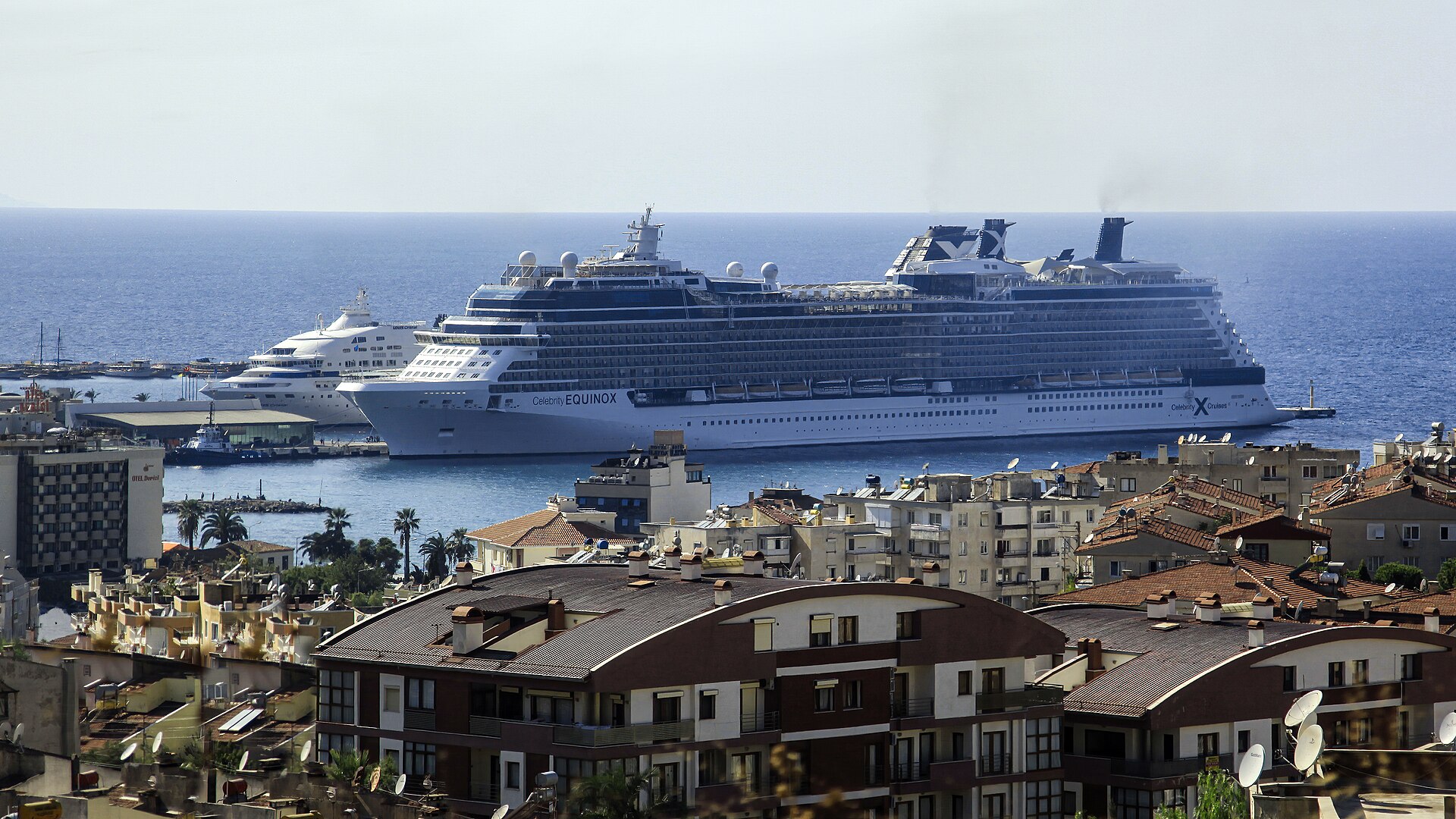
The eastern Mediterranean cruise ports that matter in 2026 are Istanbul, Kusadasi for Ephesus, Bodrum and Izmir in Turkey, Limassol in Cyprus and Alexandria in Egypt. All of them are normally docked calls, most are walkable, and Turkey is visa-free for US, Canadian, UK and Australian passports. Israel’s ports are off the map for the international lines, and Egypt is only half on it.
That last sentence is the reason this page exists. Some 2027 brochures still print Haifa and Ashdod, and some travel sites still describe a “Holy Land cruise” as if nothing had changed since 2022. Things have changed. The Turkish coast has quietly become the most reliable part of the whole Eastern Mediterranean, Cyprus has become the default substitute for Israel, and Egypt depends entirely on which line you book. This guide sets out where the ships actually go, how each port works from the gangway to the headline sight and back, and what we would do with the day. If you are still choosing between routes, start with our Eastern Mediterranean cruise guide; this page picks up once Turkey, Cyprus or Egypt is on the itinerary.
Eastern Mediterranean cruise ports at a glance: status as of September 2026
| Country | Status | Ports in use | Entry, for US, Canadian, UK and Australian passports |
|---|---|---|---|
| Turkey | Open | Istanbul (Galataport), Kusadasi (Ege Port), Bodrum, Izmir. Çanakkale, Dikili, Marmaris and Antalya on some smaller-ship and premium itineraries | No visa for tourist stays of up to 90 days in any 180. Australians were added by presidential decree on 17 April 2026 |
| Cyprus | Open, and busier | Limassol; Larnaca occasionally | No visa. Cyprus is in the EU but outside Schengen, so there are no EES biometric checks; ETIAS will apply once it launches |
| Egypt | Partly open | Alexandria, still called in September 2026 by AROYA, Cordelia, TUI and P&O ships. MSC, Royal Caribbean, Norwegian and Celebrity had suspended Egypt calls as of March 2026 | Rules differ by nationality and by whether you stay with a ship’s tour. Check your line’s documents |
| Israel | Suspended for international lines | Haifa and Ashdod calls suspended since October 2023. The Israeli-market Crown Iris still calls Haifa. Some 2027 itineraries on sale list Haifa | Treat any 2027 Israel call as provisional until it happens |
| Lebanon, Syria | No calls | Not on any mainstream 2026–27 itinerary we have seen | — |
| Tender or dock | Every main port on this page normally docks. That is a real difference from the Greek islands next door, where Santorini always tenders |
| Currency | Turkish lira in Turkey (US$1 = 48.86 lira), euro in Cyprus, Egyptian pound in Egypt. Turkish archaeological sites price foreign visitors in euros |
| Plugs | Turkey and Egypt use C and F, like mainland Europe. Cyprus uses G, the British three-pin. All run at 230V |
| Clocks | Turkey stays on UTC+3 all year. In the main season that matches Greece and Cyprus; from late October to late March Turkey is an hour ahead |
| Headline day | Ephesus from Kusadasi: 11 miles (18 km) from the ship, the easiest great ruin in the Mediterranean |
| Hardest day | The pyramids from Alexandria: 137 miles (220 km) each way, 11 to 13 hours round trip |
| Money conversions | €1 = $1.1367 and $1 = 48.86 lira, European Central Bank reference rates on 24 September 2026 |
Read the two tables together and a pattern appears. The western half of this region, Turkey’s Aegean coast, is the easy half: docked ports, short transfers, no visa, and sights you can reach on your own. The further east and south you go, the more the day depends on politics, distance and a ship’s tour. That is not a reason to avoid Cyprus or Egypt. It is a reason to know, before you book, which kind of day you are buying.
Where do cruise ships dock in Turkey?
Cruise ships dock in Turkey at Galataport in Istanbul, Ege Port in Kusadasi, the Bodrum Cruise Port and Izmir’s Alsancak port, normally alongside a quay rather than by tender. Smaller and premium ships add Çanakkale for Troy and Gallipoli, Dikili for Pergamon, Marmaris and Antalya.
A tender, for anyone new to cruise jargon, is the small boat a ship uses to ferry passengers ashore when it anchors offshore instead of tying up to a pier. Tender ports cost you time at both ends of the day and can be cancelled outright when the wind gets up, which is why the Turkish coast’s docked berths matter more than they sound. On an Aegean itinerary in July or August, when the meltemi wind is at its strongest, a docked Turkish call is often the most dependable day of the week.
| Port | Dock or tender | Into town | Headline sight and distance | Getting there, as of September 2026 | Our all-aboard buffer |
|---|---|---|---|---|---|
| Istanbul (Galataport) | Dock, with an underground terminal in Karaköy | You walk straight out onto the waterfront | Sultanahmet (Hagia Sophia, the Blue Mosque, Topkapı): five stops on the T1 tram from Tophane | T1 tram from Tophane or Fındıklı. Buy an Istanbulkart or a single ticket from the machine; fares move with inflation, so we do not quote one | 45–60 min |
| Kusadasi (Ege Port) | Dock, up to four large ships | Town centre about 50 m (55 yards) | Ephesus 11 mi (18 km), 20–25 minutes by road | Taxi or dolmuş minibus. No source we could verify publishes the fares; agree a price before you get in. Ship’s tours and private guides meet at the port | 45–60 min |
| Bodrum | Dock at the Bodrum Cruise Port; a tender is possible when the berths are taken | Along the waterfront | Bodrum Castle about 1.5 km (just under a mile), a flat 15–20 minute walk | On foot. Taxis wait at the port | 30–45 min |
| Izmir (Alsancak) | Dock | The Alsancak district is beside the port; Konak is across the city centre | Ephesus about 80 km (50 mi), an hour or more each way | Ship’s tour or a pre-booked driver for Ephesus; taxi, or the Kordon waterfront on foot, for the city | 60–90 min for Ephesus |
Two things about Turkish port days trip people up. The first is that a Turkish call is a full border crossing. Turkey is neither in the EU nor in Schengen, so you go through Turkish passport control in the terminal on the way out and again on the way back, and the queue on the way back is the one that eats your buffer when three ships are in. The second is the currency. Turkish prices have been rising fast for years, so any lira price you read online, including in guidebooks printed last year, is probably wrong. Archaeological sites solved this by pricing foreign visitors in euros; taxis and trams did not.
Kusadasi and Ephesus: the easiest big day in the region
If you only get one Turkish port, you will almost certainly get Kusadasi, and you are lucky. Ege Port is about 50 metres from the town centre, which in practice means the bazaar starts across the road from the terminal gate. Ephesus, one of the best-preserved Roman cities anywhere, is 11 miles (18 km) inland, 20 to 25 minutes by road. Compare that with Rome, 46 miles from its cruise port, or the pyramids, 137 miles from theirs, and you see why Ephesus is such an easy excursion to recommend.
The site itself runs downhill between two entrances. The Upper Gate, sometimes called the Magnesia or South Gate, sits at the top of the Curetes Street slope; the Lower Gate, near the Great Theatre, is at the bottom. Tour coaches and sensible taxi drivers drop you at the top and collect you at the bottom, so you spend the visit walking down rather than up a hill of polished marble. The Library of Celsus, the facade in every photograph, is near the lower end. The Terrace Houses, a covered excavation of Roman town houses with their wall paintings and mosaics still in place, need a separate ticket and are the part many standard tours leave out, which is a reason to ask before you book.
Recent secondary sources put the Ephesus ticket at €40 (about $45) and the Terrace Houses at €15 (about $17). We have not been able to confirm those on an official Turkish ministry page, and the fee has been the subject of a court challenge, so treat both as the right order of magnitude rather than a guaranteed price. Buy at the gate or through the Turkish museums’ official channels, not from someone on the quay.
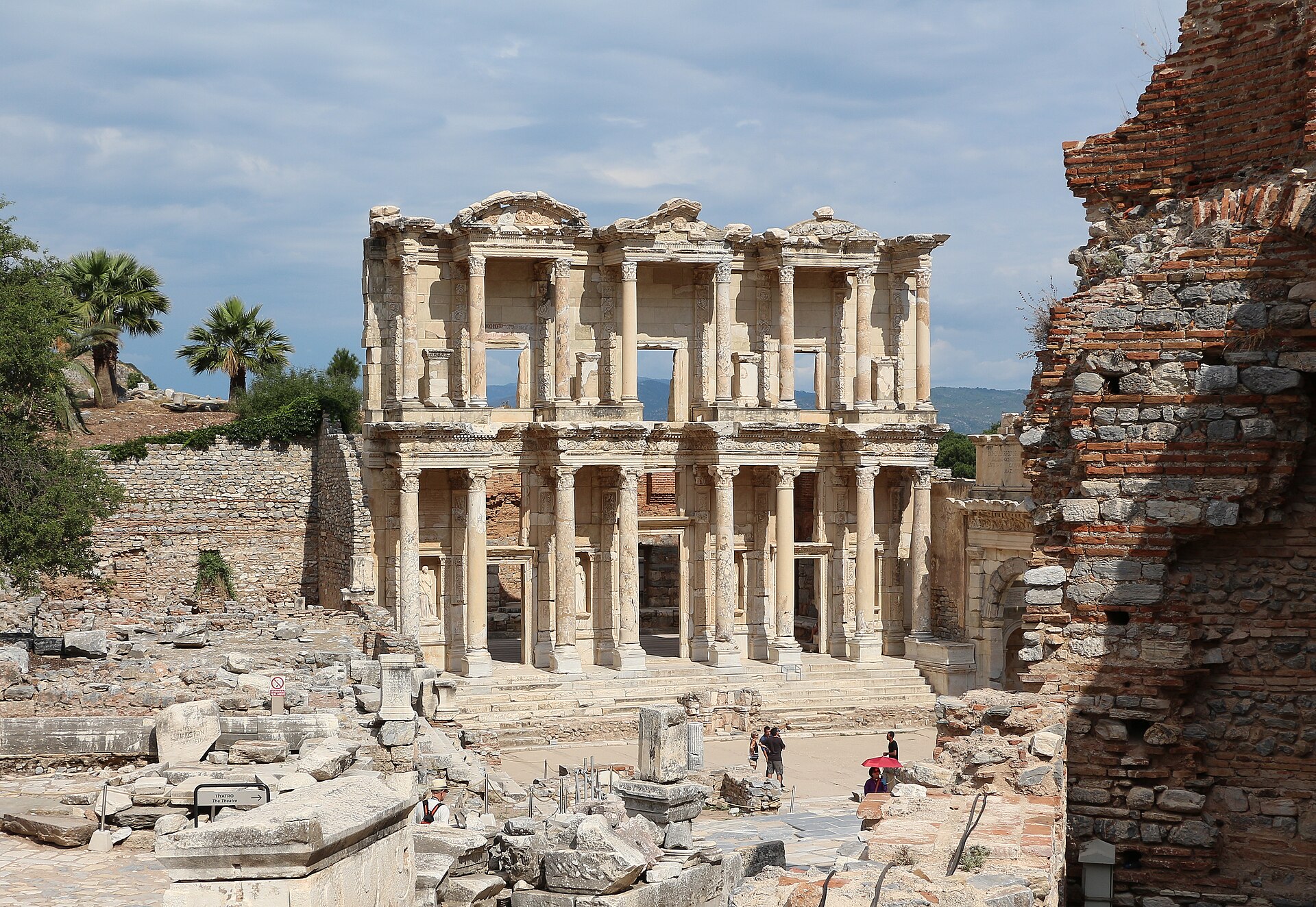
Around Ephesus there is more than a single port day can hold, and the choice is really about how much you want to add to the main site.
- The House of the Virgin Mary, a small chapel on the wooded hillside above the Upper Gate, venerated as the place where Mary spent her last years. Most combined tours include it; on busy days expect a queue.
- Selçuk, the market town just beyond Ephesus, with the Basilica of St John, the Ephesus Museum and the single standing column of the Temple of Artemis, one of the Seven Wonders of the ancient world.
- Şirince, a hill village of old stone houses known for its fruit wines. Pleasant, busy and a good lunch stop if you have hired a driver for the day.
- Kusadasi itself. Pigeon Island and its fortress are at the end of a causeway a short walk from the port, and the old bazaar lanes behind the waterfront are worth an hour if you are back early.
Our view is that Kusadasi is the one Turkish port where going independently makes complete sense, because the distance is short and the route is simple. The honest caveat is the one that applies everywhere: if you are on the ship’s tour and the coach is late, the ship waits, and if you are on your own and late, it does not. At Kusadasi the risk is small enough that we would take it with a pre-booked driver or small-group guide and a clear agreement about when you need to be back. Our shore excursions guide compares ship’s tours, private guides and going it alone across the Mediterranean, and it works through the Ephesus decision in more detail.
Two deeper guides are on the way: Kusadasi Cruise Port: Ege Port, the Bazaar and Your Ephesus Options, covering the port and the town, and Kusadasi Cruise Port to Ephesus: Every Way to Get There, covering taxis, dolmuş minibuses, the gate choice and timing.
Istanbul from Galataport: the port that is also the city
Istanbul is the one port on this page that is a destination in its own right rather than a gateway to one. Ships berth at Galataport, in Karaköy on the European side of the Bosphorus, where the operator bills its terminal as the world’s first underground cruise terminal. What that means in practice is that the quay is a public waterfront promenade lined with cafes and shops, the Istanbul Modern art museum is next door, and the passenger halls, including Turkish passport control, are below your feet. You come up the escalator and you are in the city.
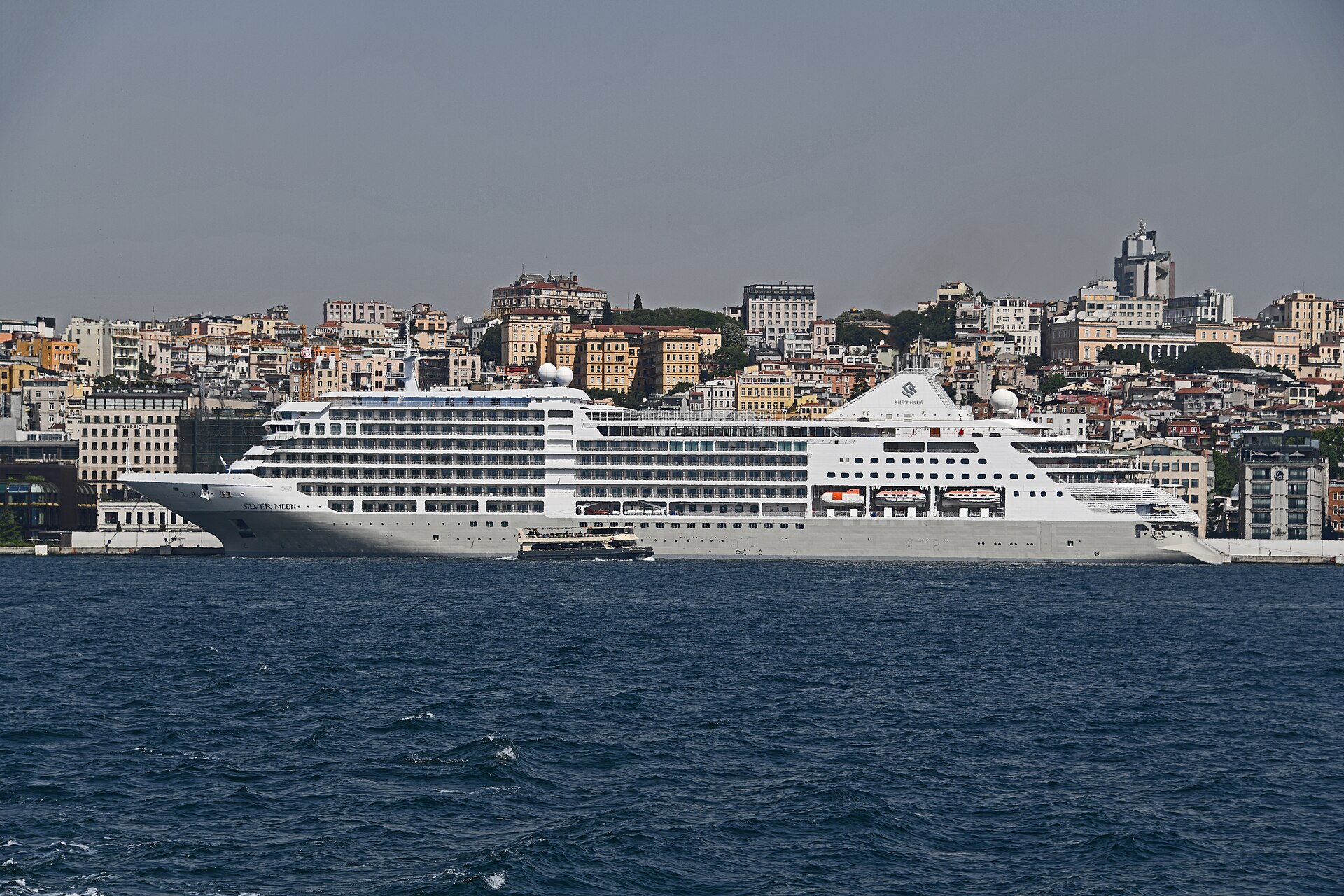
The geography is simple once you see it. Galataport is on the north side of the Golden Horn. The old city, with Hagia Sophia, the Blue Mosque and Topkapı Palace, is on the south side, across the Galata Bridge. The T1 tram links the two: board at Tophane or Fındıklı, cross the bridge, and Sultanahmet is the fifth stop from Tophane. Eminönü, at the far end of the bridge, is where you find the Spice Bazaar and the public ferries up the Bosphorus. The Grand Bazaar is two tram stops beyond Sultanahmet, at Beyazıt-Kapalıçarşı.
What to see depends on the day of the week more than most visitors expect.
- Hagia Sophia has been a working mosque again since 2020. Since January 2024, foreign visitors have paid an entry fee set in euros and followed a separate route through the upper galleries, while worshippers use the ground floor. The fee has changed since it was introduced, so check it on the day rather than trusting an old figure.
- The Blue Mosque (Sultan Ahmed Mosque) is free, but it closes to visitors during the five daily prayers, and for longer at Friday midday prayers. Go early.
- Topkapı Palace, the Ottoman sultans’ palace and harem, is closed on Tuesdays.
- The Grand Bazaar is closed on Sundays and religious holidays. The Spice Bazaar at Eminönü is the easier, smaller alternative if you are short of time.
- The Basilica Cistern, the Byzantine underground reservoir across the square from Hagia Sophia, is the best hour in Sultanahmet on a hot afternoon.
Mosque visits carry a dress code that is enforced at the door: shoulders and knees covered for everyone, a headscarf for women, and shoes off, carried in a bag. The major mosques lend coverings, but a light scarf in the day bag saves a queue. Our packing guide covers what to wear for mosques and churches on the same itinerary.
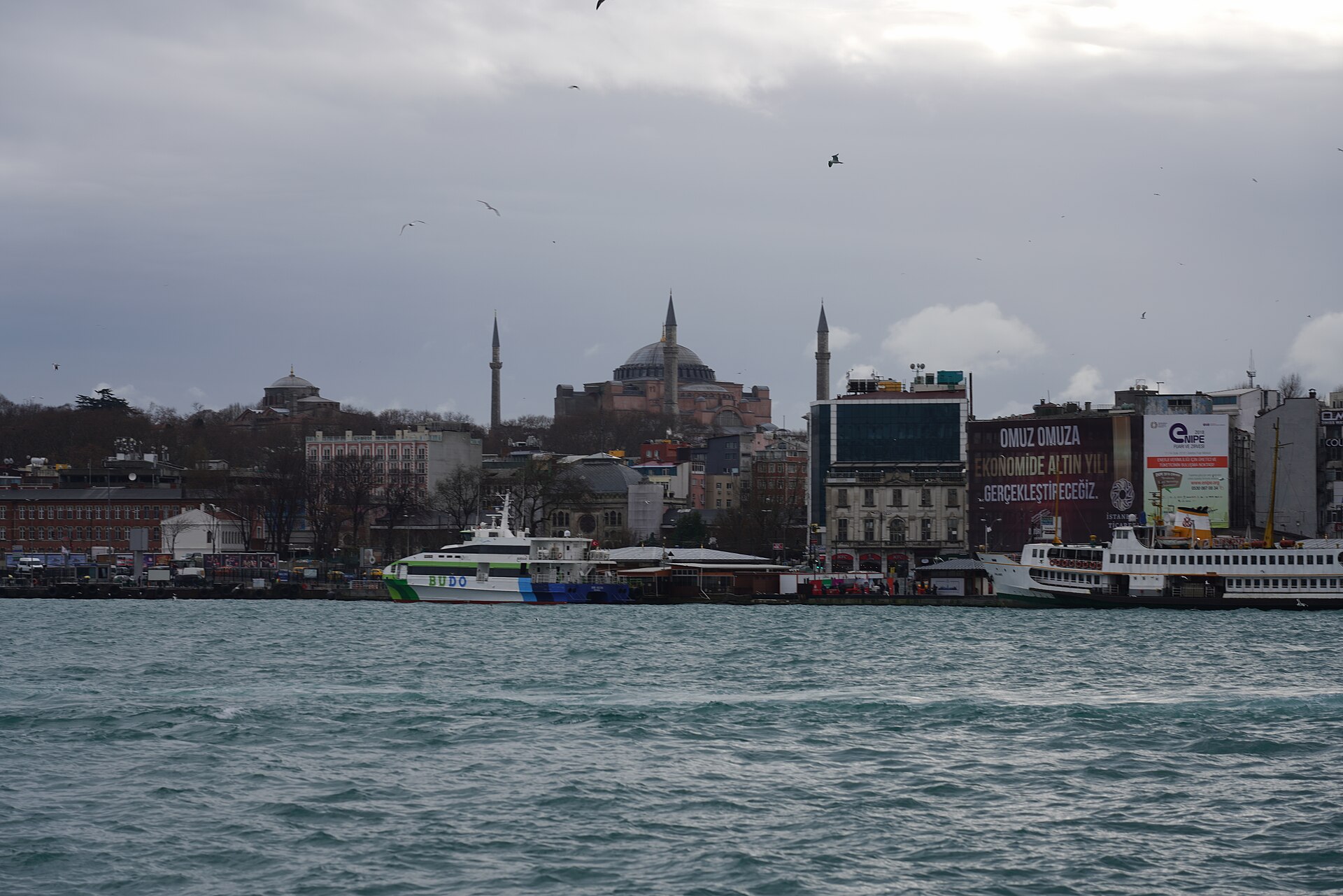
The single most valuable thing an itinerary can give you here is an overnight. A normal 08:00 to 17:00 call gets you Sultanahmet and one bazaar. An overnight gets you the Bosphorus by public ferry in the evening light, dinner in Karaköy or Kadıköy, and a second morning for Topkapı or the Chora. When you are comparing two Eastern Mediterranean itineraries that both list Istanbul, compare the hours there before you compare anything else.
Istanbul is also a homeport, meaning a port where cruises start and finish, for Norwegian and Princess among others. If yours starts there, the practical problems are different: Istanbul Airport is about 45 km (28 miles) from Galataport with no direct rail link, so allow 45 to 60 minutes or more by taxi. Our embarkation ports guide covers the turnaround-day logistics for Istanbul alongside Athens, Rome and Barcelona. The sightseeing day gets its own guides: Istanbul in One Day From a Cruise Ship, and Galataport to the Blue Mosque, Hagia Sophia and the Grand Bazaar, which covers the tram-versus-walking choice stop by stop.
Bodrum, Izmir and the smaller Turkish calls
Bodrum: a walkable harbour and a crusader castle
Bodrum is the relaxed Turkish call. Ships dock at the Bodrum Cruise Port, operated by Global Ports Holding, and the town unfolds along the waterfront from there. Bodrum Castle, the Castle of St Peter built by the Knights Hospitaller in the fifteenth century, stands on the headland between the town’s two bays about 1.5 km (just under a mile) away, a flat walk that sources put at anywhere from 10 to 20 minutes depending on how often you stop. Inside is the Museum of Underwater Archaeology, with shipwrecks and cargoes recovered from the seabed off this coast, and it is one of the more genuinely interesting small museums in the Mediterranean.
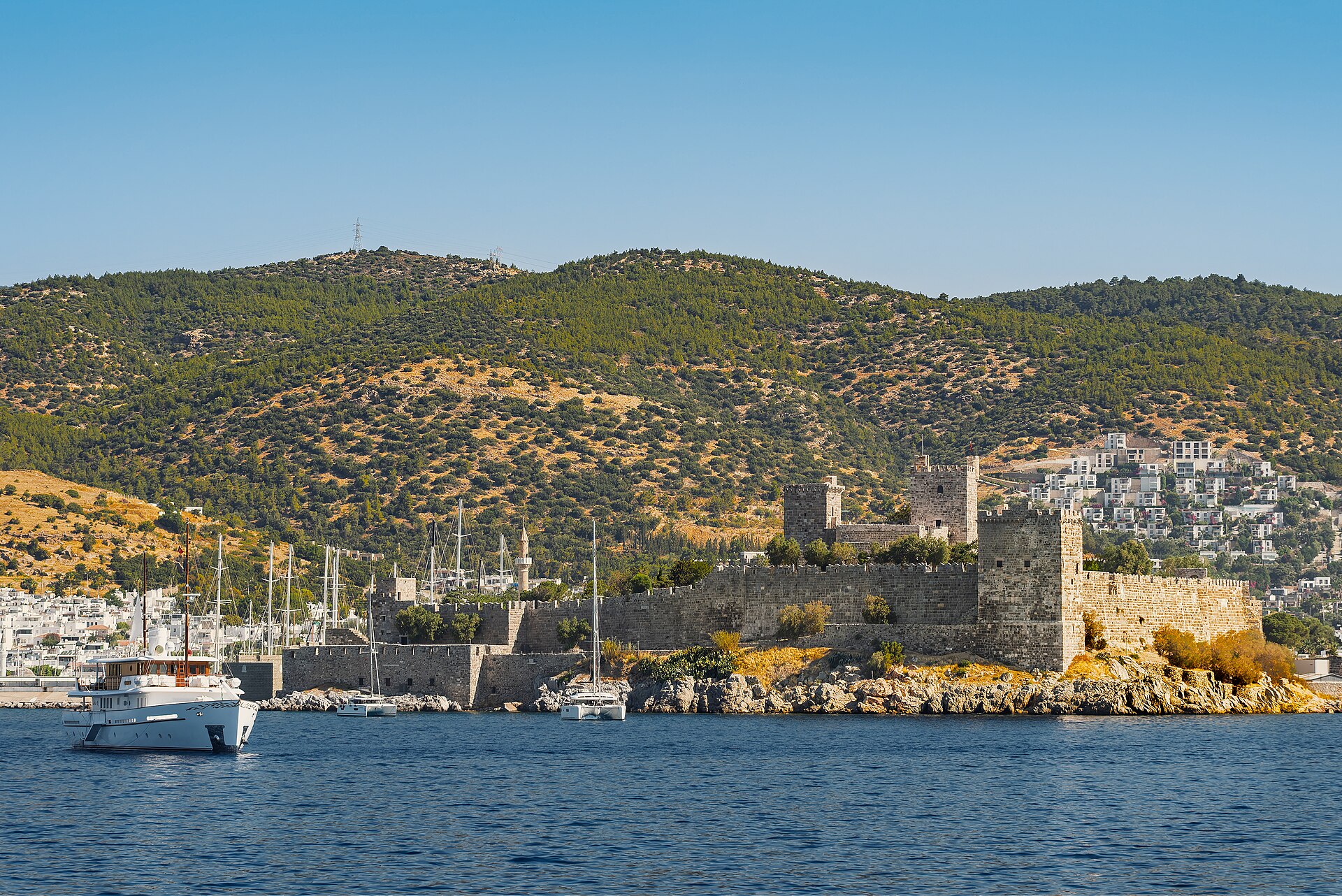
Beyond the castle, Bodrum is the ancient Halicarnassus, and the site of the Mausoleum, another of the Seven Wonders, is a short walk inland, though very little of it survives above ground. The rest of the day is marina, whitewashed lanes, a covered bazaar and, if you want it, a beach on the peninsula by taxi. There is no need for a ship’s tour in Bodrum unless you want the beach transfer organised for you. Our full Bodrum Cruise Port guide is in preparation.
Izmir: a real city, and a long way from Ephesus
Izmir is Turkey’s third-largest city, and ships dock at its Alsancak port in the middle of it. That makes it a very different call from Kusadasi. The city day is good: the Kordon, a long waterfront promenade, runs from the port area towards Konak Square and its Ottoman clock tower, built in 1901; behind Konak is Kemeraltı, a sprawling bazaar district that is far more local than anything in Kusadasi; and the Agora of Smyrna is a short walk further on. None of this is published with precise distances from the berth, so we will not invent one; allow a taxi or a long walk along the water.
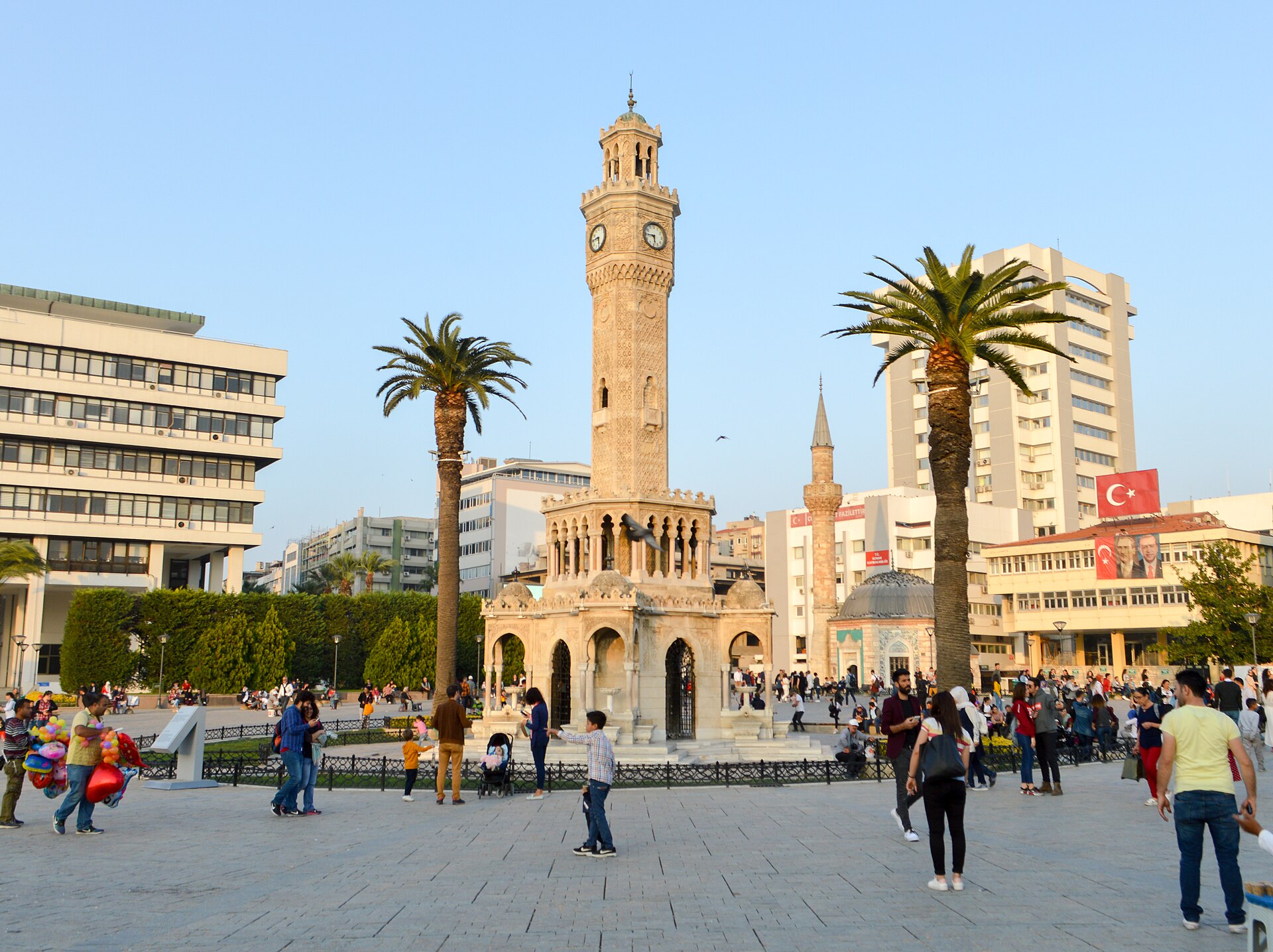
The catch is Ephesus. Lines sell it from Izmir, and it is about 80 km (50 miles) away, an hour or more each way even in good traffic. That is a very different proposition from 11 miles from Kusadasi. Our Izmir Cruise Port guide will work through both days properly; the short version is below.
Kusadasi or Izmir for Ephesus?
| From Kusadasi | From Izmir | |
|---|---|---|
| Distance to Ephesus | 11 mi (18 km) | About 50 mi (80 km) |
| Road time each way | 20–25 minutes | About an hour, more in city traffic |
| Transfer time on a 9-hour call | Under an hour, round trip | Two to two and a half hours, round trip |
| Realistic time at the site | Three to four hours, with room for the Terrace Houses and Selçuk | Two to three hours, and usually no Terrace Houses |
| Going independently | Straightforward with an agreed taxi or a private guide | Possible with a pre-booked driver; the ship’s tour is the safer choice |
| Our verdict | The best Ephesus day on any itinerary | Do Ephesus from here only if Kusadasi is not on your cruise |
The occasional calls: Çanakkale, Dikili, Marmaris and Antalya
Smaller and premium ships use a handful of Turkish ports that the big ships rarely reach. Çanakkale, on the Dardanelles, is the base for Troy and the Gallipoli battlefields, which makes it a significant call for Australian and New Zealand passengers in particular. Dikili is the port for Pergamon, the hilltop Hellenistic city above modern Bergama. Marmaris and Antalya, on the south coast, appear on some longer or repositioning itineraries. We have not verified berth, distance or transport details for these four yet and will not publish any until we have; if one is on your itinerary, the line’s port information is the place to start.
Where do cruise ships dock in Cyprus?
Cruise ships dock in Cyprus at Limassol, at a dedicated cruise terminal run by DP World about 3 to 4 km (2 to 2.5 miles) west of the Old Port, which the operator puts at 15 minutes from the city centre by car. Larnaca, on the south-east coast, sees occasional calls.
Cyprus is the port that most brochures undersell. It is an EU member that uses the euro, English is widely spoken, cars drive on the left, and the plugs are British three-pin. It has also become the most common replacement when a line drops Haifa or Ashdod from an itinerary, because it is the nearest port with the facilities and the political stability to take a large ship at short notice. If your 2027 cruise was sold with an Israel call and now shows Limassol instead, this is why.
The terminal is a modern one, and its operator publishes the basics. Free Wi-Fi runs for the first 30 minutes. The Limassol Airport Express bus runs around the clock at €9 (about $10) for adults and €4 (about $4.50) for children up to 12, free under three, which matters only if your cruise starts or ends here. Metered taxis to Larnaca or Paphos airports cost around €60 (about $68) one way. For a port-of-call day, the question is simply how you get the 2 to 2.5 miles into town. The options, as of September 2026:
- Taxi, about 10 to 15 minutes to the Old Port. Fares are metered; the operator does not publish a typical figure, so ask before you set off.
- A line shuttle, when your line runs one, which typically drops near the Old Port marina or along the Molos seafront promenade.
- Public bus along the coast road. Routes and fares are published by the island’s bus operator, and the terminal’s own FAQ points you there rather than quoting a price.
- On foot, about 30 minutes along the coast road. It is flat but unlovely, and we would only do it on a cool day.
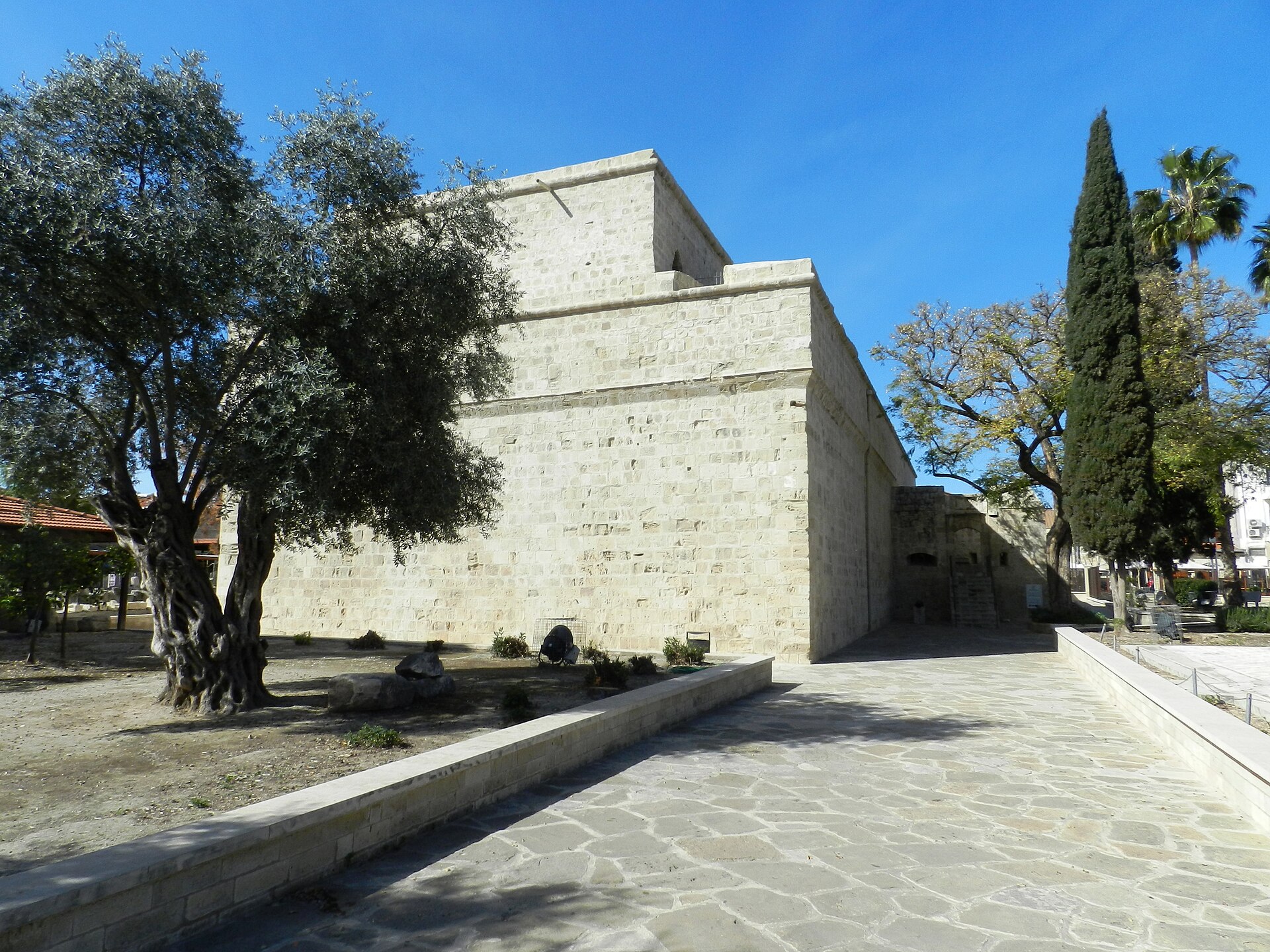
Once in town, Limassol is gentle. The castle, where tradition says Richard the Lionheart married Berengaria of Navarre in 1191, houses the Cyprus Medieval Museum; around it are the Old Town lanes, the restored Old Port marina and the long Molos promenade. The bigger sights are out of town and suit a tour or a taxi for the day: Kourion, a Greco-Roman city with a theatre on a cliff above the sea, west along the coast; Kolossi Castle, a crusader-era keep on the way; and the villages of the Troodos mountains inland. Paphos and its mosaics are further still and make a long day from a Limassol berth.
One political point is worth knowing before you go ashore. The island has been divided since 1974. The Republic of Cyprus, which runs both cruise ports, controls the south; the north is administered separately and recognised only by Turkey. Cruise calls are in the south, and nothing about a port day will take you across the line unless you arrange it yourself. Our Limassol Cruise Port guide, now in preparation, will cover transport prices and Kourion timings in detail.
Do cruises still go to Israel and Egypt?
Egypt, partly; Israel, not on the international lines. Alexandria was still being called in September 2026 by AROYA, Cordelia, TUI and P&O ships, but MSC, Royal Caribbean, Norwegian and Celebrity had suspended Egypt calls as of March 2026. International lines have suspended Haifa and Ashdod calls since October 2023.
The Israel suspensions began in October 2023 and have been rolled forward repeatedly since. Published port schedules for September 2026 show only one ship calling at Haifa: the Crown Iris, which sails for the Israeli domestic market. Read that as a local operation continuing, not a return of the international lines. Some 2027 itineraries on sale still list Haifa, and we would treat every one of them as provisional.
Egypt is more complicated because it is not one decision. MSC, Royal Caribbean, Norwegian and Celebrity suspended Egypt calls, with Port Said and Safaga named, in connection with Red Sea and Suez Canal security; MSC cancelled an April 2026 Grand Voyage over the Red Sea transit. Alexandria, which is on the Mediterranean coast well away from the canal, carried on: in September 2026 it was being called by AROYA’s Aroya Manara, Cordelia’s Cordelia Sky, TUI’s Mein Schiff 5 and P&O’s Aurora. So a German, British or Indian-market cruise may well take you to Egypt in 2027, and a mainstream American one probably will not.
Why do brochures still show ports that the ships are not visiting? Because itineraries go on sale 18 months or more ahead, and because the cruise contract lets the line substitute ports at its discretion. When it does, the usual replacements are Limassol, a Turkish port, a Greek island or a sea day. A port substitution is not normally something travel insurance pays out on, which is one more reason not to book for the sake of a single call.
If your itinerary lists Israel or Egypt, this is what we would do before paying a deposit.
- Check the specific sailing, not the itinerary family. Look up your exact departure date on the line’s own site, today, and see which ports it currently shows.
- Read your government’s current advice for each country: travel.state.gov’s country information pages for Americans, the FCDO for British travellers, Smartraveller for Australians.
- Price the cruise as if the call will be dropped. If the trip is still worth the money with Limassol or a sea day in its place, book it. If it is not, do not.
- Understand what insurance covers. A line’s port substitution is a change the contract allows, not a cancellation. Our travel documents guide covers the entry side; insurance has its own guide on this site.
- If the country is the point, go by land. Jerusalem or the pyramids deserve more than one day off a ship, and a land trip is the only reliable way to get them in 2027.
When international calls do resume, Haifa is the port for Jerusalem, about 150 km (93 miles) and two hours away, and for Nazareth and the Galilee; Ashdod, further south, is the shorter run to Jerusalem. Port Said, at the Mediterranean end of the Suez Canal, is about 220 km (137 miles) from Cairo. We are holding full guides to those three ports until the ships return, and we will publish them as dated status pages rather than as normal port guides.
Alexandria: what a cruise day in Egypt really involves
Ships dock in Alexandria’s Western Harbour at the passenger terminal, a 10 to 15 minute walk from the berth to the port gate. Central Alexandria is about 1.5 to 2 km away, a mile or so. That much is easy. The difficulty is that most people who book a cruise with an Alexandria call want the pyramids, and the pyramids are at Giza, on the far side of Cairo, about 220 km (137 miles) away.
On a map that is a two-and-a-half-hour drive. In practice excursion operators allow three to three and a half hours each way, and the complete day runs 11 to 13 hours. That is longer than a standard port call, which is why a Cairo tour on an ordinary 08:00 to 17:00 stop is a poor bargain, and why the lines that do this well schedule long calls or overnights. The worked timeline in the next section shows exactly how little time at Giza a normal call leaves.
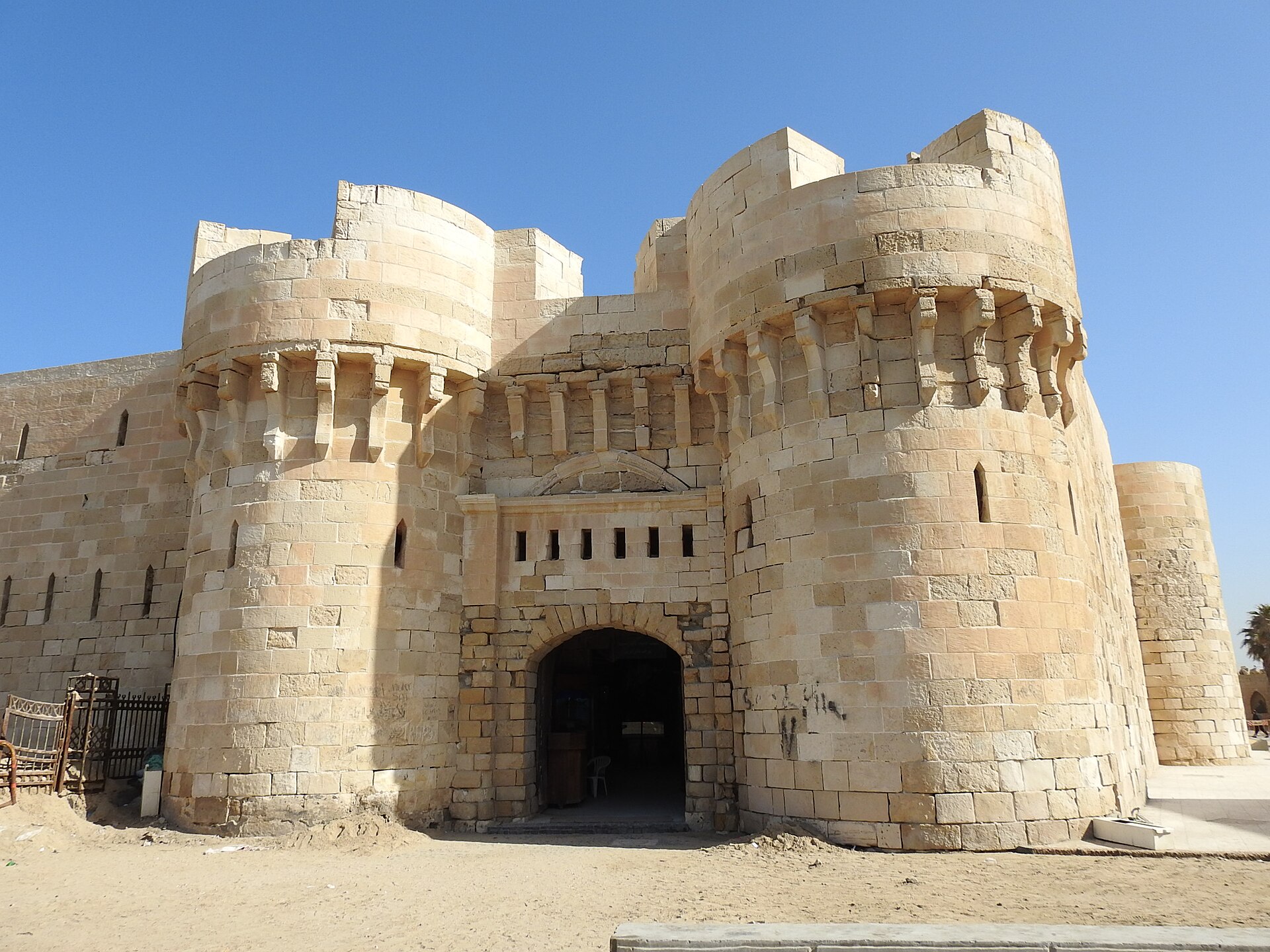
The alternative is to see Alexandria, which is a better port day than its reputation suggests. The Citadel of Qaitbay stands at the tip of the Eastern Harbour on the site of the Pharos, the lighthouse that was one of the Seven Wonders. The Corniche curves along the seafront for miles. The Bibliotheca Alexandrina, the modern successor to the ancient library, opened in 2002 and is architecturally extraordinary. The Catacombs of Kom el Shoqafa and Pompey’s Pillar show the Greco-Roman city that most of the brochures skip. A half-day of Alexandria and a relaxed lunch by the water is a real day; a day spent mostly on a coach to Giza may not be.
Whatever you choose in Egypt, we would take the ship’s tour or a well-reviewed private operator booked in advance, rather than negotiating at the gate. Two deeper guides are planned: Alexandria Cruise Port, for the port and the city, and Alexandria Cruise Port to the Pyramids and Cairo, for the long day.
All-aboard math: Istanbul and the pyramids
All aboard is the time by which every passenger must be back on the ship, usually 30 minutes before the published departure. Miss it on a ship’s tour and the ship waits, or the line gets you to the next port. Miss it on your own and the ship sails. Every port day is therefore a subtraction problem, and here are the two that matter most in this region, worked backwards from the gangway.
Istanbul on an 08:00–17:00 call, by tram
| Time | What is happening | Cumulative |
|---|---|---|
| 08:00 | Ship alongside at Galataport. The gangway rarely opens on the dot | — |
| 08:20 | Off the ship and through Turkish passport control in the underground terminal. Allow longer when several ships are in | 20 min |
| 08:35 | Up to the promenade and a few minutes’ walk to the Tophane stop on the T1 tram | 35 min |
| 08:45 | Tram west across the Galata Bridge. Sultanahmet is the fifth stop | 45 min |
| 09:10 | Sultanahmet. Blue Mosque first, before the prayer-time closures start to bite | 1 h 10 |
| 09:10–13:30 | Actual sightseeing: about 4 hours 20 minutes. Enough for the Blue Mosque, Hagia Sophia and either Topkapı or the Basilica Cistern, with a quick lunch. Not enough for all of those and a bazaar | — |
| 13:30 | Two stops west to the Grand Bazaar, or three stops east to Eminönü and the Spice Bazaar | — |
| 14:30 | Latest safe departure from the Grand Bazaar. From the Spice Bazaar you can leave at 14:45 | — |
| 15:15 | Tophane, then the walk back into Galataport and passport control | — |
| 15:45 | Back aboard, 45 minutes before all aboard at 16:30 | — |
The reason for a 45-minute buffer here, rather than the 20 minutes that is enough in a walk-off port like Split, is the return passport control. Turkish border control runs in both directions, and when three ships sail within an hour of each other the queue at the terminal is the one delay you cannot plan around. The tram does not sit in traffic, which is its great advantage over a taxi on the same route.
The pyramids from Alexandria on a 07:00–19:00 call
| Time | What is happening | Cumulative |
|---|---|---|
| 07:00 | Ship alongside in the Western Harbour | — |
| 07:30 | Tour coaches leave the quay. This is the lightest traffic of the day | 30 min |
| 10:45 | Arrive at Giza after three to three and a half hours on the road, including a rest stop | 3 h 45 |
| 10:45–13:30 | Time at the pyramids and the Sphinx: about 2 hours 45 minutes, including the panorama point and the photograph queues | — |
| 13:30 | Lunch, usually built into the tour | — |
| 14:15 | Latest safe departure from Giza | — |
| 17:30–18:00 | Back at the port after another three to three and a half hours | — |
| 18:30 | All aboard | — |
Run the same arithmetic on an 08:00 to 17:00 call and you reach Giza at about 11:45 and have to leave by 13:00: barely an hour and a quarter at one of the great sights of the world, for six and a half hours on a coach. That is the trade the brochure does not show. Two rules fall out of it:
- Only do Cairo from a long call or an overnight, and only on the ship’s tour or a pre-booked operator with a return-to-ship guarantee. Independently, on a normal call, the risk is simply too high.
- On a short call, choose Alexandria. Qaitbay, the Corniche and the Bibliotheca Alexandrina fill a relaxed day with none of the risk.
For Ephesus from Kusadasi, the region’s other big excursion, the arithmetic is much kinder and is worked through hour by hour in our Eastern Mediterranean cruise guide: a 20-minute transfer leaves you three hours or more at the site even on a short call.
Do you need a visa for Turkey on a cruise?
Not with a US, Canadian, UK or Australian passport. US and Canadian citizens have been visa-free since 1 January 2024, UK citizens were already exempt, and Australians joined them by presidential decree on 17 April 2026, all for tourist stays of up to 90 days in any 180.
The Australian change is recent enough that plenty of cruise forums and even some line pages still say an e-Visa is needed. It is not. The Turkish consulate in Melbourne’s information note of 19 May 2026 confirms that ordinary Australian passport holders are exempt for tourist visits and transit for 90 days within any 180-day period, and asks that passports be valid for at least six months from arrival. That six-month standard is the one to hold yourself to whatever your nationality, because most cruise lines demand it anyway.
| Passport | Turkey | Cyprus | Egypt |
|---|---|---|---|
| United States | No visa since 1 January 2024, 90 days in 180 | No visa for a short stay | Check your line’s documents; landing arrangements for port-of-call passengers vary |
| Canada | No visa since 1 January 2024, 90 days in 180 | No visa for a short stay | As above |
| United Kingdom | No visa, 90 days in 180 | No visa for a short stay | As above |
| Australia | No visa since the 17 April 2026 decree, 90 days in 180; passport valid six months from arrival | No visa for a short stay | As above |
Three further points catch people out. First, a claim circulates widely that cruise passengers can land in Turkey visa-free for 72 hours at the port’s discretion. We could not verify it from any official Turkish source, and since the visa exemptions above already cover this site’s readers, you do not need it. Second, Turkey is outside Schengen, so a Turkish call is a Schengen exit and a later re-entry, recorded by the EU’s Entry/Exit System when you return to a Greek or Italian port. Third, Cyprus is the odd one out: it is in the EU but not in Schengen, so it does not operate the Entry/Exit System at all, but it is one of the 30 countries that will require an ETIAS travel authorisation once that launches in the last quarter of 2026, at €20 (about $23). The European Commission’s ETIAS pages are the authoritative source on timing.
Money, mosques, clocks and plugs east of Greece
The eastern ports change a surprising number of small practical things at once, and most of them are not in the pre-cruise documents.
- Currency. Turkey uses the lira, at 48.86 to the dollar on the European Central Bank’s 24 September 2026 reference rate. Cards are accepted almost everywhere in Istanbul and Kusadasi, but carry small lira notes for the tram, dolmuş minibuses, tips and bazaar stalls. Archaeological sites price foreign visitors in euros, which is why an Ephesus ticket looks the same in euros year after year while everything around it inflates. Cyprus uses the euro. Egypt uses the Egyptian pound; on a prepaid ship’s tour you will need very little of it.
- Bargaining. Expected in Turkish bazaars and at the Kusadasi carpet and leather shops that tours stop at; not expected in supermarkets, restaurants with printed menus or anywhere in Cyprus. A tour’s “demonstration” stop is a sales visit, and it is fine to watch and buy nothing.
- Mosque etiquette. Shoulders and knees covered, a headscarf for women, shoes off. Visitors are asked to leave during prayer times, and Friday midday prayers close mosques to visitors for longer. Photography is usually allowed, but not of people praying.
- Clocks. Turkey has stayed on UTC+3 all year since 2016. Through the main season that matches Greece and Cyprus; from the last Sunday in October to the last Sunday in March, Turkey is an hour ahead. Ships sometimes keep their own clock, so check whether the all-aboard time in the daily programme is ship’s time or local time. On a late-October cruise this is the classic way to arrive back at the quay an hour later than you thought.
- Plugs. Turkey and Egypt use the round two-pin C and F sockets of mainland Europe. Cyprus uses the British G. All run at 230V and 50Hz, against 120V and 60Hz in the US; cabins usually have both US and European sockets, and surge-protected power strips are banned by every major line.
- Driving side. Cyprus drives on the left, which matters to an American stepping off a curb: look right first.
- Heat. Ephesus and Giza are exposed stone sites with almost no shade. In July and August, be there at opening or not at all, and carry more water than feels reasonable.
Which of these ports are worth the day?
This is our opinion, not a ranking anyone can measure, and it assumes a typical daytime call of eight or nine hours.
| Port | Our verdict | Best use of the day | Independent or ship’s tour? |
|---|---|---|---|
| Istanbul | The best port in the eastern Mediterranean, and the most wasted on a short call | Sultanahmet by tram; the Bosphorus by public ferry if you overnight | Independent, easily |
| Kusadasi | The easiest great day in the region | Ephesus early, the Terrace Houses, back for the bazaar | Independent with an agreed taxi or guide, or a ship’s tour for peace of mind |
| Bodrum | A relaxed, pretty day with one very good museum | The castle and the waterfront on foot | Independent |
| Izmir | A good city day; a long Ephesus day | Konak, Kemeraltı and the Kordon; Ephesus only if Kusadasi is not on your cruise | City independently; Ephesus by ship’s tour |
| Limassol | Pleasant and low-key, better than its reputation | The Old Town and castle, or Kourion by tour | Independent in town; tour or taxi for Kourion |
| Alexandria | Two different days in one port | Alexandria itself on a short call; Giza only on a long call or overnight | Ship’s tour, or a pre-booked operator |
If we had to pick one itinerary shape for this region, it would be a Greek islands and Turkey week that includes an overnight in Istanbul and a daytime call at Kusadasi. That combination gives you the two best days on this page and none of the political uncertainty. The Greek half of that route is covered port by port in our Greek cruise ports guide, which also has the landing-fee table for the islands you will call at on the way.
Where this guide goes deeper
This page is the hub for Turkey, Cyprus and the Levant. Over the coming months we are publishing the detailed port guides that sit beneath it, and we will link each one here as it goes live.
- Turkey. Kusadasi Cruise Port: Ege Port, the Bazaar and Your Ephesus Options; Kusadasi Cruise Port to Ephesus: Every Way to Get There; Istanbul in One Day From a Cruise Ship; Galataport to the Blue Mosque, Hagia Sophia and the Grand Bazaar; the Bodrum Cruise Port guide; and the Izmir Cruise Port guide.
- Cyprus. The Limassol Cruise Port guide.
- Egypt. The Alexandria Cruise Port guide, and Alexandria Cruise Port to the Pyramids and Cairo.
Elsewhere on the site, the Mediterranean cruise planning guide sets this region in the context of the whole sea, and the travel documents guide covers passports, EES and ETIAS for every country on a typical Eastern Mediterranean route.
Eastern Mediterranean cruise port FAQs
Where do cruise ships dock in Istanbul?
At Galataport, in Karaköy on the European side of the Bosphorus. The terminal is underground beneath a public waterfront promenade, and the Tophane stop on the T1 tram is a few minutes’ walk away; Sultanahmet, for Hagia Sophia and the Blue Mosque, is five stops from there. Istanbul Airport is about 45 km (28 miles) away.
How far is Ephesus from the Kusadasi cruise port?
About 11 miles (18 km), or 20 to 25 minutes by road. That short transfer is why Kusadasi is the best port for Ephesus: even on a short call you get three hours or more at the site. From Izmir, the other port that sells Ephesus, it is about 50 miles (80 km) and an hour or more each way.
Can you walk into town from the Kusadasi and Bodrum cruise ports?
Yes, both. Kusadasi’s Ege Port is about 50 metres from the town centre and the bazaar. In Bodrum, the castle is about 1.5 km (just under a mile) along a flat waterfront from the cruise port, a 15 to 20 minute walk. Neither needs a ship’s tour unless you are heading out of town.
Can you see the pyramids on a cruise stop in Alexandria?
Yes, but it is a very long day. Giza is about 220 km (137 miles) from the port, and excursions allow three to three and a half hours each way, so the round trip runs 11 to 13 hours. On a normal 08:00 to 17:00 call that leaves little more than an hour at the pyramids. Book it only on a long call or an overnight, and only as a ship’s tour or with an operator that guarantees your return.
When will cruise ships go back to Haifa?
Nobody can say yet. International lines have suspended Haifa and Ashdod calls since October 2023 and have extended the suspensions repeatedly. Some 2027 itineraries on sale still list Haifa, but a line can substitute ports at its discretion, usually with Limassol, a Turkish port or a Greek island. Treat any Israel call as provisional until your ship is alongside.
Is Turkey safe for cruise passengers?
The cruise ports are among the most visited places in the country. Government advisories for Turkey concentrate on the south-eastern border regions, which no cruise goes near. Check the current advice from travel.state.gov, the FCDO or Smartraveller before you sail, and take normal big-city precautions in Istanbul.
Do I need Turkish lira on a cruise stop?
A little. Cards are accepted almost everywhere in Istanbul and the Aegean resort towns, but trams, minibuses, tips and small bazaar stalls are easier with cash. Withdraw a small amount from a bank ATM rather than changing money on the ship. Archaeological sites price foreign visitors in euros.
Do any eastern Mediterranean ports use tenders?
Rarely, in the ports on this page. Istanbul, Kusadasi, Izmir, Limassol and Alexandria are docked calls, and Bodrum normally docks too, though a ship may anchor and tender when the berths are taken. The tender ports on Eastern Mediterranean itineraries are mostly in the Greek islands, with Santorini the one that always tenders.
What should I wear to visit a mosque in Istanbul?
Clothes that cover your shoulders and knees, whoever you are, plus a headscarf for women; you remove your shoes at the entrance and carry them in a bag. The major mosques lend coverings, but bringing a light scarf and long trousers or a skirt saves time. Visits pause during prayer times, including a longer closure at Friday midday.
How we researched this guide
Port-call status comes from the lines’ own announcements and from published port schedules for September 2026, cross-checked against each other, and is dated at the top of the page. Entry rules come from the Turkish Ministry of Foreign Affairs, the US State Department and the European Commission. Terminal facilities and prices for Limassol come from the terminal operator, DP World Limassol. Distances and walking times come from port operators and published port guides; where sources disagree we give the range. Currency conversions use European Central Bank reference rates on 24 September 2026. We checked everything on this page between 11 and 24 September 2026.
We are an independent editorial site. We do not sell cruises, we are not paid by any line or port, and we have not sailed every itinerary described here. Where this page gives an opinion — that Kusadasi is the right port for Ephesus, that Istanbul needs an overnight, that Cairo is not worth a short call — it is labelled as ours. Where we could not verify a figure, such as Kusadasi’s taxi fares or berth details at the smaller Turkish ports, we have said so rather than guessing. Port status in this part of the Mediterranean is re-checked monthly; entry rules quarterly and on any official announcement.
Image credits
| Image | Photographer | Licence |
|---|---|---|
| Celebrity Equinox at Ege Port, Kusadasi | Roy Egloff | CC BY-SA 4.0, via Wikimedia Commons |
| The Library of Celsus, Ephesus | Bernard Gagnon | CC BY-SA 3.0, via Wikimedia Commons |
| Silver Moon at Galataport, Istanbul | Dosseman | CC BY-SA 4.0, via Wikimedia Commons |
| Hagia Sophia from the water, Istanbul | Ray Swi-hymn | CC BY-SA 2.0, via Wikimedia Commons |
| Bodrum Castle from the sea | Mustang Joe | CC0, via Wikimedia Commons |
| Konak Square clock tower, Izmir | Francisco Anzola | CC BY 2.0, via Wikimedia Commons |
| Limassol Castle, Cyprus | Viaggiamocela | CC BY-SA 4.0, via Wikimedia Commons |
| The Citadel of Qaitbay, Alexandria | Cecioka | CC BY-SA 4.0, via Wikimedia Commons |
Published 2 October 2026. Port status, fares and entry rules were checked in September 2026 and will change — verify anything you are about to pay for. Further reading: DP World Limassol’s cruise terminal FAQ.