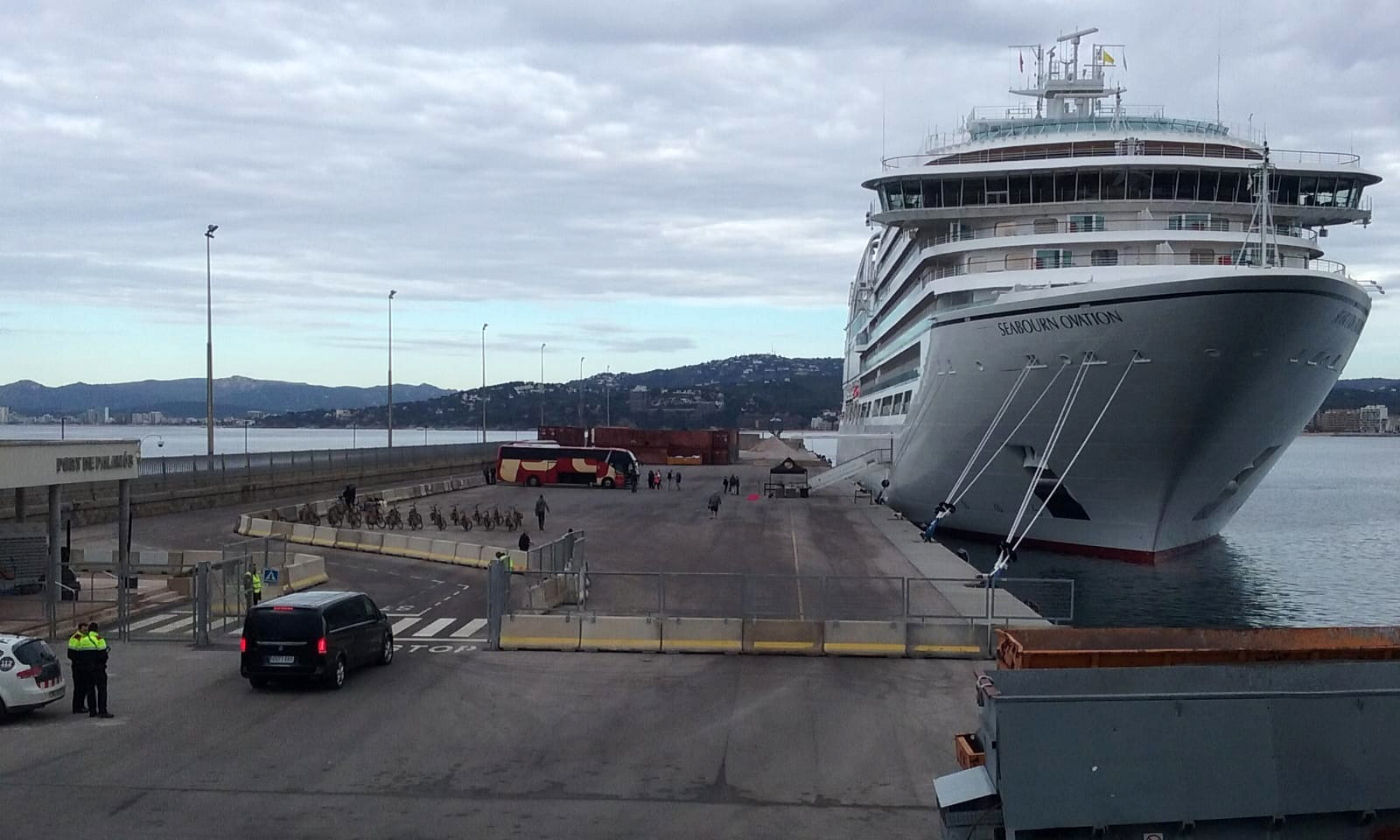
Twelve lines sell a luxury Mediterranean cruise, and they are not selling the same product. At one end, Regent Seven Seas puts unlimited shore excursions in every port inside the fare. At the other, a 452-guest Ritz-Carlton superyacht sells you the fact that it can tie up in Monaco at all. Expect roughly $700–$900 per person per night against about $220 on a mainstream ship — and the honest question is what that four-times multiple actually buys on a Mediterranean itinerary.
This page answers that. Every result on page one of Google for this search is a cruise line’s own destination page: eight brand sites and one tour operator selling charters. There is no independent comparison anywhere, which is why we have built one. We do not sell cruises, we take no commission, and where we rank a line below another we say why.
At a glance: the luxury Mediterranean market in 2026–27
| Typical fare | About $700–$900 per person per night on a true luxury line. Silversea’s sampled 11-day Rome–Barcelona voyage came out near $760 pp per night. A mainstream 7-night Western Med sailing sampled at about $222. |
| Ship size | Roughly 100 to 750 guests. Ritz-Carlton’s Luminara is the large end at up to 452; Four Seasons I has 95 suites. |
| What is always included | Suite accommodation, all dining venues, drinks, Wi-Fi and gratuities on Regent, Silversea, Seabourn, Explora and the yacht brands. |
| What is usually not | Shore excursions — except on Regent, which includes them without limit in every port. Also flights on most fares, and destination levies such as the Greek cruise passenger fee. |
| Season | April to November, with the yacht brands concentrating May–June and September–October when the Riviera and the Aegean are at their best. |
| The structural advantage | Ports big ships cannot use. Monaco takes premium and luxury vessels only, up to 250 m and 1,250 passengers. Venice bars ships of 25,000 GT or 180 m from the Giudecca Canal. |
| Adults-only? | No, with exceptions. Most luxury lines accept children but are not built for them; Viking and Virgin are the genuinely 18+ operators, and neither is a luxury line in the sense used here. |
| Booking window | Longer than mainstream. Suites on small ships in peak Riviera weeks go 12–18 months out, and there is far less late discounting. |
If you are earlier in the process than this, our complete Mediterranean cruise planning guide covers the region as a whole, and our comparison of the best Mediterranean cruise lines puts the mainstream and premium operators side by side with these.
What counts as a luxury Mediterranean cruise?
An all-suite or nearly all-suite ship under about 750 guests, with a high crew-to-guest ratio, where dining, drinks, Wi-Fi and gratuities are in the fare rather than added to it. That is the working definition the industry uses. Ships above that size, or that charge separately for drinks, are premium rather than luxury.
The boundary matters because it is where most of the money confusion lives. Three tiers sit above the mainstream lines, and marketing departments blur all three:
- Premium. Celebrity, Holland America, Princess. Bigger ships, better food and service than mainstream, but drinks, dining upgrades, Wi-Fi and gratuities are all extras. Not luxury.
- Premium-inclusive. Viking and Oceania. Viking’s sampled 8-day Barcelona–Rome voyage started from $2,599 and included one shore excursion in every port, port taxes, drinks with meals and Wi-Fi. That is genuinely inclusive, and Viking is adults-only at 18+, but the ships carry many more than 750 guests. We call this premium-inclusive and rate it excellent value — it is not the same product as Seabourn.
- Luxury. Regent, Silversea, Seabourn, Explora Journeys and the yacht brands. All-suite, small, drinks and gratuities included, and a fare that reflects it.
There is a fourth category that overlaps with luxury and confuses the search results further: small-ship and expedition operators such as Ponant, Scenic, Emerald, Windstar and the sail-assisted lines. Some of those ships are as expensive as Silversea; some are half the price. They belong in the comparison because they compete for the same traveller, and they are covered line by line below.
The 12 luxury Mediterranean cruise lines compared
Here is the field. Where a figure is published by the line itself we have used it and said so; where it is not, we have left the cell blank rather than fill it with an estimate. That is a deliberate choice and it is the reason this table looks less complete than a brochure.
| Line | Ship size | Drinks & gratuities | Excursions | Best for |
|---|---|---|---|---|
| Regent Seven Seas | Seven Seas Grandeur no more than 750 guests | Included | Unlimited, every port, included | Anyone who will actually use three excursions in a week |
| Silversea | Small, all-suite; fleet capacities not published on the pages we checked | Included | Not included as standard | Classic luxury and the widest Mediterranean itinerary choice |
| Seabourn | Quest, Ovation, Encore, Venture in the Med; counts not published | Included, gratuities included | Not included; signature events are | Marina days, watersports and small harbours |
| Explora Journeys | EXPLORA I–VI programme; capacity not published on the pages we checked | Included | Not included as standard | Contemporary design and a newer fleet |
| Ritz-Carlton Yacht Collection | Ilma 790 ft, 224 suites, up to 448; Luminara 794 ft, 226 suites, up to 452 | Included | Not included as standard | Hotel-brand service and late-night port stays |
| Four Seasons Yachts | Four Seasons I 95 suites; Four Seasons II 79 suites | Included | Not included as standard | The smallest guest counts and the largest suites at sea |
| SeaDream Yacht Club | Two small yachts | Included | Not included as standard | Riviera and Adriatic yachting, open-deck sleeping |
| Azamara | Four mid-small ships | Basic drinks and gratuities included | Not included; overnights are the selling point | Long port days and overnight stays |
| Windstar | Sail-assisted yachts plus Star-class motor yachts | Varies by fare | Not included | Small harbours at a lower price than the yacht brands |
| Ponant | Small French-flag ships, expedition and classic | Varies by fare | Some included on expedition fares | A French onboard culture and unusual calls |
| Scenic | Scenic Eclipse discovery yachts | Included | Largely included | Inclusive pricing with a genuine expedition kit list |
| Emerald | Small yachts | Varies by fare | Some included | The lowest entry price in the yacht category |
Two things to read carefully in that table. First, only Regent includes shore excursions without limit — its own unlimited shore excursions page states that they are complimentary in every port on every voyage. On a Mediterranean itinerary where a Rome or Florence tour can run $200–$400 per person, that is not a soft benefit; it is several thousand dollars a couple on a long sailing. Second, “included drinks” means something different on each line, and only Seabourn’s Mediterranean page explicitly lists premium spirits, wines, Wi-Fi and gratuities together.
Our ranking: which line for which traveller
This is an editorial judgement, not a survey of sailings we have taken, and we have not sailed all twelve. It is built on what each line publishes about its ships, its inclusions and its Mediterranean deployment, weighted for the things that actually differ on a Mediterranean itinerary: port access, time ashore, and what the fare covers when you get there.
- Regent Seven Seas — the one to beat on value. The unlimited excursion inclusion is the single most valuable thing any luxury line puts in a Mediterranean fare, because this is the region where excursions cost the most. Not for you if you prefer to explore independently, in which case you are paying for something you will not use.
- Seabourn — the best small-harbour operator. Four ships in the Med, an open watersports marina, and a pattern of calls at places a 5,000-guest ship never sees. Not for you if you want a big-ship range of restaurants and entertainment.
- Silversea — the widest choice. More Mediterranean itineraries than anyone else at this level, including the long Rome-to-Barcelona routings that take in both basins. Not for you if you are budgeting: the sampled fare is near the top of the range.
- Ritz-Carlton Yacht Collection — the best evenings. Luminara carries up to 452 guests across 226 suites with five restaurants and seven bars, and the line leans hard on late departures so you can eat ashore. Not for you if you associate “yacht” with a hundred passengers; these are substantial ships.
- Four Seasons Yachts — the smallest and the newest. Ninety-five suites on Four Seasons I and seventy-nine on Four Seasons II, with 33 new Mediterranean voyages announced for March to November 2027 across more than 40 new ports and 27 overnights. Not for you if price is a consideration at all.
- Explora Journeys — the design pick. A brand-new fleet with a European sensibility and an ambitious six-ship programme. Not for you if you want a long track record; the brand is young.
- Scenic — the most genuinely inclusive of the small ships. Discovery yachts with expedition equipment and a fare that swallows most of the extras. Not for you if you want the polish of a hotel brand.
- Azamara — the best time ashore per dollar. Overnights and late stays are the whole proposition, and on a port-intensive Mediterranean route that is worth more than an extra restaurant. Not for you if you want all-suite accommodation.
- Ponant — the most distinctive onboard culture. French-flag ships, French food, a French passenger mix, and calls other lines do not make. Not for you if you want an American-style service culture.
- SeaDream — the closest thing to a private yacht. Two small vessels working the Riviera and the Adriatic, informal, with open-deck sleeping. Not for you if you want a spa, a theatre or a choice of dining rooms.
- Windstar — the value entry to small-ship cruising. Sail-assisted yachts and small motor yachts reaching harbours the big lines skip, at prices below the yacht brands. Not for you if you expect all-inclusive; the fare structure varies.
- Emerald — the lowest entry price in the category. Small yachts running Adriatic and Greek routes. Not for you if you are comparing directly against Regent or Four Seasons; it is a different price point and a different product.
What is actually included in a luxury cruise fare?
On Regent, Silversea, Seabourn, Explora and the yacht brands: the suite, every restaurant, drinks including premium spirits and wines, Wi-Fi and gratuities. Only Regent adds unlimited shore excursions in every port. Flights, insurance, spa treatments, laundry on some lines, and destination levies such as the Greek cruise passenger fee are extra almost everywhere.
The gratuities point deserves its own paragraph, because it is worth real money. On mainstream lines, automatic gratuities run $17 to $22 per person per night in 2026 — on a 12-night Mediterranean sailing that is roughly $444 for a couple at Royal Caribbean’s rate before anyone tips a bartender. Oceania, Regent, Silversea, Seabourn and Explora all include them; Viking, for all its inclusions, adds $20 a night on US bookings. When you are comparing a $600-a-night luxury fare against a $300-a-night premium fare, that gap is smaller than it first looks.
What is almost never included, and catches luxury passengers exactly as it catches everyone else, is the destination levy. The Greek cruise passenger fee is charged per person per port call and billed to your onboard account if you go ashore: €20 at Santorini and Mykonos and €5 at other Greek ports from 1 June to 30 September, falling to €12 and €3 in April, May and October. Barcelona adds €11 per short-stay cruise passenger. Our breakdown of the true cost of a Mediterranean cruise sets out the full list of what lands on the onboard account.
How much does a luxury Mediterranean cruise cost?
Budget roughly $700 to $900 per person per night, or about $4,900 to $6,300 each for a week before flights. A sampled Silversea 11-day Rome–Barcelona voyage started near $8,400 per person, about $760 per night. The comparable mainstream figure on a sampled 7-night Barcelona sailing was about $222 per person per night.
Written as a week for two people, with flights excluded:
| Tier | Per person, per night | 7 nights, two people | What the fare covers |
|---|---|---|---|
| Mainstream inside cabin | about $222 (sampled, promotional) | about $3,100 | Cabin, main dining, basic entertainment. Drinks, Wi-Fi, gratuities and every excursion extra |
| Premium-inclusive (Viking) | from about $325 (sampled 8-day fare) | about $5,200 | One excursion per port, port taxes, drinks with meals, Wi-Fi |
| Luxury (Silversea, sampled) | about $760 | about $10,600 | Suite, all dining, drinks, Wi-Fi, gratuities. Excursions extra |
| Luxury with excursions (Regent) | Fare not sampled; positioned above Silversea | — | As above plus unlimited shore excursions in every port |
| Yacht brands (Ritz-Carlton, Four Seasons) | Fares not sampled; the top of the market | — | Suite with terrace, all dining, drinks, gratuities |
All of those are promotional “from” fares sampled in 2026 and they expire — we quote them as anchors, not as prices you can book today. Where we have not sampled a fare we have said so rather than invent one. Conversions from euro use the European Central Bank reference rate of €1 = $1.1592, dated 11 September 2026.
The honest arithmetic on the multiple: a couple moving from a mainstream inside cabin to a sampled luxury fare pays roughly $7,500 more for the same seven nights and the same ports. Part of that comes straight back as drinks, gratuities and Wi-Fi — call it $1,500 to $2,500 for a couple over a week. The rest buys space, service, a suite with a terrace, and access to harbours the big ship sails past. Whether that is worth $5,000 is a question only you can answer, and anyone who tells you it obviously is or obviously is not is selling something.
The Monaco test, and the other ports small ships unlock
The phrase every luxury brochure uses is “hidden harbours larger ships cannot reach”. It is true, but it is almost never made specific. Here it is made specific, using published port rules rather than marketing copy.
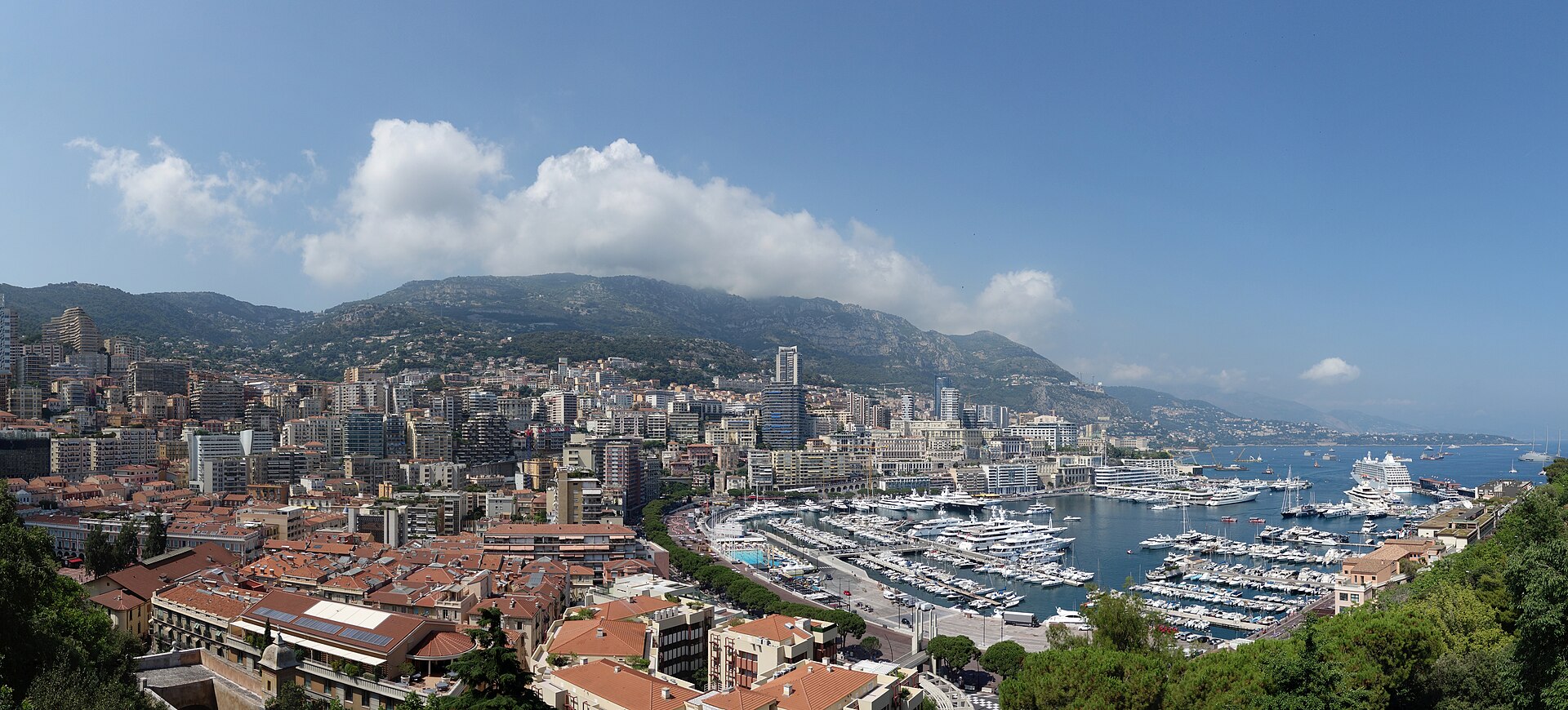
Monaco is the cleanest example. The port accepts premium and luxury vessels only, to a maximum of 250 metres and 1,250 passengers. Ritz-Carlton’s Luminara, at 794 feet or 242 metres and up to 452 guests, is inside both limits. A modern mainstream ship — Royal Caribbean’s Legend of the Seas is 248,663 gross tons and 5,610 guests at double occupancy — is not, by a wide margin. If berthing in Monaco rather than tendering from Villefranche matters to you, that single rule decides your shortlist.
The pattern repeats across the region:
- Venice. Ships of 25,000 gross tons or more, or over 180 metres, have been barred from the Giudecca Canal since 1 August 2021. Large ships use Marghera or Fusina and the itineraries substitute Ravenna and Trieste. Small luxury ships are under the threshold.
- Santorini. Every ship tenders, because the caldera has no berth. A 450-guest yacht clears its tender operation in a fraction of the time a 5,000-guest ship needs, and the island’s hard cap of 8,000 cruise passengers a day is allocated by a ranked berth system that favours nobody by size — but small ships fit into the gaps.
- Dubrovnik. The 2026 berthing regulations cap simultaneous visitors, with a long-standing agreement limiting two ships a day and 5,000 passengers. Sources differ on the exact ceiling, so treat 4,000 to 8,000 as the reported range rather than a single figure.
- Palma. A CLIA memorandum caps arrivals at three ships a day, and the June-to-September passenger cap falls from 8,500 to 7,500 for 2027–2029.
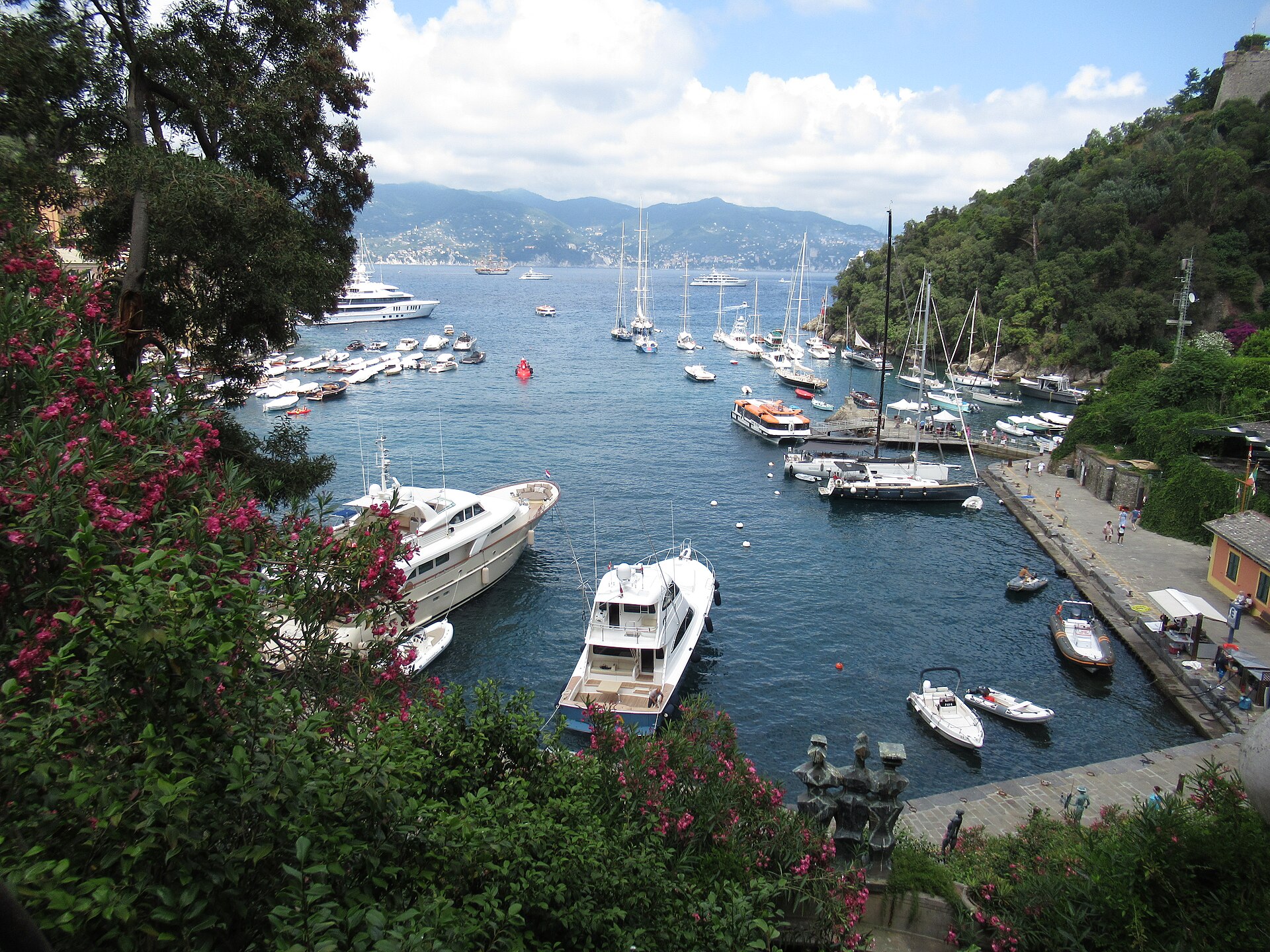
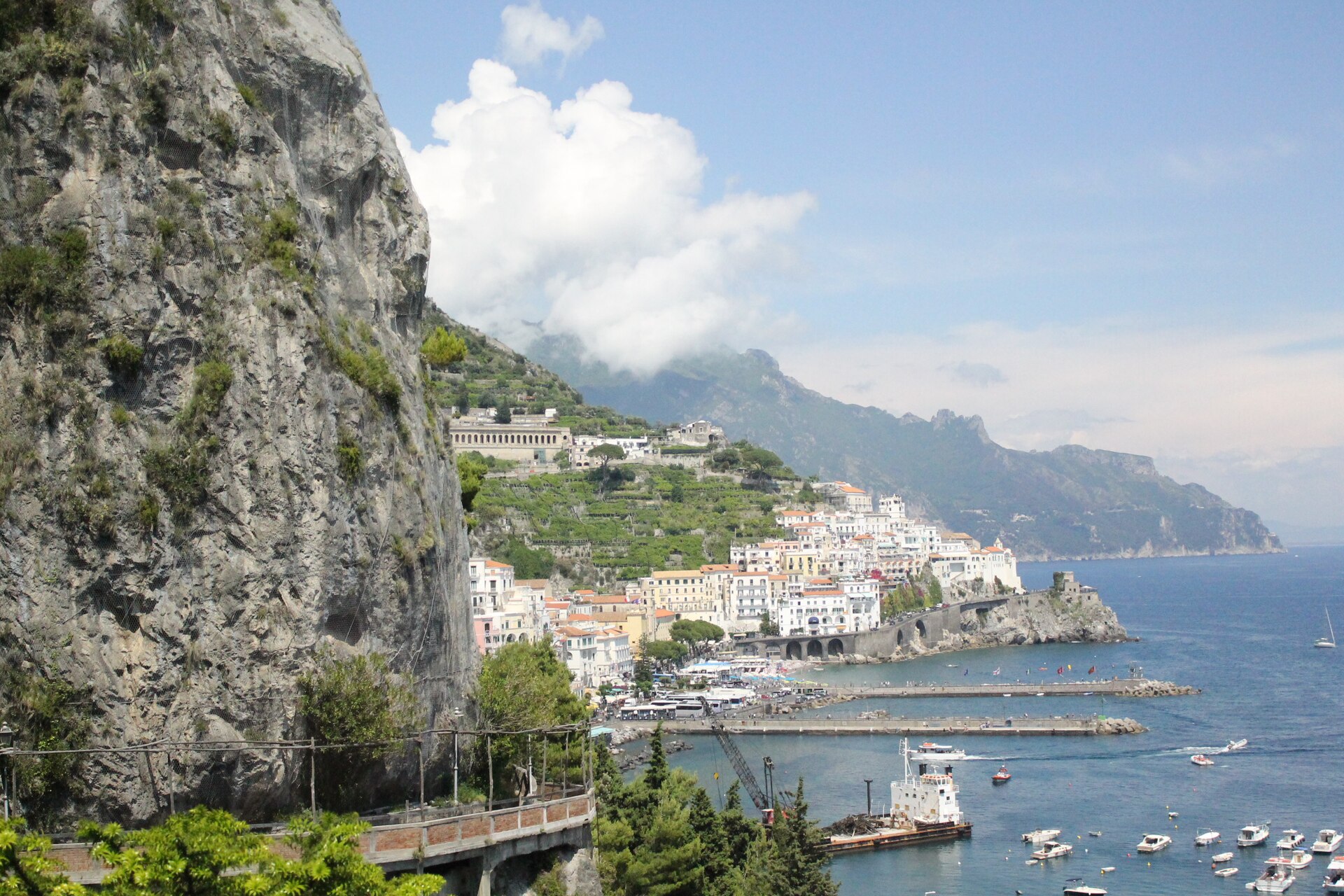
- The tender ports. Portofino, Amalfi, Capri, Sorrento, Bonifacio, Calvi and Saint-Tropez are tender calls for anything large. Several are within a small yacht’s reach as a berthed or short-tender call.
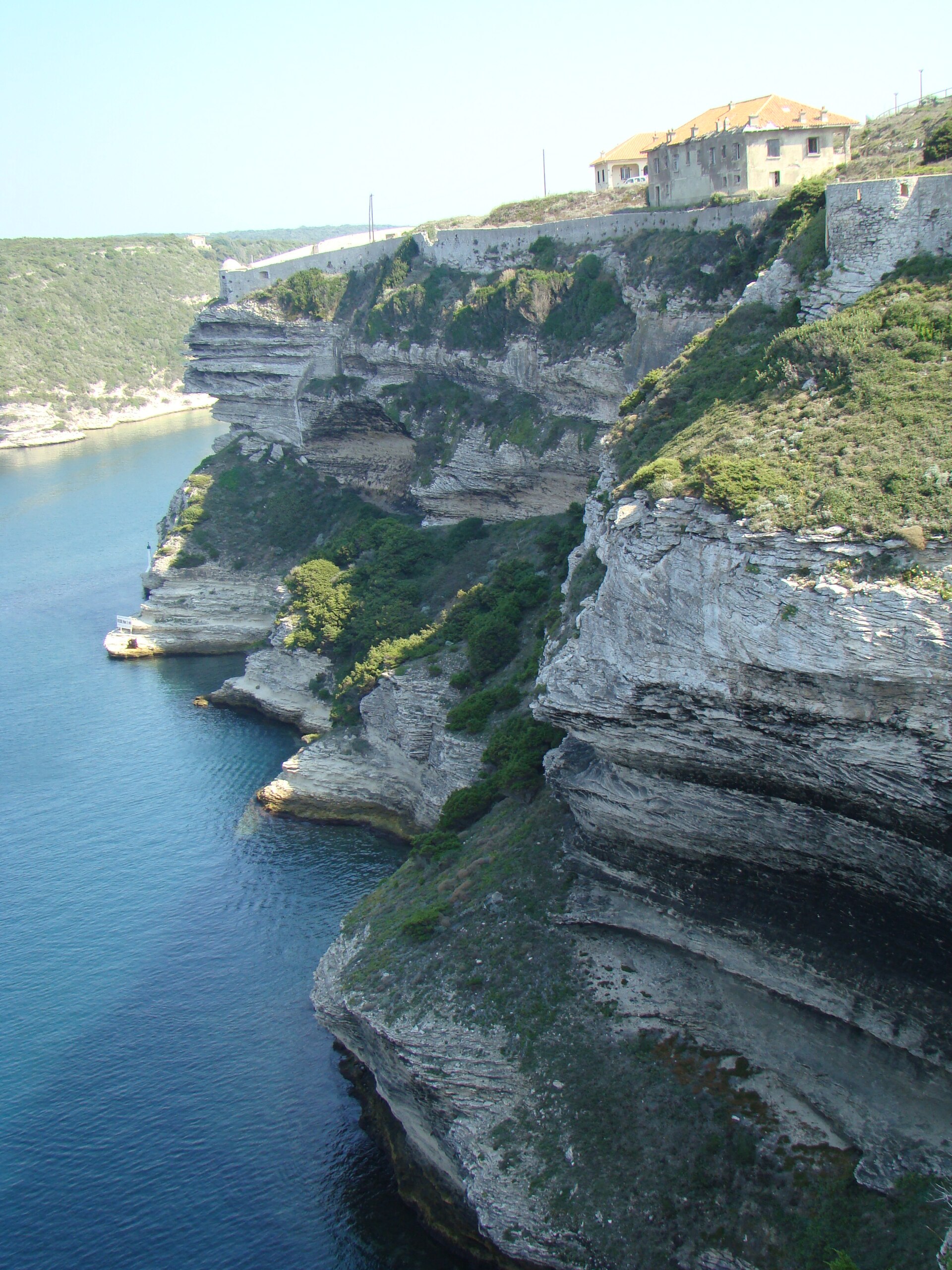
None of this is a reason on its own to pay four times the fare. It is a reason to check your specific itinerary against the ship you are being sold, because two lines can list the same port and mean two entirely different days. Our Italy cruise ports guide and our Western Mediterranean route guide give the dock-or-tender status for each call.
Which Mediterranean itineraries do luxury lines actually sail?
The same four route families as everyone else — Western Med, Eastern Med and Greek islands, the Adriatic, and long two-basin repositionings — but sailed at a different rhythm. Expect longer voyages, fewer sea days relative to length, more overnight calls, and small harbours slotted between the headline ports rather than instead of them.
The structural difference is time rather than geography. A mainstream 7-night Western Med itinerary is built around getting 4,000 people ashore and back before a 17:00 all aboard. A luxury itinerary of the same region typically runs 9 to 14 nights, calls at two or three ports no large ship uses, and stays late or overnight somewhere. Four Seasons’ 2027 Mediterranean programme illustrates the pattern precisely: 33 voyages between March and November, more than 40 new ports, and 27 overnight calls across them.
What that buys, concretely:
- Dinner ashore. An overnight in Dubrovnik, Taormina, Kotor or Bodrum means eating in the old town after the day-trippers have gone, which is a genuinely different experience of those places and one a same-day call cannot offer at any price.
- Two ports in a day. Small ships can do a morning call at one harbour and an afternoon at another on the same stretch of coast. A 250,000-ton ship spends that time manoeuvring.
- Islands rather than mainland proxies. Where a big ship calls at Livorno for Florence and Civitavecchia for Rome — both of them industrial ports an hour or more from the sight — a small ship can spend the day somewhere that is itself the destination.
- Less port-day compression. Our guide to Mediterranean cruise itineraries sets out how much of a nominal nine-hour call a big ship actually loses to disembarkation and transfer. Small ships lose much less of it.
The trade-off is choice. There are hundreds of mainstream Mediterranean departures a season and a few dozen at this level, concentrated in the best weather months. If you need a specific fortnight in August, the luxury field narrows fast — another reason the booking window runs longer.
Where a luxury ship genuinely beats a big ship — and where it does not
We think the case for a luxury Mediterranean cruise is strong in four places and weak in three, and being honest about the weak ones is more useful than another list of adjectives.
Where it wins:
- Getting off the ship. Disembarking 400 people takes minutes. Disembarking 5,000 through one gangway, or worse through a tender operation, can eat an hour of a nine-hour port day at each end. On a port-intensive itinerary that is the single biggest practical difference.
- The harbours themselves. Monaco, Bonifacio, Portofino, the smaller Greek islands and the Dalmatian ports that cannot take a large ship.
- Late departures and overnights. Eating ashore in Taormina or Dubrovnik rather than being back on board by 17:00 changes the trip. Azamara, Seabourn and the yacht brands build itineraries around this; mainstream ships rarely can.
- The all-in number being knowable. With drinks, Wi-Fi and gratuities in the fare, a luxury cruise bill holds few surprises. A mainstream cruise bill routinely lands 40–60% above the fare.
Where it does not:
- The ports themselves are identical. The Colosseum is the same Colosseum whichever ship brought you. If your trip is really about the sights, the fare multiple buys you comfort between them, not better sightseeing.
- Families. Most luxury ships accept children and few are built for them. A mainstream ship with a kids’ club is a better family holiday at a quarter of the price.
- Value against premium-inclusive. Viking’s sampled fare of $2,599 for eight days including an excursion in every port, port taxes, drinks with meals and Wi-Fi is hard to argue with. If the inclusion list is what you are buying, the premium-inclusive tier delivers most of it for far less.
Ships, suites and the numbers that are actually published
Luxury marketing runs on two numbers that are rarely both given: guest capacity and space ratio. Here is what the lines themselves publish, and what they do not.
| Ship | Published figures | Source |
|---|---|---|
| Seven Seas Grandeur (Regent) | No more than 750 guests | rssc.com |
| Ilma (Ritz-Carlton) | 790 ft; 224 suites; up to 448 guests; debuted September 2024 | ritzcarltonyachtcollection.com |
| Luminara (Ritz-Carlton) | 794 ft (242 m); 226 suites; up to 452 guests; five restaurants, seven bars | ritzcarltonyachtcollection.com |
| Four Seasons I | 95 suites and guest rooms | fourseasonsyachts.com |
| Four Seasons II | 79 suites, including 12 Yacht Residential Suites | fourseasonsyachts.com |
| Seabourn Mediterranean fleet | Quest, Ovation, Encore, Venture named; guest counts not published on the destination page | seabourn.com |
| Explora Journeys | EXPLORA I–VI named; capacity and tonnage not stated on the pages we checked | explorajourneys.com |
We could fill the blanks from third-party databases. We have not, because ship specifications change with refits and because this site’s rule is that a number carries a source and a date or it does not appear. If a guest count matters to your decision, ask the line directly or check the ship’s own page on the day you book — the Ritz-Carlton Luminara page and the Four Seasons I page are good examples of lines that publish properly.
Onboard: suites, dining and what service means at this price
Three things change materially once you cross from premium into luxury, and one thing that people expect to change does not.
The accommodation is a suite, and usually a real one. All-suite is the defining structural feature of the category: a separate sitting area, a walk-in wardrobe on the larger grades, a proper bathroom and a terrace rather than a balcony. Ritz-Carlton’s newest suite categories on Luminara run to around 1,000 square feet, and Four Seasons II sets aside twelve of its seventy-nine suites as Yacht Residential Suites. For context, a standard mainstream balcony cabin is typically under 200 square feet including the balcony.
Dining is complimentary everywhere, not just in the main restaurant. This is the difference people most consistently underestimate. On a mainstream ship the good restaurants carry a cover charge of $30 to $70 a head; over a week for two that is a meaningful line on the bill. Seabourn states that all its dining venues are complimentary and nearly all open-seating, and Luminara carries five restaurants and seven bars for at most 452 guests — a restaurant-to-passenger ratio no large ship approaches.
The crew ratio is the thing you actually feel. Luxury lines run close to one crew member per guest, against roughly one per three on a mainstream ship. It shows in small ways rather than dramatic ones: no queue at the gangway, a bar that knows your drink by day two, and a shore concierge who can rebook a tour when the ship’s arrival slips.
What does not change is the destination. Every line in this comparison calls at the same Acropolis, the same Colosseum, the same Diocletian’s Palace, under the same entry rules, the same timed tickets and the same summer heat. If you are weighing the upgrade, weigh it on the hours in the day and the harbours on the itinerary, not on a promise that the sightseeing will be better. Our guide to Mediterranean shore excursions covers what those days involve whichever ship you are on.
The 2027 Mediterranean season: what is new at the top end
Three things are worth knowing if you are booking for 2027 rather than sailing this season.
Four Seasons is expanding hard. The line has announced 33 new Mediterranean voyages running March to November 2027, taking in more than 40 new ports and including 27 overnight calls, with Four Seasons II entering service. For a brand with fewer than a hundred suites per ship, that is a substantial increase in available nights at the very top of the market.
Capacity constraints are tightening ashore, not at sea. Palma’s cap falls to 7,500 summer passengers a day for 2027–2029, Dubrovnik’s berthing regulations hold, and Santorini’s 8,000-a-day cap continues with ships counted at full capacity rather than at 80%. Small ships are structurally advantaged by all of this, which is part of why the luxury brands are ordering.
Barcelona’s terminal map is changing. Terminal G becomes operational in spring 2027 and the Moll Adossat goes from seven terminals to five by 2030, cutting simultaneous capacity from roughly 37,000 to 31,000. If you are embarking in Barcelona, check which terminal your ship uses before you book the transfer — our guide to Mediterranean embarkation ports carries the fixed airport taxi fare and the terminal detail.
Booking a luxury Mediterranean cruise: timing and what to ask
The booking behaviour at this end of the market is genuinely different from mainstream cruising, and the standard advice does not transfer.
- Book earlier. Suites on small ships in the best Riviera and Aegean weeks go 12 to 18 months out. There are only 79 suites on Four Seasons II; there is no back-up inventory.
- Do not wait for a late deal. Luxury lines discount far less aggressively than mainstream lines, and a discounted luxury fare more often signals a weak itinerary than a bargain.
- Compare the all-in number, not the fare. Add drinks, gratuities, Wi-Fi and three excursions to the mainstream quote before you compare it with a luxury quote. The gap narrows by thousands.
- Ask what the excursion policy actually is. “Included excursions” can mean one per port, a credit, or genuinely unlimited. Only Regent publishes the third of those.
- Ask which terminal and which berth. A luxury ship berthed in the centre of Valletta or Monaco is a different day from the same line tendering from a mile offshore.
- Check the air arrangement. Most luxury fares in this market are cruise-only. A transatlantic business-class fare can add more than the cruise-fare difference between two lines.
- Read the single supplement. It varies from nothing to 100% across this group, and on a $760-a-night fare that is the largest single variable in the quote.
One last piece of practical advice that applies whatever you book: the dress code at this end of the market is softer than people expect. Most luxury lines run “elegant casual” evenings with jackets optional and ties rare. Our guide to what to pack for a Mediterranean cruise covers the dress codes line by line, along with the church and mosque rules that apply the moment you step ashore.
Monaco is the clearest illustration of the small-ship advantage, and the numbers are contested: the Principality’s own ports authority describes a 352-metre sea wall hosting ships of up to 300 metres, while other sources report a stricter cap. Our guide to French Riviera cruise ports sets out both figures and what they mean at the quay.
Several of these lines are often described as adults-only when they are not: they accept children but run few or no programmes for them, so in term time many sailings carry none. Our guide to adults-only Mediterranean cruises sets out each line’s minimum age and the months with the fewest children aboard.
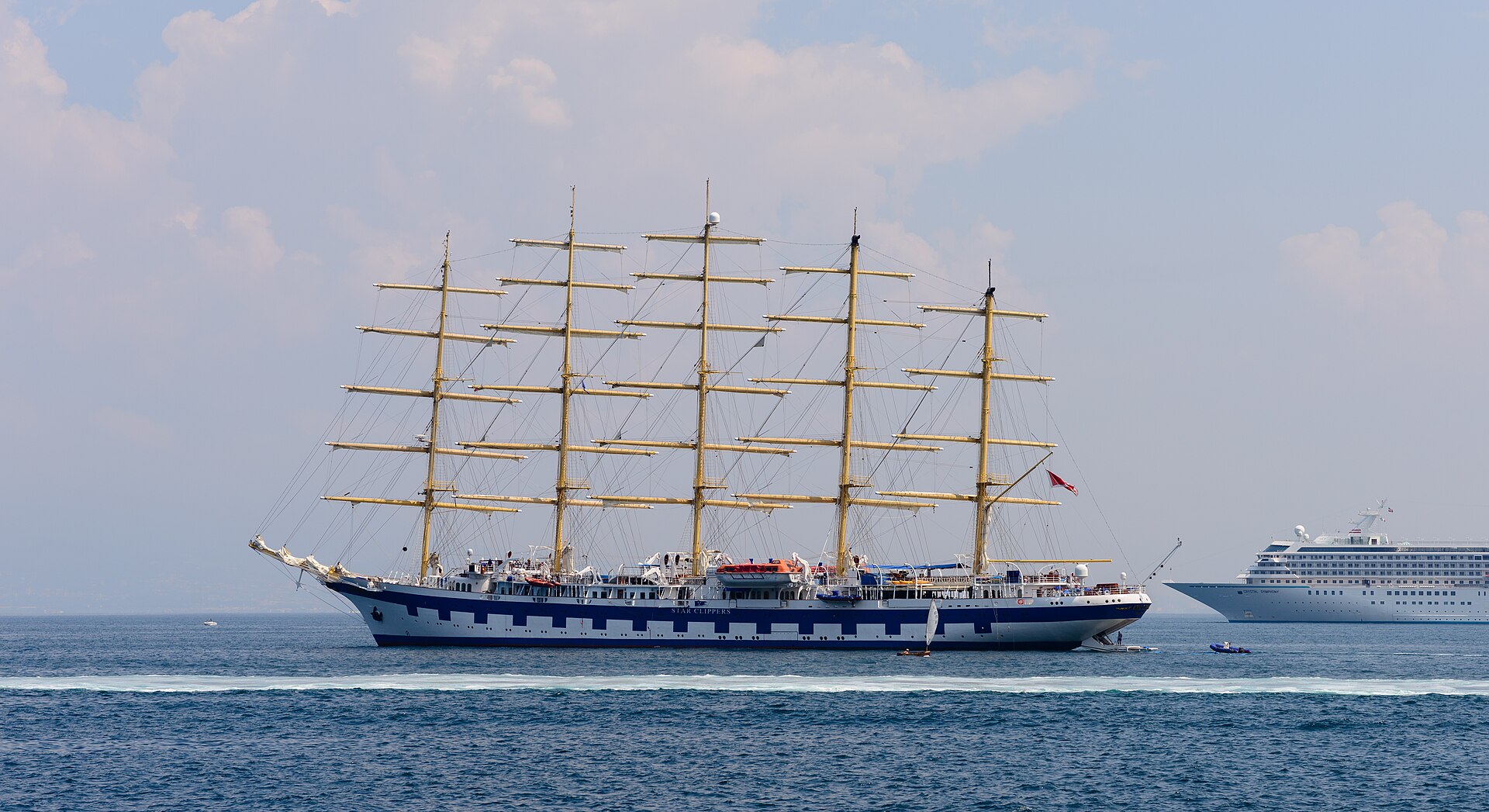
Sails are the one thing none of the yacht brands on this page offer. If a tall ship or a wooden gulet is what you are actually picturing, our guide to Mediterranean sailing cruises sets Star Clippers, Club Med 2, Sea Cloud and Windstar’s sailing yachts against Turkish gulets, Croatian small ships and private charter, with what each costs per night and how much real sailing you can expect.
If you are choosing between the two premium-inclusive lines rather than moving up to luxury, our Viking vs Oceania comparison sets their 2027 Mediterranean fares side by side on the routes both sail, with gratuities counted. For a one-week voyage Viking is usually the cheaper of the two; for longer voyages on Oceania’s small ships, Oceania usually is.
Where this guide goes deeper
This page is the hub for luxury and small-ship cruising in the Mediterranean. Over the coming weeks we are publishing the detailed guides that sit beneath it, and we will link each one here as it goes live.
- The category as a whole. Small-Ship Mediterranean Cruises: 20 Ships Under 700 Guests, Mediterranean Yacht Cruises: Ritz-Carlton, Four Seasons, SeaDream & Emerald Compared, and Expedition & Cultural Small-Ship Cruises in the Mediterranean.
- The classic luxury lines. Silversea Mediterranean Cruises: Ships, Itineraries & 2027 Fares, Regent Seven Seas Mediterranean Cruises: What ‘All-Inclusive’ Covers, Seabourn Mediterranean Cruises: Ships, Marina Days & Itineraries and Explora Journeys Mediterranean Cruises: Explora I–III Itineraries & What’s Included.
- The yacht brands and the small-ship specialists. Ritz-Carlton Yacht Collection Mediterranean Cruises: Evrima, Ilma & Luminara, Four Seasons Yachts Mediterranean Cruises: Four Seasons I & II, Windstar Mediterranean Cruises: Sailing Yachts vs Star-Class Ships, Ponant Mediterranean Cruises: French Luxury Expedition Ships, Scenic Mediterranean Cruises: Scenic Eclipse Discovery Yachts and Emerald Yacht Cruises in the Mediterranean: Itineraries & Prices.
Luxury Mediterranean cruise FAQs
What is the most luxurious cruise line in the Mediterranean?
By published guest counts and suite sizes, Four Seasons Yachts sits at the top — 95 suites on Four Seasons I and 79 on Four Seasons II, which is a fraction of any conventional ship. By fare inclusions, Regent Seven Seas is the most complete, because it is the only line in this group that includes unlimited shore excursions in every port.
Which luxury cruise line is truly all-inclusive?
Regent Seven Seas comes closest: its published policy includes unlimited complimentary shore excursions in every port, alongside dining, premium beverages and Wi-Fi. Every other line in this comparison includes drinks and gratuities but charges separately for most excursions. No line includes destination levies such as the Greek cruise passenger fee.
Do luxury Mediterranean cruises include flights?
Usually not. Most fares in this market are cruise-only, with an air programme offered as a priced add-on. Because transatlantic business-class fares can exceed the difference between two lines’ cruise fares, price the flights before you compare the cruises — the cheapest cruise is not always the cheapest trip.
Are luxury cruise ships allowed in Monaco?
Yes, and that is largely the point. Monaco accepts premium and luxury vessels only, up to 250 metres and 1,250 passengers, which excludes essentially the whole mainstream fleet. Ritz-Carlton’s Luminara, at 242 metres and up to 452 guests, is comfortably inside both limits.
Is a luxury Mediterranean cruise worth it?
It is worth it if you value time ashore, small harbours and a predictable final bill; it is poor value if the sights are the point, because the ports are identical whichever ship brought you. Our view is that premium-inclusive lines such as Viking capture most of the inclusion benefit at roughly half the fare, and that the genuine luxury premium buys port access and space rather than better sightseeing.
How far in advance should I book a luxury Mediterranean cruise?
Twelve to eighteen months for peak summer and the best Riviera and Aegean weeks. Small ships have no spare inventory — a 79-suite yacht sells out in a way a 5,600-guest ship never does — and luxury lines discount much less aggressively late, so waiting rarely pays.
Are luxury Mediterranean cruises adults only?
Mostly not, but they are rarely built for children. Viking is genuinely 18+ across its ocean and river fleets, and Virgin Voyages is 18+ on every sailing, but neither is a luxury line in the all-suite sense. The yacht brands accept families and simply have very little for them to do.
What is the difference between luxury and premium-inclusive?
Ship size and suite ratio, mainly. Premium-inclusive lines such as Viking and Oceania include drinks with meals, Wi-Fi and often one excursion per port, and Oceania includes gratuities too, but most of their ships carry well over 750 guests in conventional cabins. Luxury lines are all-suite, under about 750 guests, and include premium spirits and wines throughout the day rather than only at dinner.
Do luxury lines still charge port fees and taxes?
Port taxes are usually inside the fare at this level, but destination levies charged to the passenger are not. The Greek cruise passenger fee — €20 per person at Santorini and Mykonos between June and September, €5 at other Greek ports — is billed to your onboard account if you go ashore, on a yacht exactly as on a mainstream ship.
What is the best month for a luxury Mediterranean cruise?
May, June, September and early October. The yacht brands concentrate their Riviera and Aegean sailings in those months because the weather is reliable without the July and August heat, the meltemi wind that disrupts Aegean tender operations is at its weakest, and the ports are less crowded — which matters more, not less, when you are paying for small-harbour access.
How we researched this guide
Every figure on this page comes from a named source with the date we checked it, and where a line does not publish a number we have said so rather than fill the gap. Guest counts, suite counts and dimensions for Seven Seas Grandeur, Ilma, Luminara, Four Seasons I and Four Seasons II come from those lines’ own ship pages, checked on 18 September 2026. Inclusion statements come from the lines’ own destination and experience pages, checked the same day. Seabourn’s and Explora’s guest capacities are not published on the pages we checked and therefore do not appear here. Fare anchors were sampled in 2026 and are promotional “from” prices that expire. Port rules — Monaco’s size and passenger limits, Venice’s Giudecca Canal restriction, Santorini’s daily cap, Dubrovnik’s berthing regulations and Palma’s CLIA memorandum — come from port authority and industry publications checked in September 2026. Euro conversions use the European Central Bank reference rate of €1 = $1.1592, dated 11 September 2026.
We are an independent editorial site. We do not sell cruises, we take no commission from any line named here, and we have not sailed all twelve. The ranking above is our judgement, built from published inclusions, ship sizes and Mediterranean deployments, and you are free to disagree with it. Fares and inclusions are re-checked each January and again in March before the season opens; port rules are re-checked before each season.
Image credits
| Image | Photographer | Licence |
|---|---|---|
| Seabourn Ovation berthed at Palamós, Catalonia | Generalitat of Catalonia | Attribution, via Wikimedia Commons |
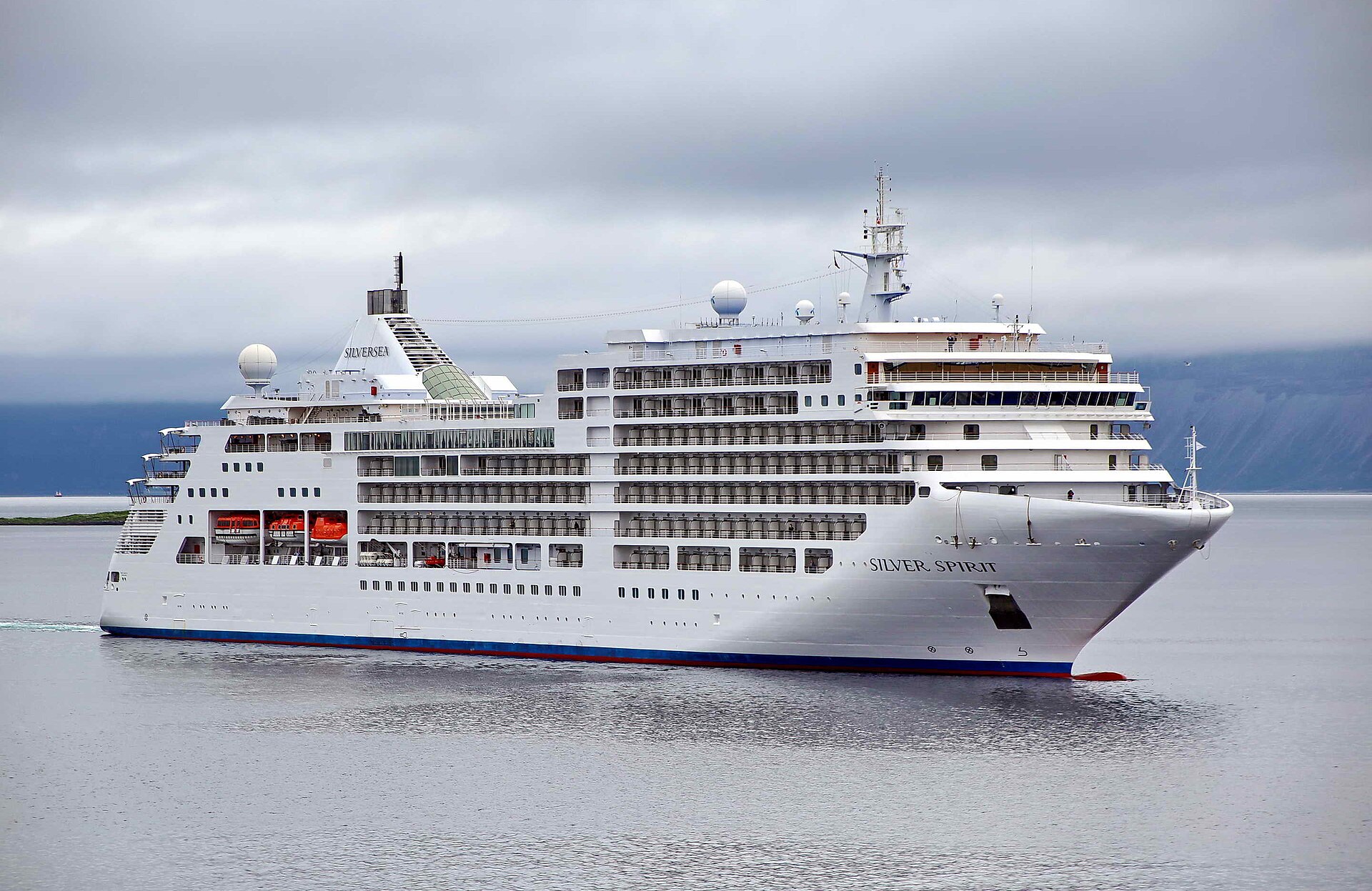
| Silver Spirit under way | Mark König | CC BY-SA 4.0, via Wikimedia Commons |
| Royal Clipper of Star Clippers off Campania | Norbert Nagel | CC BY-SA 3.0, via Wikimedia Commons |
| Port Hercule, Monaco | Spike | CC BY-SA 4.0, via Wikimedia Commons |
| The cliffs and inlet at Bonifacio, Corsica | Michał Jasiński | CC BY-SA 3.0, via Wikimedia Commons |
| Harbour of Portofino | Superchilum | CC BY 4.0, via Wikimedia Commons |
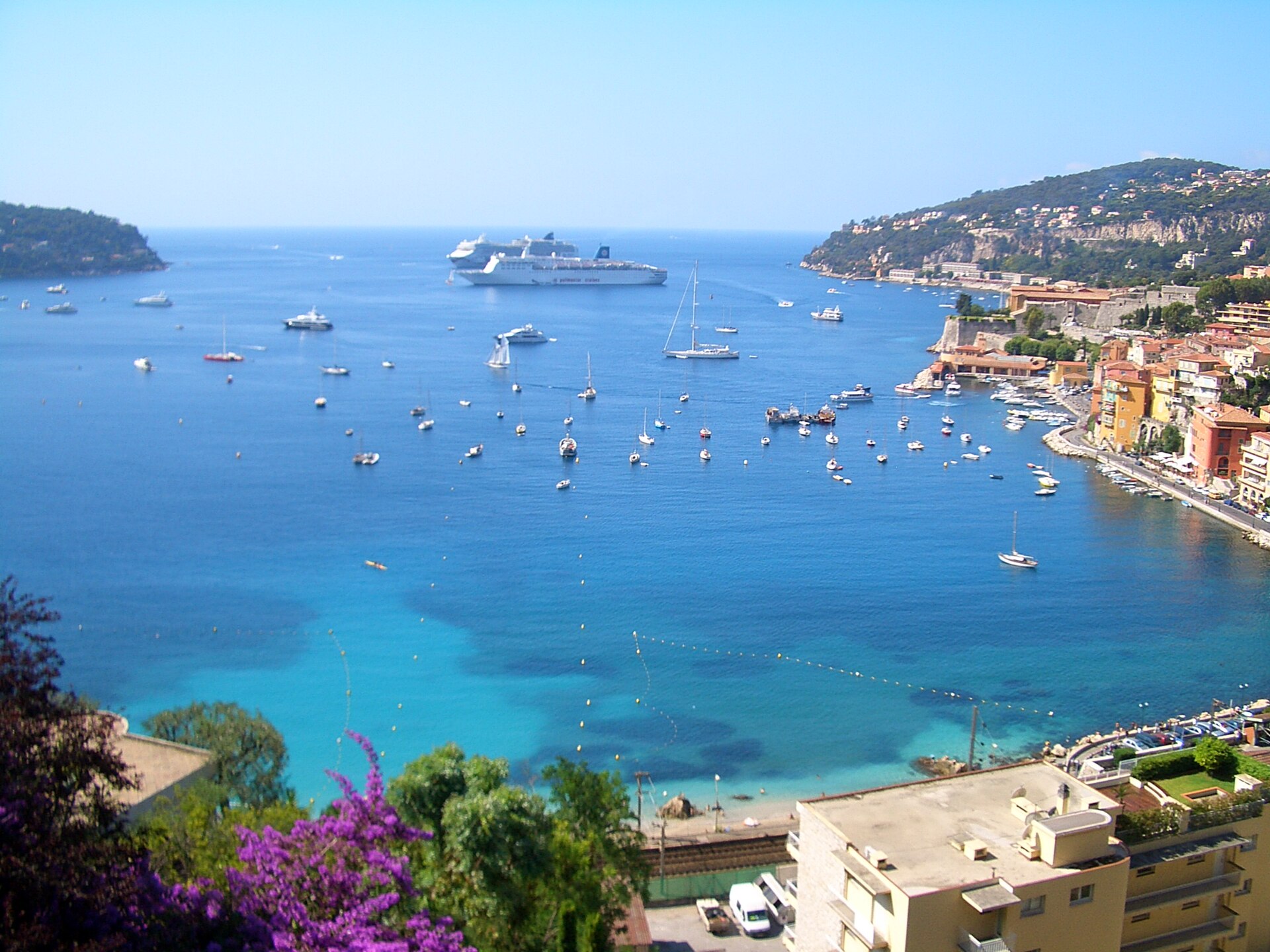
| Cruise ships at anchor in the bay of Villefranche-sur-Mer | Vmenkov | CC BY-SA 3.0, via Wikimedia Commons |
| Amalfi and its harbour from the coast road | KatieHorvath | CC BY-SA 4.0, via Wikimedia Commons |
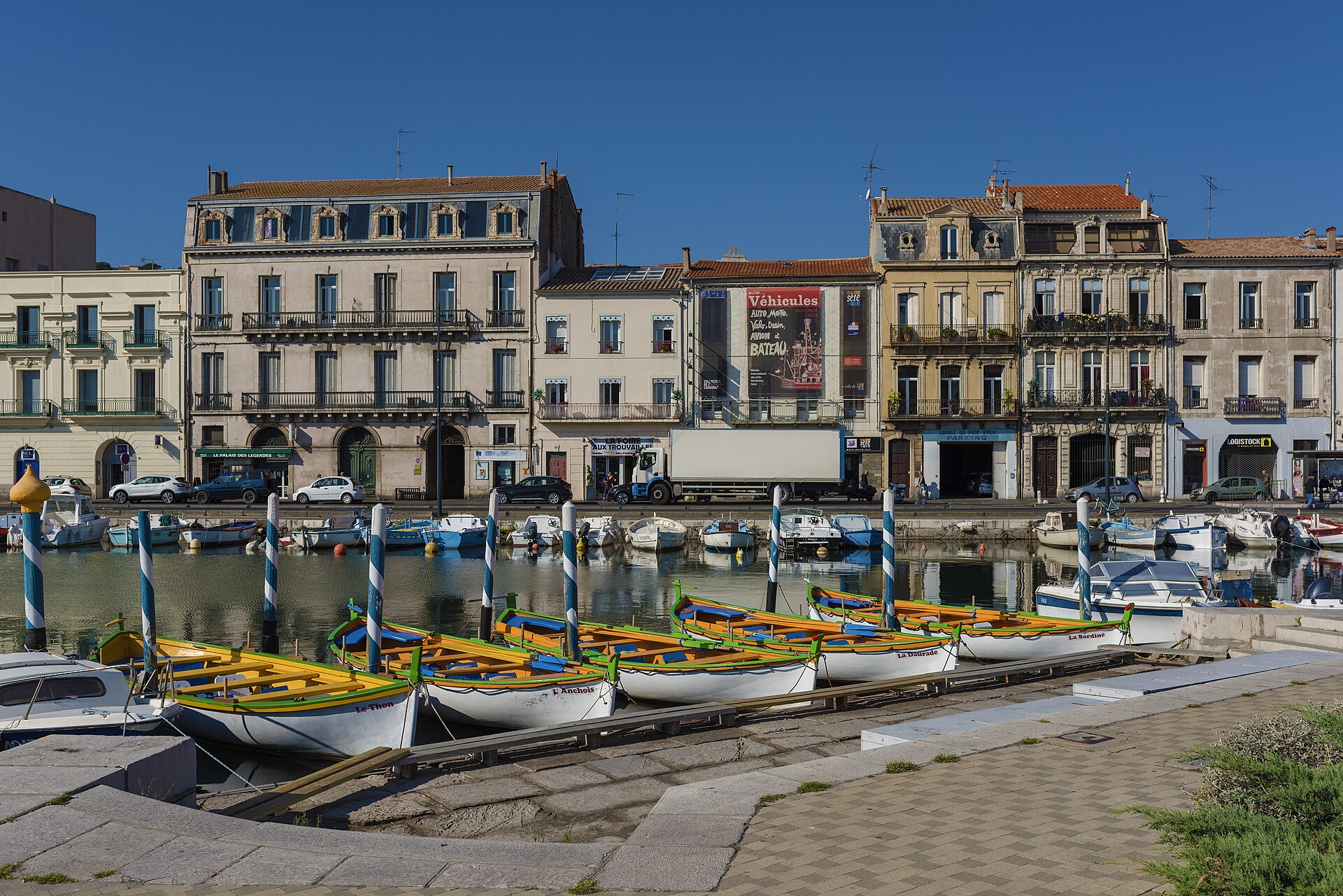
| Traditional boats on a canal in Sète | Christian Ferrer | CC BY-SA 4.0, via Wikimedia Commons |
Published 28 September 2026. Fares, inclusions and port rules were checked on 18 September 2026 and will change — verify anything you are about to pay for. Further reading: Seabourn’s Mediterranean inclusions and the Regent unlimited shore excursions policy.