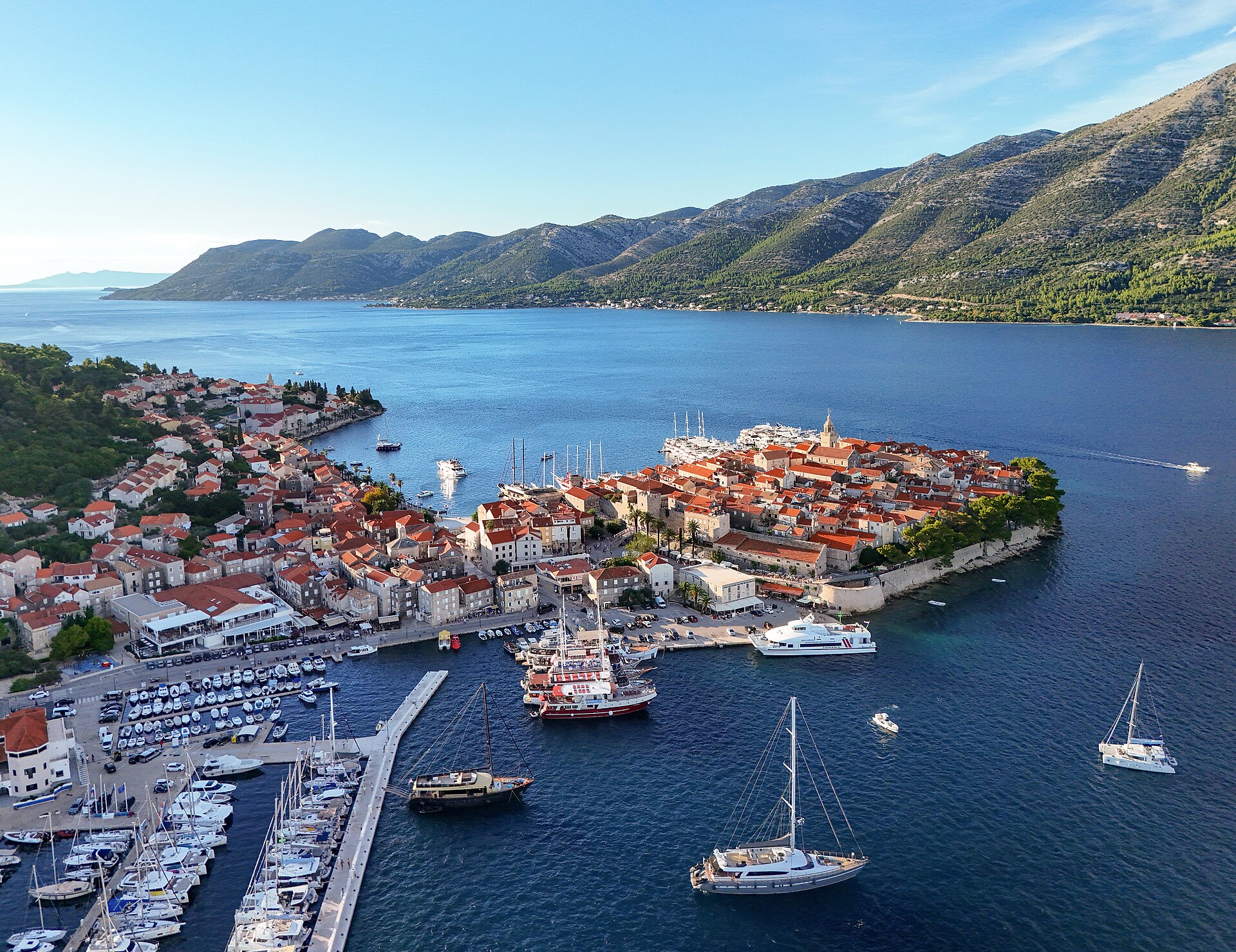
The main Croatia cruise ports are Dubrovnik, where ships dock at Gruz about 2 miles from the Old Town, and Split, where Diocletian’s Palace is 800 metres from the ship. Zadar, Sibenik, Hvar, Korcula, Rovinj and Pula take smaller ships or tenders. Across the wider Adriatic, cruise ships call at Kotor and Bar in Montenegro, Koper in Slovenia, and Trieste, Ravenna and Bari in Italy.
The Adriatic is the quiet overachiever of Mediterranean cruising. Its ports are short walks rather than long transfers, its walled towns are some of the best preserved in Europe, and its waters are usually calmer than the Aegean in high summer. It also has two of the most crowd-managed ports in the region — Dubrovnik and Kotor — where how many ships arrive with yours decides what kind of day you have. Most pages ranking for this topic come from small-ship operators and list pretty harbours; none give you the bus fare from Gruz, the Dubrovnik ship limits, or the difference between docking and tendering at Kotor. This guide does, with dates on every number. If you are still choosing a route, our Eastern Mediterranean cruise guide compares Adriatic itineraries with Greek and Turkish ones.
Croatia cruise ports at a glance
| Busiest Croatian port | Dubrovnik: about 461 cruise calls and 661,094 passengers expected in 2026. |
| Easiest port | Split: dock alongside, Diocletian’s Palace about 800 m on flat ground. |
| Transfer needed | Dubrovnik: Gruz is 2 mi (3 km) from the Old Town; city buses about €4, taxis €12–€20 (sources differ). |
| Dock or tender | Dubrovnik docks, and tenders when berths are full. Kotor docks at its main quay when there is space, otherwise tenders. Hvar, Korcula and Rovinj are small-ship or tender calls. |
| Crowd rules | Dubrovnik: two ships and 5,000 passengers a day under long-standing agreements, and 4,000 simultaneous visitors under 2026 berthing rules; some outlets report 8,000. Sources conflict. |
| Headline tickets | Dubrovnik city walls from €40 (about $46); Dubrovnik cable car €30 return, €17 one way; Kotor fortress reported at €8–€15. |
| Currency | Euro in Croatia (since 2023), Montenegro, Slovenia and Italy; lek in Albania. |
| Sea temperature | Dubrovnik 72°F (22°C) in June, 77°F (25°C) in August, 70°F (21°C) in October. |
| Conversions | €1 = $1.1592, ECB reference rate, 11 September 2026. Prices on this page are as of September 2026 unless dated otherwise. |
Where do cruise ships dock in Croatia?
Large cruise ships in Croatia dock at Dubrovnik’s Port Gruz and at Split’s passenger port beside the Old Town. Zadar and Sibenik can also take sizeable ships. Hvar, Korcula, Rovinj and several other island and Istrian towns are served mostly by small ships, which either berth in the old harbour or anchor offshore and tender passengers in.
Croatia’s coastline is long and its islands numerous, but for a mainstream cruise ship the choice is narrow. The country’s two big cruise ports, Dubrovnik and Split, are where nearly all large-ship itineraries call, and they could hardly be more different. Split puts you practically inside a Roman emperor’s palace; Dubrovnik puts you in a working harbour a bus ride from the walls. The rest of the coast opens up as ship size shrinks: a vessel of a few hundred passengers can reach Hvar, Korcula, Sibenik or Rovinj, which is why so much of the Croatia content online comes from small-ship and yacht-cruise operators.
Croatia joined the euro on 1 January 2023, so there is no currency change between Croatia and Italy. Montenegro, next door, also uses the euro, though without a formal agreement with the EU.
Every Adriatic cruise port compared
This table covers the Adriatic ports you are most likely to see on a mainstream or premium itinerary, with how you get ashore and how far the ship is from the thing you came for. Several ports on the list have not been verified to our standard for local fares; those are marked rather than filled in.
| Port | Country | Dock or tender | To the old town or sight | Transport, as of September 2026 |
|---|---|---|---|---|
| Dubrovnik | Croatia | Dock at Gruz; tender when berths are full | Old Town 2 mi (3 km) | Buses 1, 1A, 1B, 3 about €4; taxis €12–€20 |
| Split | Croatia | Dock alongside | Diocletian’s Palace about 800 m, flat | Walk |
| Zadar | Croatia | Varies by ship | Old town peninsula | Not verified |
| Sibenik | Croatia | Varies by ship | Cathedral of St James; Krka National Park by road | Not verified |
| Hvar, Korcula, Rovinj | Croatia | Mostly small ships; tender for larger | Old towns on the harbour | Walk once ashore |
| Kotor | Montenegro | Main quay if space, otherwise anchor and tender (5–20 min) | Sea Gate 200–400 m | Walk; taxi to Perast €12–€18 one way |
| Bar | Montenegro | Dock | Stari Bar old town inland | Not verified |
| Koper | Slovenia | Dock | Old town walkable | Day trips to Ljubljana, Lake Bled, Postojna, Piran; not verified |
| Trieste | Italy | Dock | City centre on the waterfront | Walk |
| Ravenna | Italy | Dock | Byzantine mosaics in the city | Transfer to the city; not verified |
| Bari | Italy | Dock | Bari Vecchia old town | Not verified |
| Sarandë | Albania | Varies by ship | Butrint archaeological park by road | Not verified |
The headline is simple. Split, Kotor (on a quay day), Trieste and Koper let you walk straight into town. Dubrovnik needs a short bus ride. The smaller Croatian islands are reached best on a small ship, and the Montenegrin and Albanian newcomers — Bar and Sarandë — are ports where we would lean towards the ship’s tour until independent logistics are better documented.
Dubrovnik: Gruz, the walls and a very managed day
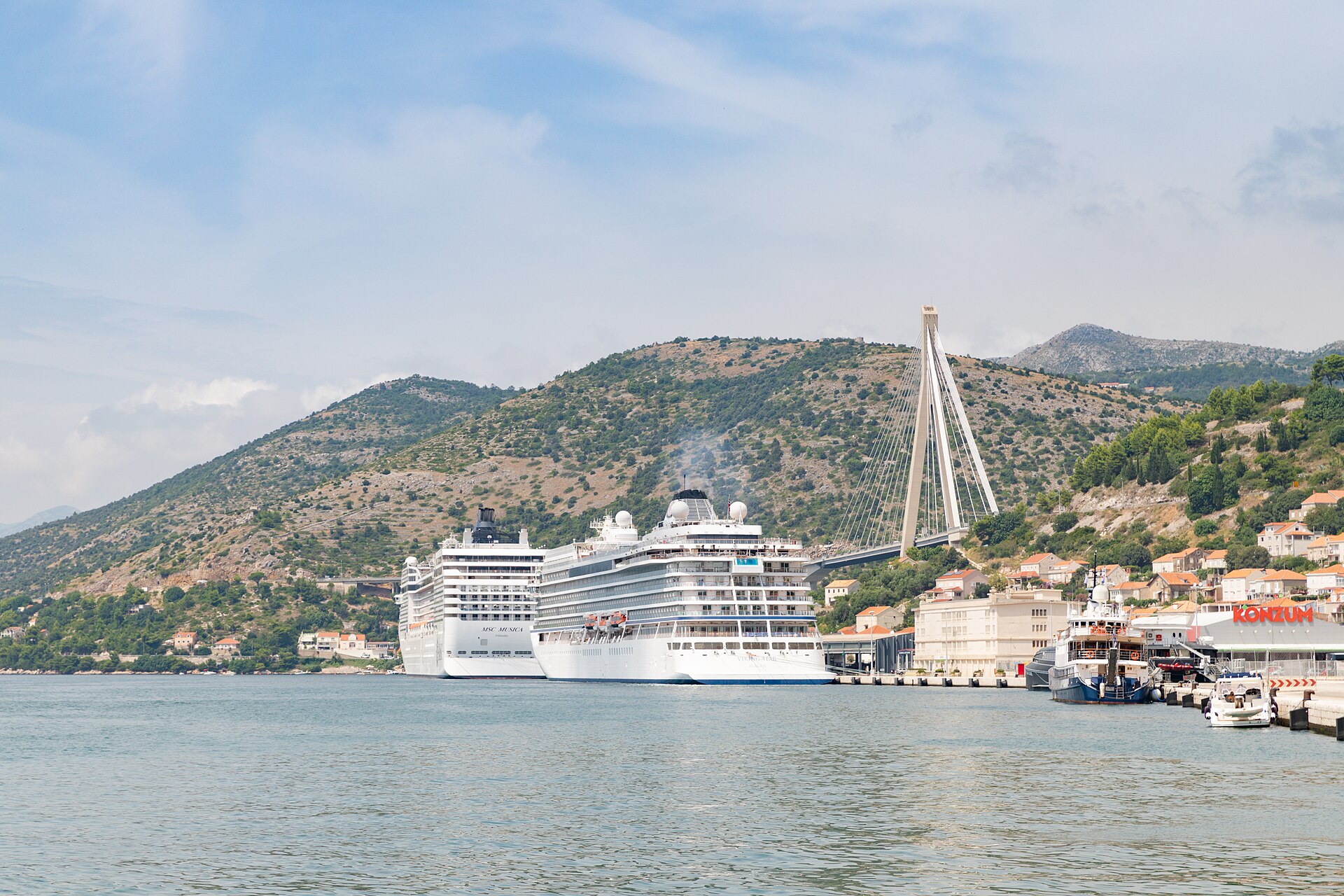
Dubrovnik is the Adriatic’s most famous cruise port and its most carefully managed. Ships dock at Port Gruz, a working harbour about 2 miles (3 km) north-west of the Old Town; when the berths are full, ships anchor off the island of Lokrum and tender passengers into Gruz. Either way, you need transport to the walls.
City buses on lines 1, 1A, 1B and 3 run from near the port towards the Old Town’s Pile Gate, with fares reported around €4 and services every 10 to 20 minutes; tickets are cheaper from kiosks than from the driver. Taxis are quoted between €12 and €20 depending on the source, and we could not reach the main taxi operator’s price list to settle it, so agree the fare before you get in. The walk is possible but long, hot and not scenic; we would not do it in summer.
Once you are at the Pile Gate, three things dominate a Dubrovnik port day:
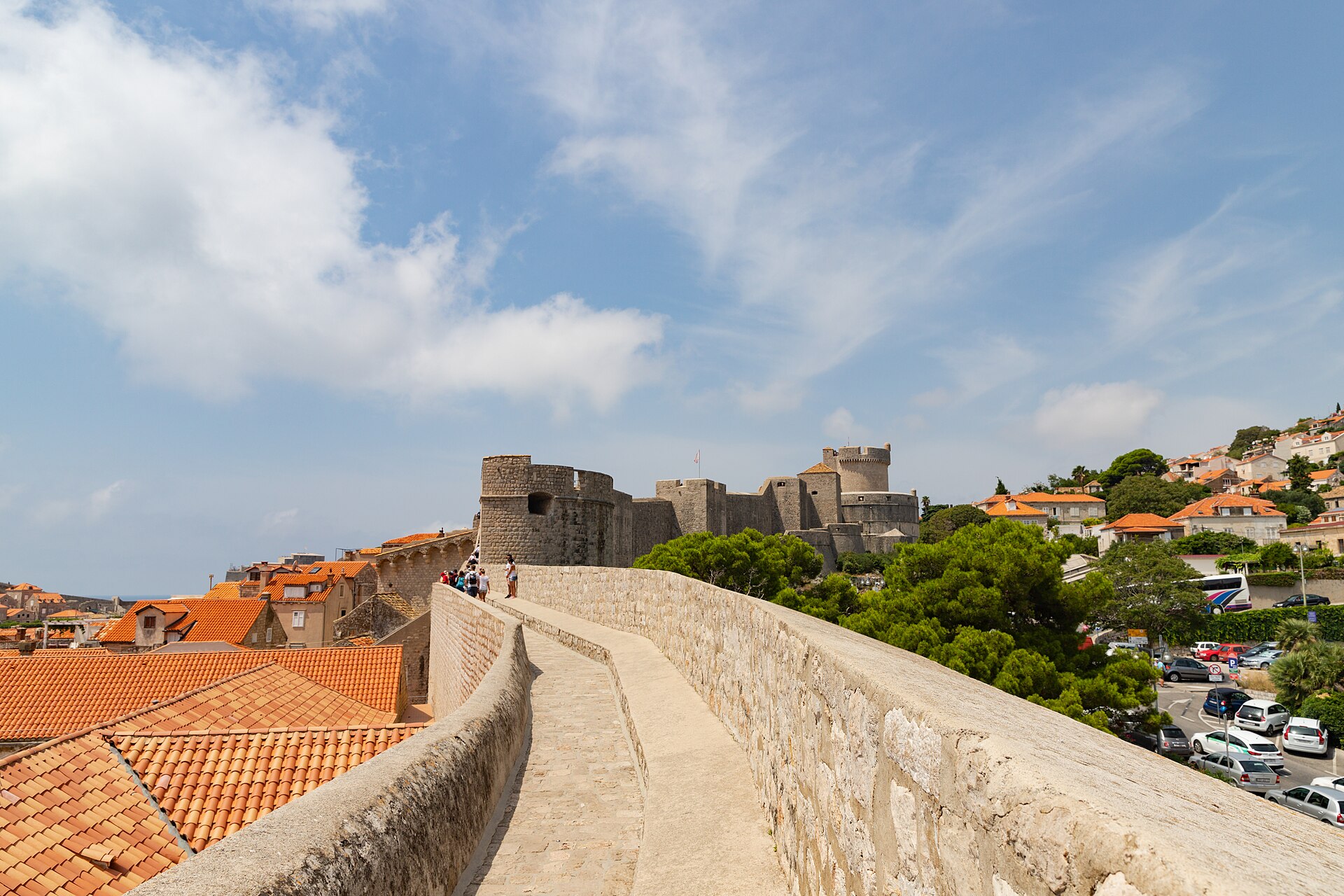
- The city walls. A one-day ticket starts at €40 (about $46), from the official walls site as of September 2026. Opening hours run 08:00 to 19:30 in July, 08:00 to 19:00 in August, 08:00 to 18:30 in the first half of September and 08:00 to 18:00 in the second half, and 08:00 to 17:30 in October. The circuit takes around two hours and has almost no shade.
- The cable car. €30 (about $35) return or €17 one way for adults, €8 return or €5 one way for children aged 4 to 12, and free for under-4s. In June to August and the first half of September it runs 09:00 to midnight; it is closed from December to March.
- The Old Town itself. The Stradun, the churches and the harbour are free, and in the late afternoon, once cruise passengers leave, the town becomes a different place. That is a good argument for itineraries with an evening in Dubrovnik.
How many cruise ships are allowed in Dubrovnik?
Dubrovnik limits cruise calls under agreements with the cruise lines to two ships and 5,000 passengers a day, and its 2026 berthing rules cap simultaneous cruise visitors at 4,000. Some outlets report a daily figure of 8,000, so sources conflict. The port expected about 461 cruise calls and 661,094 passengers in 2026.
The caps exist because Dubrovnik’s Old Town is small and its walls are narrow, and in the years before the rules the city became a byword for cruise overcrowding. For passengers, the practical effect is that a Dubrovnik call is scheduled more tightly than most: lines are allocated time windows, and arrival and departure times are staggered so that no more than a set number of cruise passengers are in the Old Town at once.
What that means for your day:
- Your call length may be shorter or oddly timed. A Dubrovnik call from 13:00 to 21:00 is not a scheduling mistake; it is how the port spreads visitors.
- Morning is not always the quiet time. If two ships arrive early, the Old Town is busiest from mid-morning to mid-afternoon. An afternoon or evening call can be pleasanter.
- Check the day’s ship schedule. Dubrovnik publishes its cruise schedule, and a quick look before you sail tells you whether you are sharing the day with one other ship or none. Our planned Dubrovnik cruise ship schedule guide will explain how to read it.
Split: the easiest cruise port in the Mediterranean
Split is the port we would recommend to anyone who worries about port days. Ships dock alongside in the city’s passenger port, and Diocletian’s Palace — the late Roman emperor’s retirement complex that became the heart of the medieval town — is about 800 metres away on flat ground, a 10-minute walk along the waterfront. One guide gives the distance as 1 km and 15 minutes; either way, you need no bus, no taxi and no tender.
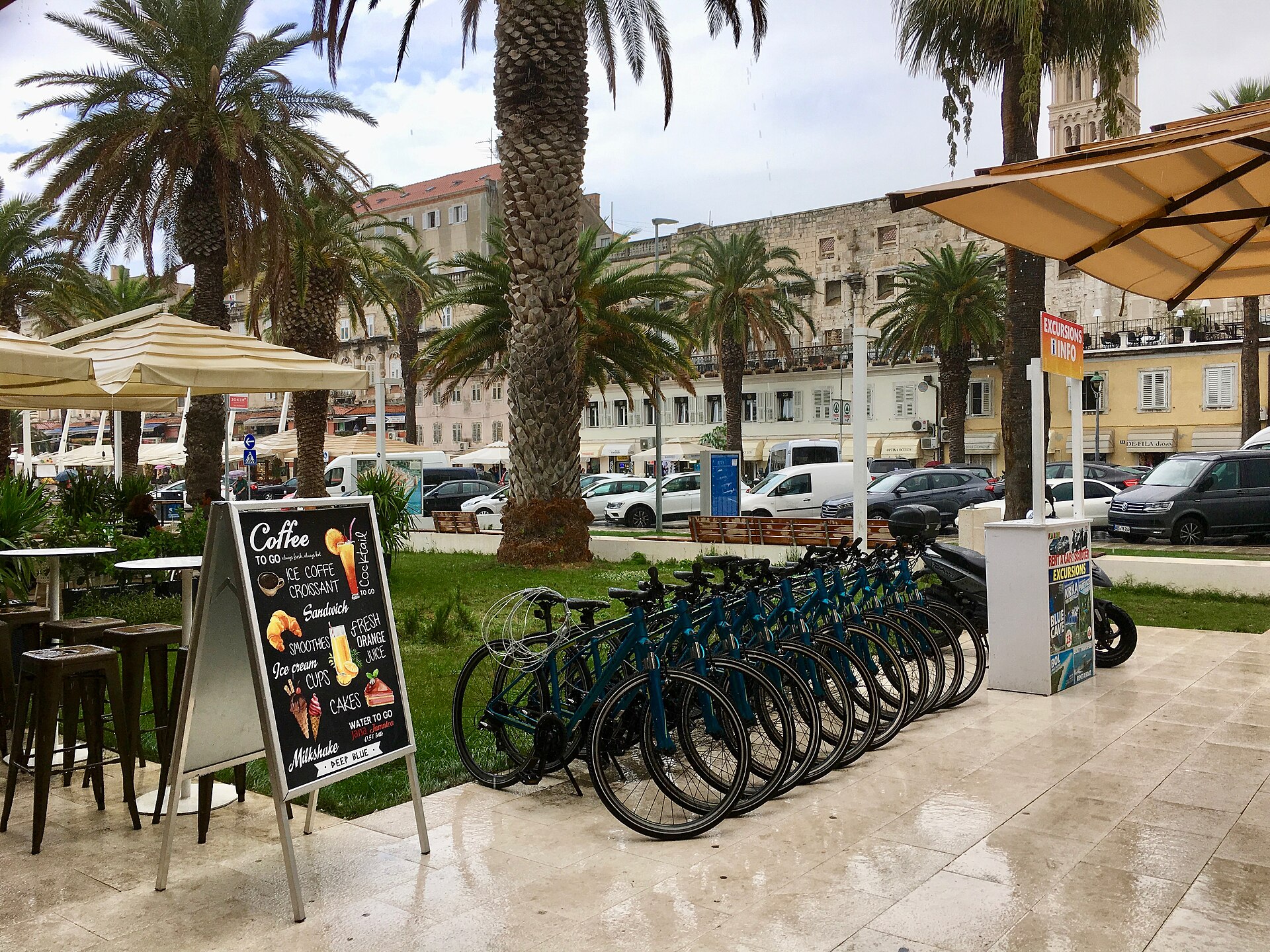
Inside the palace walls, the old town is a maze of Roman arches, medieval lanes and cafes, with the cathedral’s bell tower above it. The palm-lined Riva promenade runs along the front. Typical calls are 6 to 8 hours, which is enough for the palace, the cathedral, lunch and a climb up Marjan hill for the view, or a half-day trip inland.
The popular excursions from Split are the Roman town of Trogir, a UNESCO World Heritage Site along the coast, Klis Fortress on the ridge above the city, and Krka National Park with its waterfalls. Krka is the one to think about carefully: it is a long day by road for a typical call, and the transport and ticket prices we found were from 2023, so we have left them out rather than printing stale figures. Our planned guide to Split cruise port to Krka and Trogir will weigh whether it is worth it in one day.
Zadar, Sibenik, Hvar, Korcula and the small-ship ports
North and south of Split, Croatia’s smaller cruise ports are where the Adriatic becomes the kind of trip people imagine: stone towns on peninsulas, harbours full of wooden boats, and islands a short sail apart.
Zadar sits on a narrow peninsula with Roman ruins, a Romanesque cathedral and a waterfront famous for two modern installations: the Sea Organ, whose pipes under the marble steps play notes as the waves push air through them, and the Greeting to the Sun, a solar-powered light circle that glows after dark. It is a relaxed, walkable old town and a new port for Disney’s first Europe season in 2027.
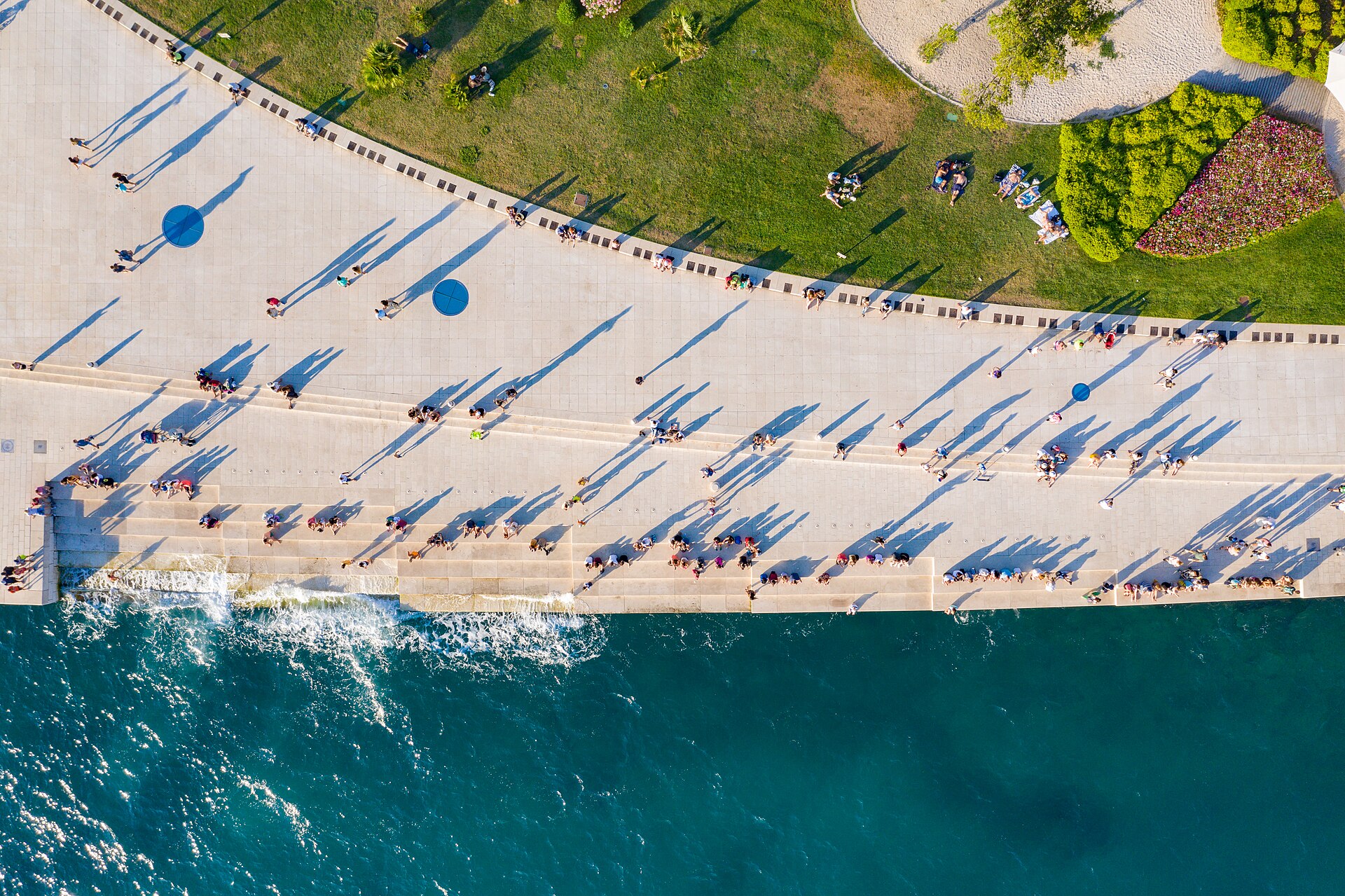
Sibenik is known for the Cathedral of St James, another UNESCO World Heritage Site built entirely of stone, and is the nearest cruise port to Krka National Park.
Hvar is the glamorous island: a Venetian-era town square, a Spanish fortress above the harbour and a very lively summer scene. It is a small-ship or tender port, and in high summer the harbour is crowded with yachts.
Korcula is a miniature walled town on a peninsula, laid out in a herringbone pattern of streets designed, the story goes, to channel cooling breezes and block the winter wind. It claims to be the birthplace of Marco Polo, a claim historians treat with caution, and it is one of the loveliest small ports in the Mediterranean.
Rovinj and Pula, in Istria near the Slovenian border, appear on northern Adriatic itineraries. Rovinj is a pastel hill town usually reached by tender; Pula has a remarkably complete Roman amphitheatre.
For all of these, local transport and ticket details are thin and change often, so we have not printed prices. If a small Croatian port is the reason you are booking, a small-ship line is likely to give you a far better day than a megaship that happens to call there.
Where do cruise ships dock in Montenegro?
Cruise ships in Montenegro call at Kotor, at the head of the Bay of Kotor, and at Bar on the open coast. At Kotor, ships dock at the main quay opposite the Old Town’s Sea Gate when there is space, and otherwise anchor in the bay and tender passengers ashore in 5 to 20 minutes. Bar is a larger commercial port that docks cruise ships.
Kotor
The sail into Kotor is one of the great scenic hours of any Mediterranean cruise: through a narrow strait and into a fjord-like bay ringed by mountains, past the island churches off Perast. At the head of the bay is Kotor’s walled Old Town, a UNESCO World Heritage Site.
Whether you dock or tender is the key question. The main quay is 168 metres plus a 120-metre extension, with a smaller Skurda berth of 76 metres and a draught limit of 4 metres; ships that cannot get a berth use one of three anchorages in the bay. From the quay, the Sea Gate is 200 to 400 metres, a 2- to 5-minute walk. On a tender day, add the boat queue at both ends of the day.
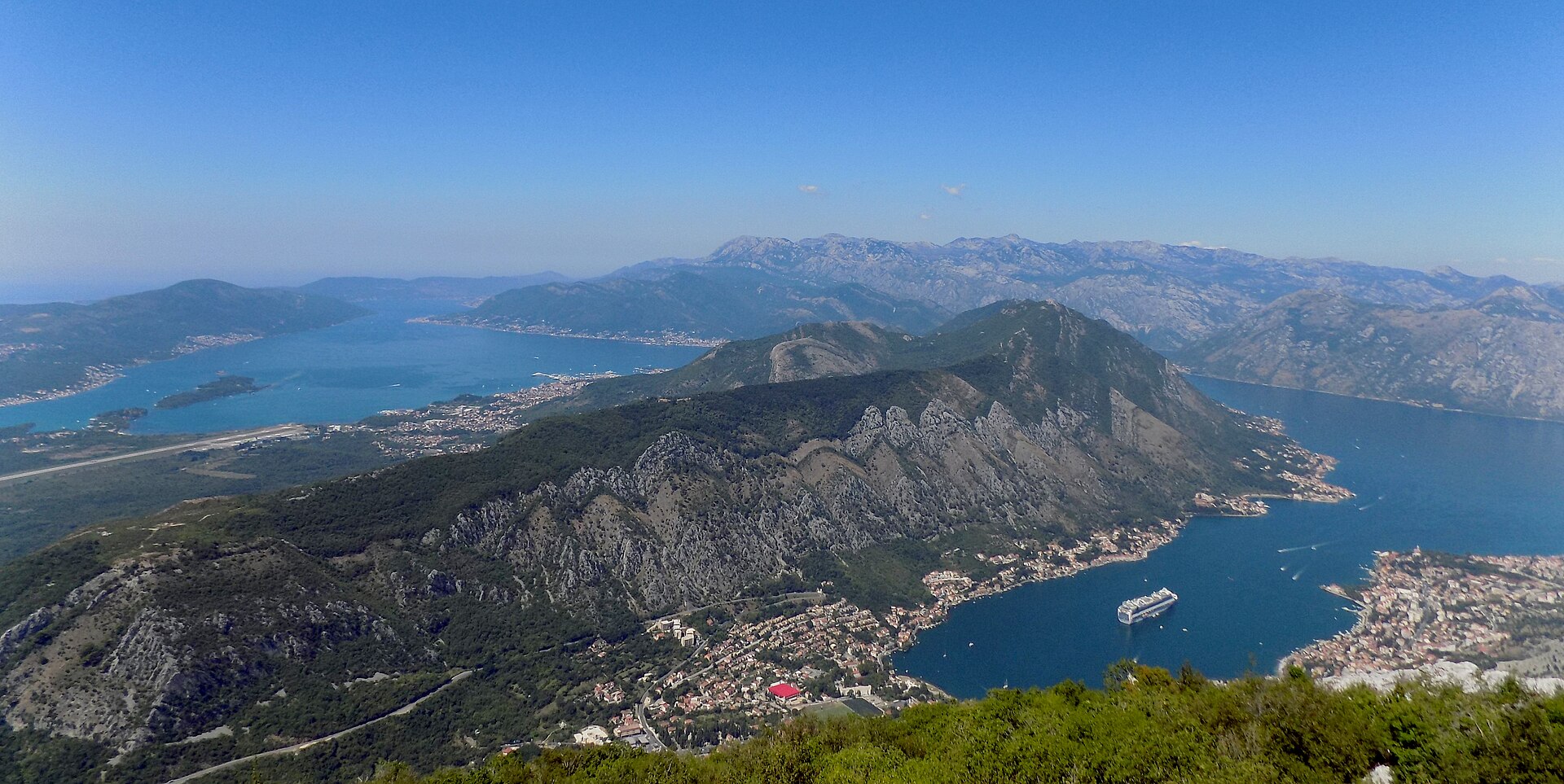
Inside the walls, Kotor is small, beautiful and, at peak, crowded: reports describe three or four ships and 8,000 to 12,000 day visitors on busy July and August days, with the Old Town filling up from mid-morning. The big activity is the climb to the San Giovanni fortress above the town, roughly 1,350 steps to about 280 metres. The entry fee is reported at around €8 by some sources and €15 by another, so carry cash. Kotor has been studying an environmental fee after UNESCO concerns about the bay, but nothing had been adopted as of September 2026.
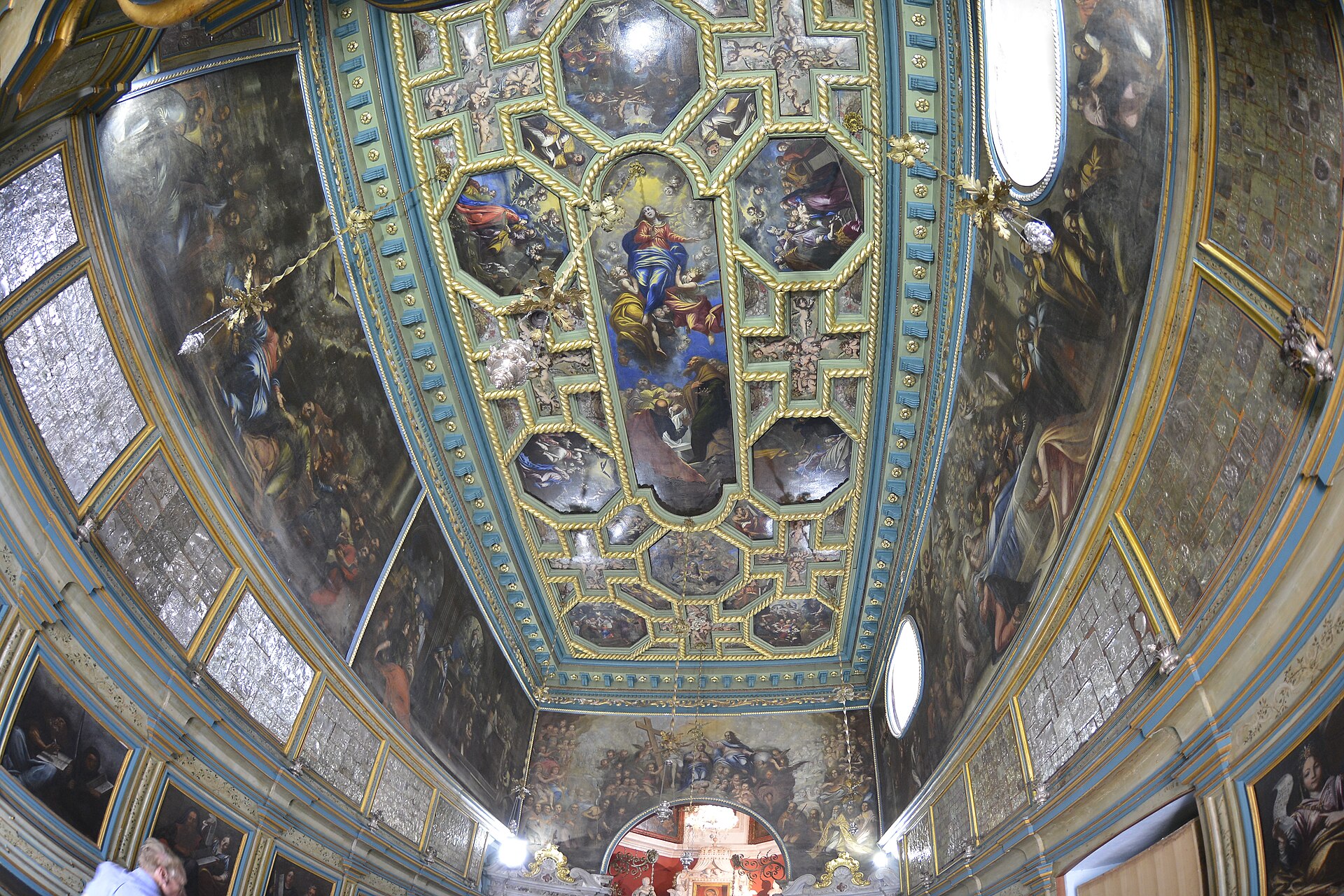
The classic short trip is to Perast, the baroque village along the bay, and the island church of Our Lady of the Rocks just offshore. A taxi from Kotor to Perast costs roughly €12 to €18 one way, or €25 to €30 return with waiting time. Kotor also has a cable car towards Lovćen National Park; we have not verified its current fares.
Bar
Bar is Montenegro’s main commercial port, on the open Adriatic south of Budva. It is less scenic than Kotor, but it is increasingly used by larger ships — Carnival adds Bar to its 2027 Europe season — and it gives access to the ruined hilltop town of Stari Bar and the beaches of the Budva Riviera. Independent transport data for Bar is thin, so on a first visit the ship’s tour is the sensible option.
Does Slovenia have a cruise port?
Yes. Koper is Slovenia’s cruise port, on its short Adriatic coastline near the Italian border. Ships dock close to Koper’s walkable Venetian-style old town, and the port is the gateway to Ljubljana, Lake Bled, the Postojna Cave and the coastal town of Piran. Koper appears mainly on Adriatic itineraries from Venice’s mainland terminals, Trieste and Ravenna.
Koper is a pleasant small town in its own right, but most cruise passengers use it as a launch point. Lake Bled, with its island church and clifftop castle, is the most popular excursion, and Ljubljana, Slovenia’s compact and very walkable capital, is the other. Both are a real journey from the ship; we have not verified transfer times and prices to our standard, and our planned Koper to Lake Bled guide will cover whether they are doable in a port day. Piran, a small Venetian harbour town down the coast, is the easy half-day alternative.
The Italian Adriatic: Venice, Trieste, Ravenna and Bari
The Italian side of the Adriatic is where most Adriatic cruises start and end, and where the rules have changed most. Since 1 August 2021, ships of 25,000 gross tonnes or more, or longer than 180 metres, have been barred from the Giudecca Canal past St Mark’s. Big ships that used to begin their voyages in the heart of Venice now use Marghera or Fusina on the mainland, or homeport in Trieste or Ravenna instead. Reports that the old Venice terminal may partially reopen to ships of up to 60,000 gross tonnes in 2027 are not confirmed.
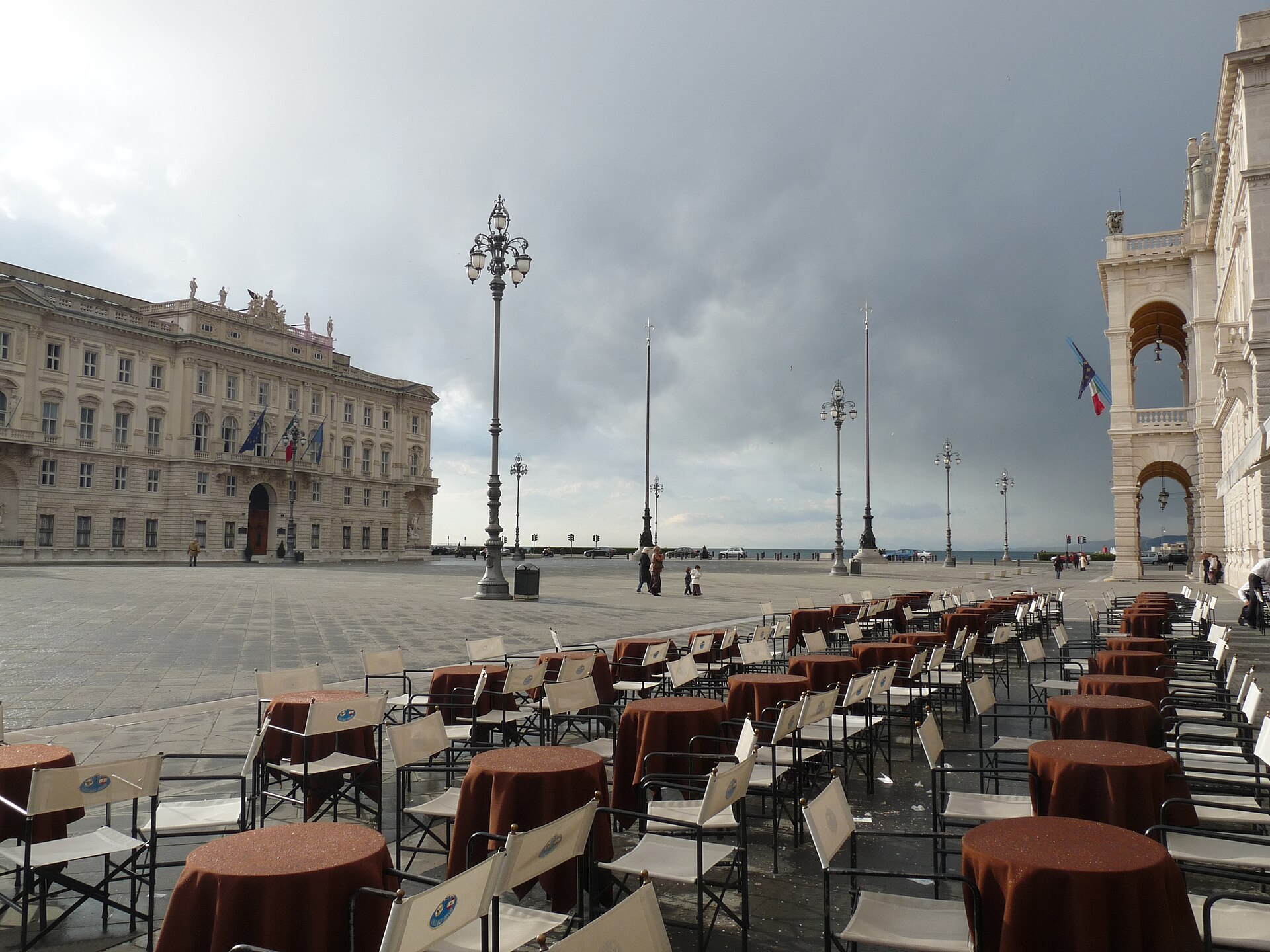
Trieste has become the elegant alternative. It is a former Habsburg port city with grand cafes and Piazza Unità d’Italia, one of Europe’s largest seafront squares, and its cruise berths are close to the centre. It is also a new port for Disney Wish in 2027 and a Princess homeport.
Ravenna, south of the Venetian lagoon, is famous for its Byzantine mosaics and is used by Royal Caribbean and Norwegian as an Adriatic homeport. Bari, in Puglia, is a call rather than a homeport for most North Americans, with a lively old town, Bari Vecchia, and access to Alberobello’s trulli; Carnival adds it for 2027. For embarkation logistics at all of these, see our embarkation ports guide, and for Italy’s west coast, our Italy cruise ports guide.
Albania: Sarandë and Durrës
Albania is the Adriatic’s newest cruise destination. Virgin Voyages adds Sarandë, on the southern coast opposite Corfu, to its 2027 summer season from Athens, and Durrës, the country’s main port near Tirana, appears on some itineraries. Sarandë is the gateway to Butrint, an extensive Greek, Roman and Venetian archaeological site in a national park; Durrës has a Roman amphitheatre in the city.
Albania uses the lek rather than the euro, although euros are widely accepted in tourist areas. We have not verified port logistics, transport prices or entry details for Albania to our standard. If you are booking a sailing with an Albanian call, check your passport’s entry requirements with official government advice and treat the ship’s tour as the default on a first visit.
All-aboard math: Dubrovnik’s walls from Gruz
All aboard is the time you must be back on the ship, normally 30 to 60 minutes before departure, and the ship does not wait for independent travellers. Dubrovnik is not a long transfer, but the combination of a bus ride, a two-hour walk on exposed walls and summer crowds catches people out. Here is our worked timeline for an 08:00 to 17:00 call with all aboard at 16:30.
| Time | What happens | Buffer logic |
|---|---|---|
| 08:00–08:20 | Gangway at Gruz; buy a bus ticket at the kiosk | Kiosk tickets are cheaper than paying the driver |
| 08:20–08:45 | Bus 1A, 1B or 3 to the Pile Gate | About 2 miles; allow for a full bus |
| 08:45–11:00 | City walls circuit | Walls open 08:00 in summer; about two hours, very little shade |
| 11:00–14:00 | Old Town, lunch, or the cable car | Cable car €30 return; queues build midday |
| 14:30 | Latest comfortable bus back to Gruz | Afternoon buses fill with other passengers |
| 15:00–15:30 | Back at the port gate | A taxi from the Pile Gate is the fallback |
| 16:30 | All aboard | Our recommended buffer here: 60–90 minutes |
If your ship tenders at Dubrovnik rather than docking, add 30 to 45 minutes at each end for the tender queue, and be at the landing by 15:15. The walls are the first thing to cut if the morning runs late; the Old Town at ground level is the part you should not rush.
When to cruise the Adriatic, and how to beat the crowds
The Adriatic season runs from about May to October. Sea temperatures at Dubrovnik climb from 64°F (18°C) in May to 72°F (22°C) in June and 77°F (25°C) in August, then ease to 73°F (23°C) in September and 70°F (21°C) in October. Late May, June and September are the sweet spot: warm enough to swim, cooler for the walls, and less crowded in Dubrovnik and Kotor than July and August.
The Adriatic is generally more sheltered than the Aegean, and it is not affected by the meltemi that cancels Greek island tenders. Its own strong wind, the bora, blows from the north-east mostly in the colder months; how often it disrupts cruise calls in season is not published in a form we can verify.
To beat the crowds:
- Look at the time of day, not just the port. In Dubrovnik and Kotor, afternoon and evening hours are often calmer than mid-morning.
- Do the exposed sights first. Dubrovnik’s walls and Kotor’s fortress climb are best at opening time, before heat and crowds.
- Prefer itineraries with Split, Zadar or Korcula if you dislike crowds; they absorb visitors more easily than Dubrovnik’s walls or Kotor’s lanes.
- Consider a small ship for the islands, where megaships cannot go and harbours feel far less busy.
Our guide to the best time to cruise the Mediterranean compares the Adriatic month by month with the other regions, and our shore excursions guide covers Dubrovnik and Kotor from the tour-or-DIY angle.
Where this guide goes deeper
This page is the hub for Croatia and the Adriatic. The guides beneath it cover single ports and transfers with full data boxes and all-aboard timelines, and each will be linked here as it publishes:
- Dubrovnik: Dubrovnik cruise port, Dubrovnik cruise port to the Old Town and Dubrovnik cruise ship schedule and crowd calendar.
- Split and Dalmatia: Split cruise port, Split cruise port to Krka and Trogir and Zadar cruise port.
- Montenegro: Kotor cruise port, Kotor cable car from the cruise port, Kotor cruise port to Perast and Budva and Bar cruise port.
- Slovenia: Koper cruise port and Koper cruise port to Lake Bled, Ljubljana and Postojna.
- The Italian Adriatic: Venice cruise port to St Mark’s Square, Trieste in one day from a cruise ship and Bari cruise port.
Elsewhere on the site, our Greek cruise ports guide picks up where many Adriatic itineraries continue, at Corfu and Katakolon.
Croatia and Adriatic cruise port FAQs
Can you walk from the Dubrovnik cruise port to the Old Town?
You can, but we would not. Port Gruz is about 2 miles (3 km) from the Old Town, along busy roads, and the walk is hot and unscenic in summer. City buses 1A, 1B and 3 run to the Pile Gate for about €4, and taxis cost roughly €12 to €20, as of September 2026.
Is Kotor a tender port?
Sometimes. Ships dock at Kotor’s main quay, 200 to 400 metres from the Sea Gate, when there is a berth free, and otherwise anchor in the bay and tender passengers ashore in 5 to 20 minutes. Busy summer days with three or four ships are the most likely to mean a tender.
Do cruise ships dock in Split?
Yes. Split is a docking port, and Diocletian’s Palace is about 800 metres from the ship on flat ground, roughly a 10-minute walk. It is one of the easiest port days in the Mediterranean, with no tender, shuttle or transfer needed.
What currency is used in Croatia and Montenegro?
The euro. Croatia adopted it on 1 January 2023, and Montenegro uses the euro without a formal agreement with the EU. Slovenia and Italy also use the euro. Albania, which appears on a few Adriatic itineraries, uses the lek.
How much are the Dubrovnik city walls?
A one-day ticket starts at €40, from the official walls site as of September 2026. Summer opening hours run from 08:00 to 19:30 in July and to 19:00 in August, shortening through September and October. The circuit takes around two hours with little shade.
Can you visit Lake Bled from a cruise ship?
From Koper in Slovenia, yes, on a tour or a long independent day. Lake Bled is a significant journey from the port, so the call length matters; Ljubljana, Postojna Cave and Piran are the alternatives. We have not yet verified transfer times and prices to our standard.
Where do Venice cruises leave from now?
Big ships no longer sail through central Venice. Since August 2021, ships of 25,000 gross tonnes or more, or over 180 metres, have been barred from the Giudecca Canal, so they use Marghera or Fusina on the mainland, or lines homeport at Trieste or Ravenna. Small ships can still use the historic terminal.
Which is better, Dubrovnik or Kotor?
Both are superb, and most itineraries include both. Dubrovnik has the grander walls and a larger Old Town but needs a bus from the port and has stricter crowd controls. Kotor has the more dramatic setting, a quay beside the Old Town and a spectacular fortress climb. That is our opinion; many people love both equally.
How we researched this guide
Every fare, distance and rule on this page comes from a named source with the date we checked it. Dubrovnik’s call and passenger figures, and its 2026 berthing rules, come from the port and local reporting; we have stated plainly where sources on the passenger cap conflict. City walls prices and hours come from the official walls site. Kotor’s berth dimensions and rules come from the port and local reporting, and its fortress fee is shown as a range because sources disagree. Currency information is from the European Central Bank. Where we could not confirm a local bus fare, taxi price or excursion transfer to our standard — in Zadar, Bar, Koper, Ravenna and Albania — we have said so rather than printing an old number. We searched page one of Google for this topic on 16 September 2026; its results came mainly from small-ship operators and contained no prices, caps or big-ship logistics.
We are an independent editorial site. We do not sell cruises and have not personally visited every port described here. Opinions — that Split is the easiest port, that small ships suit the islands best — are labelled as ours. Fares and port rules are re-checked every January and March and before each season.
Image credits
| Image | Photographer | Licence |
|---|---|---|
| Korcula Old Town from the air | Quintin Soloviev | CC BY 4.0, via Wikimedia Commons |
| Cruise ships at Port Gruz, Dubrovnik | dronepicr | CC BY 2.0, via Wikimedia Commons |
| The city walls of Dubrovnik | dronepicr | CC BY 2.0, via Wikimedia Commons |
| The Riva promenade, Split | Marie Thérèse Hébert & Jean Robert Thibault | CC BY-SA 2.0, via Wikimedia Commons |
| The Sea Organ, Zadar, from above | dronepicr | CC BY 2.0, via Wikimedia Commons |
| Bay of Kotor, Montenegro | Milica Buha | CC BY-SA 4.0, via Wikimedia Commons |
| Interior of Our Lady of the Rocks, Perast | Miomir Magdevski | CC BY-SA 4.0, via Wikimedia Commons |
| Piazza Unità d’Italia, Trieste | dani7c3 | CC BY-SA 2.0, via Wikimedia Commons |
Published 25 September 2026. Fares, port rules and opening hours were checked in September 2026 and will change — verify anything you are about to pay for. Primary sources: the Dubrovnik city walls official prices and hours and the European Central Bank’s euro area information.