Sicily’s cruise ports put you in the middle of the city at Messina, Catania and Trapani, on a working mole at Palermo and Porto Empedocle, and in a tender boat at Giardini Naxos. Sardinia adds Cagliari, whose passenger terminal sits in the Via Roma area within a few hundred metres of the old town. Malta adds Valletta, where you step off onto the Waterfront and then climb.
That is the central-Mediterranean triangle in one paragraph, and it is a genuinely awkward set of port days to plan. Six of the nine page-one results for “sicily cruise ports” are about Messina and nothing else, none of them carries a single worked all-aboard timeline, and the two that carry prices took them from pages that have not been dated in years. This guide covers all three island groups, gives every port a dated data box, and works the Etna, Taormina, Agrigento and Gozo timings back from the all-aboard time rather than forward from the brochure.
At a glance: the central Mediterranean’s three island groups
| Sicily’s main ports | Messina (most calls), Catania, Palermo, Trapani, Syracuse, Giardini Naxos for Taormina, Pozzallo and Porto Empedocle. |
| Sardinia’s main ports | Cagliari in the south, Olbia and Porto Cervo in the north-east for the Costa Smeralda, Porto Torres in the north-west. |
| Malta | Valletta, one port, berthing on the Valletta Waterfront in Grand Harbour. |
| Dock or tender | Almost all of these are alongside berths. Giardini Naxos is a tender; Trapani tenders ships drawing more than about 8 m; Porto Cervo is a tender. |
| Walkable without transport | Messina, Catania, Cagliari, Trapani, Pozzallo and (uphill) Valletta. Palermo, Porto Empedocle and Giardini Naxos are not. |
| The headline excursions | Mount Etna and Taormina from Messina or Catania; the Valley of the Temples from Porto Empedocle; Monreale and the markets from Palermo; Mdina, the Three Cities and Gozo from Valletta; Nuraghe sites and beaches from Cagliari. |
| Currency | Euro throughout. Italy uses plug types C, F and L; Malta uses the UK-style type G. All 230 V / 50 Hz. |
| Landing fees | None of the Italian or Maltese ports here levies a per-passenger cruise landing fee equivalent to the Greek one, as of September 2026. |
| Our buffer | Back at the gangway 45 minutes before all aboard for any call where you leave the port town, and 90 minutes for Etna or Agrigento. |
These islands usually appear inside a wider Italian or Western Mediterranean routing rather than on their own. Our guide to Italy’s cruise ports covers the mainland calls that bracket them, and our Western Mediterranean route guide explains where the central-Med islands fall in a typical seven- or ten-night itinerary.
Where do cruise ships dock in Sicily?
At alongside berths in seven ports. Messina and Catania berth in the city centre, within a ten-minute walk. Palermo uses the Molo Vittorio Veneto cruise terminal, a longer walk or a shuttle from the old town. Trapani, Syracuse and Pozzallo berth close to their centres. Giardini Naxos, the Taormina call, is a tender.
Sicily is unusual among Mediterranean regions in having so many usable ports on one island, and the practical consequence is that “a day in Sicily” means very different things depending on which one your ship picked. Messina takes the most calls because it is the closest port to the mainland and to Taormina; Catania is the volcano port; Palermo is the capital and the only one that feels like a big city; the rest are quieter and get longer calls from smaller ships.
The Sicily cruise ports, port by port
Every box below gives what we could verify and marks what we could not. Fares in Sicily are the weak point: no verifiable, dated source publishes bus, shuttle or taxi prices for these ports, so we give ranges and say they are unverified rather than repeat undated figures from elsewhere.
Messina — the gateway to Taormina and Etna
| Dock or tender | Dock, alongside, downtown |
| To the centre | The Duomo is about a 10-minute walk from the berth |
| To Taormina | 31 miles (50 km) south along the coast |
| To Mount Etna | About 90 minutes by road to the visitor areas |
| Transport | Ship excursions, private drivers, trains and coaches all operate. Fares are not published by any verifiable dated source — agree the price before you get in (as of September 2026) |
| Hours needed | 2 hours for Messina itself; 5–6 hours for Taormina; 6–7 for Etna |
| Step-free | The berth and the seafront are flat. Taormina is not, and Etna is not |
| Our buffer | 45 minutes for Taormina, 90 minutes for Etna |
Messina takes more cruise calls than any other Sicilian port and can host three ships at once, which is worth knowing because the queue for a taxi or a tour coach on a three-ship morning is a different animal from the queue on a one-ship morning. The city itself is a comfortable two hours — the Duomo’s astronomical clock performs at noon and draws a crowd — but almost nobody comes to Messina for Messina.
Catania — the shortest walk to a city centre in Sicily
| Dock or tender | Dock, alongside |
| To the centre | The port authority’s own description is “a few steps from the Historic Centre and the railway station, both reachable by foot in a few minutes” |
| To the airport | About 10 minutes by car (port authority, as of September 2026) |
| To Mount Etna | The closest port to the volcano; the Rifugio Sapienza approach road starts from the city side |
| Transport | Walk for the city. Ship excursions, private drivers and buses for Etna. Fares unverified |
| Hours needed | 3 hours for the centre and the fish market; 6–7 for Etna |
| Step-free | The centre is flat lava-stone paving. It is slippery when wet |
| Our buffer | 30 minutes in town, 90 minutes for Etna |
Catania is the best-value Sicilian port day for an independent traveller. The Baroque centre, the black-and-white Piazza del Duomo and La Pescheria fish market are all within fifteen minutes of the gangway, which makes it one of the few calls in the Mediterranean where the ship’s tour buys you very little.
Palermo — a capital with a berth that needs a plan
| Dock or tender | Dock. Cruise terminal on the Molo Vittorio Veneto |
| To the centre | Walkable but not pleasant; most passengers take the line’s shuttle or a taxi |
| To Monreale | Up in the hills above the city; ship excursion or a taxi with a wait |
| Traffic | 577,934 cruise passengers in 2018, the most recent figure published in the sources we checked. 2026 figures not published |
| Transport | Line shuttle, taxis, buses. Fares unverified — the shuttle charge varies by line and is usually published in the daily programme |
| Hours needed | 4 hours for the centre and one of the Norman churches; 6 including Monreale |
| Step-free | The centre is flat. Monreale is not |
| Our buffer | 45 minutes from the centre, 60 from Monreale |
Palermo is the one Sicilian port where we would look hard at the ship’s excursion, not because the city is difficult but because the three things worth seeing — the Cappella Palatina, the Cathedral and Monreale — are spread across a large, congested city, and the traffic between them will eat your afternoon if you get it wrong.
Trapani, Syracuse, Giardini Naxos, Pozzallo and Porto Empedocle
| Port | Dock or tender | To the centre | Why ships call |
|---|---|---|---|
| Trapani | Dock, but tenders ships drawing more than about 8 m | Short walk, flat | Erice by cable car, the salt pans, the western beaches. Longer calls, smaller ships |
| Syracuse | Dock; berth position varies | Depends on the berth — some are a walk to Ortigia, some are not | Ortigia, the Greek theatre, the Baroque southeast |
| Giardini Naxos | Tender | Not the point — Taormina is above, and needs a further transfer | The only berth-free way to put Taormina on an itinerary |
| Pozzallo | Dock | A few minutes to town | Ragusa, Modica and the Baroque southeast, all 40+ minutes inland |
| Porto Empedocle | Dock, commercial port | About 15 minutes to the town; minimal facilities at the port | One reason only: the Valley of the Temples at Agrigento |
Two of those need the warning stated plainly. Giardini Naxos is a tender port that then needs a road transfer up to Taormina, so you are adding a tender queue at both ends to a transfer that is already a switchback climb. And Porto Empedocle is a working commercial port with almost nothing at it — if the Valley of the Temples is not your plan, you have a difficult day.
The independent-versus-ship-tour call, port by port
This is the decision that shapes the day, and the honest answer differs sharply across these eleven ports. Our rule of thumb: take the ship’s tour where the thing you came for is a long way inland, on a road that can close, or behind a timed entry. Go independently where the sight is the port town.
| Port | Our call | Why |
|---|---|---|
| Catania | Independent | Centre and station are minutes on foot. A tour buys you nothing you cannot walk to |
| Cagliari | Independent | Terminal on Via Roma; the whole old town is stacked above it |
| Messina, for the city | Independent | Duomo is a ten-minute walk; two hours is the whole city |
| Messina or Catania, for Etna | Ship’s tour | Access closes on volcanic activity and on weather, at short notice. On the ship’s tour that is the ship’s problem |
| Messina, for Taormina | Either | The road is reliable and the town is compact; a private driver works well if you agree the price and the return time first |
| Palermo | Ship’s tour | Three sights spread across a congested city; the traffic between them is the whole risk |
| Porto Empedocle | Ship’s tour | Commercial port with no facilities and no published drive time to Agrigento that we could verify |
| Giardini Naxos | Ship’s tour | Tender plus transfer plus a climb. Two failure points before you have seen anything |
| Trapani, Syracuse, Pozzallo | Independent | Short flat walks into the old towns; the inland sights are the only reason to book |
| Valletta | Independent | Lift, city, harbour ferry. Nothing here needs a coach |
| Olbia, Porto Cervo | Ship’s tour or nothing | The day is beaches and resorts, which means transfers you cannot easily arrange at the quay |
The word “either” in the Taormina row is doing real work. A private driver from Messina is comfortably the best version of that day — you leave before the coaches, you skip the group photo stops, and you come back when you want. It is also the version where nobody is waiting for you at 16:00, so agree the return time in writing and pad it. The same logic applies at every Mediterranean port where an independent excursion leaves the port town, and we have set out the general version of it in our shore excursions guide.
What a short call changes
A surprising number of calls at these islands are not the nine-hour day everyone plans for. Palermo and Cagliari in particular are often used as sea-day substitutes on a repositioning leg, which means 08:00 to 15:00 rather than 08:00 to 18:00. Seven hours alongside is six hours ashore once you allow for disembarkation and the buffer, and that changes the answer to almost every question above.
On a seven-hour call: Etna is out, Agrigento is marginal, Monreale is marginal, and Taormina works only if you leave on the first tender or the first gangway opening. What still works is the port town itself — Catania’s centre, Cagliari’s Castello, Valletta and the lift, Ortigia, Trapani’s old town. That is another argument for checking the published port hours before you build the day, and for treating the brochure’s “Sicily” as a promise about geography rather than about time.
All-aboard math: Taormina and Etna from Messina
All aboard is the time by which every passenger must be back on the ship, and it is normally 30 to 60 minutes before the published departure. It is not negotiable, it is printed in the daily programme each morning, and on an independent excursion the ship will not wait. Here are the two Messina days worked backwards from it.
Taormina, on an 08:00–17:00 call
| Time | What is happening |
|---|---|
| 08:00 | Ship alongside. Gangway open for independent passengers from about 08:15–08:30 |
| 08:30 | Off the ship, through the terminal gate. Messina’s berth is downtown so there is no port shuttle to wait for |
| 08:45 | Depart for Taormina. 31 miles (50 km) of coast road and autostrada, then a switchback climb |
| 09:45 | Arrive Taormina. Allow the full hour: the coast road is slow in summer and the final climb is the slowest part |
| 09:45–13:00 | The Greek theatre, Corso Umberto, the public gardens. Three and a quarter hours is comfortable |
| 13:00–14:00 | Lunch on the Corso. This is the part people cut, and the part worth keeping |
| 14:00 | Turn around. This is the latest safe departure from Taormina |
| 15:00 | Back at the berth, one hour before a 16:00 all aboard for a 17:00 departure |
| 16:00 | All aboard. You have a 60-minute buffer you have not needed |
The number to hold on to is 14:00. If you are still in Taormina at 15:00 on an 08:00–17:00 call you are relying on Sicilian summer traffic behaving, which it does not reliably do in July and August.
Mount Etna, on an 08:00–17:00 call
| Time | What is happening |
|---|---|
| 08:30 | Off the ship |
| 08:45 | Depart. About 90 minutes by road to the visitor areas on the mountain |
| 10:15 | Arrive. Cable car and 4×4 transfers to the higher craters operate from here, weather and volcanic activity permitting |
| 10:15–13:15 | Three hours on the mountain. That is one cable-car ascent and a walk, not the full summit programme |
| 13:15 | Latest safe departure from the mountain. Ninety minutes back plus a 90-minute buffer |
| 14:45 | Back at the berth |
| 16:00 | All aboard |
Etna is the one Sicilian excursion where we would take the ship’s tour, and the reason is not the guiding. It is that the mountain closes without notice. Access to the higher craters depends on volcanic activity and on the weather, and a road closure on the descent with an independent driver is entirely your problem. On the ship’s tour it is the ship’s problem — that is what the premium buys. Our shore excursions guide sets out where that trade-off is worth making across the Mediterranean.
All-aboard math: the Valley of the Temples from Porto Empedocle
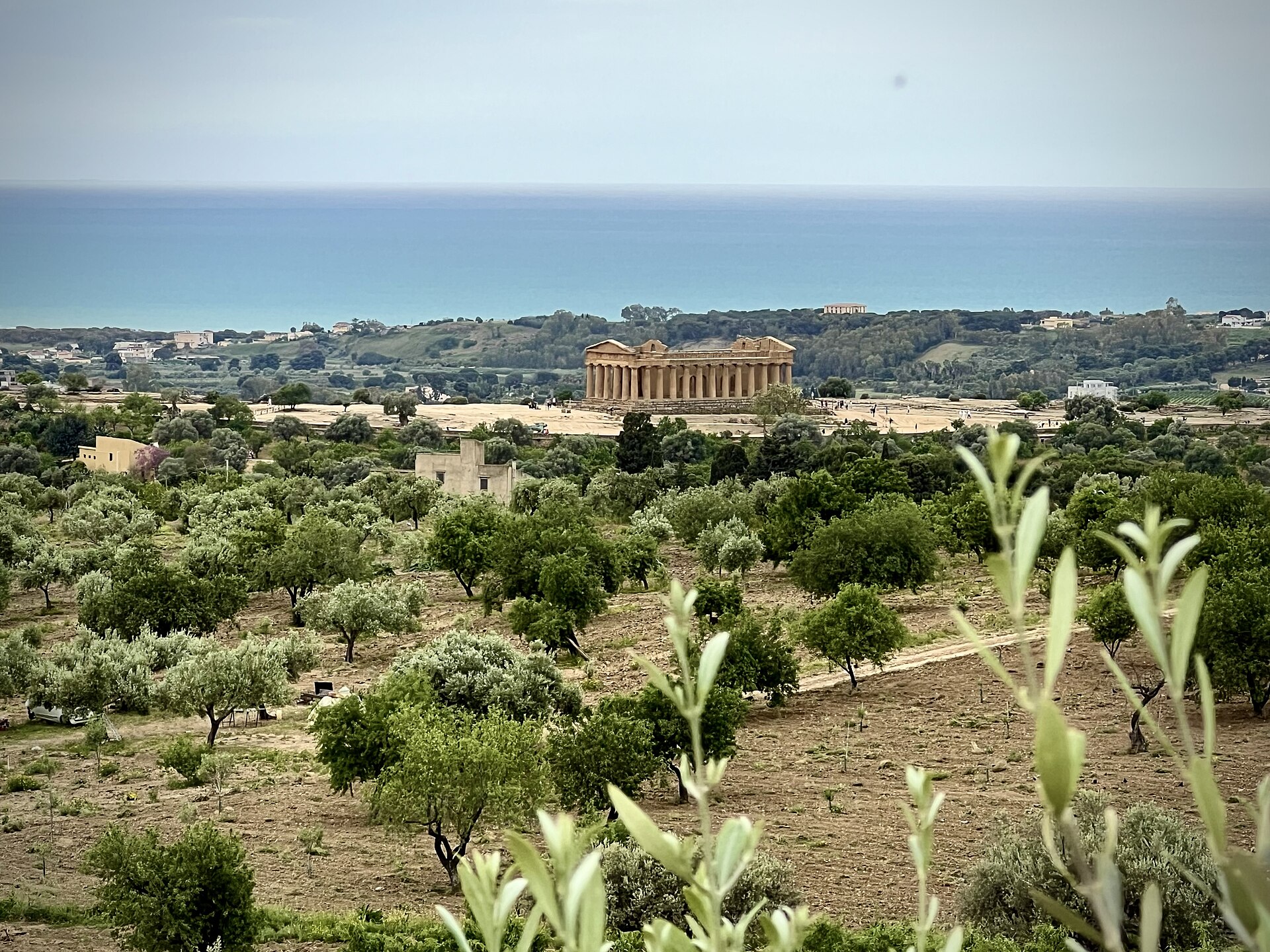
This is the tightest day in the central Mediterranean and the one most worth planning properly. Porto Empedocle is a commercial port with minimal facilities; the Valley of the Temples at Agrigento is a UNESCO site of Doric temples strung along a ridge above the sea, and it is the sole reason ships call here.
| Time | What is happening |
|---|---|
| 08:00 | Ship alongside in a working commercial port. Expect a shuttle bus to the gate rather than a walk-off |
| 08:45 | Depart for Agrigento. The site is a short drive inland and uphill; the exact distance and drive time are not published by any source we could verify, so treat 20–30 minutes as the planning assumption and confirm with your line |
| 09:15 | Arrive at the site. There are two entrances a long way apart, and a shuttle between them |
| 09:15–12:30 | The Temple of Concordia, the Temple of Juno, the Temple of Heracles and the Olympeion. This is a walk of a mile or more along a ridge with limited shade |
| 12:30 | Turn around, allowing for the shuttle between entrances |
| 13:15 | Back at the port gate |
| 16:00 | All aboard, with a wide buffer |
Two warnings. The site has very little shade and the walk along the ridge is longer than it looks on the map, which makes a July or August visit genuinely demanding — go early, carry water, and read our packing guide on the heat kit before you sail. And because the drive time is not published anywhere we trust, this is the one port day on the island where we would book through the line rather than a private driver, purely for the return guarantee.
Where do cruise ships dock in Malta?
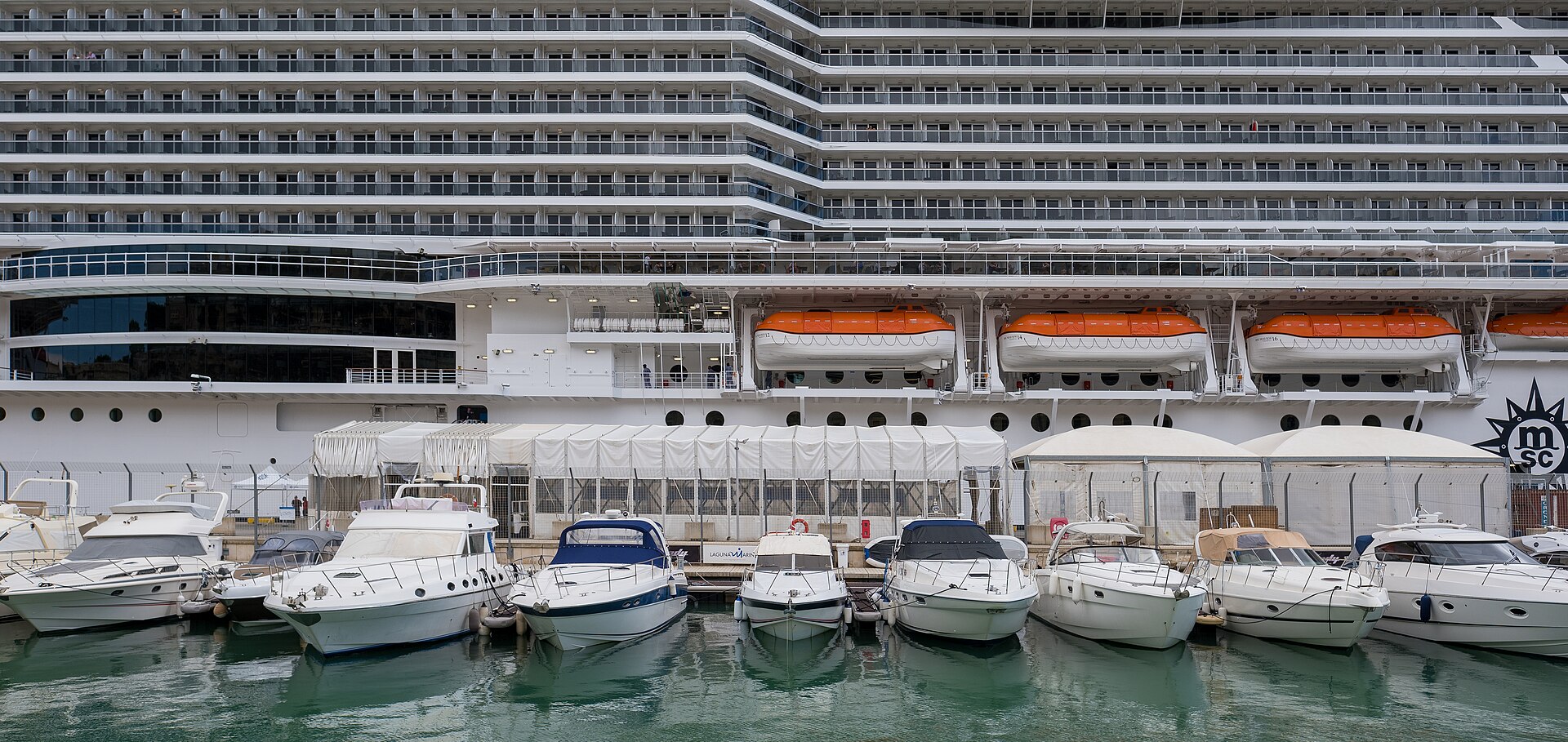
At the Valletta Waterfront in Grand Harbour, directly below the city walls. The port’s own description is that you “step off the ship immediately onto the neighbouring Valletta Waterfront”, a terrace of nineteen restored 18th-century warehouses. Valletta itself is about a mile and a half away and uphill, and the Upper Barrakka lift removes the worst of the climb.
Malta has one cruise port and it is one of the best-positioned in the Mediterranean: you are inside a working Baroque harbour, with the Three Cities across the water and the capital directly above you. The catch is entirely vertical. Valletta sits on a peninsula above the waterfront and the walk up is steep enough that a significant number of passengers do not attempt it.
| Dock or tender | Dock, Valletta Waterfront, Grand Harbour |
| To the city | About 1.5 km, roughly 15 minutes, steep |
| The lift | The Upper Barrakka lift runs from the waterfront level up to the Upper Barrakka Gardens; about €1 return (about $1.16 at the European Central Bank reference rate of €1 = $1.1592, 11 September 2026), as of September 2026 |
| To Gozo | The fast ferry takes about 45 minutes |
| To the airport | The port describes itself as “just minutes away from Malta International Airport” |
| Hours needed | 4 hours for Valletta; 6 for Valletta plus the Three Cities; 7–8 for Gozo |
| Step-free | The Waterfront is flat and the lift is step-free. Valletta’s side streets are stepped |
| Plugs and currency | Euro; UK-style type G plugs, unlike Italy |
| Our buffer | 30 minutes from Valletta, 45 from the Three Cities, 90 from Gozo |
The Three Cities, Mdina and the rest of the island
Malta is small enough that a nine-hour call can genuinely cover more than the capital, which is unusual among Mediterranean ports. The three realistic options, in the order we would rank them:
- Valletta and the Three Cities. The best day. Valletta in the morning, the harbour crossing to Birgu at lunchtime, Fort St Angelo and the Vittoriosa waterfront in the afternoon. The crossing is short, frequent and scenic, and you can see your ship the whole time — which is the quiet reassurance that makes it work on a tight call.
- Valletta and Mdina. Mdina is the fortified medieval capital in the middle of the island, walled, almost car-free and largely silent. It is a road transfer rather than a boat, which makes it the safer half-day if the weather is unsettled. Budget a morning in Valletta and an afternoon at Mdina, or reverse it to get Mdina before the tour coaches.
- Valletta and a beach. The northern bays are a longer transfer than they look on a map of a small island, because the roads are narrow and the summer traffic is real. This is the option we would only take on a call that runs past 18:00.
What does not fit on a standard call, as set out above, is Gozo. It is not distance so much as the number of separate legs: ship to ferry terminal, ferry, terminal to wherever you are going, and all of it again in reverse. Four moving parts is three more than a nine-hour call should carry.
One Maltese quirk worth knowing before you plan anything: the island drives on the left, like the UK, and uses UK-style type G plugs. If you are coming from an Italian itinerary, both of those will catch you out on the same day.
All-aboard math: Mdina, the Three Cities and Gozo from Valletta
Valletta gives you three quite different day shapes, and the Gozo one is the only one that needs real discipline.
Valletta and the Three Cities, on an 08:00–17:00 call
- 08:30 — off the ship onto the Waterfront.
- 08:45 — Upper Barrakka lift to the gardens. This is the single best euro you will spend in Malta.
- 09:00–12:00 — St John’s Co-Cathedral, the Grand Master’s Palace, Republic Street, the Saluting Battery at noon.
- 12:00 — the traditional dghajsa water taxi or the Three Cities ferry across Grand Harbour to Birgu.
- 12:30–14:30 — Birgu’s waterfront and Fort St Angelo, plus lunch.
- 14:30 — latest safe turnaround. Ferry back, lift down.
- 15:15 — back at the ship, 45 minutes before a 16:00 all aboard.
Gozo, on an 08:00–17:00 call
Gozo is a 45-minute fast-ferry crossing each way, plus getting to and from the ferry terminal at each end, plus whatever you do on the island. On a nine-hour call that leaves roughly four usable hours and no slack at all. Our honest view: do Gozo on an overnight or a late-departure call, and not on a standard 08:00–17:00 day. If your ship is in until 19:00 or later it becomes comfortable. If it is not, Mdina is the better use of the afternoon — it is inland rather than across water, so a delay costs you minutes rather than a sailing.
The general rule that falls out of both: anything that puts water between you and your ship needs a 90-minute buffer, not a 45-minute one. A ferry that does not run is a completely different problem from a bus that is late.
Where do cruise ships dock in Sardinia?
At Cagliari in the south, where the passenger terminal sits in the Via Roma area about 400 metres from the security-restricted zone, and at Olbia’s Isola Bianca terminal in the north-east for the Costa Smeralda. Porto Torres serves the north-west and Porto Cervo is a tender call. Cagliari takes the great majority of cruise traffic.
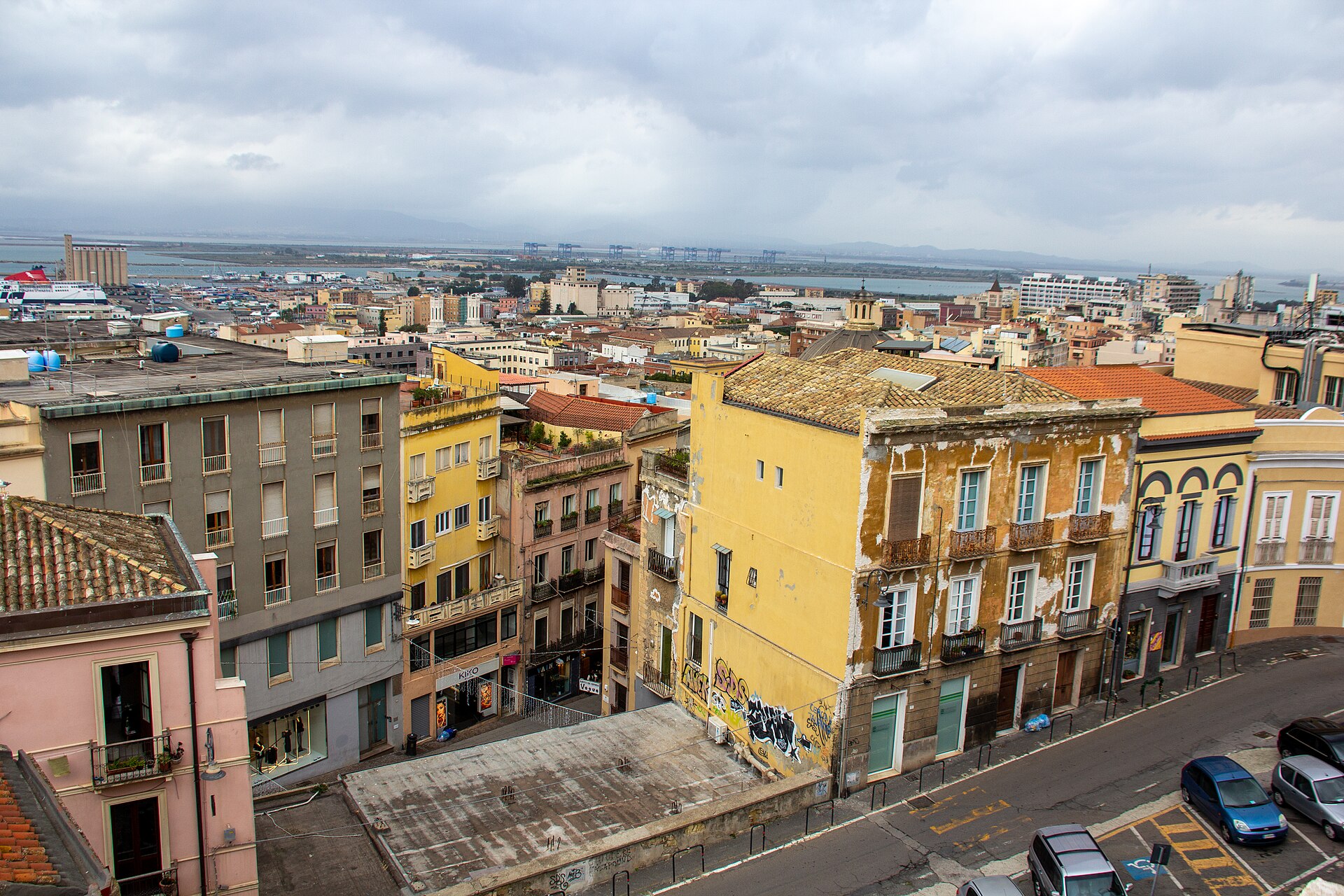
Sardinia appears on no page-one result for this search, which is a gap worth closing because Cagliari is one of the most walkable cruise calls anywhere in the Mediterranean. The port authority’s own description puts the passenger terminal, with its bar, toilets and ticket office, about 400 metres from the security zone in the Via Roma area — which is to say, on the main waterfront street of the city, with the Castello district rising directly behind it.
| Cagliari — dock or tender | Dock. Cruise ships use the historic port’s 5,800 m quay and the canal port area, which extends for over 1,600 m |
| To the centre | Terminal is in the Via Roma area, about 400 m from the security zone — effectively a walk-off port |
| The climb | The Castello quarter and the Bastione di Saint Remy are above the town; there are public lifts as well as steps |
| Berth data | Individual berth lengths, depths and passenger statistics are not published by the port authority (as of September 2026) |
| Olbia | Isola Bianca terminal. Distance to the centre is not published in the official sources we checked — confirm with your line |
| Cagliari to Olbia | 263 km by the E25 — relevant only if you are combining a call with a land stay |
| Hours needed | 3–4 hours for Cagliari’s old town; a full day for the Nuraghe sites or the southern beaches |
| Our buffer | 20 minutes from the old town; 60 from anywhere outside the city |
Olbia and Porto Cervo are a different proposition: they exist on cruise itineraries because of the Costa Smeralda, and the day is about beaches and the yacht-harbour scene rather than a historic centre. Porto Cervo is a tender, which on a breezy day is the usual reason a Costa Smeralda call gets cancelled. Small luxury ships call here far more often than large ones — our guide to luxury and small-ship Mediterranean cruises explains why the size limits favour them.
What a Cagliari day looks like on foot
Cagliari rewards a plan that is almost entirely vertical. The city is built up a hill from the water, and the four things worth seeing are stacked one above the other.
- Via Roma and the Marina quarter, straight off the terminal. Arcaded, flat, and where the city eats.
- The Bastione di Saint Remy, the terrace that connects the Marina to the Castello quarter above it. There are public lifts as well as the monumental staircase, which matters in August and matters more if anyone in the party is unsteady on steps.
- The Castello quarter: the cathedral, the two Pisan towers and the walls, with a view back down over the port to the lagoons.
- The National Archaeological Museum, for the bronze figurines from the Nuragic sites — the single best explanation of what the inland ruins actually were.
Three to four hours covers all of it comfortably, which is why Cagliari is one of the very few Mediterranean ports where we would not book anything at all in advance. If your call runs longer, the beach at Poetto is a short bus ride, and the flamingos on the Molentargius lagoon are between the two.
Olbia, Porto Cervo and the Costa Smeralda calls
The north-eastern Sardinian calls are a different product. Olbia berths at Isola Bianca — the port authority does not publish a distance from the terminal to the town, so ask your line rather than assume it is a walk — and the day is usually sold as a transfer to the Costa Smeralda resorts, the beaches at Cala di Volpe and Romazzino, or the granite coast around Capo d’Orso.
Porto Cervo is a tender call straight into the resort marina, which is both the appeal and the risk: it is a genuinely beautiful anchorage and it is the first call on a Sardinian itinerary to be cancelled in a swell. Small luxury ships call here far more often than large ones.
Our honest assessment of these two: they are a good day if beaches, boats and a yacht-harbour lunch are what you want, and a thin one if you came to Italy for history. Cagliari is the port with the old town; Olbia and Porto Cervo are the ports with the coastline.
Which of these ports are genuinely walkable
The single most useful thing to know before a port day is whether you can simply walk off and start your day, or whether you have to solve a transport problem first. Here is the honest ranking across all three island groups.
| Port | Walkable? | What that means in practice |
|---|---|---|
| Catania | Yes, easily | Historic centre and station both a few minutes on foot, per the port authority |
| Cagliari | Yes, easily | Terminal in the Via Roma area; the old town starts across the road |
| Messina | Yes | Duomo about 10 minutes; the city is flat along the seafront |
| Trapani | Yes | Short, flat walk into the old town; the Erice cable car needs transport |
| Pozzallo | Yes, but | Town is minutes away and small; everything worth seeing is 40+ minutes inland |
| Valletta | Yes, uphill | 1.5 km and steep; the Upper Barrakka lift at about €1 return solves it |
| Syracuse | Depends on the berth | Some berths are a walk to Ortigia, some are not — check the daily programme |
| Palermo | Technically | Molo Vittorio Veneto to the centre is a long and unrewarding walk. Take the shuttle |
| Porto Empedocle | No | Working commercial port, about 15 minutes to a town you did not come to see |
| Giardini Naxos | No | Tender, then a road transfer up to Taormina |
| Olbia | Unknown | No official distance published — ask your line rather than assume |
| Porto Cervo | No | Tender into a resort marina |
How these islands fit into a Mediterranean itinerary
You will very rarely buy a cruise that is only about Sicily, Sardinia and Malta. What you will buy is a Western Mediterranean or Italy-and-islands routing that picks up two or three of them, and the shape of that routing tells you a lot about the kind of week you are going to have.
| Routing | Which islands appear | What it says about the week |
|---|---|---|
| Barcelona round trip, 7 nights | Usually Palermo or Cagliari, sometimes neither | Spain-weighted. The islands are the filler between the Spanish and Italian mainland calls |
| Civitavecchia round trip, 7 nights | Messina or Palermo, sometimes Valletta | Italy-weighted, with one Sicilian call and a long day for Rome at each end |
| Rome to Barcelona or reverse, 10–12 nights | Two or three of Messina, Palermo, Cagliari, Valletta | The best of the mainstream options for these islands — enough nights to fit them in properly |
| Adriatic repositioning, 10–14 nights | Valletta and Messina or Catania as the corner of the route | The islands are the hinge between the Adriatic and the Western Med |
| Small-ship Sicily-and-Malta circuits | Trapani, Syracuse, Porto Empedocle, Gozo | The only way to get the quieter ports, and it costs accordingly |
Two things follow from that table. First, if Malta is the reason you are booking, look for it early in the search rather than late, because Valletta appears on far fewer Western Med itineraries than Messina or Palermo do. Second, the quiet Sicilian ports — Trapani, Syracuse, Pozzallo — are essentially a small-ship product, and if they are what you want, our comparison of luxury and small-ship Mediterranean cruises is the better place to start than a mainstream itinerary search.
There is one more pattern worth naming. Sicily and Malta both work as sea-day substitutes: a line that has a spare day between Naples and Barcelona will drop in Palermo or Cagliari, and that call is often a short one, 08:00 to 15:00 rather than 08:00 to 18:00. Check the published port hours before you build a plan that assumes nine hours. A seven-hour Palermo call is a different city entirely.
The two things that close, and what to do about them
Most Mediterranean port days go wrong for boring reasons — traffic, a queue, a misjudged distance. In these three island groups there are two specific, recurring causes worth planning around.
Etna closes. Access to the higher craters depends on volcanic activity as well as on weather, and the closure can come at short notice, including while you are on the mountain. There is no way to plan around this except to accept it: book through the line if the volcano is the reason you chose the itinerary, and have a Catania or Taormina plan for the day it does not happen.
Tenders and ferries stop before berthed calls do. Giardini Naxos, Porto Cervo and Trapani’s deeper-draught calls all depend on a tender operation, and tender operations are suspended by wind long before a berthed call is affected. The Gozo fast ferry is the same — a high-speed catamaran is suspended in conditions a conventional ferry handles. If your whole day plan depends on crossing water, have a second plan that does not.
Neither of these is a reason to avoid these ports. They are a reason to know, on the morning, what your fallback is — and to read the daily programme rather than assume yesterday’s plan still holds. Our guide to the best time to cruise the Mediterranean covers how the wind season shifts across the year, and our itineraries guide shows which routes put these islands on the schedule.
Where this guide goes deeper
This page is the hub for the central Mediterranean islands. Over the coming weeks we are publishing the detailed port guides that sit beneath it, and we will link each one here as it goes live.
- Sicily. Messina Cruise Port Guide, Messina to Taormina: Bus, Train or Taxi From the Cruise Port, Catania Cruise Port Guide and Palermo Cruise Port Guide.
- Sardinia. Cagliari Cruise Port Guide.
- Malta. Valletta Cruise Port Guide and Valletta Cruise Port to Mdina.
Sicily, Sardinia and Malta cruise port FAQs
Which is the best Sicily cruise port?
Catania, for an independent traveller. The port authority describes the historic centre and railway station as both a few minutes’ walk away, which means no shuttle, no transport decision and no wasted hour. Messina is the better base for Taormina, and Palermo is the most interesting city — but Catania is the one where the port day works with no planning at all.
Can you visit Mount Etna from a cruise ship?
Yes, from Messina in about 90 minutes by road or from Catania, which is closer. Allow six to seven hours door to door on an 08:00–17:00 call and turn around by 13:15. Access to the higher craters depends on volcanic activity and the weather, and it can close at short notice, which is why we would take the ship’s tour here.
Is Valletta walkable from the cruise terminal?
Yes, but uphill. The berths are on the Valletta Waterfront and the city is about 1.5 km away and roughly 15 minutes on foot, steeply. The Upper Barrakka lift runs from the waterfront level to the Upper Barrakka Gardens for about €1 return as of September 2026 and removes the climb entirely.
Can you get to Gozo on a cruise stop?
Only comfortably on a late-departure or overnight call. The fast ferry takes about 45 minutes each way, and adding the transfers at both ends leaves roughly four usable hours on a standard 08:00–17:00 day with no slack. If your ship sails at 17:00, Mdina is the better afternoon, because a road delay costs minutes rather than a sailing.
Where do cruise ships dock in Sardinia?
Mainly Cagliari, where the passenger terminal sits in the Via Roma area about 400 metres from the security-restricted zone, making it effectively a walk-off port. Olbia’s Isola Bianca terminal serves the Costa Smeralda in the north-east, Porto Torres the north-west, and Porto Cervo is a tender call into a resort marina.
Do cruise ships tender in Sicily?
Mostly not. Giardini Naxos, the Taormina call, is a tender, and Trapani tenders ships drawing more than about eight metres. Messina, Catania, Palermo, Syracuse, Pozzallo and Porto Empedocle are all alongside berths. In Sardinia, Porto Cervo is a tender.
How much does a taxi or shuttle cost at these ports?
We cannot tell you, and we will not guess. No verifiable, dated source publishes bus, shuttle or taxi fares for the Sicilian and Sardinian cruise ports, and the figures circulating on cruise-port sites are undated and in several cases years old. Agree a price before you get into a taxi, and check the daily programme for the line’s own shuttle charge.
Is Palermo safe for independent visitors?
Yes, with the usual big-city caution about pickpocketing in crowded markets and on public transport. The reason we suggest the ship’s tour at Palermo is not safety — it is that the three things worth seeing are spread across a congested city and the traffic between them will consume your afternoon.
How long do you need in Ortigia?
Three hours covers Piazza Duomo, the cathedral built inside a Greek temple, the Fonte Aretusa and a walk round the seafront. Add two more if you want the Neapolis archaeological park and the Greek theatre, which are on the mainland side of Syracuse rather than on the island and need transport.
What is the weather like at these ports?
These are among the hottest calls in the standard Mediterranean rotation, and the shade at Agrigento, on Etna’s lower slopes and in Valletta’s open squares is minimal. We have not published temperature figures for Sicily, Sardinia and Malta because we could not source station normals on the same basis as the mainland ports in our climate table, and we would rather omit a number than estimate one.
Is Cagliari worth a day, or should I book an excursion?
Worth a day on foot, and one of the very few Mediterranean ports where we would book nothing at all. The terminal is in the Via Roma area on the main waterfront street, the Marina quarter starts across the road, and the Bastione di Saint Remy and the Castello quarter are stacked directly above it. Three to four hours covers all of it.
Which is better for Taormina: Messina or Giardini Naxos?
Messina, in almost every case. Messina is an alongside berth downtown with a 31-mile (50 km) road transfer; Giardini Naxos is a tender followed by a shorter but steeper transfer up the hill. The tender adds a queue at both ends of the day and is the first thing cancelled in wind, which turns a Taormina day into a sea day.
Do these ports charge a landing fee like the Greek islands?
No. As of September 2026, none of the Sicilian, Sardinian or Maltese ports in this guide levies a per-passenger cruise landing fee equivalent to the Greek cruise passenger fee, which runs to €20 per person at Santorini and Mykonos in high season. Port taxes are inside your fare in the normal way.
How many ships call at these ports at once?
Messina can handle three large ships at the same time and frequently does, which is the single biggest variable in how your day feels. Valletta and Palermo take multiple ships too. Cagliari, Trapani, Syracuse and Porto Empedocle are usually one-ship days — part of why the quieter Sicilian ports are worth seeking out.
How we researched this guide
Terminal positions and port descriptions come from the port authorities themselves, checked on 18 September 2026: the Autorità di Sistema Portuale del Mare di Sardegna for Cagliari and Olbia, the Autorità di Sistema Portuale del Mare di Sicilia Orientale for Catania, the Autorità di Sistema Portuale del Mare di Sicilia Occidentale for Palermo, and Valletta Cruise Port for Malta. Messina’s and Valletta’s distances and the Upper Barrakka lift fare come from our own verified facts file, last checked in September 2026. Euro conversions use the European Central Bank reference rate of €1 = $1.1592, dated 11 September 2026.
Where a figure is not published we have said so rather than fill the gap: individual berth lengths and depths at Cagliari, the distance from Olbia’s Isola Bianca terminal to the town, the drive time from Porto Empedocle to Agrigento, and every bus, shuttle and taxi fare in Sicily and Sardinia. Palermo’s most recent published passenger figure is 577,934 for 2018; no later number appeared in the sources we checked. The all-aboard timelines are our own arithmetic built from the verified distances and drive times, with explicit buffers, and they are planning tools rather than guarantees — your ship’s daily programme is the authority on the day.
We are an independent editorial site, we do not sell cruises or excursions, and we have not visited every port described here. Where this page gives an opinion — that Catania is the best independent port day, that Palermo is the one to take the ship’s tour at, that Gozo does not fit a nine-hour call — it is labelled as ours. Port rules and prices are re-checked before each season.
Image credits
| Image | Photographer | Licence |
|---|---|---|
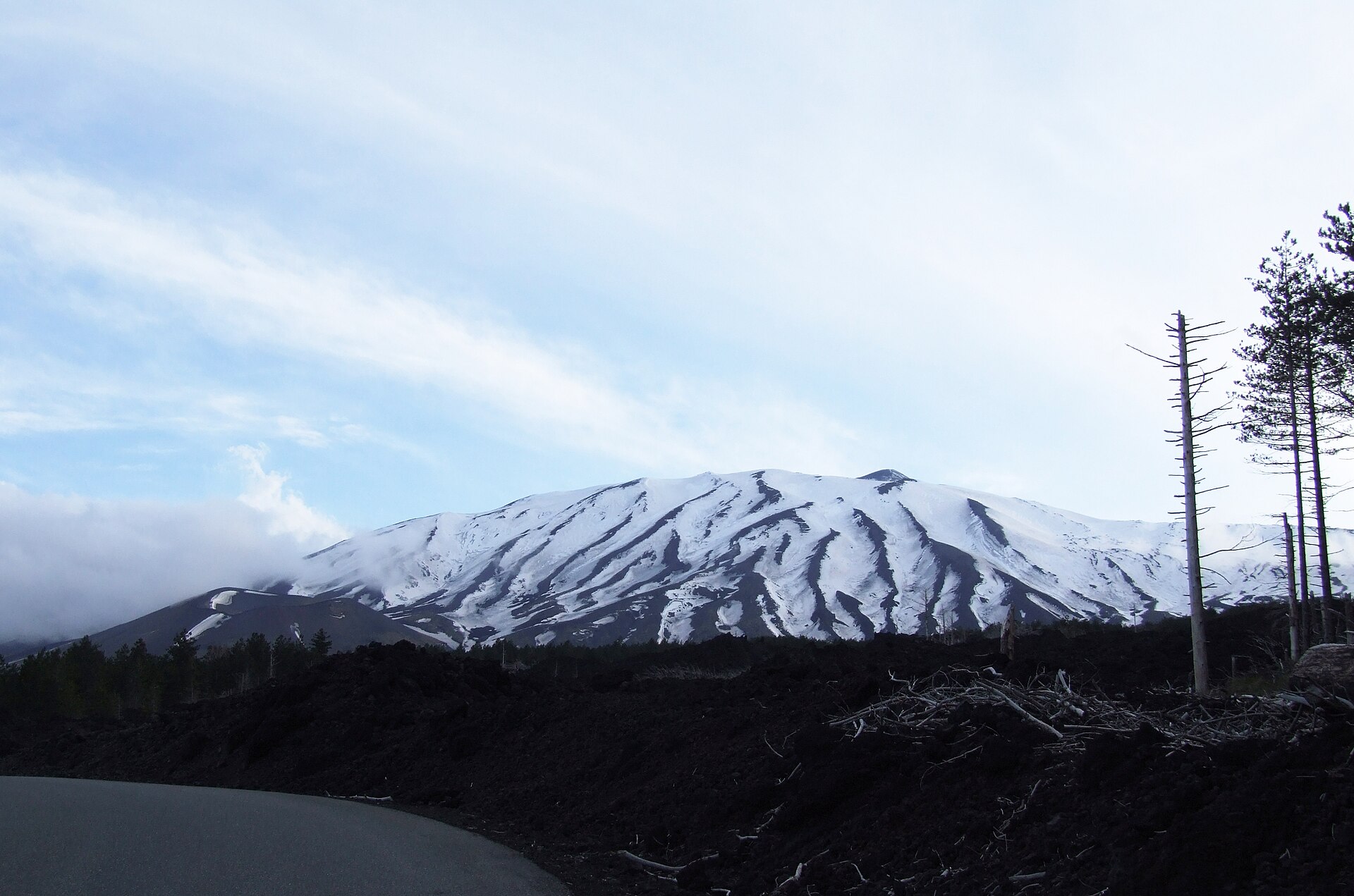
| Mount Etna above the lava fields, Sicily | gnuckx | CC BY 2.0, via Wikimedia Commons |
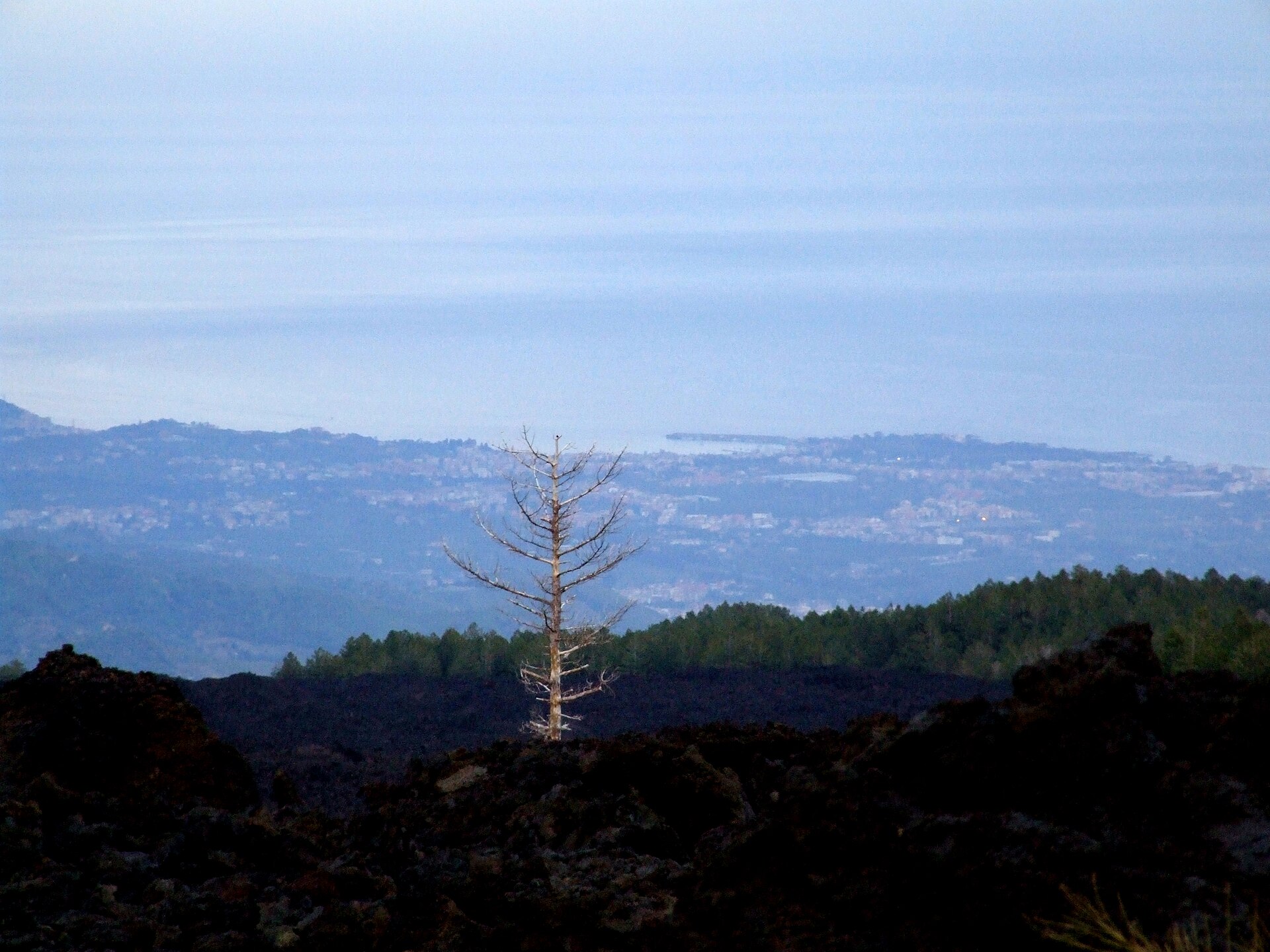
| Lava field and dead pine on the flank of Mount Etna | gnuckx | CC BY 2.0, via Wikimedia Commons |
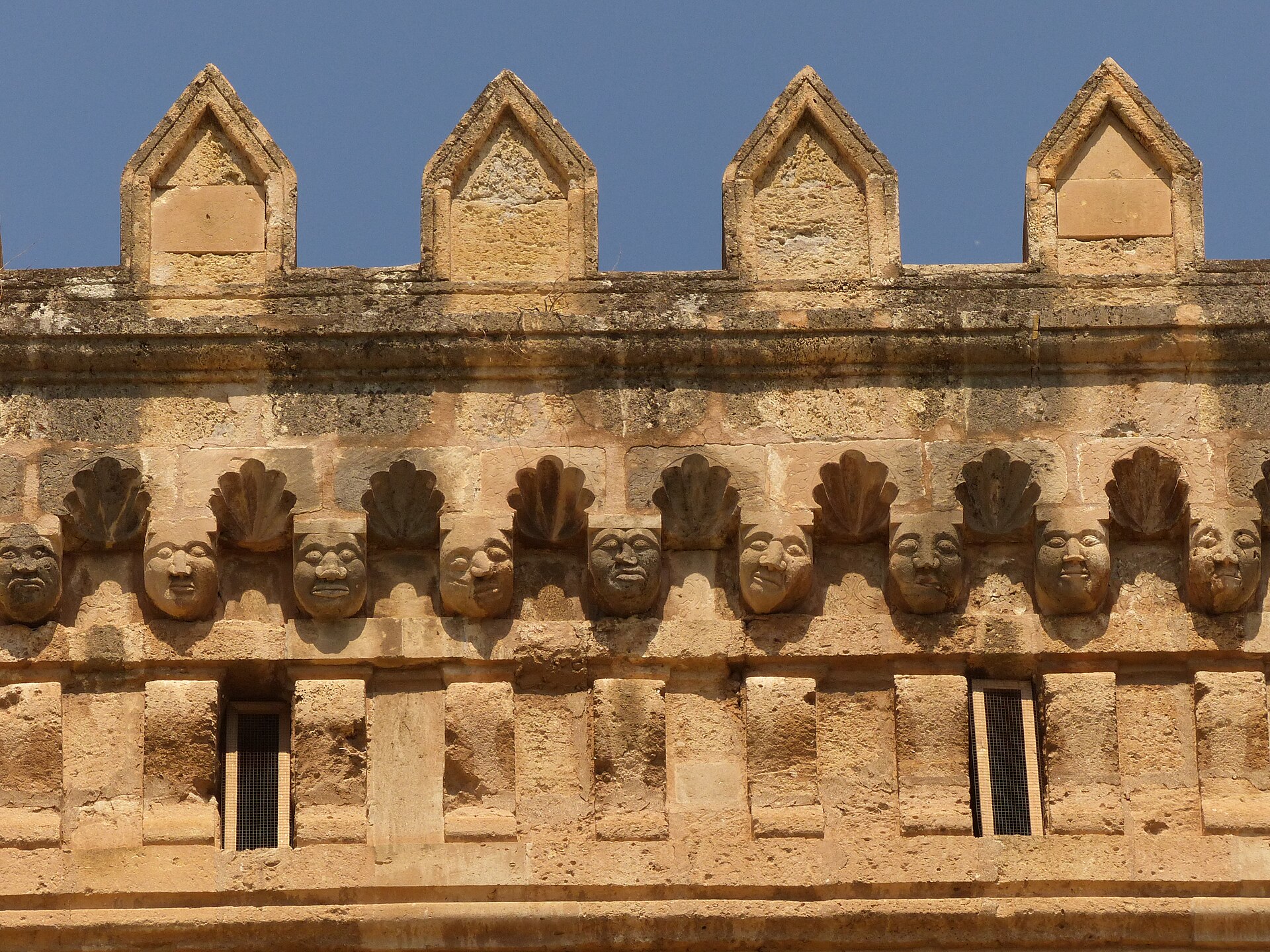
| Palermo Cathedral, detail of the upper wall | Benjamín Núñez González | CC BY-SA 4.0, via Wikimedia Commons |
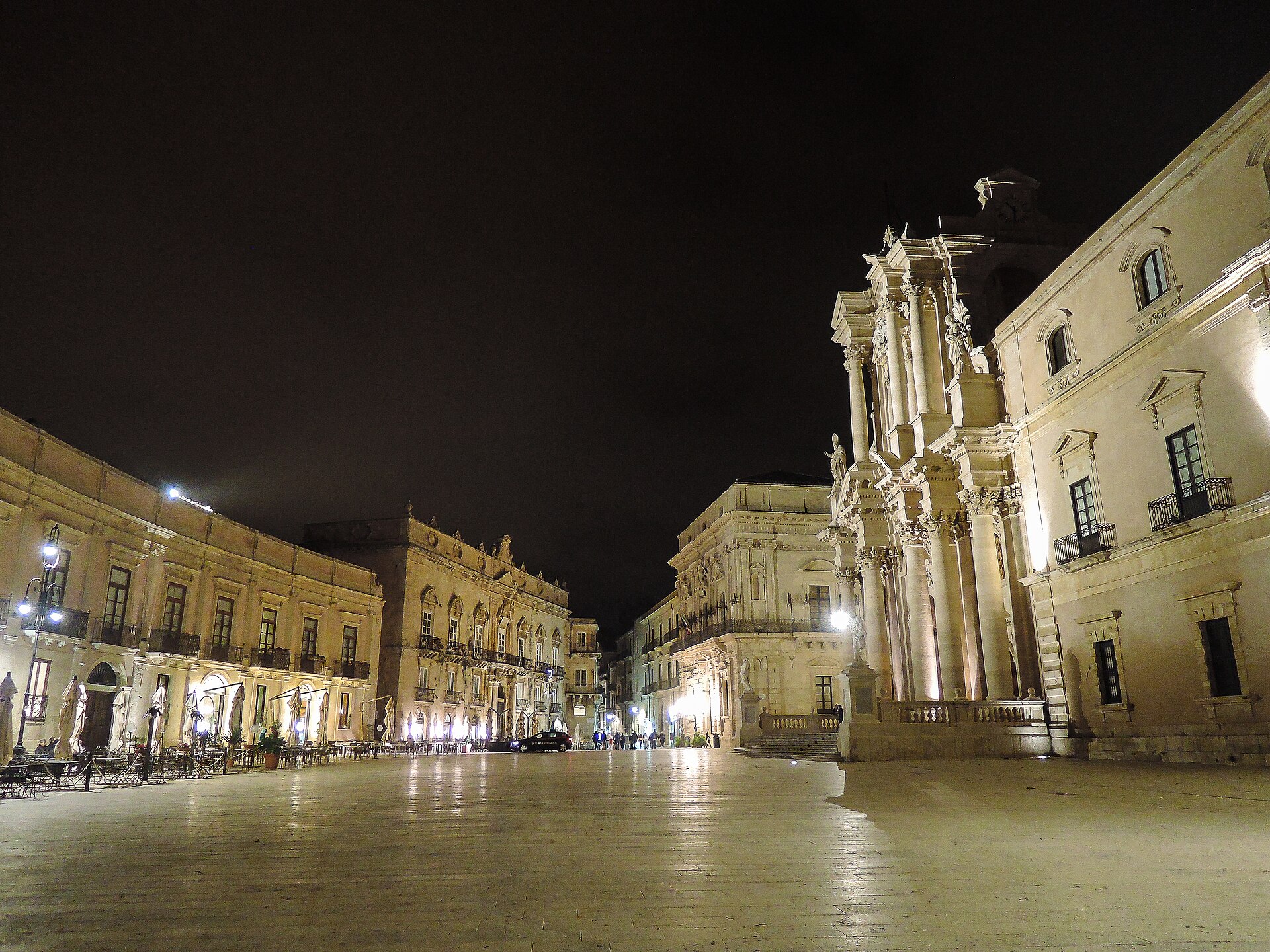
| Piazza Duomo, Ortigia, Syracuse | Yiannis Vacondios | CC BY-SA 4.0, via Wikimedia Commons |
| The Temple of Concordia, Valley of the Temples, Agrigento | Sharon Hahn Darlin | CC BY 2.0, via Wikimedia Commons |
| Valletta Waterfront, Malta | Jules Verne Times Two | CC BY-SA 4.0, via Wikimedia Commons |
| Cagliari from the Castello district, Sardinia | Mike Peel | CC BY-SA 4.0, via Wikimedia Commons |
Published 30 September 2026. Port descriptions, distances and the Upper Barrakka lift fare were checked on 18 September 2026 and will change — verify anything you are about to pay for. Further reading: the Port Authority of the Sardinian Sea on Cagliari and Valletta Cruise Port.